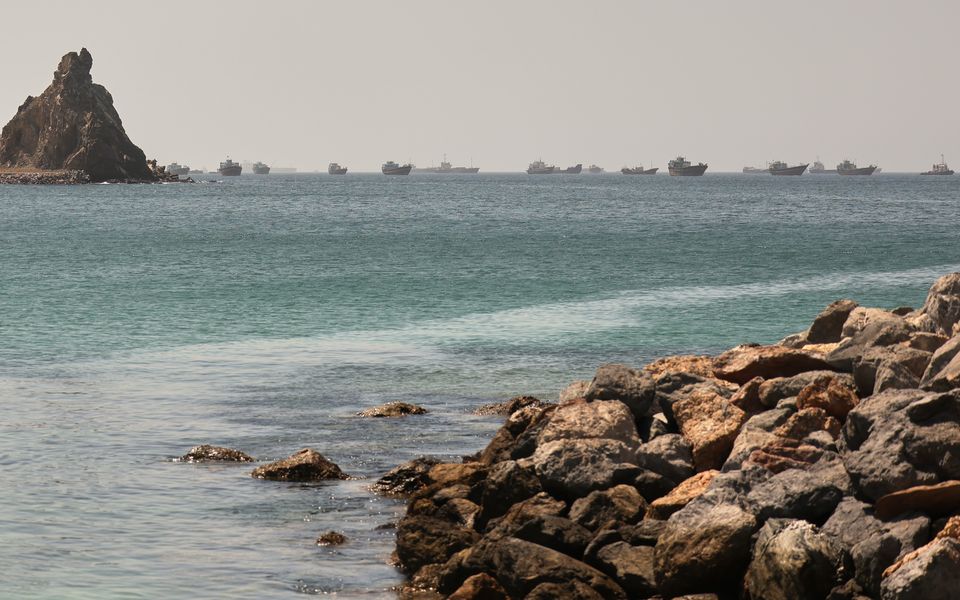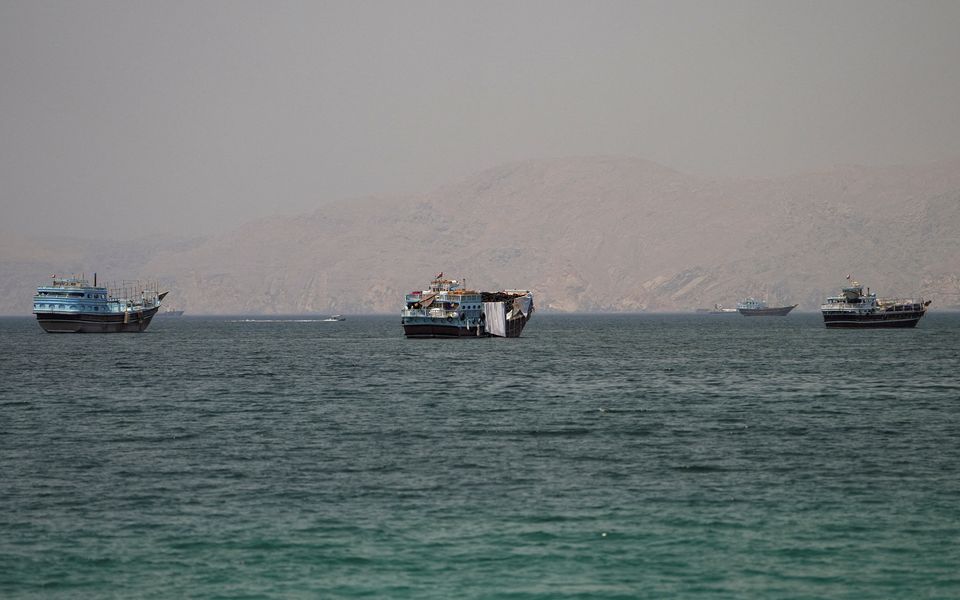
Vessels at the Strait of Hormuz, as seen from Musandam, Oman, on June 22, 2026. [Stringer/Reuters]
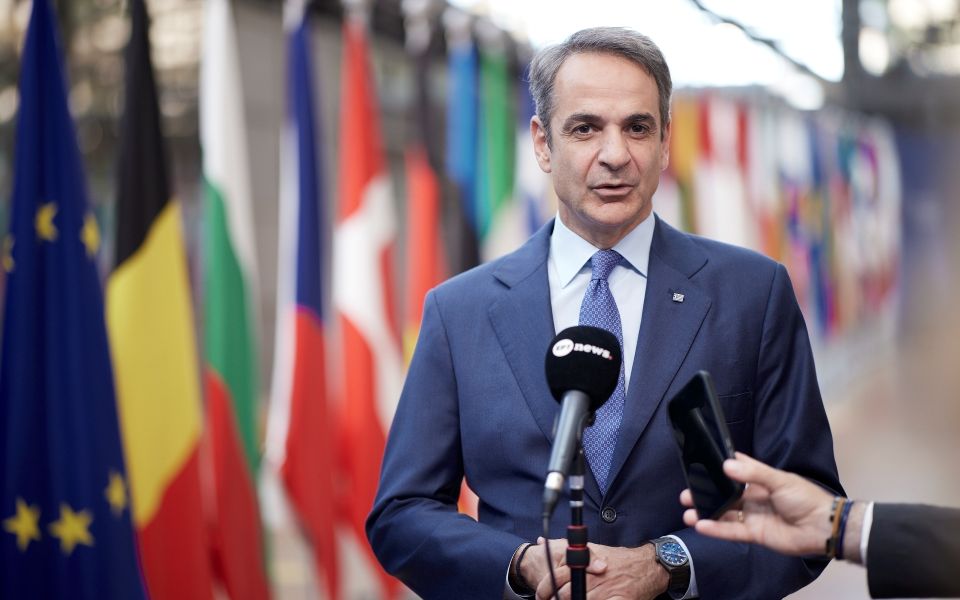
Greece’s participation in the EU’s Aspides mission in the Red Sea, and the willingness that Prime Minister Kyriakos Mitsotakis expressed for the country to contribute to a mission in the Strait of Hormuz if it is requested – and provided it has the backing of the UN Security Council – underline how much the world has changed.
With the Greek-owned commercial fleet playing a leading role in the global economy, and with Greece’s strong naval tradition, the country cannot stand on the sidelines. That’s why the government has made freedom of shipping lanes a foreign policy priority, as Mitsotakis stressed after the EU summit in Brussels on Friday. It has been clear for a while that conditions in shipping have been changing. The question is how much more they will change, as this will determine the course of the global economy, and the economy of each country.
In the past two years, the Houthi rebels’ attacks on shipping in the Red Sea off Yemen, in support of Iran, showed how a small force armed with missiles and cheap drones can cause much damage to shipping and the global economy. Iran’s closing the Strait of Hormuz after it was attacked by the United States and Israel was the next-level use of this most powerful and ancient weapon – exploiting geography for strategic gains. Here it was evident that even the mighty US Navy could not secure freedom of shipping, even though Iranian forces were severely damaged.