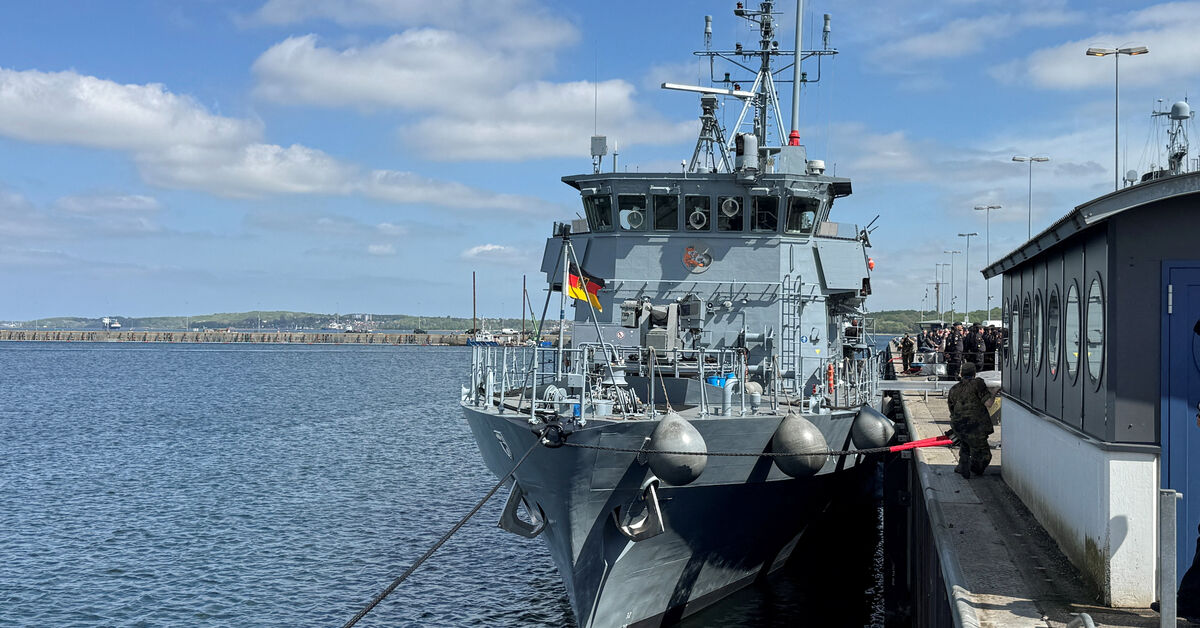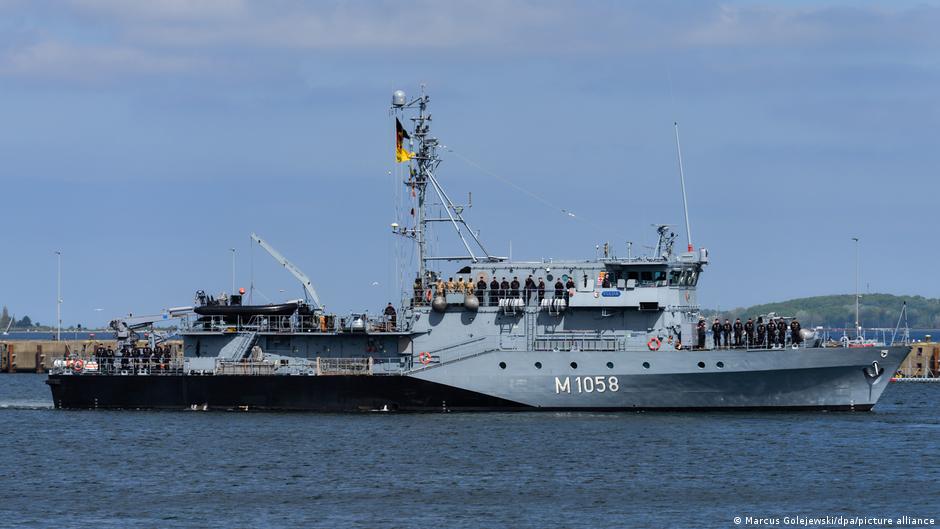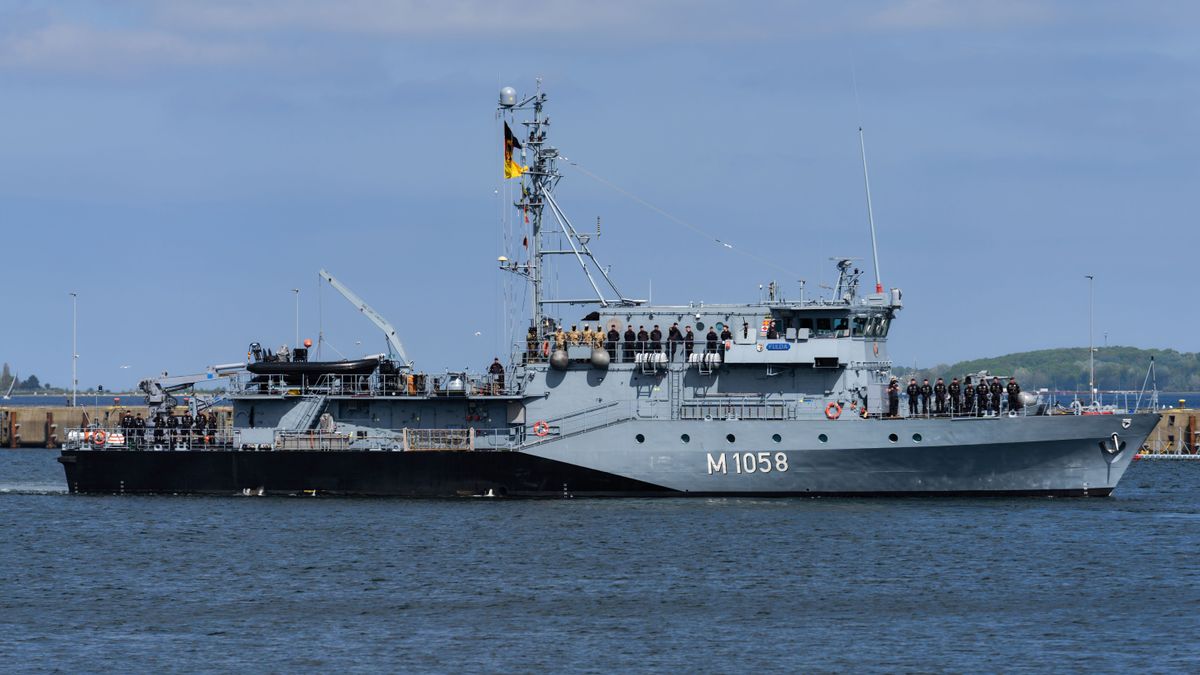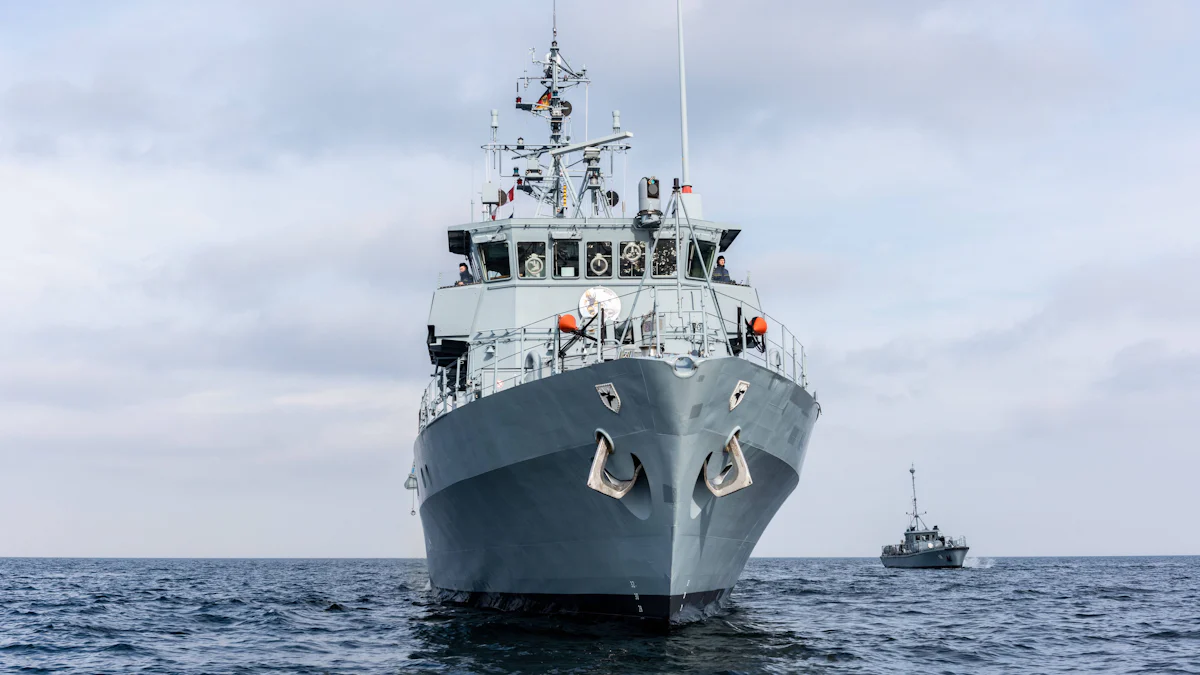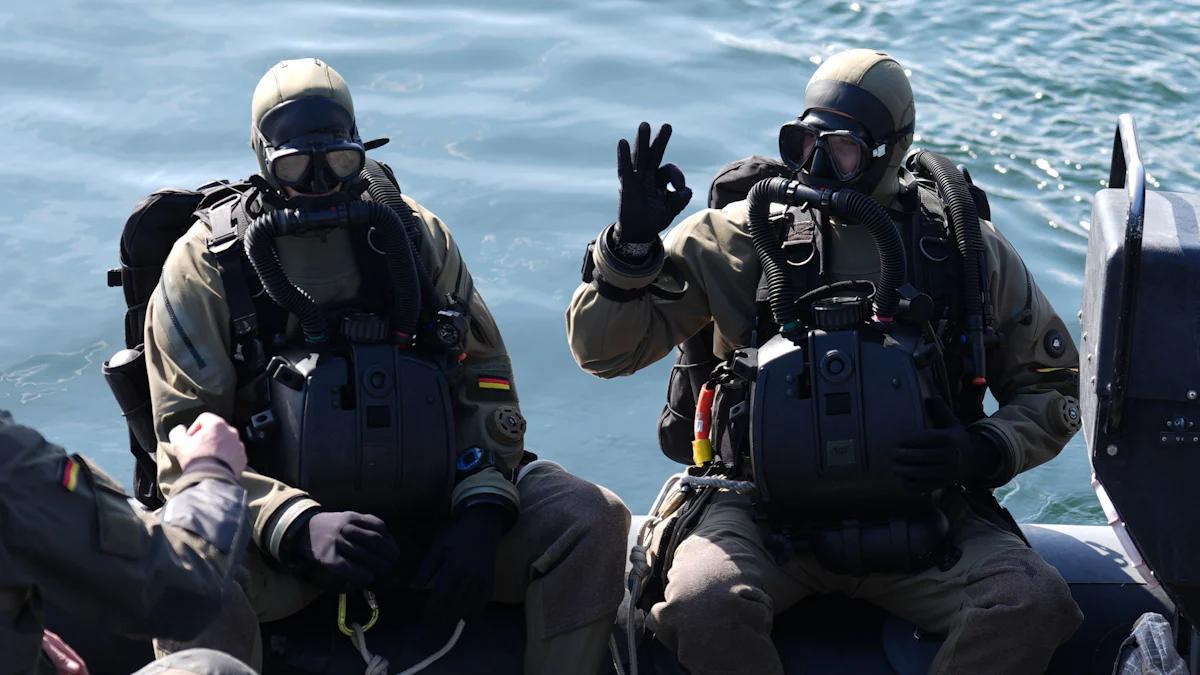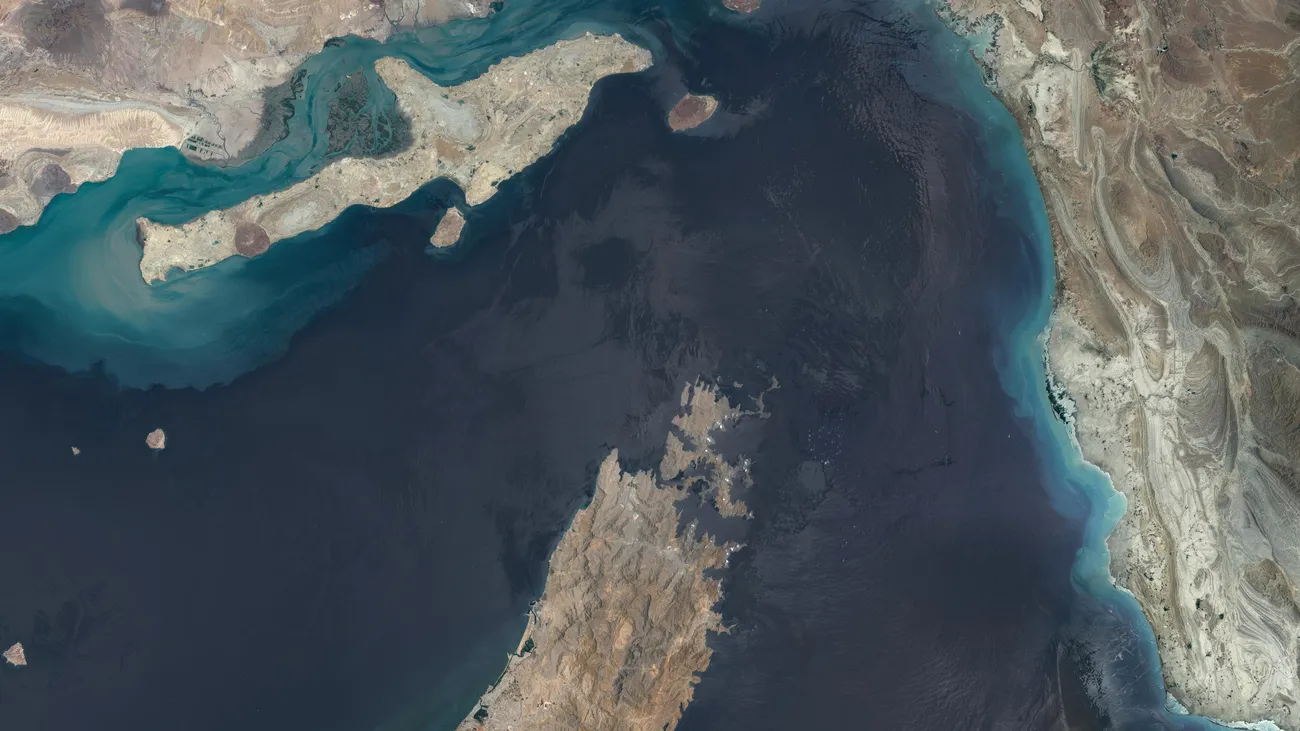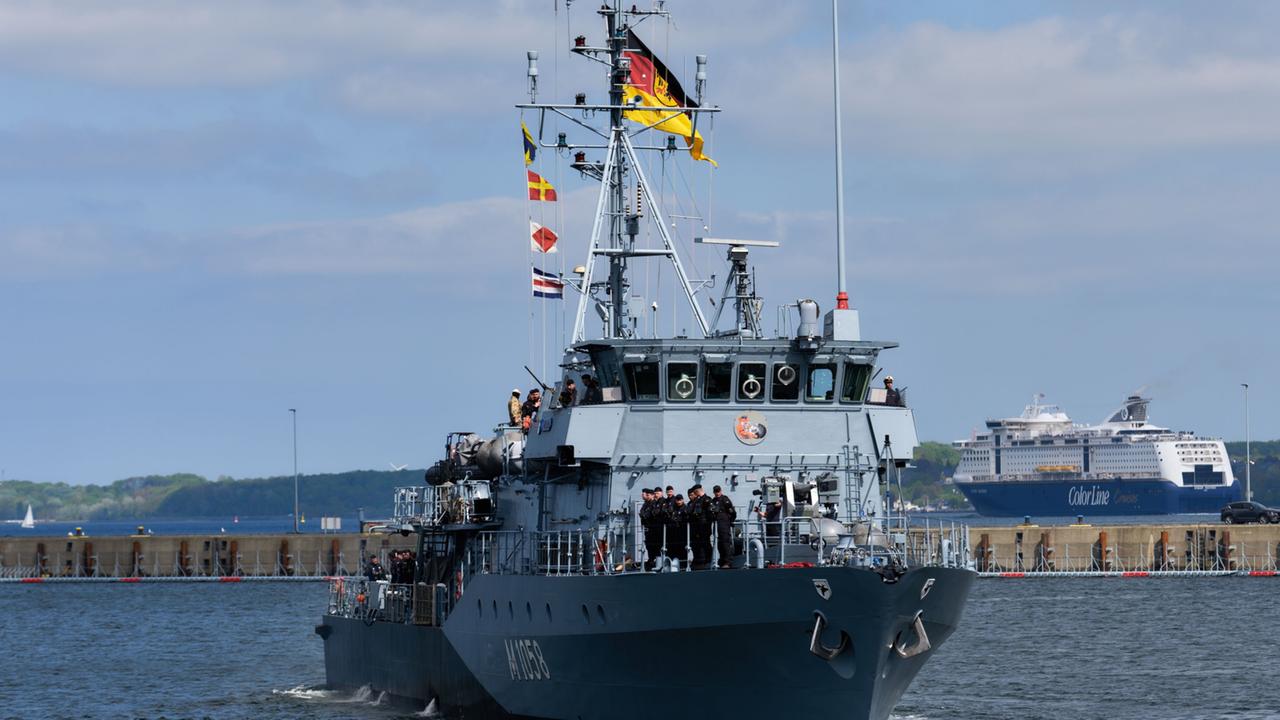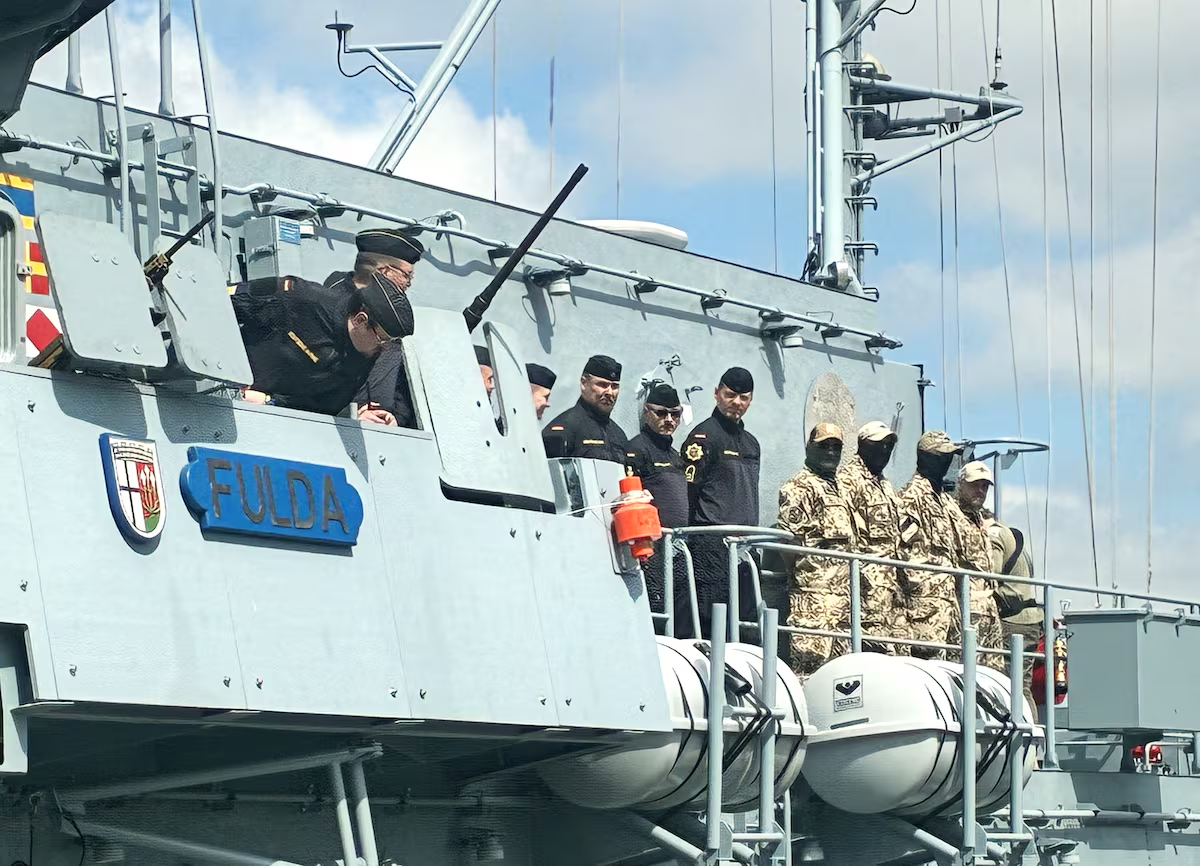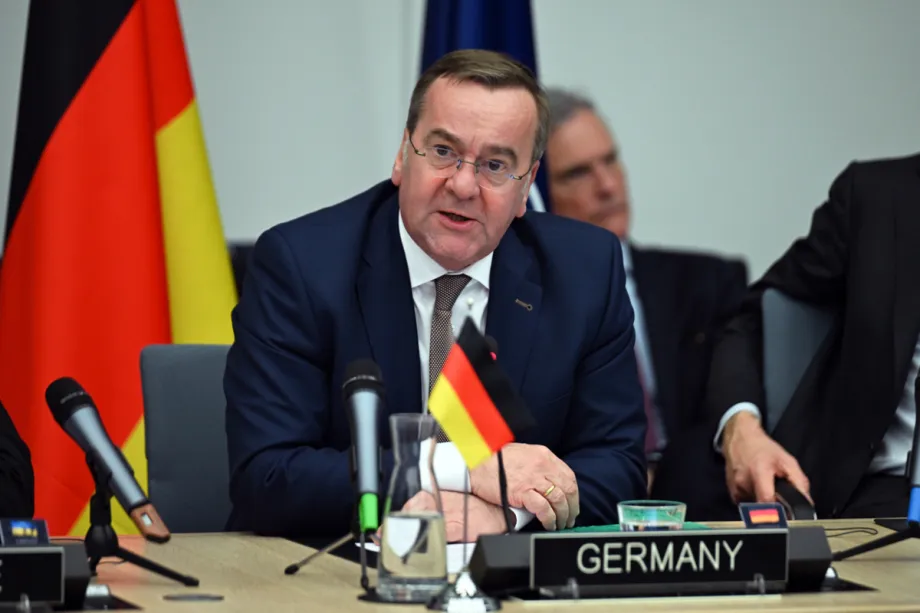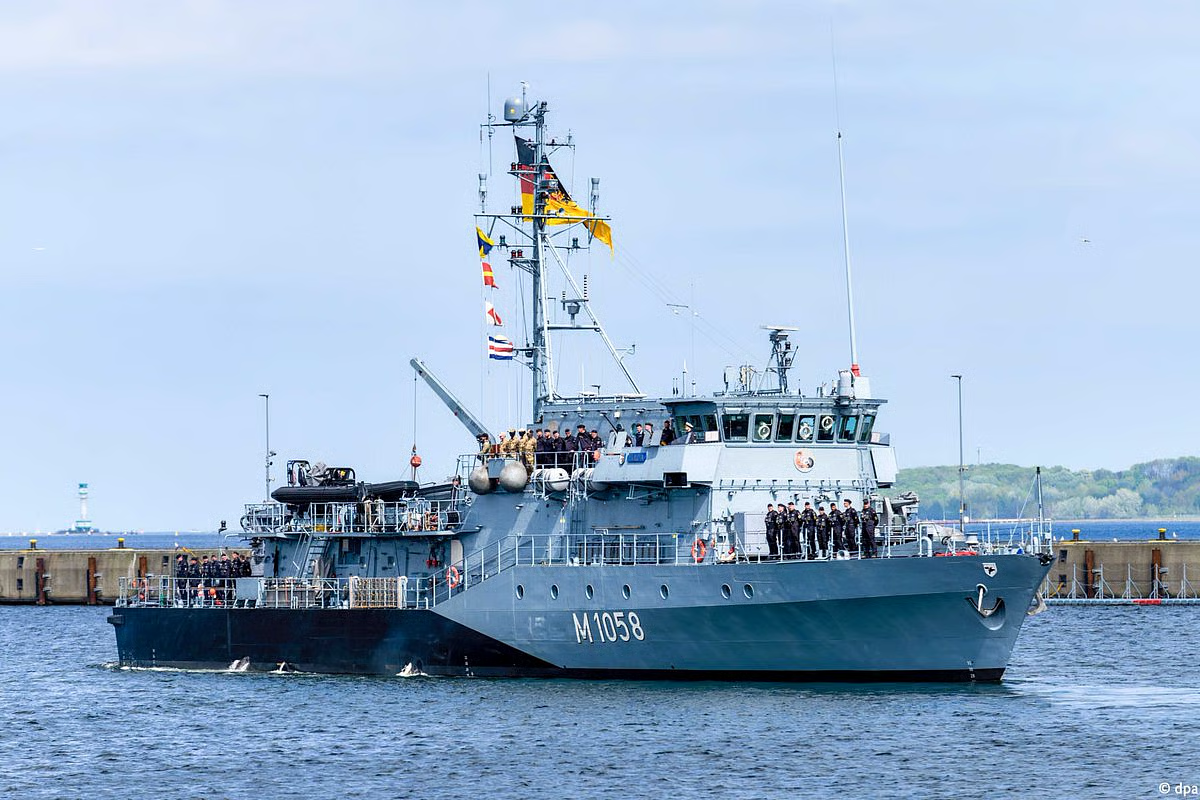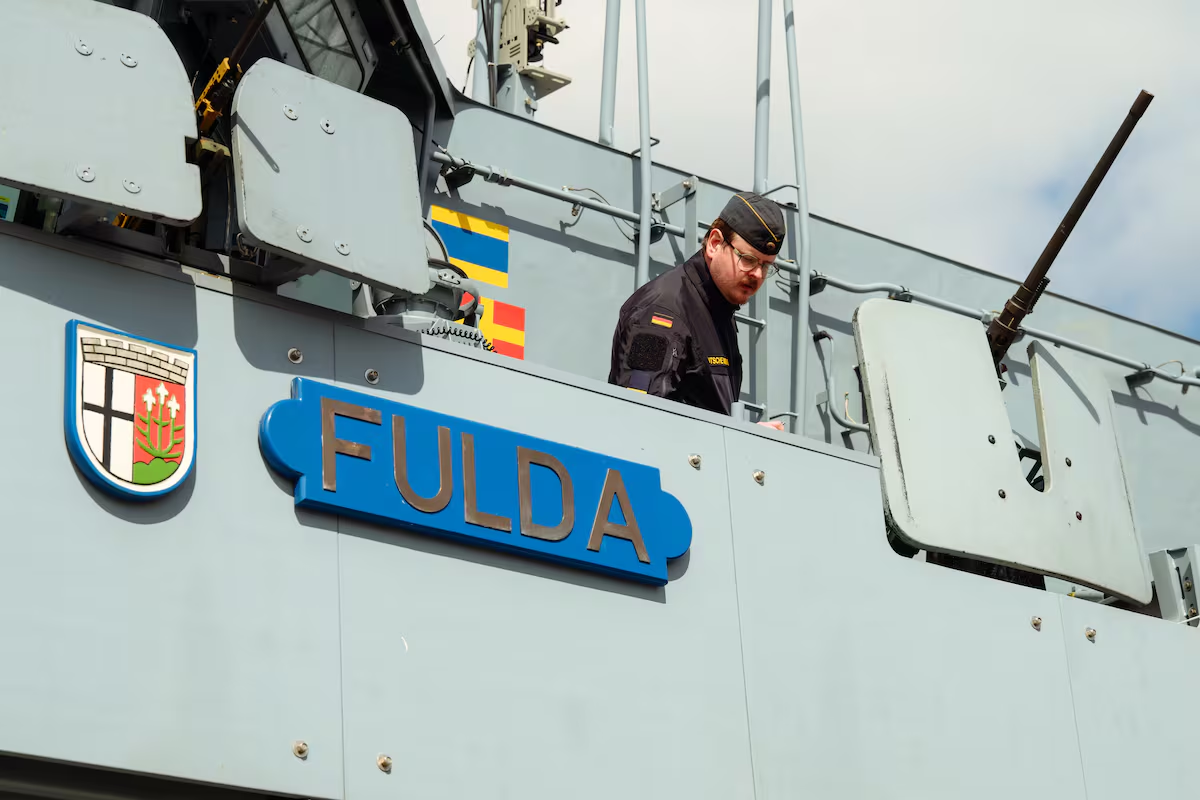
VIENNA — The German Navy is moving two ships to the Red Sea in preparation for a possible mine-clearing mission in the Strait of Hormuz, the country’s defense minister confirmed on Thursday. Speaking to the press before a meeting of NATO defense chiefs in Brussels, German Minister of Defense Boris Pistorius said that the mine-clearing ship Fulda and the supply ship Mosel had passed the Suez Canal. They are bound for Djibouti, which they are expected to reach in five to seven days and where they will be refueled and restocked.A total of 140 German soldiers are aboard the ships, according to the German Ministry of Defense, including mine clearance divers, vessel protection teams and “autonomous systems.”The two ships are currently operating under the EU operation Aspides, which was launched in response to the strikes against commercial ships by the Iran-backed Houthis in Yemen. During their Red Sea transit, the ships will contribute to the situational awareness of the EU naval mission as a whole, the German MOD said in a press release. A mission in the Strait of Hormuz would require separate parliamentary approval, Pistorius said. The Ministry of Defense said it intended to present a corresponding resolution to the Bundestag, Germany’s parliament, before the summer recess, which is set to begin on Jul. 10. Additional preconditions for a German involvement in the strait include a durable end to hostilities surrounding Iran, as well as an international mandate.RELATEDPistorius also outlined the need for a “permissive environment” on Thursday, saying that included “in particular, the consent of Iran and Oman for the relevant mine-clearing activities.”He welcomed the negotiated cessation of hostilities between the U.S. and Iran but said the details of any possible German mission would depend significantly on the outcome of negotiations between Washington and Tehran over the course of the next 60 days. A multinational naval mission in the Strait of Hormuz has been brewing for months, led by the United Kingdom and France and including Albania, Australia, Bahrain, Belgium, Bulgaria, Canada, Croatia, Czech Republic, Denmark, Estonia, Finland, Germany, Greece, Japan, Kosovo, Latvia, Lithuania, Montenegro, Netherlands, Norway, Portugal, Qatar, Republic of Korea, Romania, Slovakia and Sweden, as of May 12. On Monday, the leaders of France, the UK, Germany and Italy issued a joint statement welcoming the ceasefire announced by U.S. President Trump and reaffirming that their countries remained committed to a “strictly defensive and independent mission to reassure commercial shipping and conduct mine clearance operations.”Iran has previously warned European nations not to send warships to the region, even for the stated objectives of mine clearing and protecting shipping. In May, Tehran’s deputy foreign minister, Kazem Gharibabadi, warned that European warships would be met with a “decisive and immediate response” from the Iranian armed forces. “The Strait of Hormuz is not a property shared with powers from beyond the region, and Iran, as a littoral state, has the right to exercise sovereignty and determine its legal arrangements,” Gharibabadi was quoted by Iranian media at the time. Linus Höller is Defense News' Europe correspondent and OSINT investigator. He reports on the arms deals, sanctions, and geopolitics shaping Europe and the world. He holds master’s degrees in WMD nonproliferation, terrorism studies, and international relations, and works in four languages: English, German, Russian, and Spanish.
Germany moves two ships to Djibouti, eyeing multinational Hormuz mission this summer
Germany is among a number of countries that have offered help in securing the shipping lane, but only if an Iran ceasefire deal turns out to be lasting.
544 words~2 min read