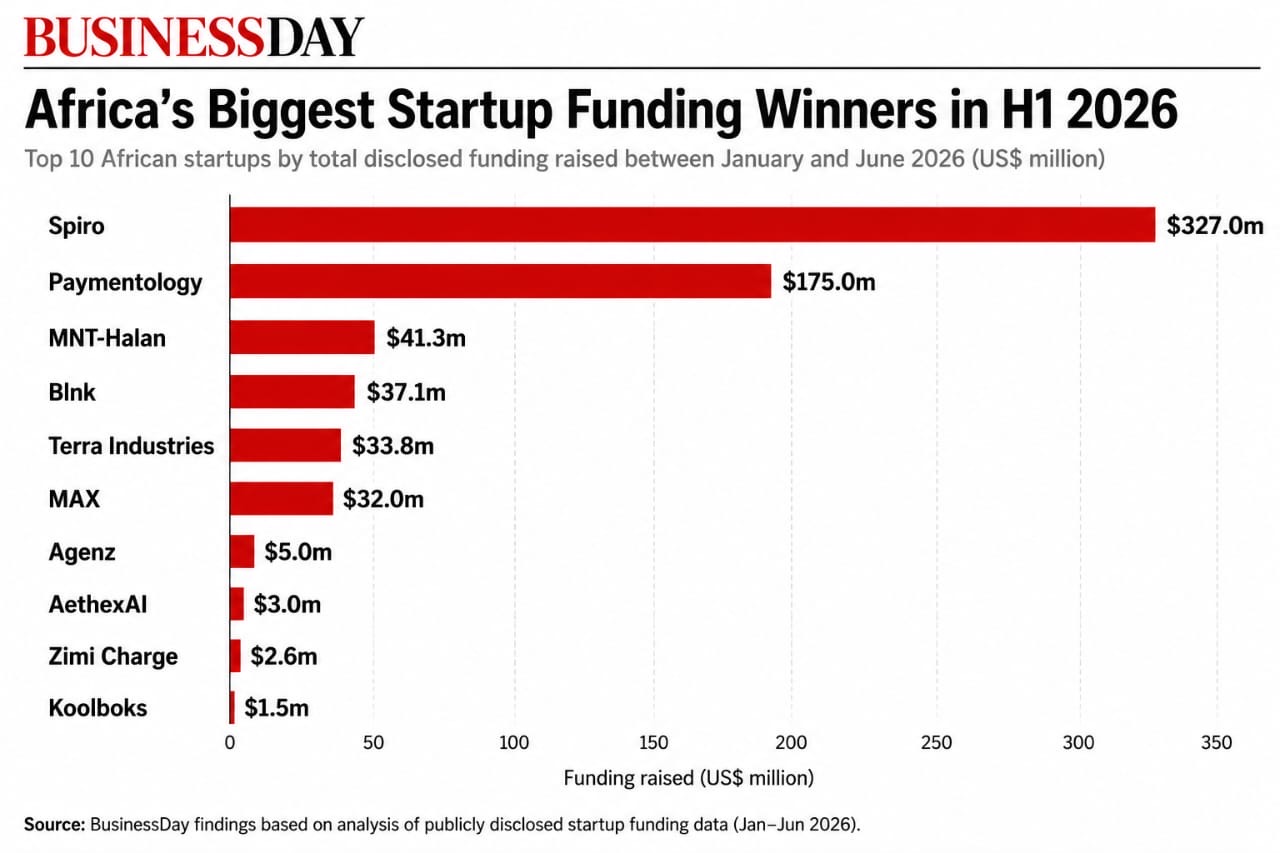
The numbers that once defined Africa’s technology story were optimistic. Between 2019 and 2022, venture capital into African startups surged past the $3 billion mark for the first time in recorded history. Unicorns and founder profiles graced the covers of global business magazines. The continent, long framed as a frontier, was suddenly a destination. Yet capital has never been an end in itself. It is merely an accelerant.
The more difficult question, and perhaps the more consequential one, is whether Africa has invested with equal urgency in the human systems required to sustain growth.
By 2023, funding had fallen 28 percent to $2.4 billion. In 2024, it collapsed further, down more than 50 percent to just $1.1 billion, with the number of funded startups dropping from 406 to barely 200. The active investor base shrank by 35 percent in a single year. The dream had not died, but the scaffolding that had propped up much of the optimism was visibly shaking.
The funding winter has exposed something that capital abundance had quietly obscured: the gap between Africa’s ambition and its institutional capacity to execute. Money, it turns out, cannot substitute for the systems that enable organisations to perform reliably, scale responsibly and lead with depth.