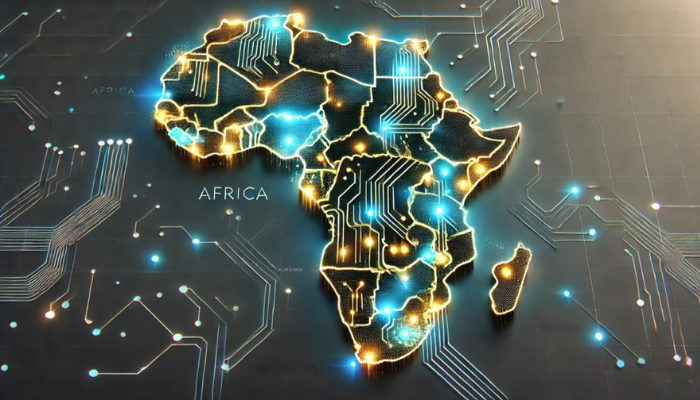
In the past few years, I have watched an extraordinary amount of energy, capital, and conversation pour into Africa’s AI ecosystem. Almost all of it has been directed at the people building the technology. Very little of it has been directed at the people who will have to use it. Governments from Nigeria to Rwanda are publishing national AI strategies, while investors are accelerating capital into technology ecosystems across the continent.
In Lagos, a generation of founders is building AI tools for markets that global technology companies have consistently underserved. In Nairobi, a decade of mobile money infrastructure has given workers a digital foundation that most emerging economies are still working towards. In Johannesburg, the conversation is increasingly urgent, given an unemployment rate that makes the question of who actually benefits from AI a deeply political one
That momentum matters. Africa needs stronger innovation ecosystems, more technical talent, and more globally competitive startups. AI could inject $2.9 trillion into the African economy, about a 3% annual increase in GDP. But there is a growing risk that the AI conversation is becoming too narrowly focused on the people building the technology, rather than the workforce whose ability to use it will ultimately determine how AI delivers meaningful economic growth.