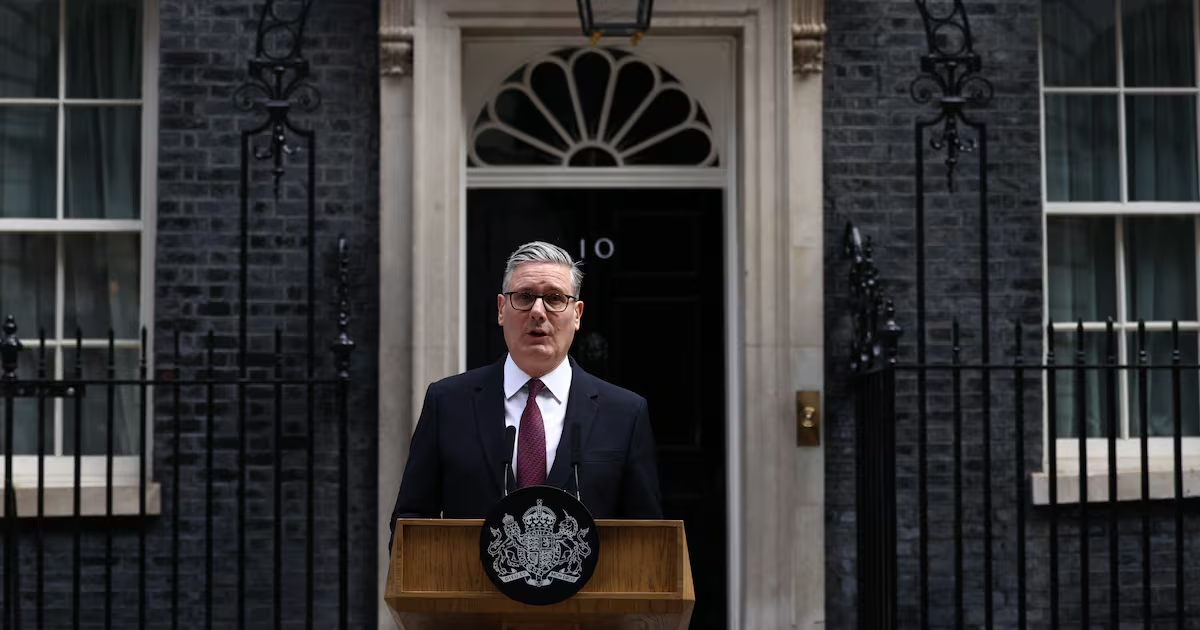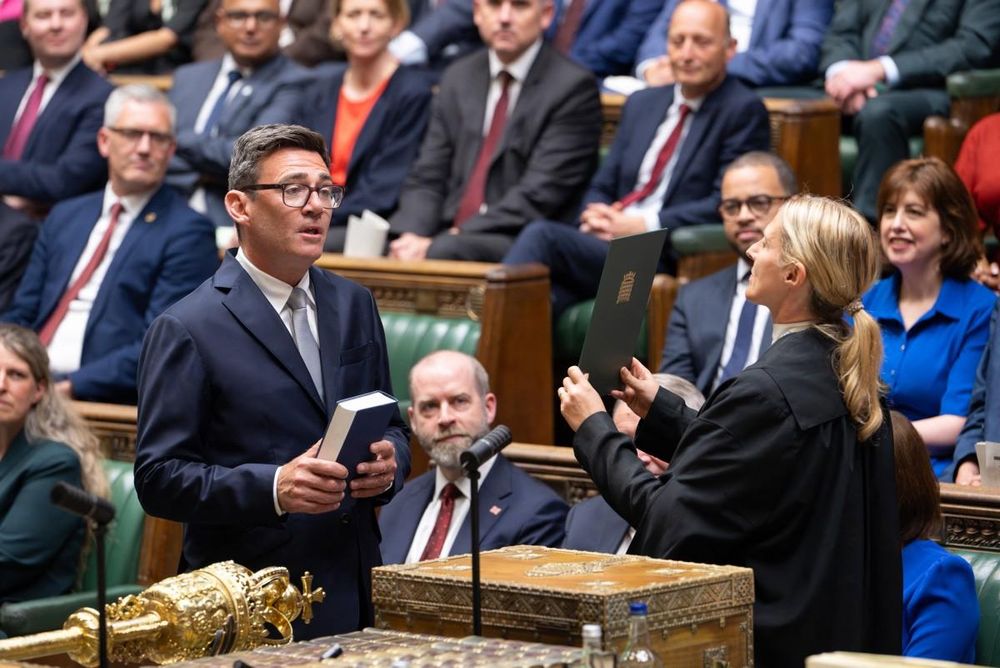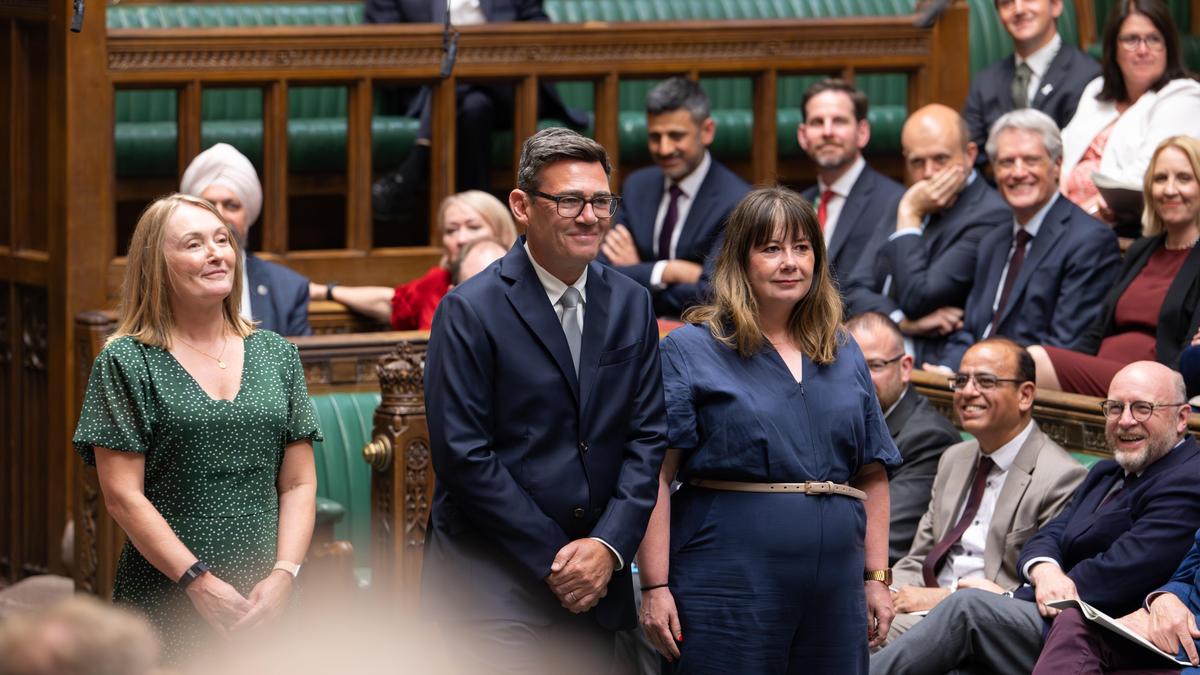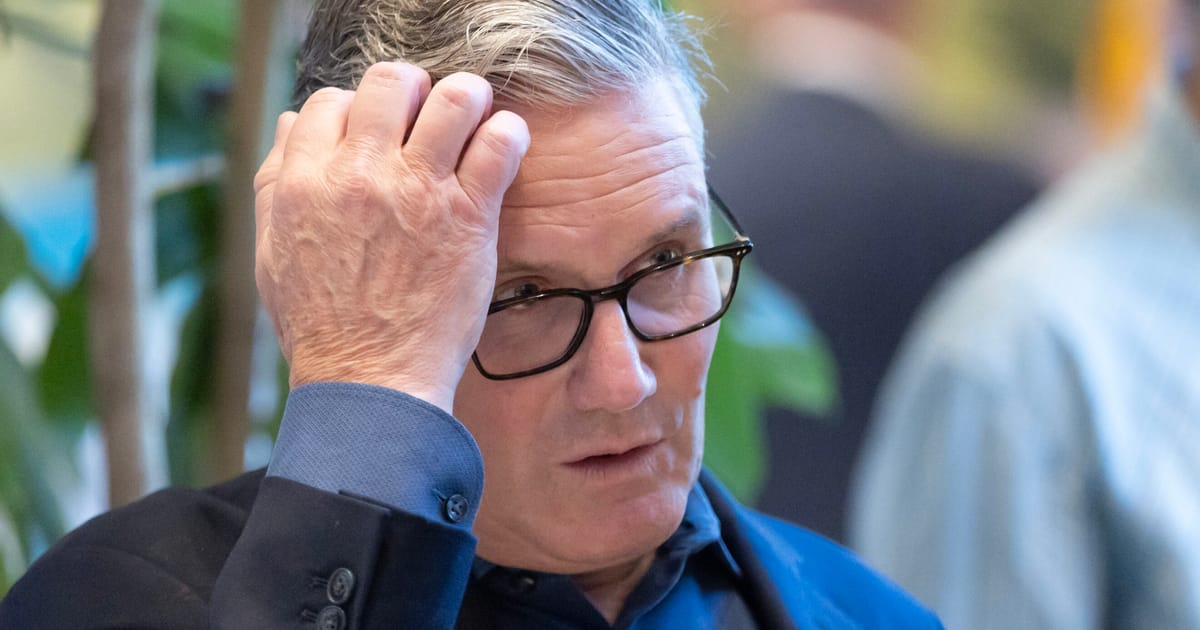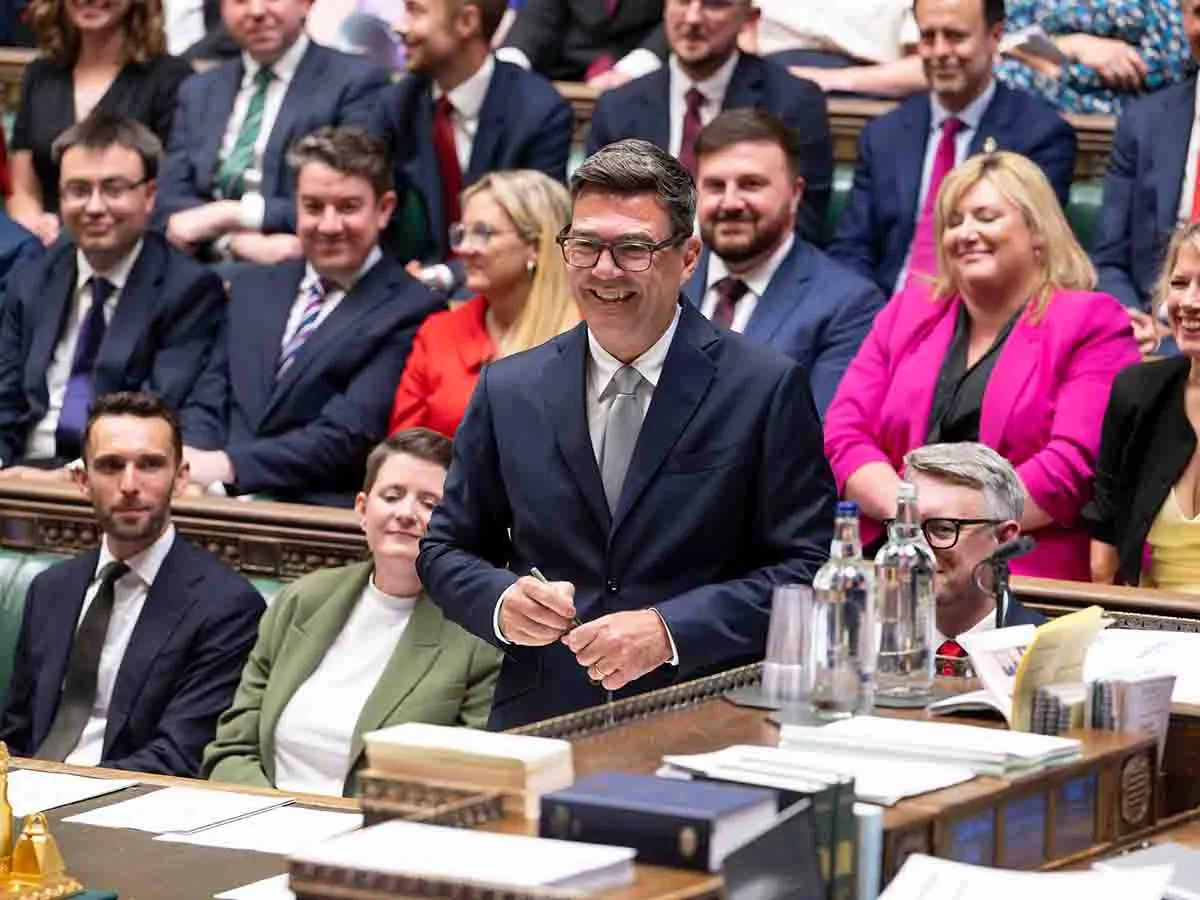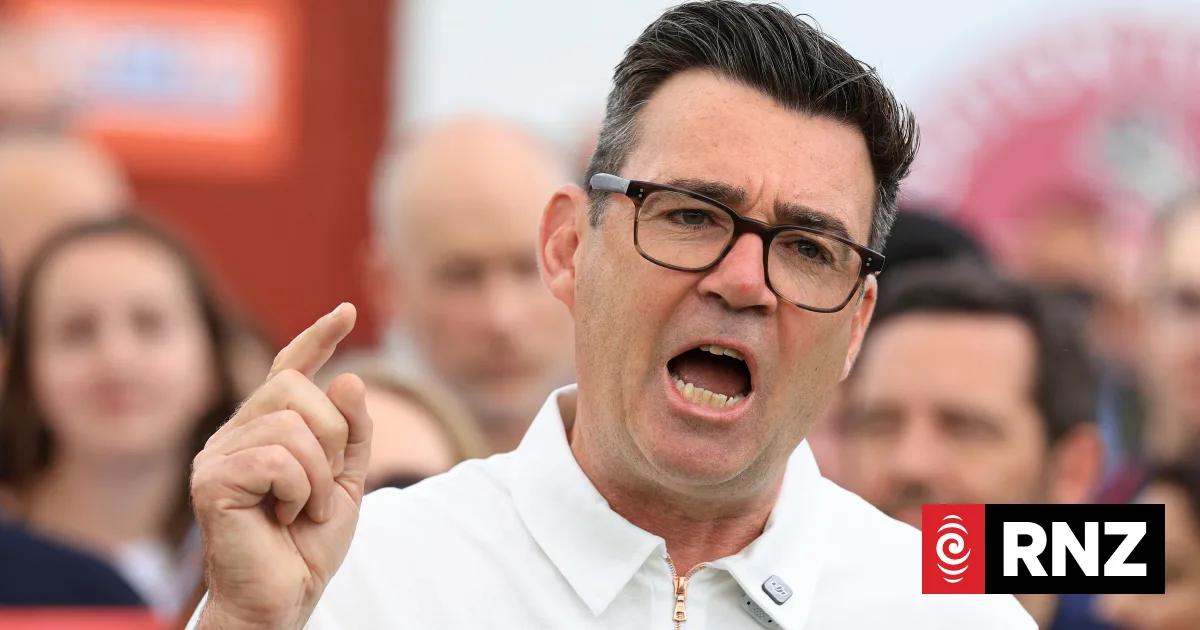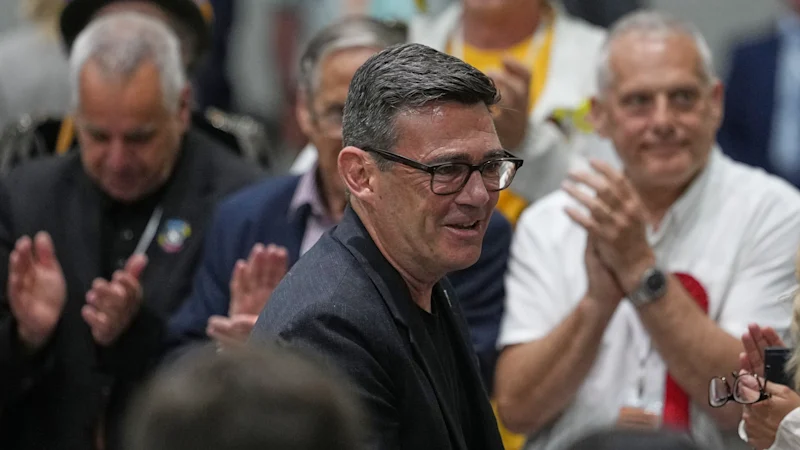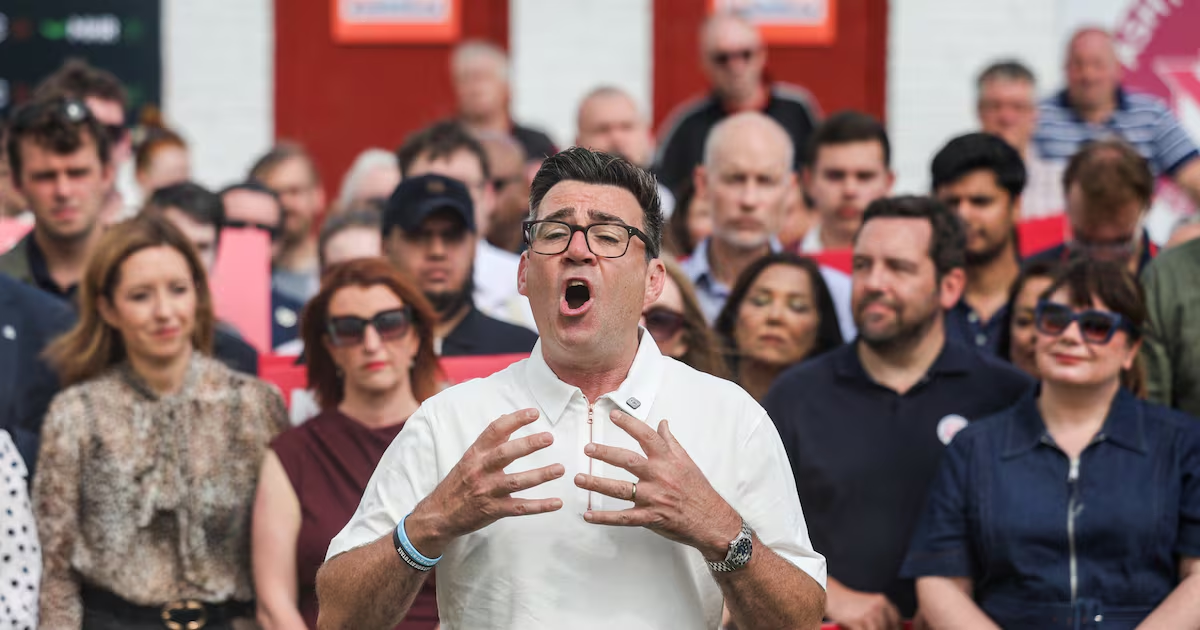
Last year’s teenager meme “6-7” serves as a good shorthand for the UK’s currently destabilised post-Brexit political scene.Should newly minted Labour MP Andy Burnham fulfil his dreams and emerge as the next occupant of Downing Street, the UK will move from its sixth prime minister of the Brexit era to its seventh. It is a level of churn once associated with Italy and other countries with a fractured spectrum of political parties.Mr Burnham’s rise is being portrayed in the country as a last roll of the dice for the two-party system that until just before Brexit – it got its first proper coalition government in 2010 – had given the UK governing stability. The last two elections have provided first the Conservatives and then Labour with huge majorities, yet both parties have failed to govern effectively. People’s expectations have then been dashed by turmoil at the top, such as that engulfing the current Prime Minister, Keir Starmer.July 5, the second anniversary of Mr Starmer’s installation in Downing Street, now seems too far away to celebrate his hold on power. On Monday, the Prime Minister announced his resignation and will stay on as a caretaker until his successor is formally picked.Formerly the mayor of Manchester and before that a minister in ex-prime minister Gordon Brown’s cabinet, Mr Burnham is both an insurgent and a Westminster insider. He comes complete with a philosophy of government called “Manchesterism”. Like elite football club managers, he also comes with a readymade team around him to shape the kind of government he wants to run.There is one important difference: Mr Burnham has never run the country. The real test will be whether he bears the traits that will make for a successful national leader, and not simply a provincial king. In the UK today, the harsh realities of an economy that is not providing adequate revenues for government services that people want form the litmus test that has failed recent prime ministers.At least, “Manchesterism” addresses this issue at source by attempting to mobilise resources in a different way.It is not only an attempt to provide an overall political philosophy of departure from the failing practices of the past, but it also has a social element that seeks to get people on board with a new way of thinking. It has important retail political strengths in that it says to voters it will do something unfamiliar yet useful for them as they confront daily realities.Over almost a decade of running the northern English conurbation, Mr Burnham was clever enough to understand that local strengths could be harnessed. He saw that Manchester had a certain international standing that was an asset. In the rise of local institutions like the Manchester City football club and the University of Manchester, he had a positive investment story on the coattail of which he could ride.QuoteKhomeinism has been a feature of Manchester politics for some time, and while Burnham steered clear of such intrigues, there is no evidence that he set out to come to grips with it or quash it entirelyThe contrasting narrative with stodgy “Starmerism” is available to see for all the Labour MPs who are pushing for this early change. Mr Burnham is bound to seek partnerships with capital investors to try to make the UK economy come unstuck. In this, he will undoubtedly benefit from some of the reforms that the Starter government has made that have gone beneath the public radar.The current incumbent can legitimately feel some grievance that he is being drummed out of office while the work he has done has not fully or even partly filtered through. But politics on the post-Brexit clock does not allow for time elapses. Mr Starmer is paying for the accelerated sensitivities of politicians who look at the vast swings in electoral fortunes and want to get ahead of the next tsunami.These are the challenges that, it seems, Mr Burnham is about to inherit. Most pundits make him an overwhelming favourite to be either confirmed unchallenged as the next Labour leader, or to squash a mostly symbolic challenge from the rightward faction of the party.Rishi Sunak, the Conservative former prime minister who lost the last general election, wrote at the weekend that Mr Burnham would have only days to stamp his agenda on government. He pointed to the failing political centre in France and Germany as the probable fate of the Labour party in the next general election, to be held no later than 2029, if Mr Burnham can’t turn things around.Play01:25Burnham win rattles Labour leadershipMeanwhile, no one is talking about Iran – but they should.The investor confidence that Mr Burnham seeks to get moving is likely to remain stuck on the doorstep of an Iran conflict resolution for as long as there is no permanence to the ceasefire. He is likely to farm out the UK’s foreign policy agenda and its handling – as Mr Sunak and Mr Starmer did – to a veteran capable of handling the world while he focuses on the economy and domestic affairs.But these are false distinctions. From his time in Manchester, Mr Starmer would have bumped up against the strong local presence of “Khomeneism”, which is the influence that Iranian-infused revolutionary activism exerts over leftist political circles in countries like the UK. It has been a feature of Manchester politics for some time, and while Mr Burnham steered clear of such intrigues, there is no evidence that he set out to come to grips with it or quash it entirely.Yet if he were to pick an overtly political battle on the national stage – taking on the infiltration and security threats posed by the Iranian regime – it could supplement his economic battles in new and beneficial ways.To govern is to choose. The “6-7” meme is about shrugging off choice. It would be terrible if that really became the motif of a Burnham premiership.
Keir Starmer's probable successor has an Iran-shaped problem to solve | The National
Andy Burnham will need investor confidence – and that is hostage to Tehran
982 words~4 min read