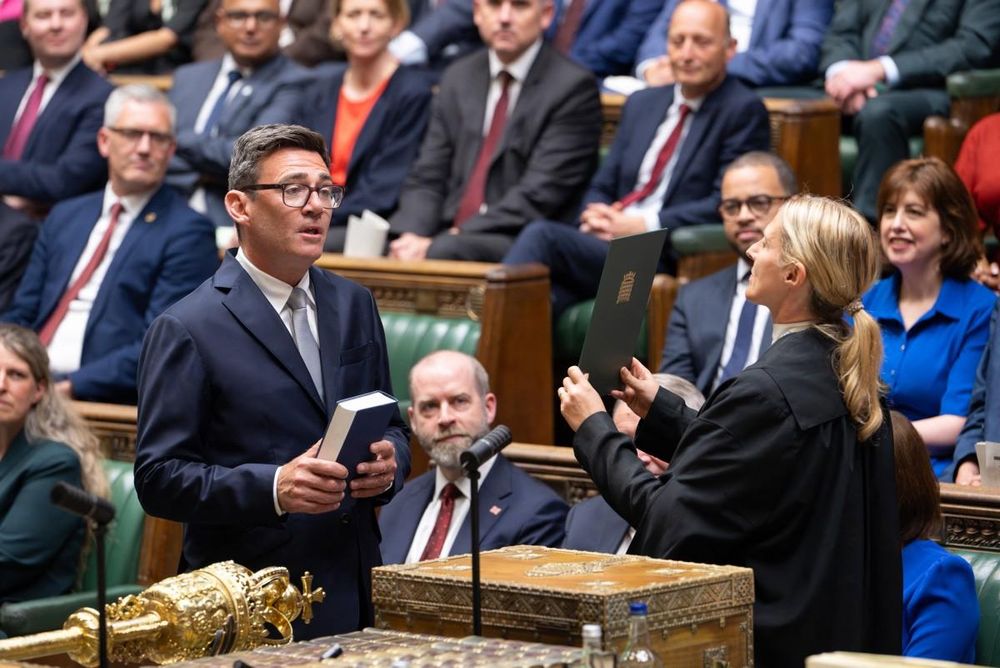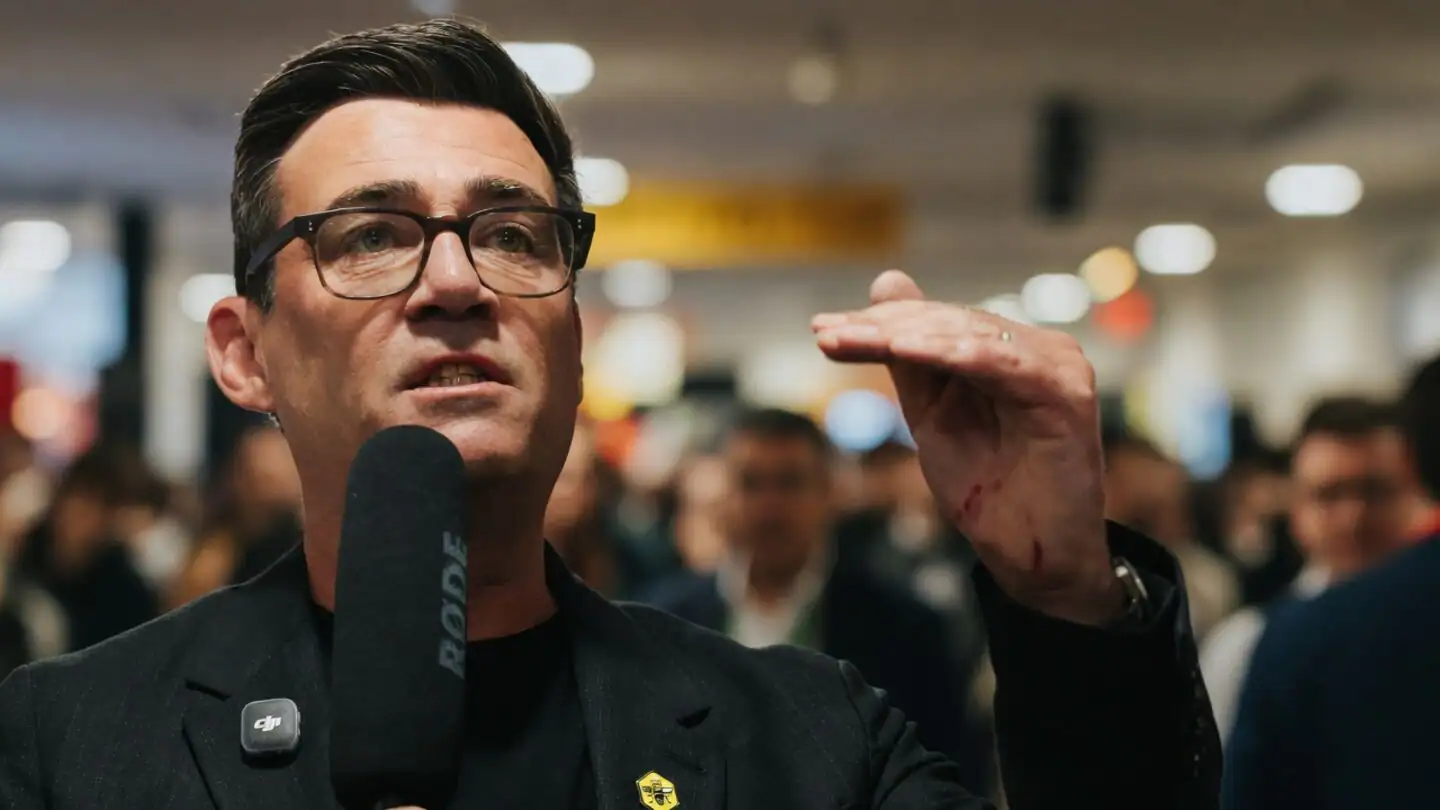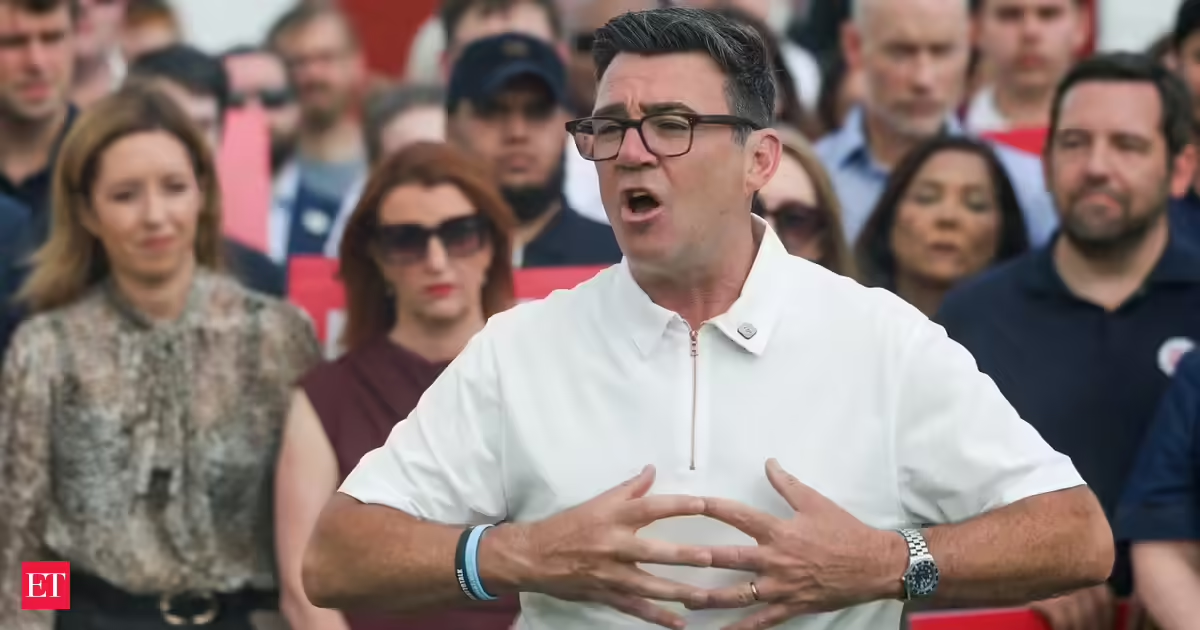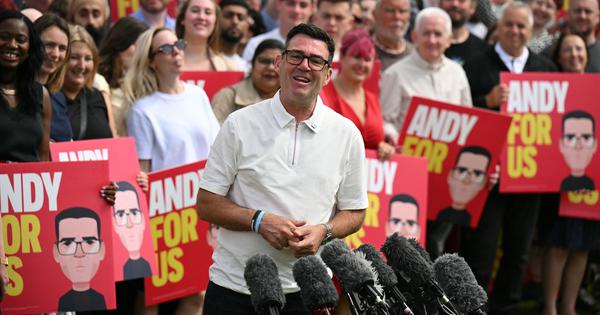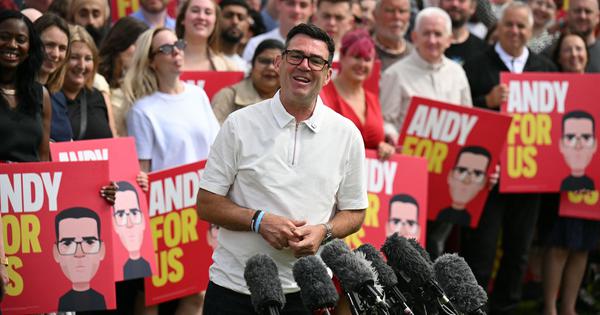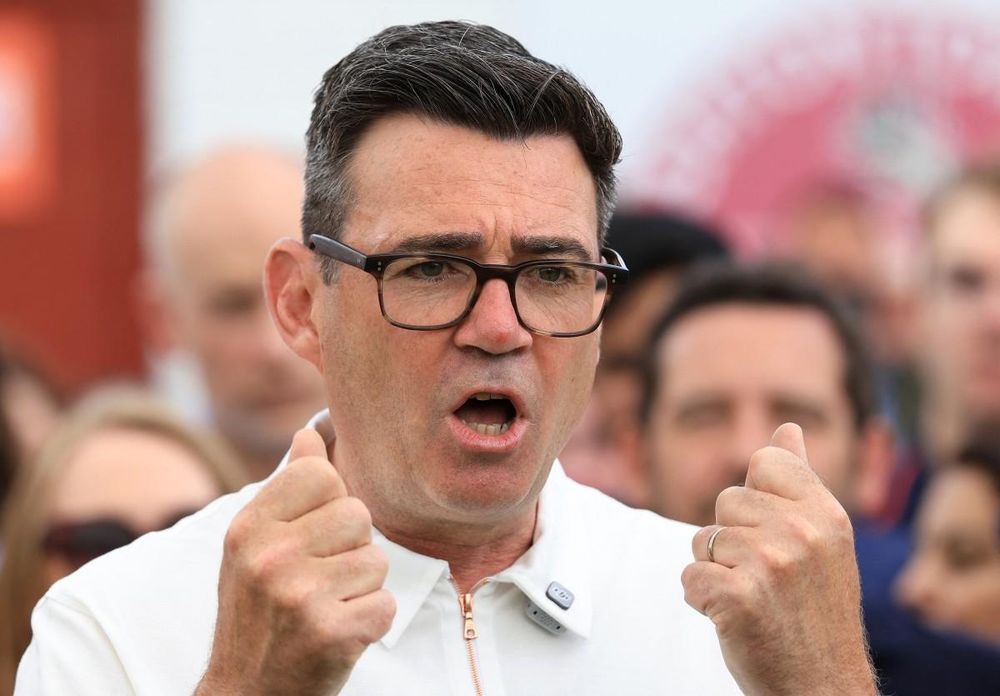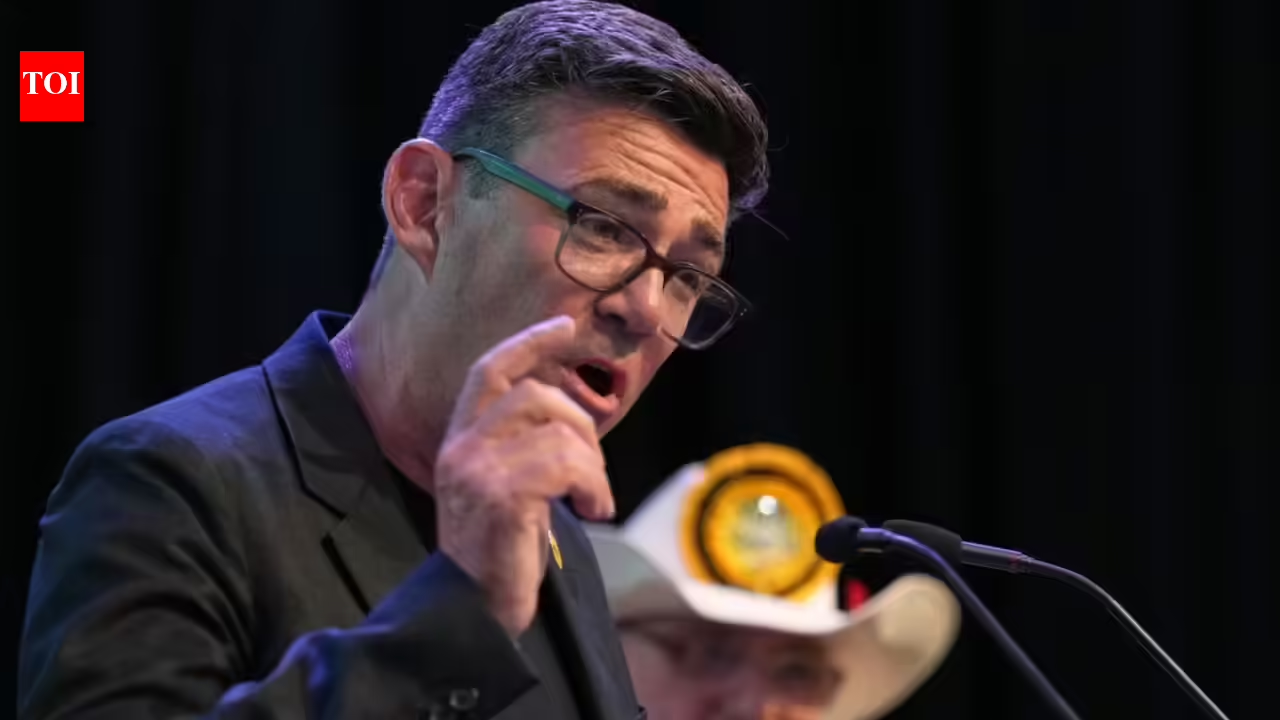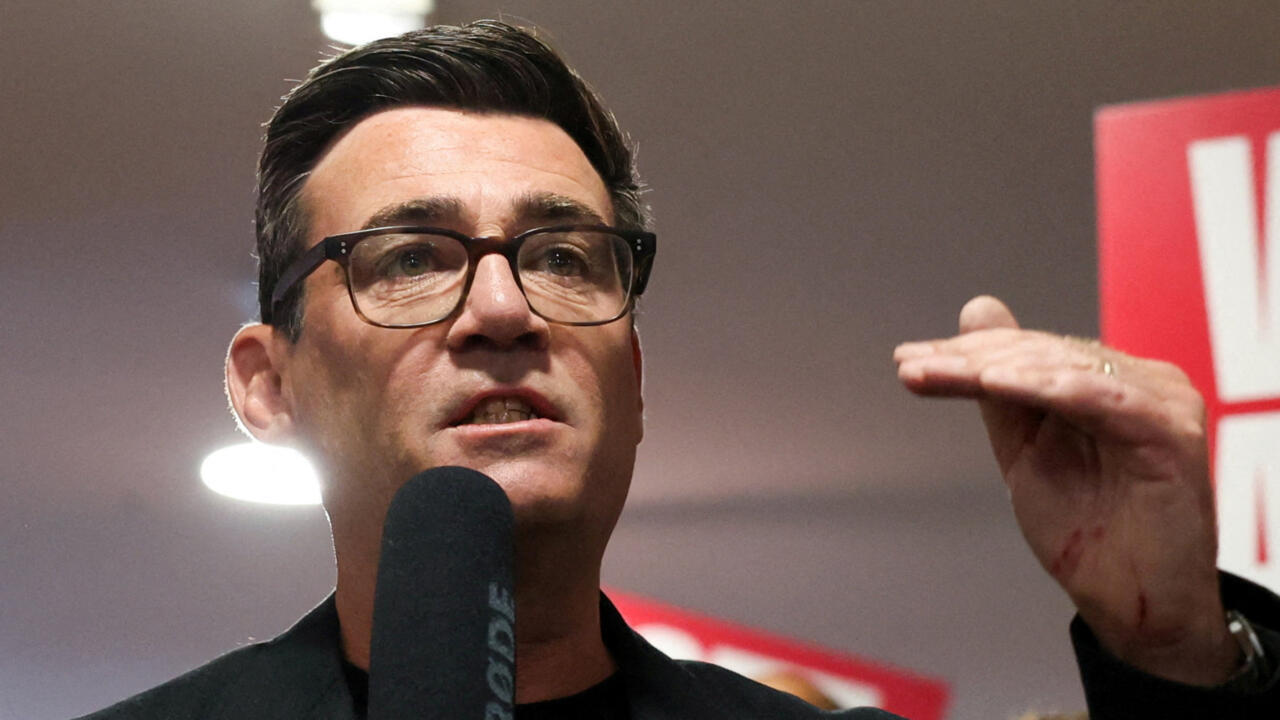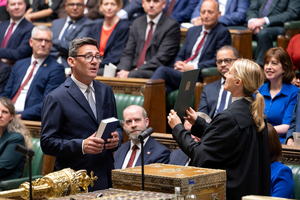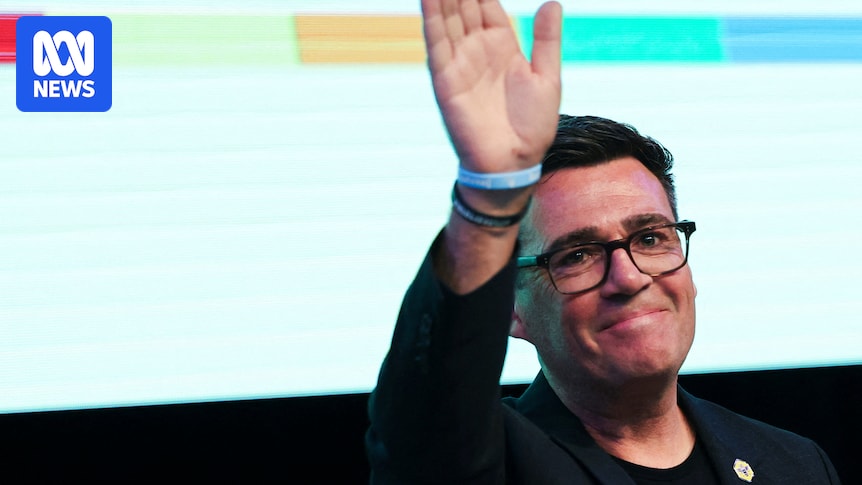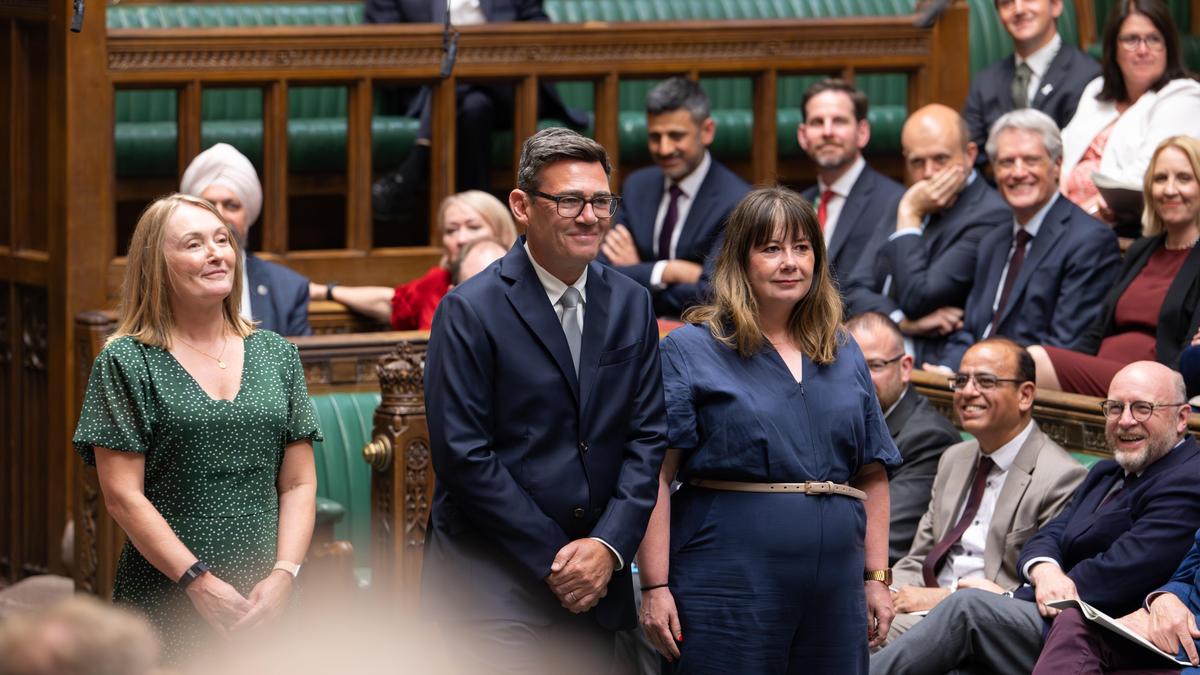
On June 22, Keir Starmer stepped down as the U.K.’s Prime Minister via a teary speech in front of 10 Downing Street, only two years into his term. Elected in a landslide election in 2024, he leaves office with the worst poll rates, having lost the confidence of not only the public but also his own party.On the same day, in Westminster, Andy Burnham was sworn in as the new MP of Makerfield, a seat which he won on June 18 via a highly contested by-election, amid cheers from his fellow Labour MPs. By taking his oath in Parliament, he is now being seen as the most likely successor to Mr. Starmer as both Labour Party leader and the U.K’s new Prime Minister.If elected by Labour to lead, Mr. Burnham will be the United Kingdom’s seventh Prime Minister in 10 years. He will also be the U.K’s first life-long Catholic Prime Minister.Andy Burnham has had a long history with Westminster. Starting out as a researcher to an MP when Tony Blair first came to power in 1997, he climbed through the ranks and got elected as MP for the first time from his home town of Leigh in Greater Manchester in 2001. He served as a junior Health minister under Mr. Blair in his second Prime Ministership, and was later, under Prime Minister Gordon Brown, Secretary of State for Culture, Media and Sport and further Health Secretary.Having served under multiple Prime Ministers and being one of the most senior members of the Labour Party, Mr. Burnham had previously run for Labour Party leadership twice, once in 2010 and later in 2015. He failed both times, with the second time to Jeremy Corbyn who has since been expelled from the party.The provincial shiftIn 2017, Mr. Burnham made a curious shift in his political journey — the decision to run for Mayor from the Greater Manchester region, which lies towards the north of the country. Politics in the U.K has always been very London-centric, with the general logic being that one had to stay in Parliament for any sort of career progression and to make oneself heard.Mr. Burnham went against this logic, stating that governments were too focused on London and did not give any attention to northern regions, leaving the people on the outskirts abandoned. He has spoken on the “chasm between people and Westminster politics” and has constantly attacked the “Metropolitan elites” for failing to connect with the people beyond London.His decision at the time caused much discussion, with many attributing it to his running away from the party due to his multiple losses. In an interview with The Guardian’s Carole Cadwalladr in 2016 on his decision to contest as Mayor in the northern region, he said, “This is somewhere where I know I can make a difference. Labour is losing its connection in the north. It needs a stronger northern voice.”He himself was born in northern England in a small village called Culcheth, which lies right outside the border of the Greater Manchester region. His father was a telephone engineer and his mother a receptionist.He would go on to win the Greater Manchester Mayorship in 2017 and again in 2021 with a bigger mandate than before.Mr. Burnham later attributed this shift to a decision which was in the making ever since he visited Liverpool during the 20th anniversary of the Hillsborough disaster of 1989. On April 15, 1989, at a football match at Hillsborough Stadium in Sheffield, South Yorkshire, almost 100 Liverpool fans were crushed to death due to a lack of crowd control measures and general lapses by the police. However, at the time, the police covered up their mistakes and put the blame squarely on the shoulders of the victims, attributing it to “drunk Liverpool fans”.When Mr. Burnham visited the memorial, the anger at the injustice meted out to the victims and their families was palpable. The crowd heckled and chanted “Justice for the 96” throughout Mr. Burnham’s speech. Post the memorial, Mr. Burnham, who was then Minister of Sport, convinced the Brown government to reopen an enquiry into the Hillsborough disaster, which then found evidence of police cover-ups and lies. It was one of Mr. Burnham’s early political victories and his first connection with the northern region as a statesman.He himself is a huge football enthusiast, being a fan of Everton, Liverpool’s oldest football club.As Mayor, Mr. Burnham brought in various changes in the Greater Manchester region, which is now one of the fastest-growing city regions in the U.K. He stands out for two of his main achievements — one was the decentralisation of bus services, where he brought local public transport back under the local government, and the second was his fight against Westminster for the lack of support to the region during the COVID-19 pandemic.During the pandemic, in 2020, the then Boris Johnson-led government imposed extremely strict lockdown rules on the northern region, stating that cases were rising there. Mr. Burnham was extremely critical of London’s high-handedness in treating the region unfairly and said that the financial support being offered was not enough to combat the loss of income the region’s small businesses would face. His constant defence of the northern province and negotiations for higher financial support during the pandemic earned him the moniker “King of the North” after a character from the popular TV show, Game of Thrones.Policy and geopoliticsMr. Burnham’s stance on major policies has been pragmatic and one which changes with time, or as his critics call it, one which wavers and is dependent on who is in power. While during the Brexit referendum, he, along with major Labour party leaders, campaigned to remain in the EU, post Brexit, he has often played down his pro-European sentiment, especially after moving north where the people had overwhelmingly voted to leave the EU.He had also voted for the Iraq war during his time in Parliament in 2003, which he later said in 2013 was the “worst foreign policy mistake in my lifetime.” Regarding the recent wars and conflicts in West Asia, Mr. Burnham was one of the first people to call for a ceasefire after the Hamas attack on Israel on October 7, 2023. However, he has stopped short of calling Israel’s actions in Gaza a genocide.As Prime Minister, he will be up against a strong opposition in Nigel Farage’s far-right Reform U.K. party, which also has a stronghold in the northern regions due to its anti-immigrant rhetoric. Mr. Burnham has taken a diplomatic approach with respect to immigration, arguing for bringing down asylum applications, reducing net immigration and at the same time, also talking about the positive impact of immigration in the U.K. He has said that we need to be “in control” of the system while also dealing with such issues with compassion.JL Partners, a polling consultancy, has said that while under Keir Starmer, Reform was leading in expectations of victory by 18 points, under Andy Burnham, Labour leads by 2 points over Reform.Mr. Burnham also has to deal with the all-encompassing problem of the U.K’s stagnating economy; his plan for steering the country out of its high-debt and low-growth economic model has not been made clear. His leadership will most prominently be judged on how he can lead the country out of its current economic rut.While he enjoys popularity within the Labour party, some former Labour MPs such as Zarah Sulthana have been extremely critical of Mr. Burnham, calling him “more of the same” in line with the incumbent Mr. Starmer. It remains to be seen how Mr. Burnham will lead the party and the country out of its crisis of leadership and stagnancy.
Andy Burnham: The King in the North
Andy Burnham rises as a potential successor to Keir Starmer, aiming to lead Labour and the UK amidst political turmoil.
1,275 words~6 min read