The request that kicked this off was simple enough: the developers wanted an AI coding assistant in their editors. The constraints were where it got interesting. No AWS credentials on laptops. No third-party SaaS that meant a data-handling review. And whoever set it up had to be able to answer "who spent what" when the bill showed up.
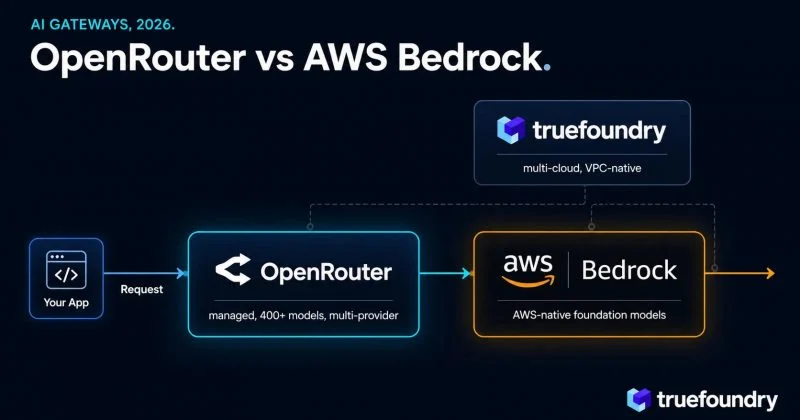
AWS Bedrock solved the backend question. The models are good, inference stays inside our account, and there's nothing to sign off on legally. The trouble is everything sitting in front of Bedrock.
Here's the mismatch. Bedrock has its own API and authenticates with AWS SigV4. The tools developers actually reach for — Continue.dev, Cursor, aider, a big chunk of the LangChain ecosystem — all speak the OpenAI API instead: POST /v1/chat/completions, an Authorization: Bearer header, done. So if you want your team using their preferred tools against Bedrock, something has to bridge those two worlds.
The naive bridge is to mint an IAM user per developer so their editor can sign requests. Don't do this. You'll have AWS credentials scattered across a dozen machines, no per-person attribution, and no way to throttle or cut off one person without going and editing IAM policies. I went a different way: a small gateway that speaks OpenAI on the front, Bedrock on the back, and owns auth, rate limiting, audit logging, and cost tracking in between.