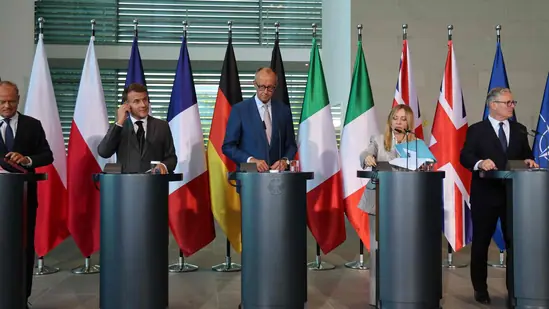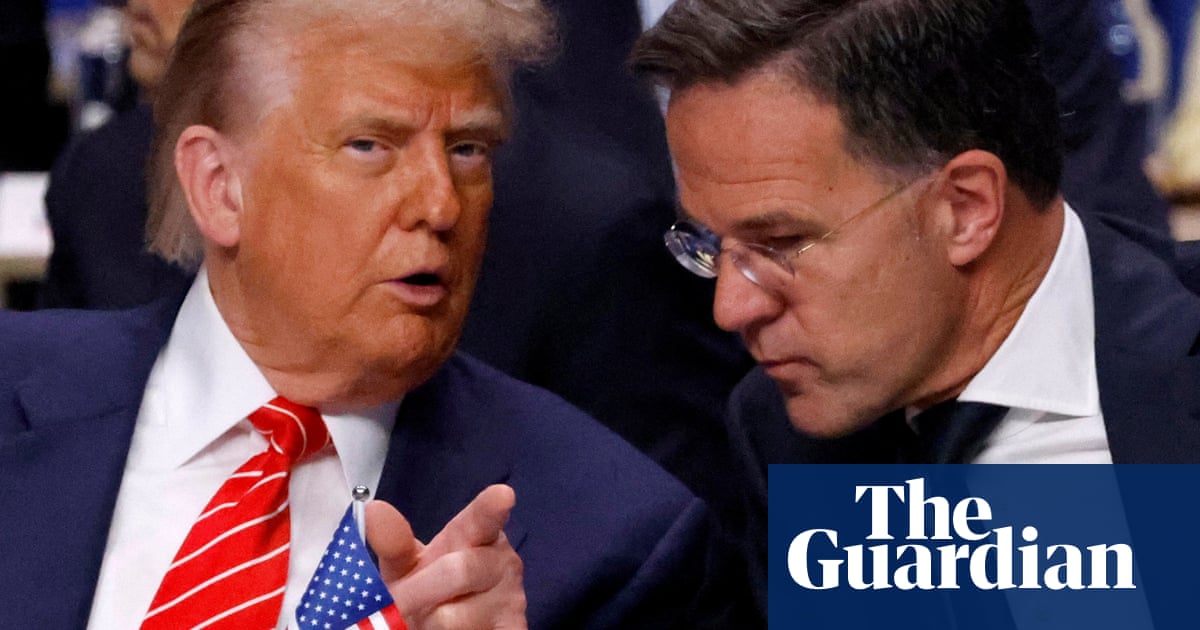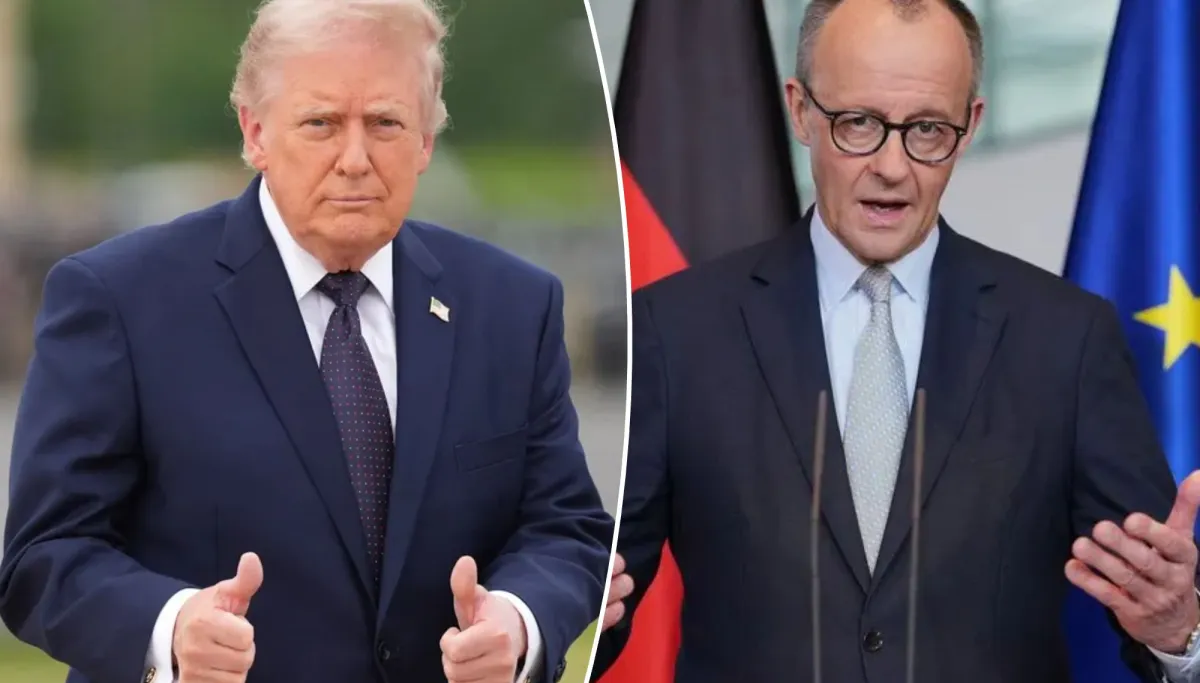
There is an annoying kind of dishonesty that passes, in elitist circles, for diplomacy. For at least three decades, European governments practiced it to perfection. They attended summits, issued public statements, committed themselves to targets they never intended to meet, and relied on the assumption that Washington would cover the gap between their stated goals and their actual decisions. What ended this status quo was not a policy shift but a linguistic shock. President Donald Trump said, in plain language, what NATO’s reports had been saying in bureaucratic prose for decades: Europe was not paying its way. The substance was not new. The language was: blunt, undiplomatic, occasionally rude, and maddening. But consider what that language actually did: it made the unsayable, sayable.
This is not an endorsement of presidential discourtesy as a governing philosophy. The question is whether the European reckoning of costs and responsibilities of self-defense would have arrived through gentler means. The evidence of the preceding decades suggests not. Despite Americans pressing European allies to contribute more to their own defense, Europe has spent the post-Cold War era producing the same ritual after each crisis: an emergency summit (usually convened days after the crisis had already shifted), a declaration of unity, an action plan, a public statement binding everyone to everything, and then nothing. European governments felt entitled to cut defense budgets, confident that, as predicted by Francis Fukuyama, history had ended. When Robert Gates, in his 2011 speech “Reflections on the status and future of the transatlantic alliance,” warned that NATO may face a “dim, if not a dismal future” if European members continued to free ride on defense budgets, the speech was received politely and ignored almost entirely. Gates was not rude enough. His warning came with too much diplomacy.