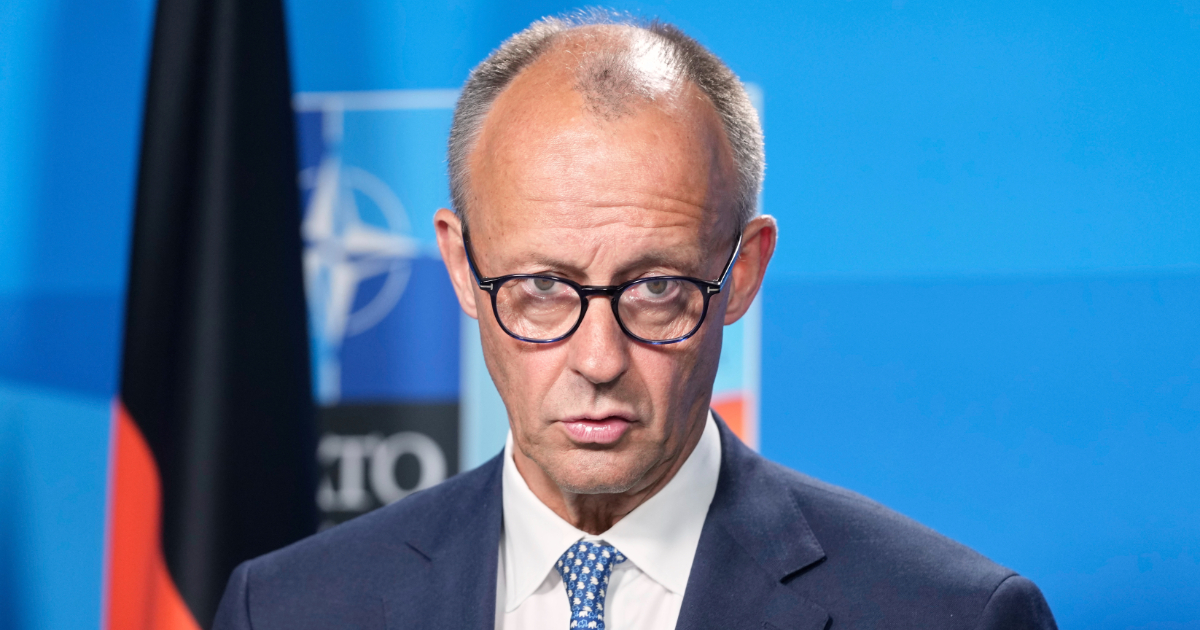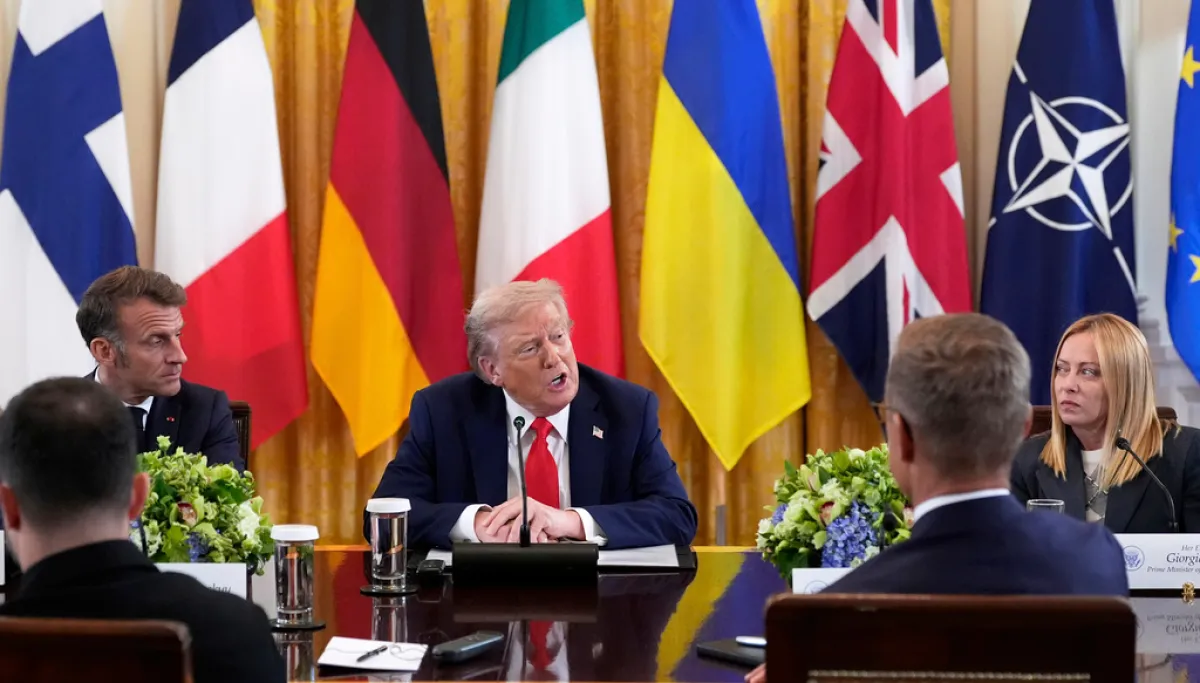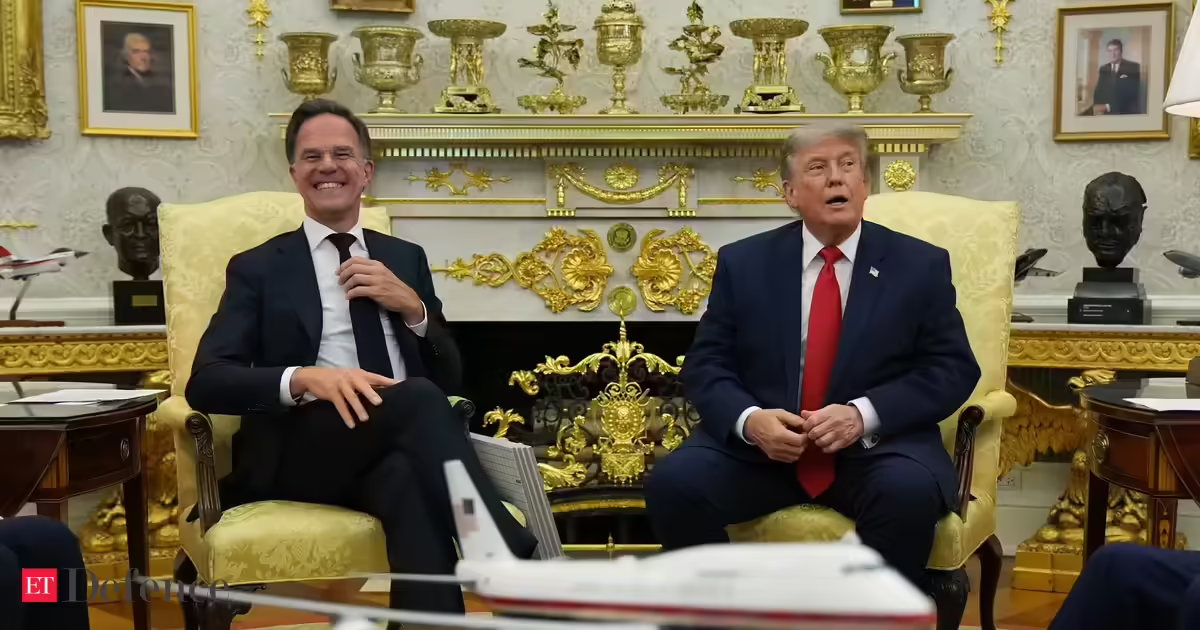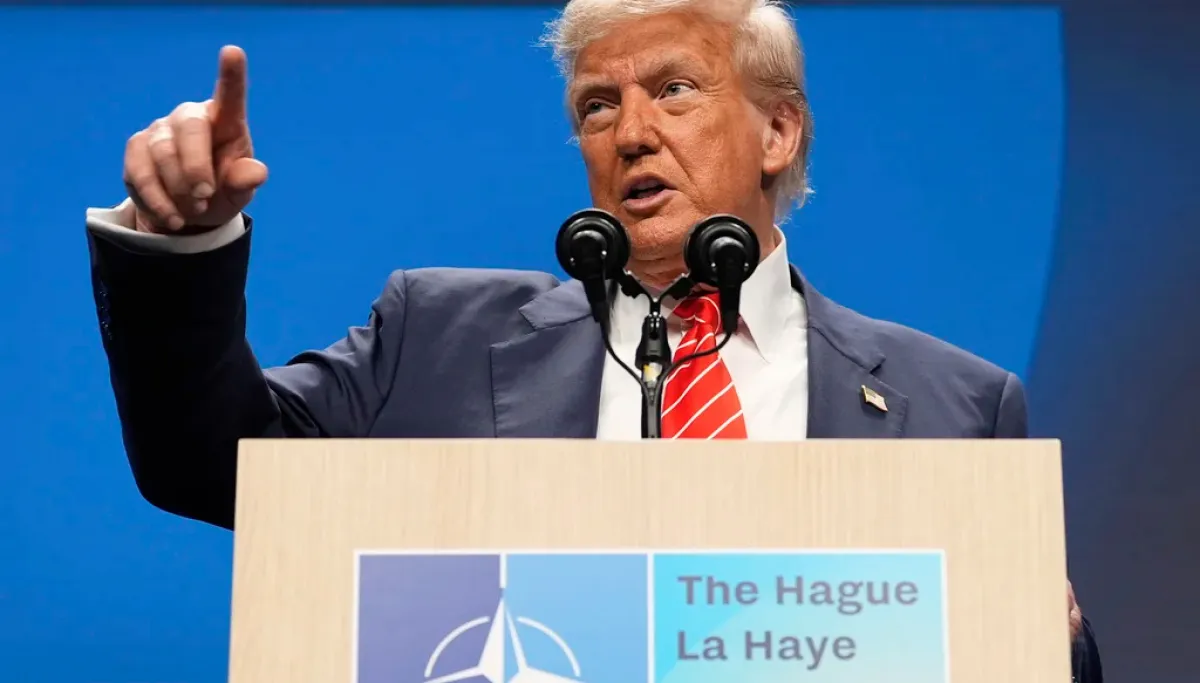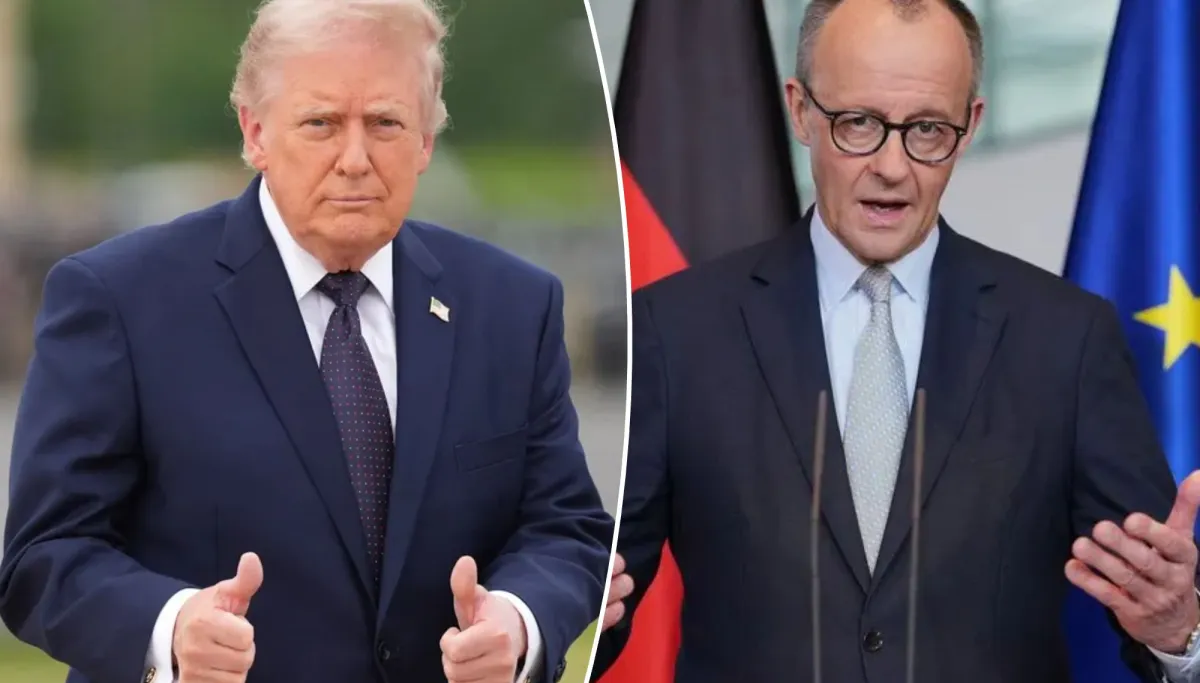
Ten years ago, President Donald Trump put Europe on notice, telling them the status quo on defense spending was unsustainable — and that America would not continue to shoulder the cost of keeping the European Union safe. Trump was right, but leaders like German Chancellor Olaf Scholz did not want to listen.Only after Russia’s 2022 invasion of Ukraine did they realize their mistake. Fast forward to 2026, and Scholz’s successor, Friedrich Merz, now aspires to command Europe’s largest army.It’s a significant acknowledgment that shows Trump was right. Now it’s time for a similar reckoning in another area where the United States has long subsidized Europe: biomedical research and development that underpins breakthrough advances for life-saving therapies.
US TROOP MOVEMENTS IN EUROPE NOT ‘PUNITIVE,’ RUBIO SAYS AFTER POLAND REVERSAL
For decades, Germany and other wealthy European countries have maintained strict government controls on drug prices. Their citizens pay far less for many lifesaving medicines than Americans do — and are only able to because Americans are responsible for an outsize share of the costs of innovation.
The U.S. accounts for a massive, disproportionate share of pharmaceutical investment, innovation, and revenue. That revenue finances the risky and extraordinarily expensive process of developing new treatments for cancer, rare diseases, Alzheimer’s, and countless other conditions.