Monday 22 June 2026 2:16 pm
| Updated:
Monday 22 June 2026 2:26 pm
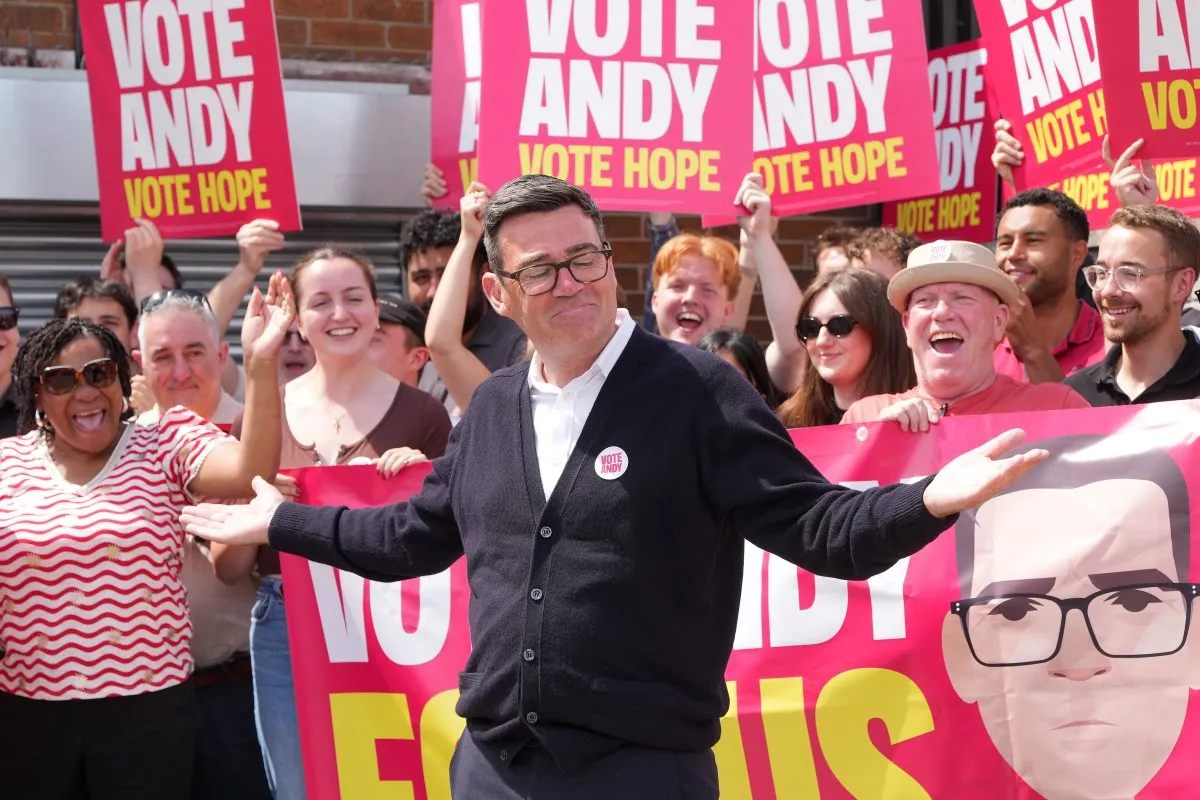
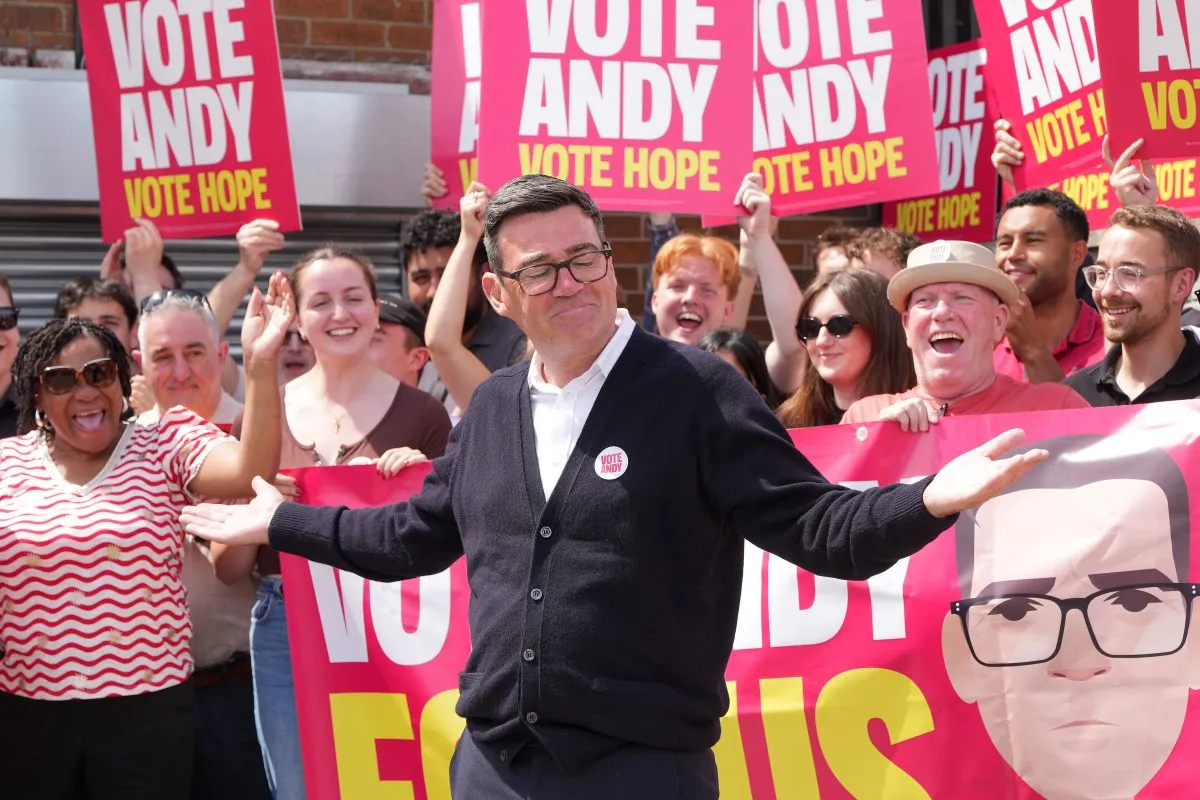
ASHTON IN MAKERFIELD, ENGLAND - JUNE 18: Greater Manchester Mayor and Labour Party candidate Andy Burnham greets supporters at the Labour campaign HQ at Stubshaw Cross Community and Sports Club on June 18, 2026 in Ashton-in-Makerfield, England. Local plumber and Councillor Robert Kenyon for Reform UK and Greater Manchester Mayor Andy Burnham for the Labour Party are the two main contesters in the Makerfield by-election being held today. (Photo by Christopher Furlong/Getty Images)
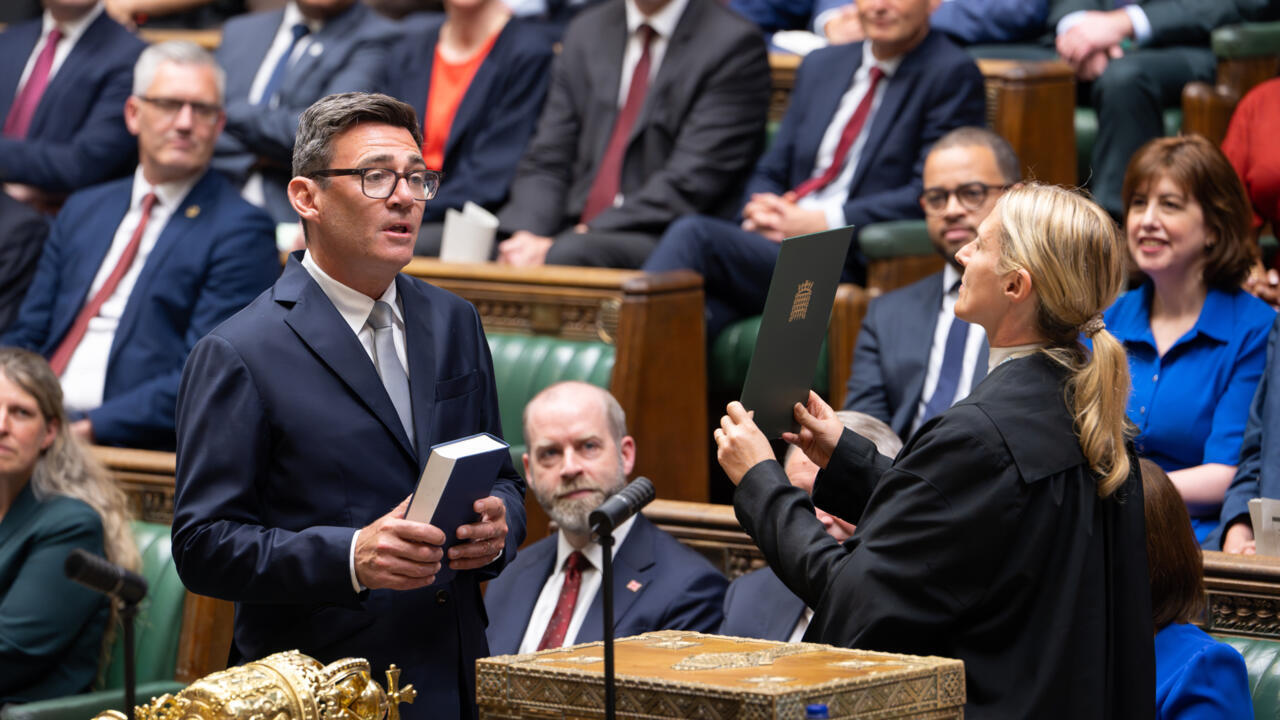
Nationalisation will simply have the Treasury assume private spending commitments with little knowledge of how to run these businesses, thereby increasing the burden on taxpayers, says Valentin BobocFor the first time in nine years, Andy Burnham is back in Westminster. With his eyes on the top job and a year rife with debate about the meaning of Manchesterism, the Common Wealth think tank published an economic manifesto in preparation for a potential Burnham premiership, finally attaching a more concrete programme to the phrase. The Productive State, by Mathew Lawrence of the Common Wealth think tank, proposes to “reverse” four decades of privatisation by taking utilities into public ownership through administration and standing up state competitors in energy and housing, beginning with water. The aims are to reduce bills and to control utility companies’ spending through a combination of administrative levers and public ownership, thus delivering better value for money. The key issue, as always, is that nationalisation will simply have the Treasury assume private spending commitments with little knowledge of how to run these businesses, thereby increasing the burden on taxpayers. The worst thing of all, and something that the report is very light on, is that the obstacles that utility firms face that prevent them from being profitable and improving their business models will not be removed by a change in ownership. Less successful utility companies currently carry some private debt to finance their daily operations. For instance, Thames Water carries around £20bn of borrowing. That type of debt doesn’t vanish when the state takes the keys. Even if we made the unrealistic assumption that the state could run a business as optimally as private actors, in that best-case scenario, nothing would change. Current private liabilities will be assumed by the taxpayer, who will bear both water charges and higher taxes. In the pamphlet’s own terminology, the ‘privatisation premium’ confuses a change of payer for a saving. The state has not retreated from the utilities sectorA more conceptual failing of the pamphlet is the idea that the state spent four decades retreating from the utilities sector. Britain spent decades constructing a capitalist command economy, in which firms remain in private hands but are directed, targeted and fined by ministers until the price mechanism barely functions, with a set of price caps and investment programmes decided by state regulators. The pamphlet somewhat concedes this point, admitting that state interference is more extensive than ever, but uses this as a secondary argument for owning what the state already controls. Nationalisation would come at the worst possible moment. The government now spends close to 45 per cent of national income, the longest sustained run of high spending since the Second World War, with the tax take at its highest since 1948. A state this large is a state of competing claims, among them the health service, defence, pensions, welfare and the interest on its own debt. The pamphlet promises that an arm’s-length public water company would be insulated from the scramble and funded for the long term, but experience says otherwise. The postwar nationalised industries were starved of capital whenever the Treasury was squeezed. When money is tight and will remain so until we get serious about fiscal consolidation, a reservoir is easier to delay than welfare payments, public sector pay rises or anything that appears to be ‘essential.’