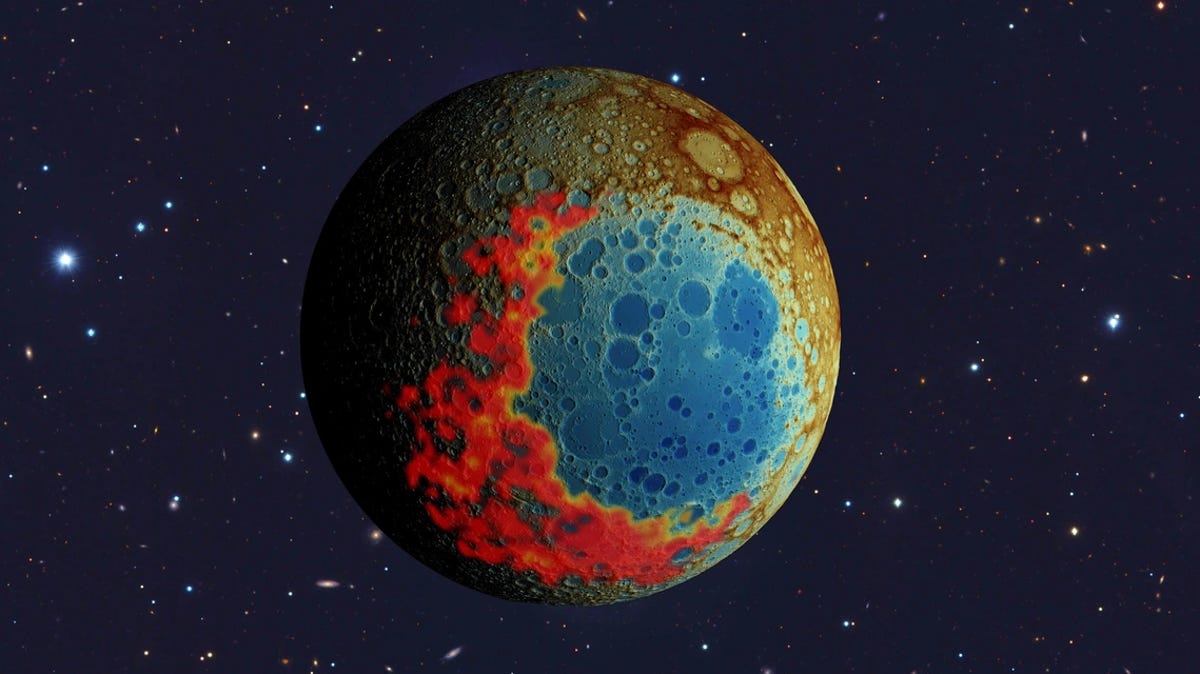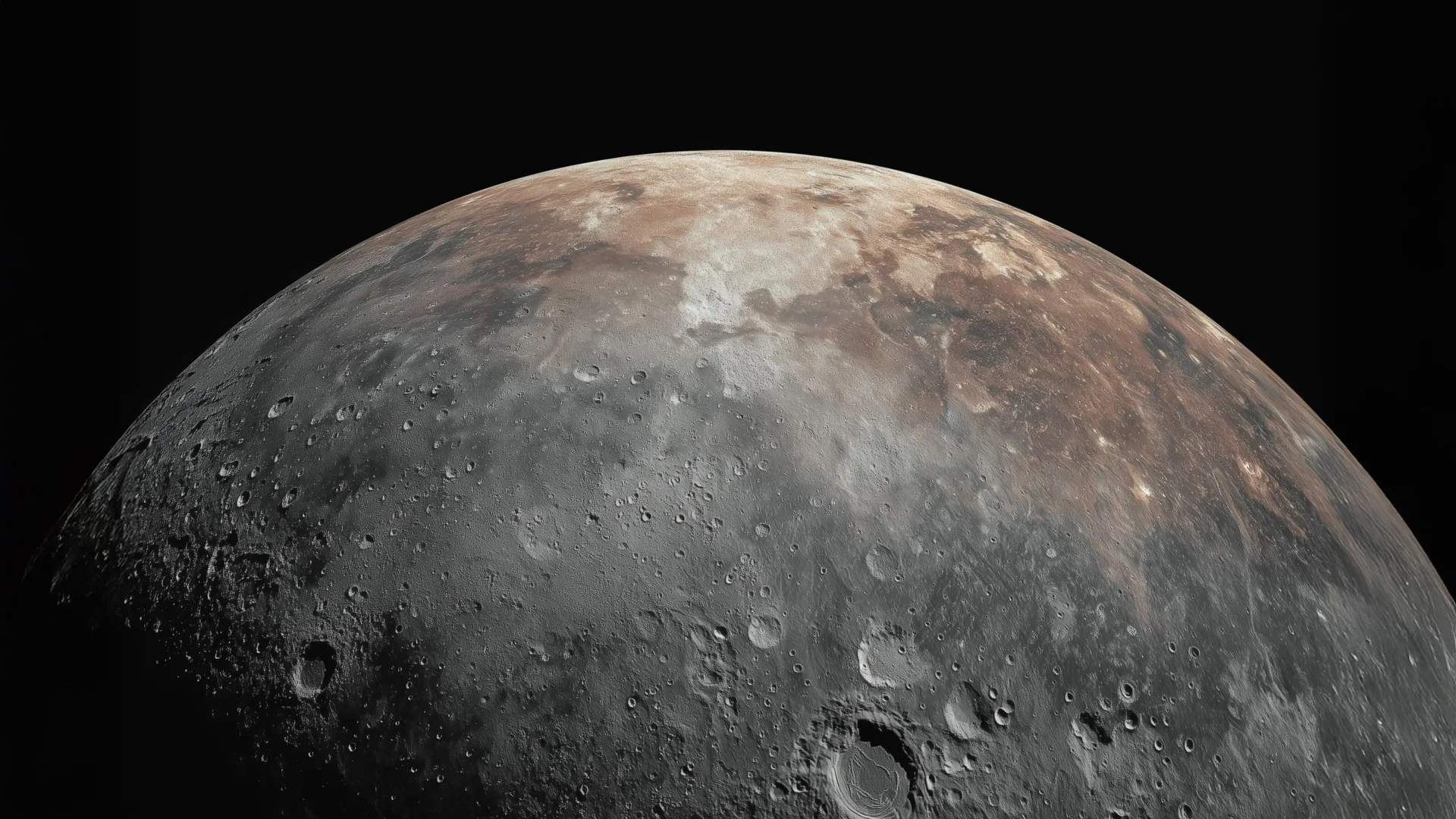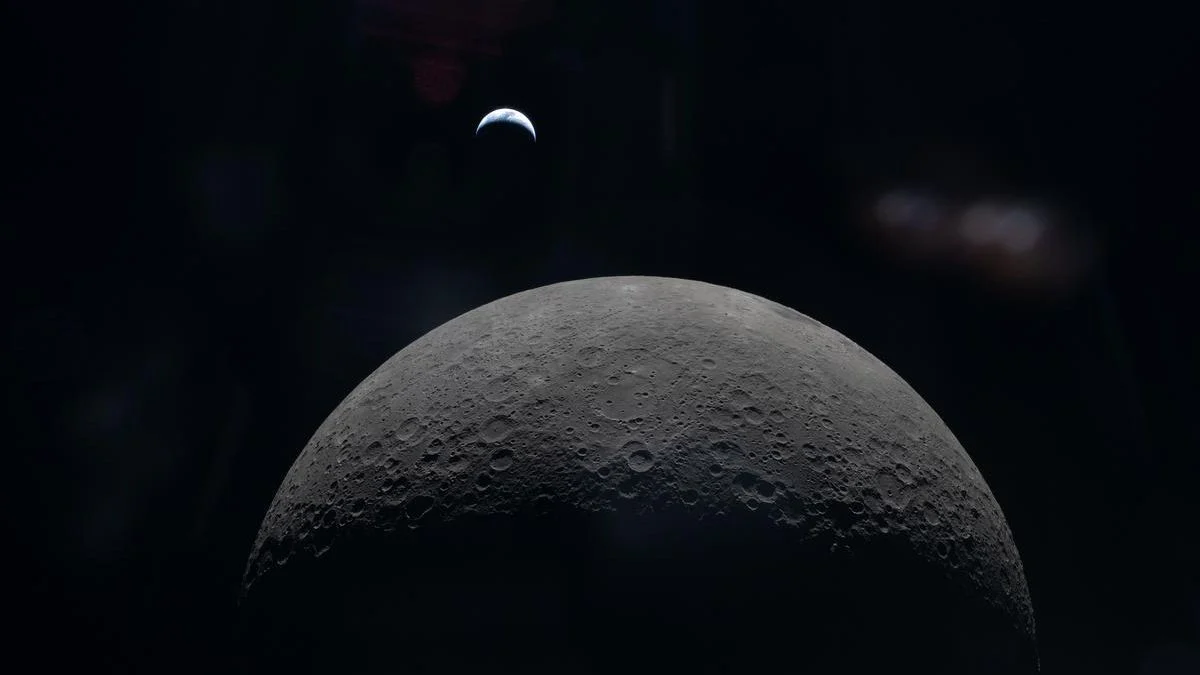
Scientists have gained new insight into the dramatic event that created the Moon's largest and oldest known impact crater, a discovery that could help future Artemis astronauts investigate some of the Moon's deepest secrets.
The findings come from two companion studies led in part by researchers from the Center for Lunar Origin and Evolution (CLOE), Southwest Research Institute's team within NASA's Solar System Exploration Research Virtual Institute. Together, the studies shed light on how the enormous South Pole-Aitken (SPA) basin formed and where valuable lunar material may be located today.
Exploring the Moon's Largest Impact Basin
The South Pole-Aitken (SPA) basin lies on the Moon's far side and ranks among the oldest preserved structures in the solar system. Because of its immense size and age, scientists view it as a unique record of the Moon's early history. Areas near the basin are also being considered for future NASA Artemis missions near the lunar south pole.
"The basin offers scientists a rare opportunity to study the Moon's earliest history," said Dr. William Bottke, director of CLOE and executive director of SwRI's Science Directorate in Boulder, Colorado. He is a co-author of the studies. "The collision struck the lunar surface with such force that it may have excavated material from deep inside the Moon, including portions of the lunar mantle."