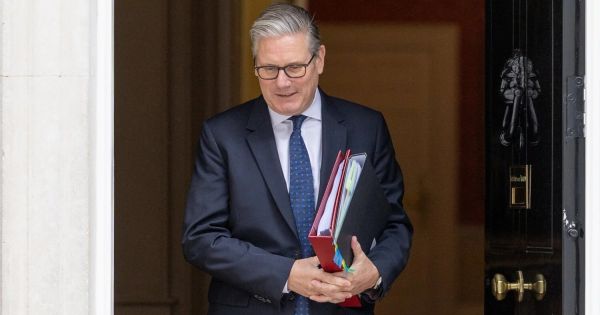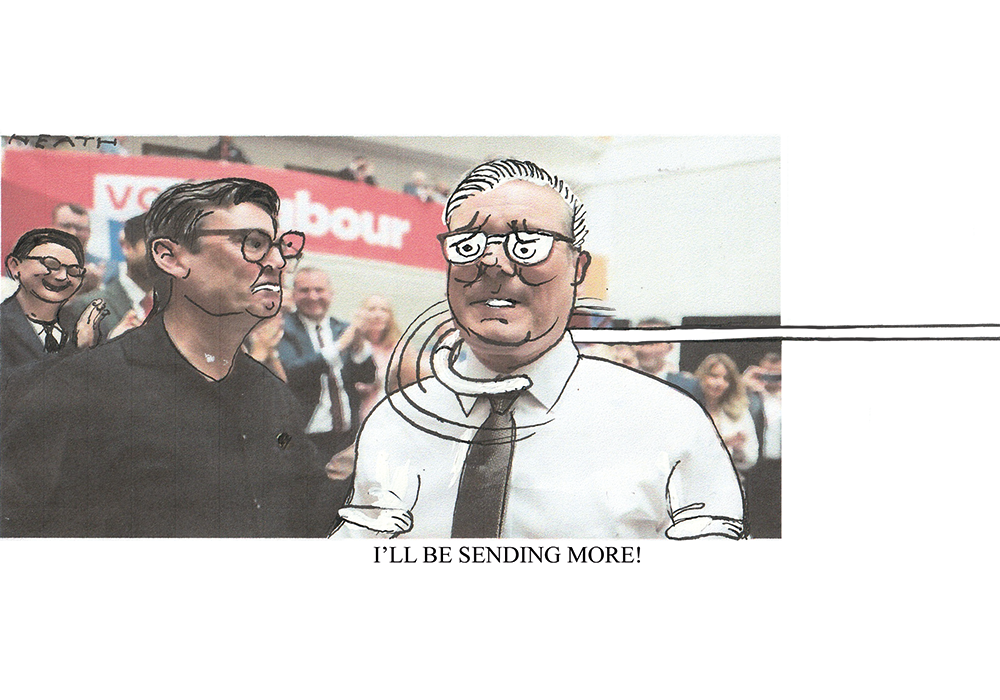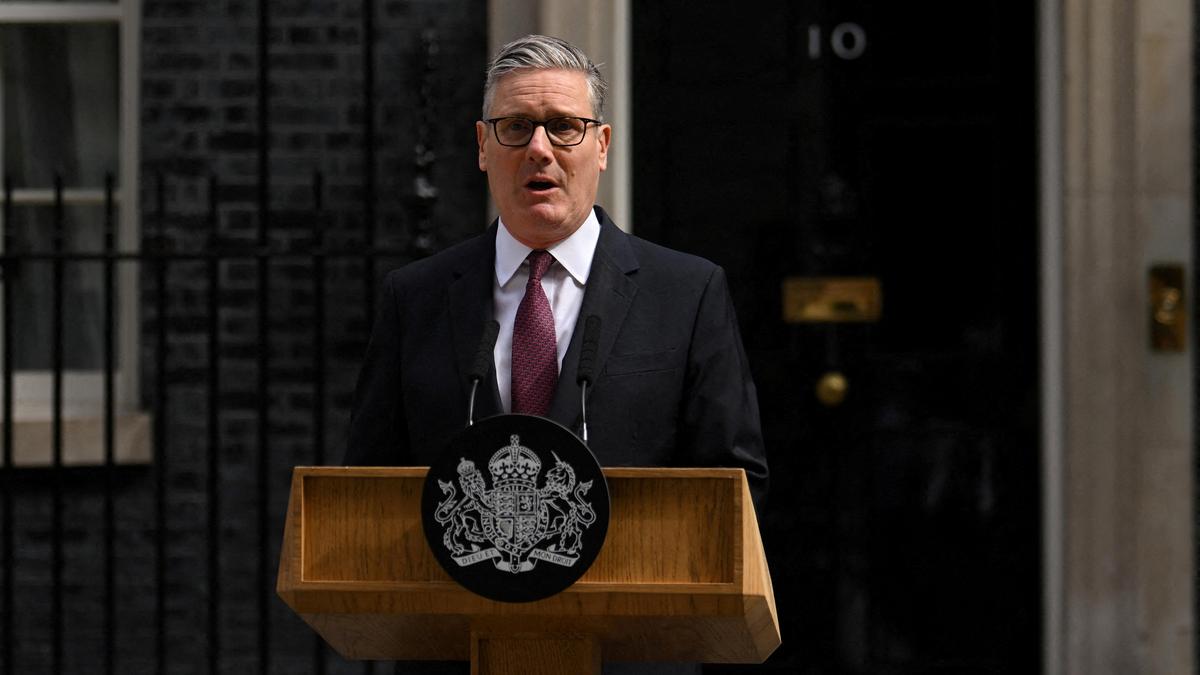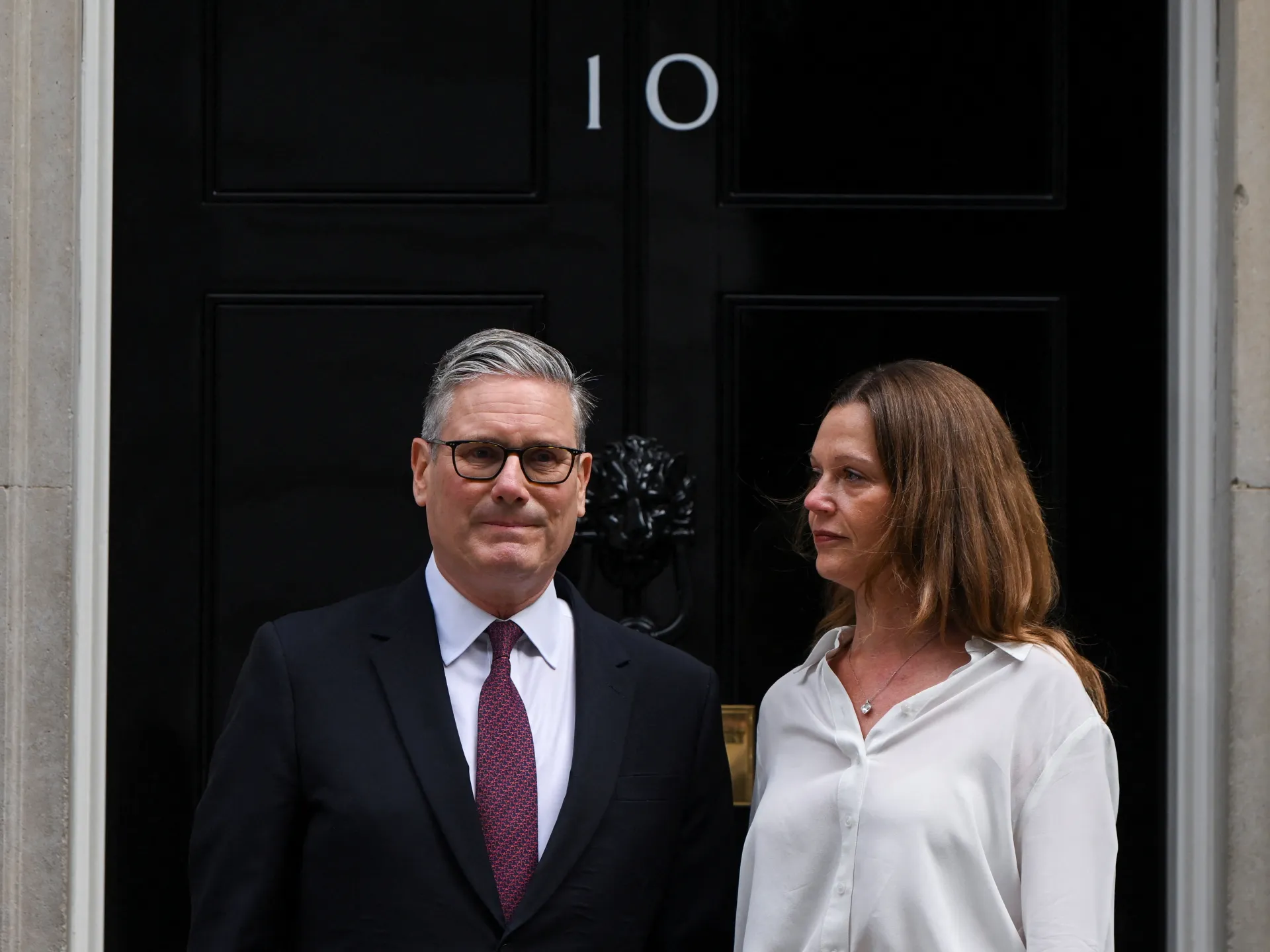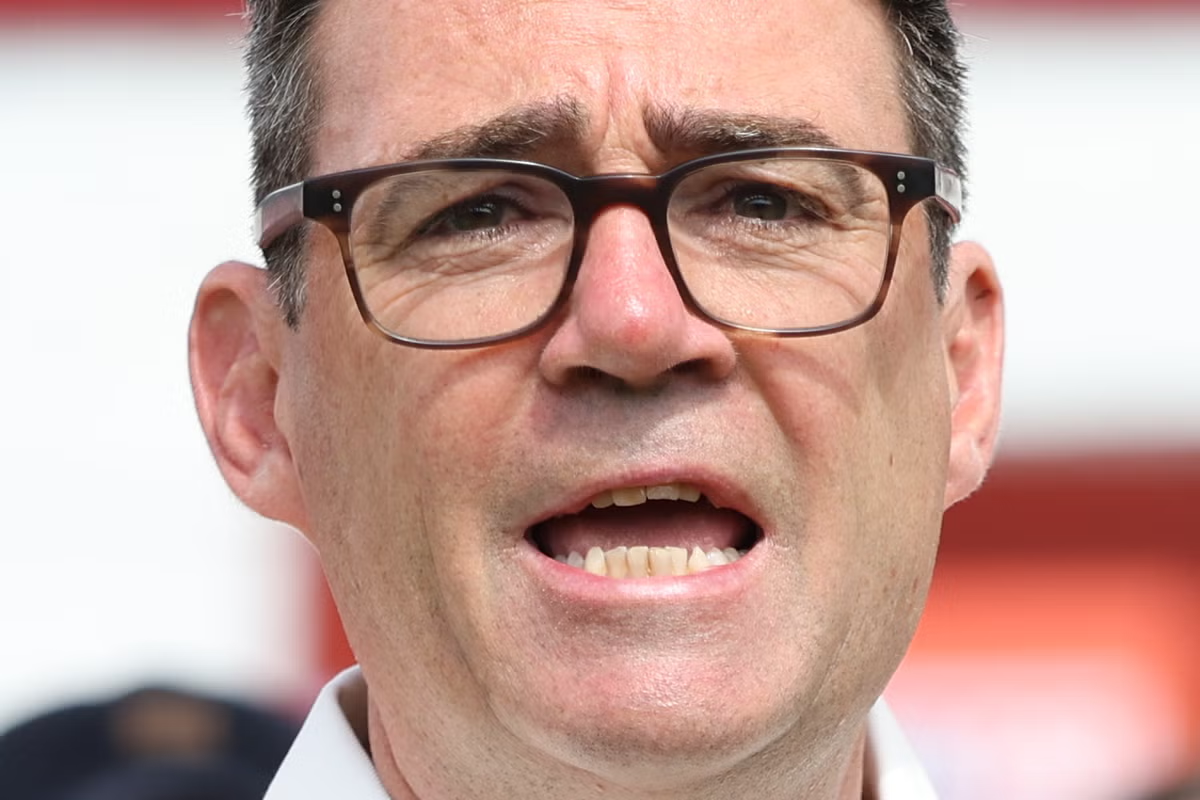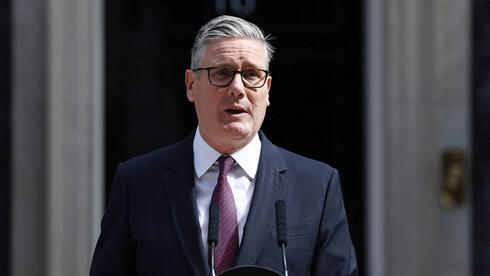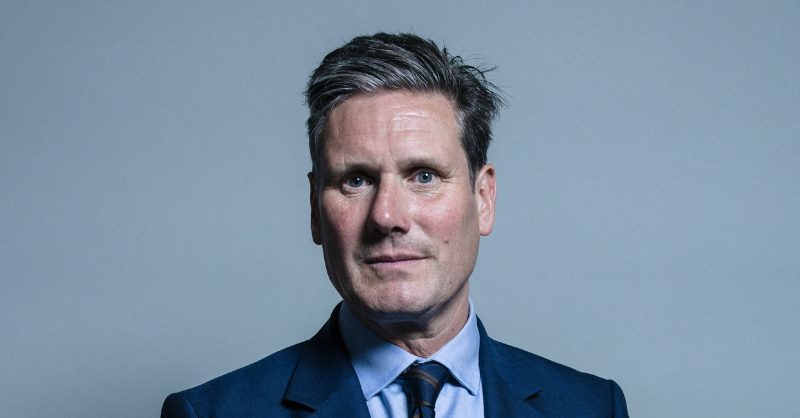
Keir Starmer stood outside Downing Street on the morning of June 22, 2026, and announced he would resign as Labour leader and prime minister. It had been coming for weeks: 20 ministerial resignations during his tenure, a catastrophic set of local election results in May, and the final pressure of Andy Burnham winning the Makerfield by-election and confirming he would seek the leadership.
Starmer accepted the answer “with good grace.” The UK tech industry had a less gracious response.
Tech Funding News spoke to founders, operators, and investors across the ecosystem about what a seventh prime minister in ten years means for British startups, venture capital, and the policy frameworks that the last government had finally started to build.
What came back was something more precise: a deep, practised frustration with the particular cost of political transition.
The most immediate concern is not who Burnham is, or what he stands for, or whether his economic platform is right for tech. It is what happens between now and September 1, the deadline Starmer himself set for a new Labour leader to be chosen.