It’s easy to forget that soccer is a difficult game. No sport is simple, of course, but soccer is the only major athletic contest where the players are forbidden from using their most effective anatomical tools: their hands. Consider the ease with which a basketball player catches a ball. Child’s play! There is no catching in soccer, unless you’re a goalkeeper; when the orb comes flying toward you, it must be “trapped” — the art of bringing it to a standstill with your feet or chest or thigh. The term captures the way a soccer ball is a wild animal forever resisting being locked in its cage, and belies the common understanding of football as a beautiful game, which implies elegance and refinement. Its true essence is awkwardness, a messy negotiation with a tumultuous universe while your hands are almost literally tied behind your back. The beauty comes from the control the player is able to exert over this chaos, much the way an artist enthralls his audience with the mastery he displays over his unruly material.
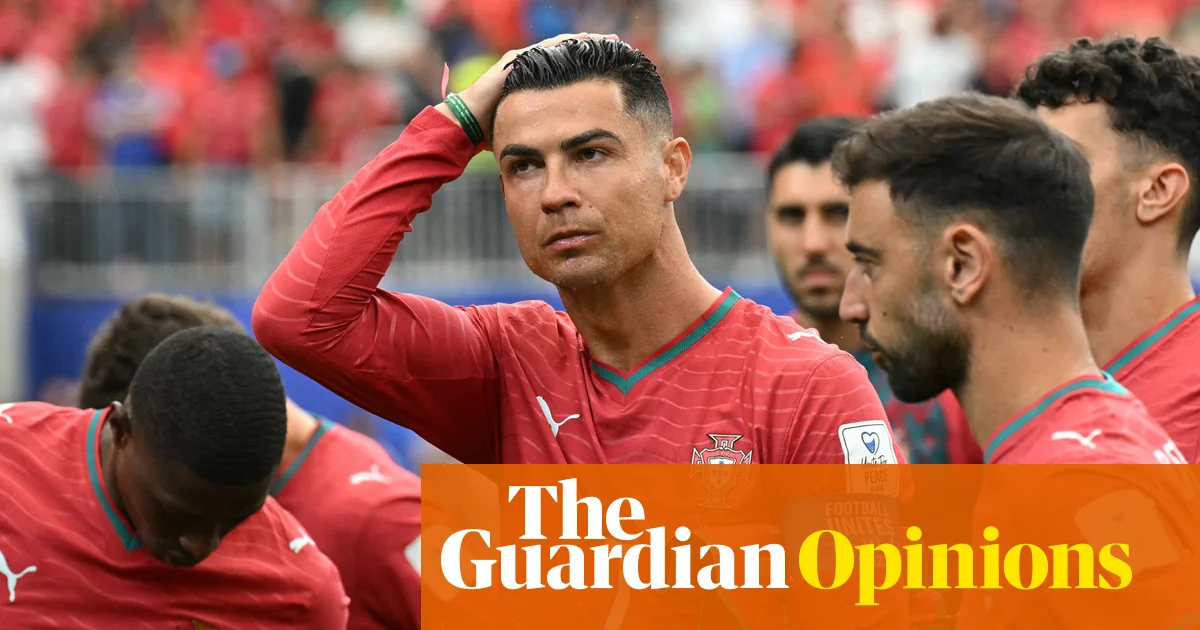
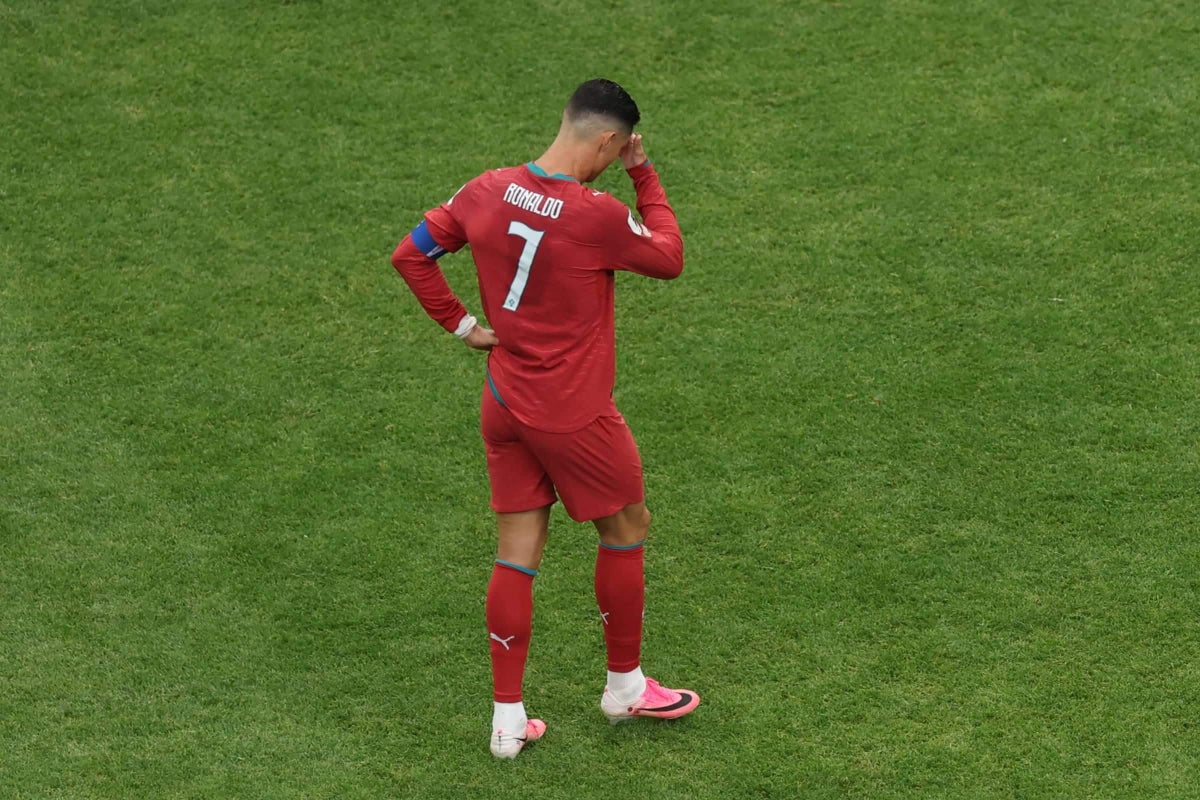
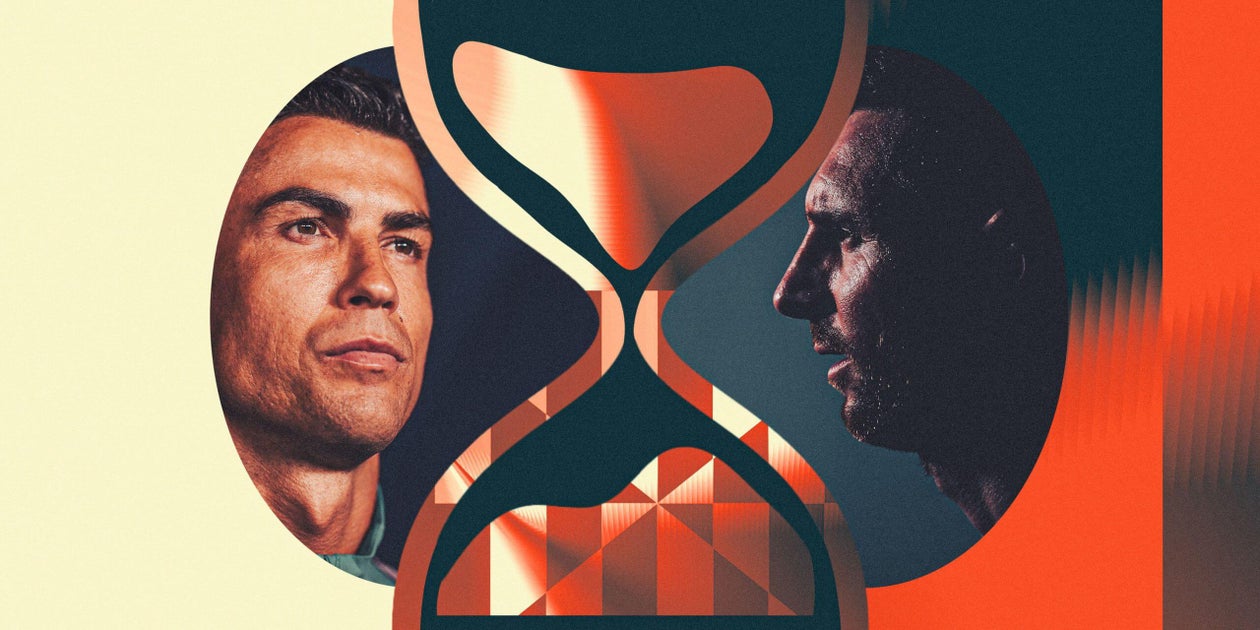
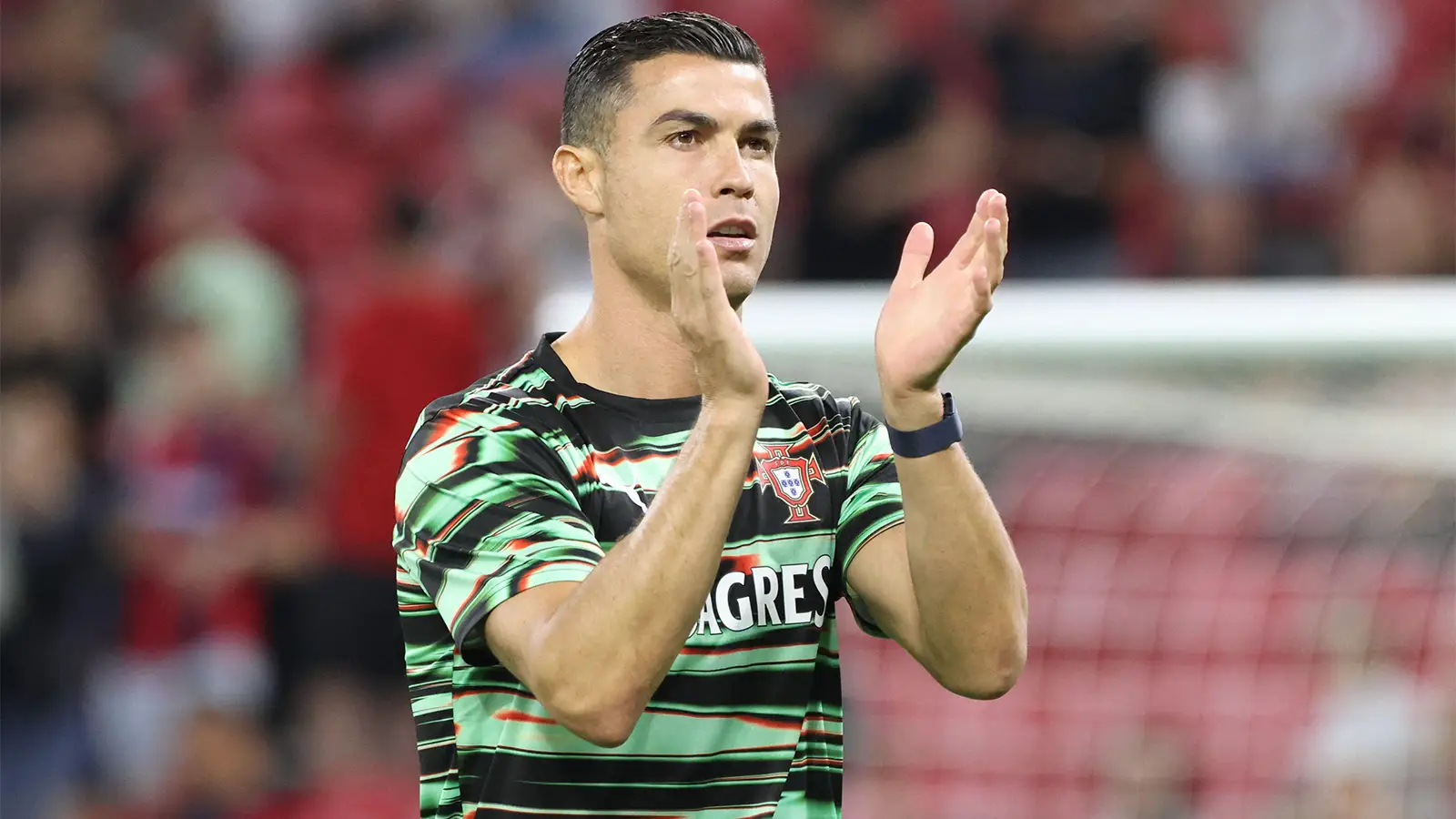
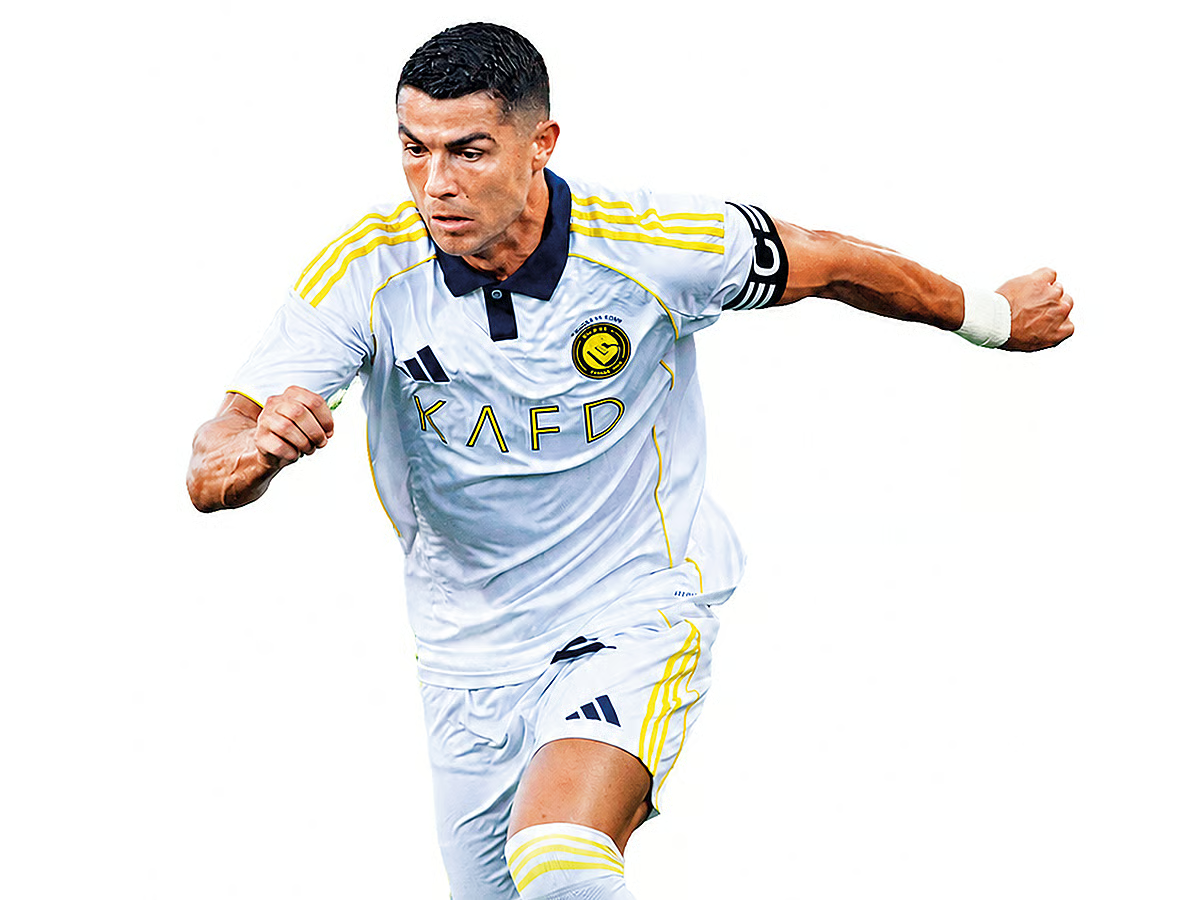
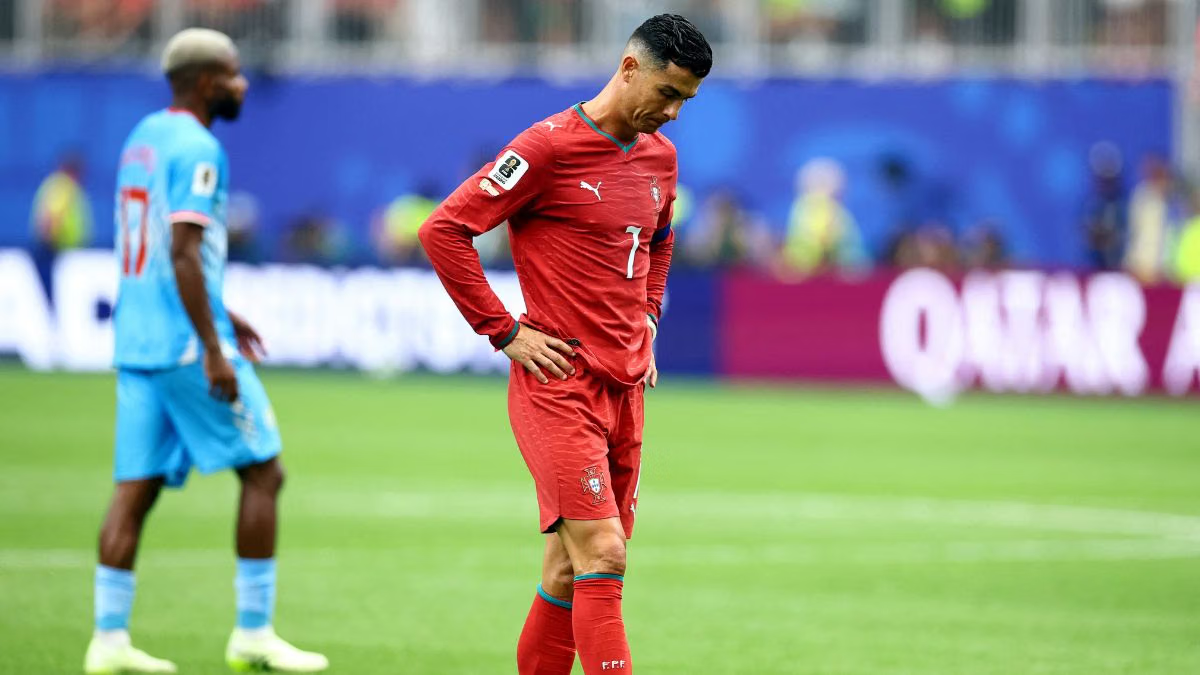
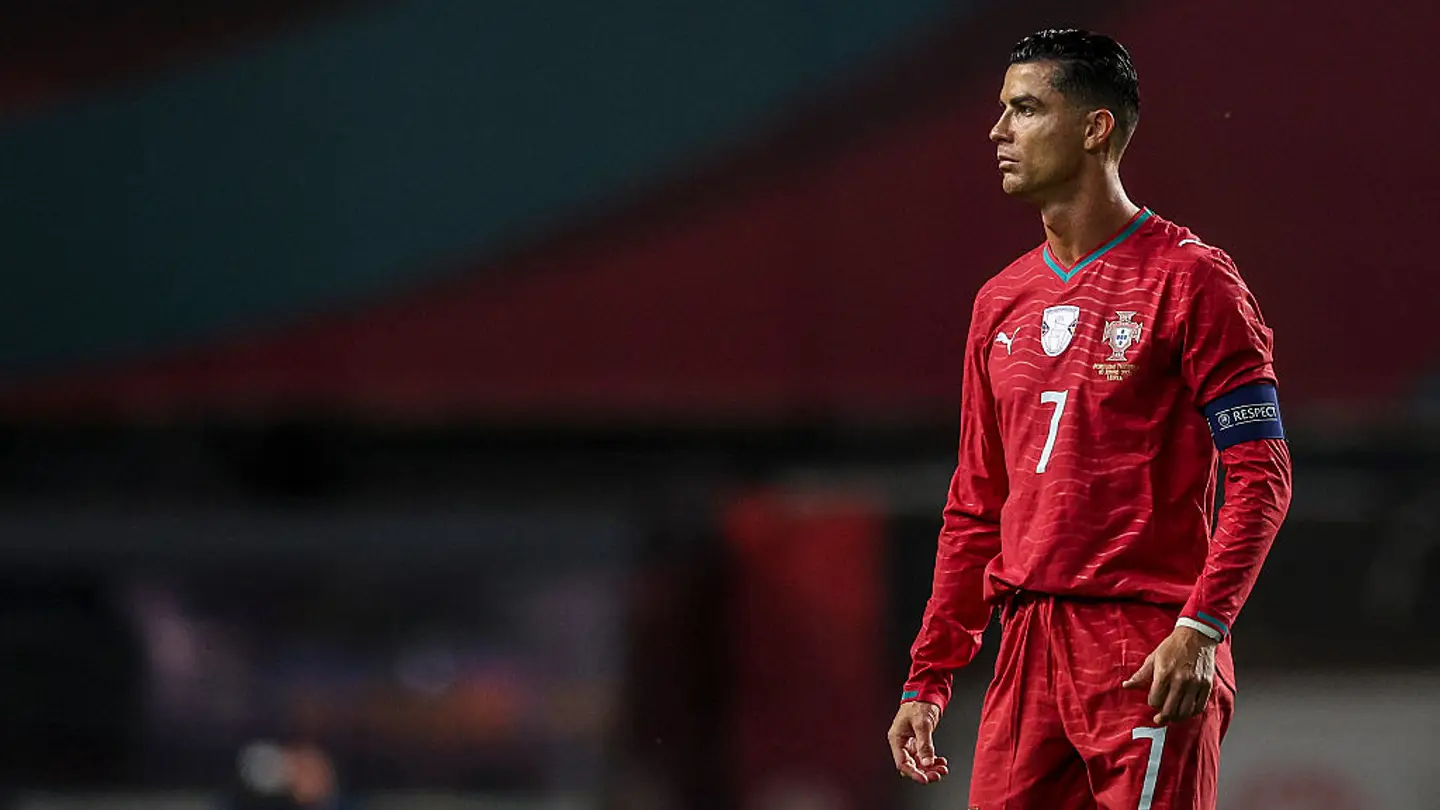
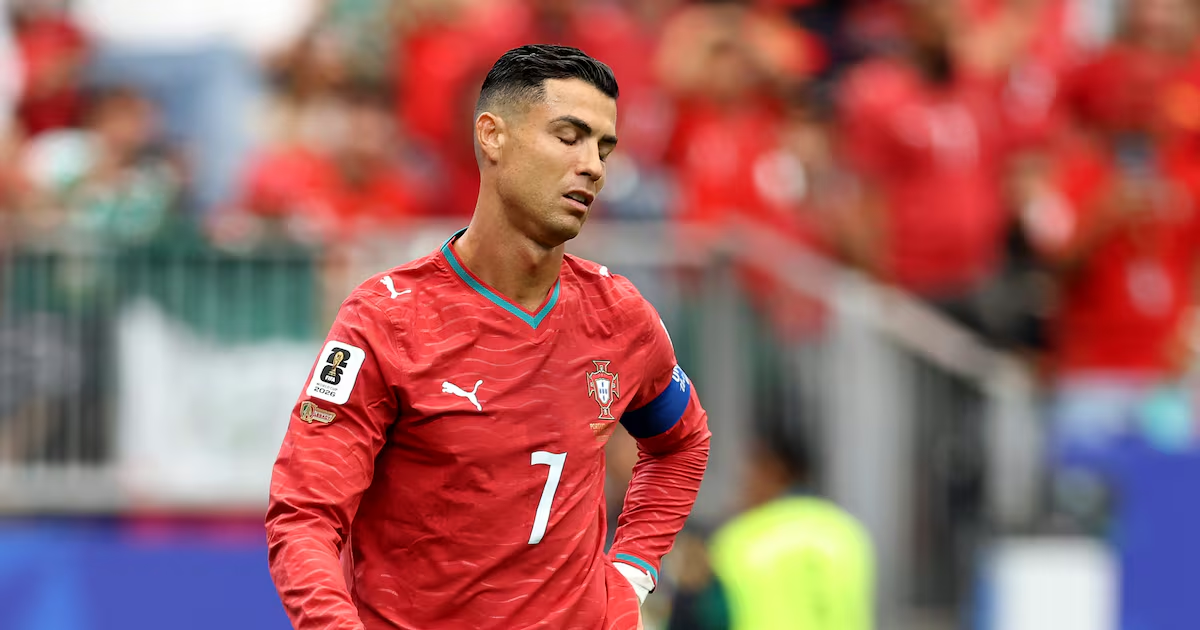
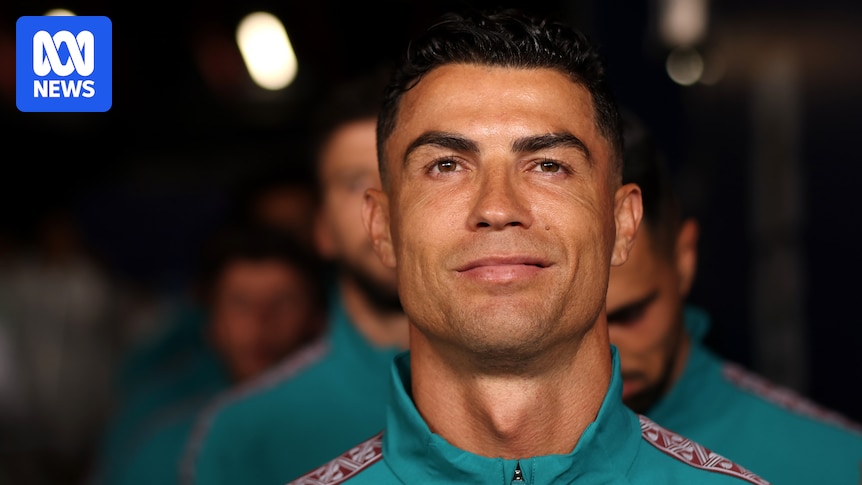
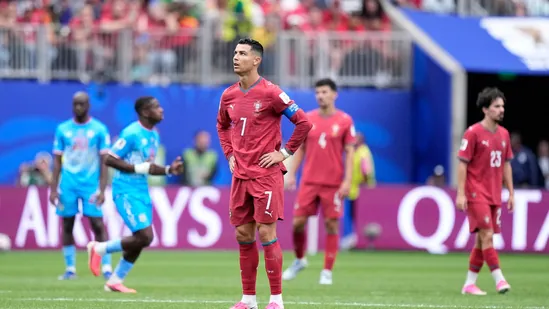
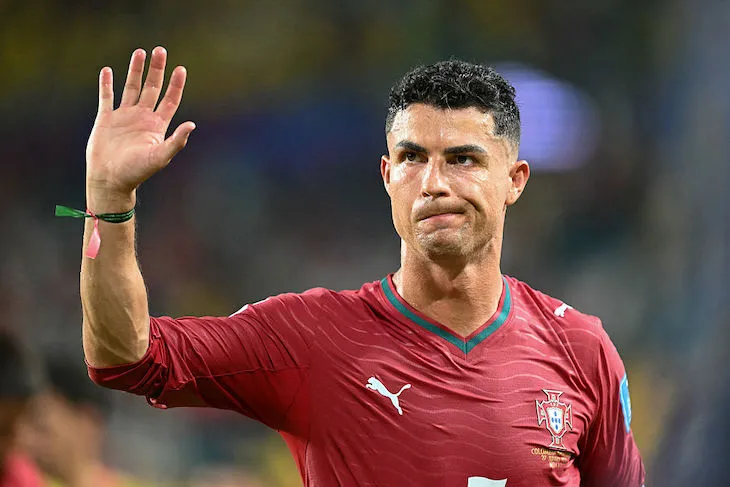
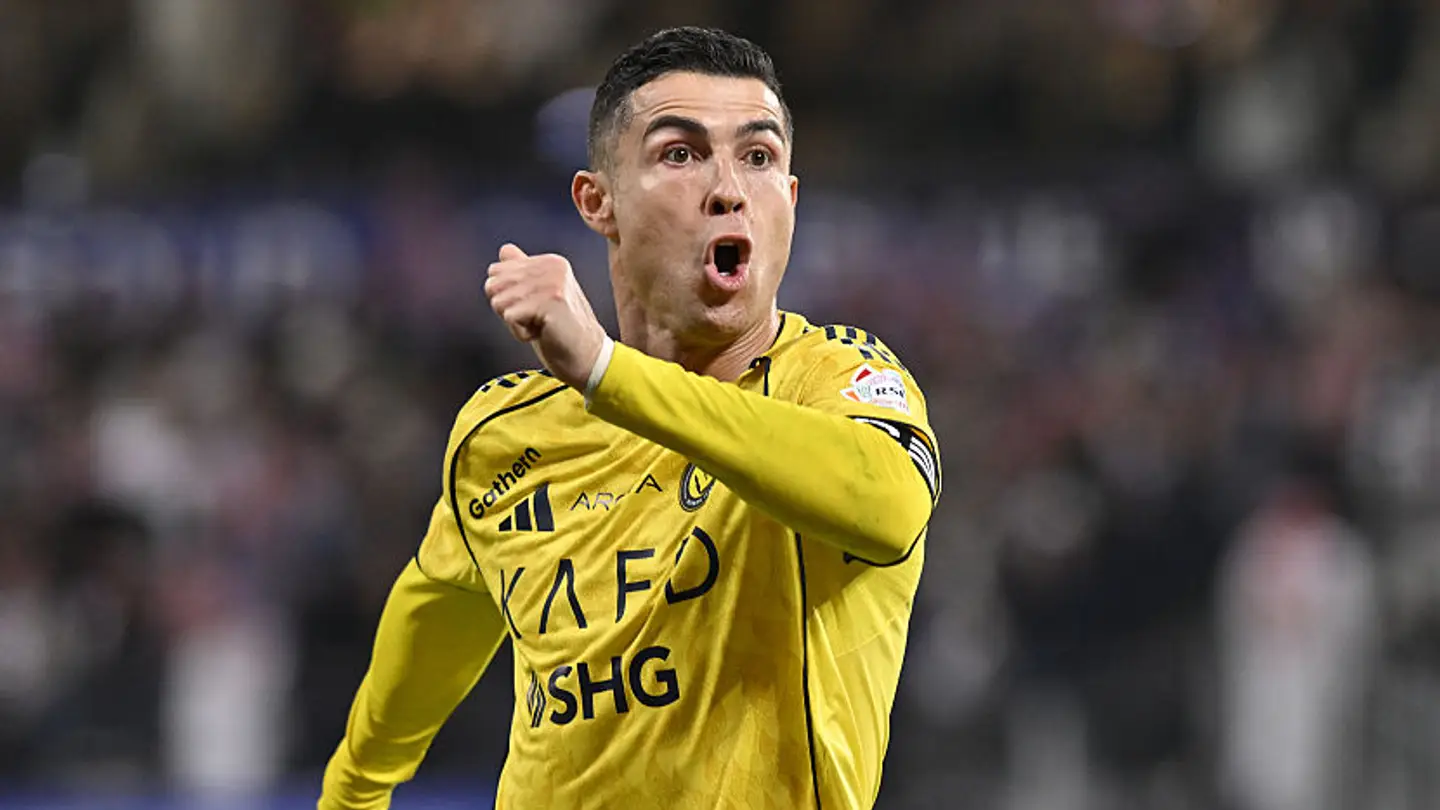
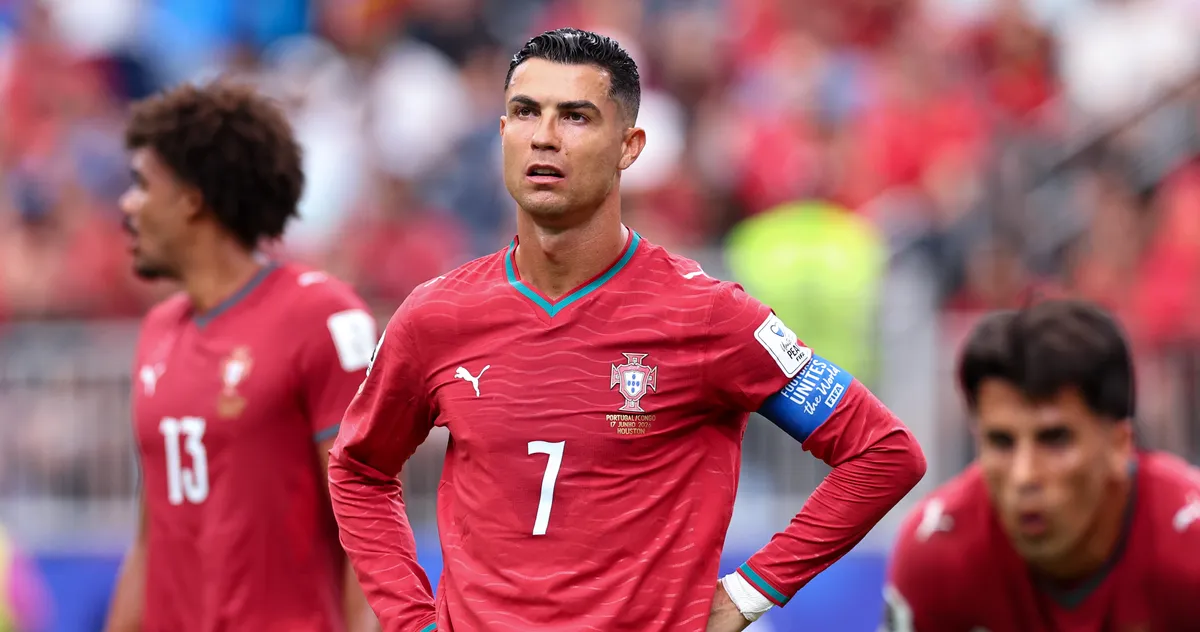
So what happens when you lose control? I realize this question has existential implications beyond merely losing control of a ball — losing control of your reputation, say, or your career or even your life. For Cristiano Ronaldo, the Portuguese icon playing in his sixth World Cup at the improbable age of 41, all those questions are hopelessly knotted together.