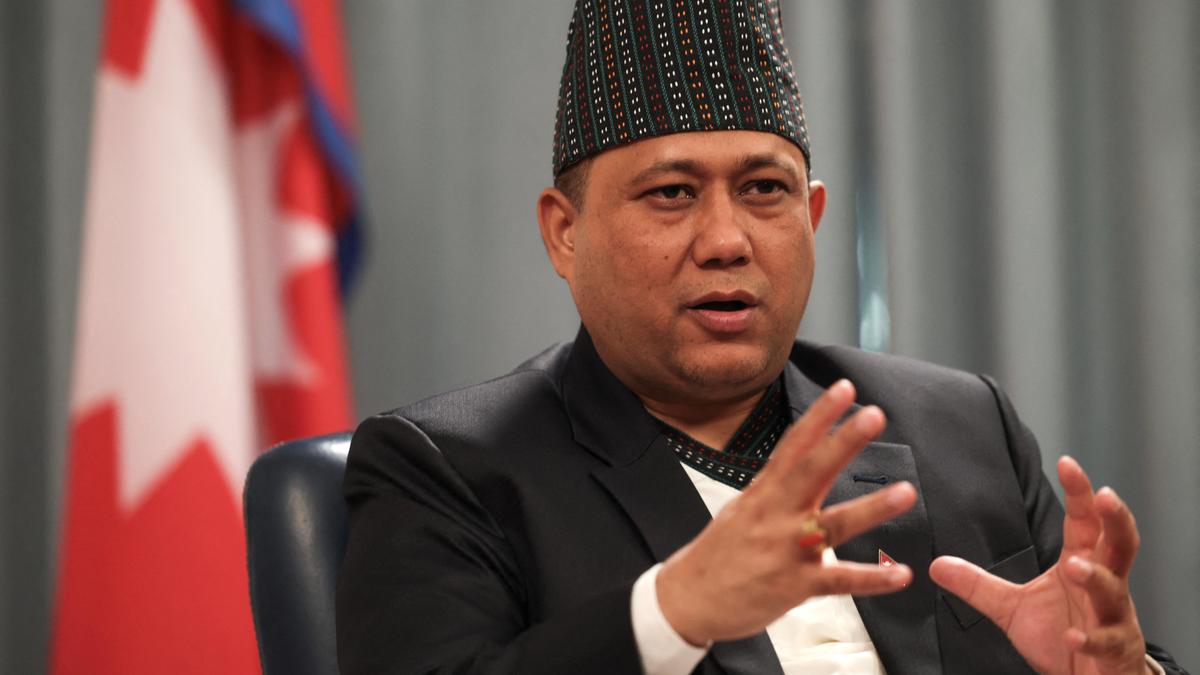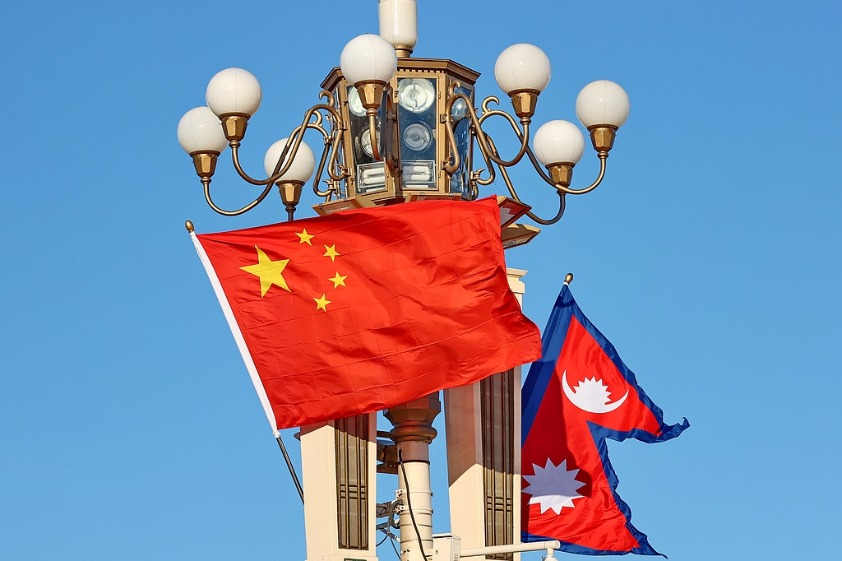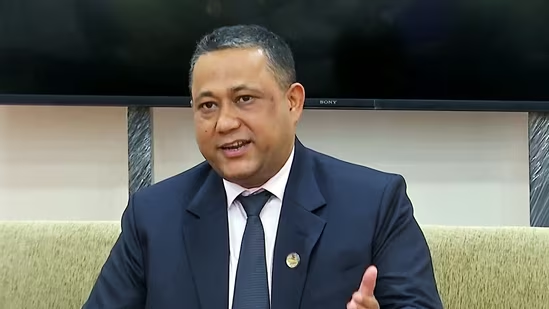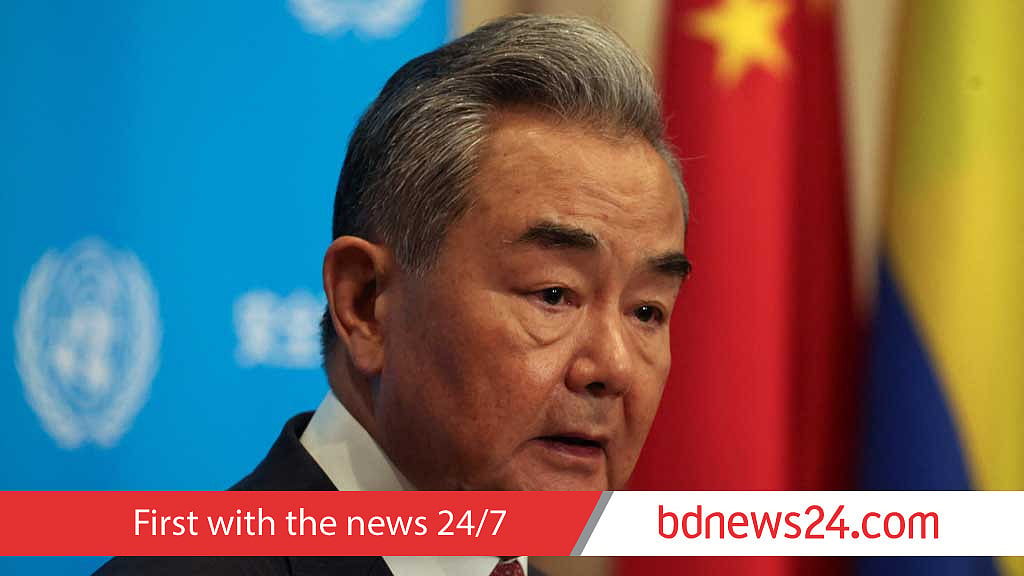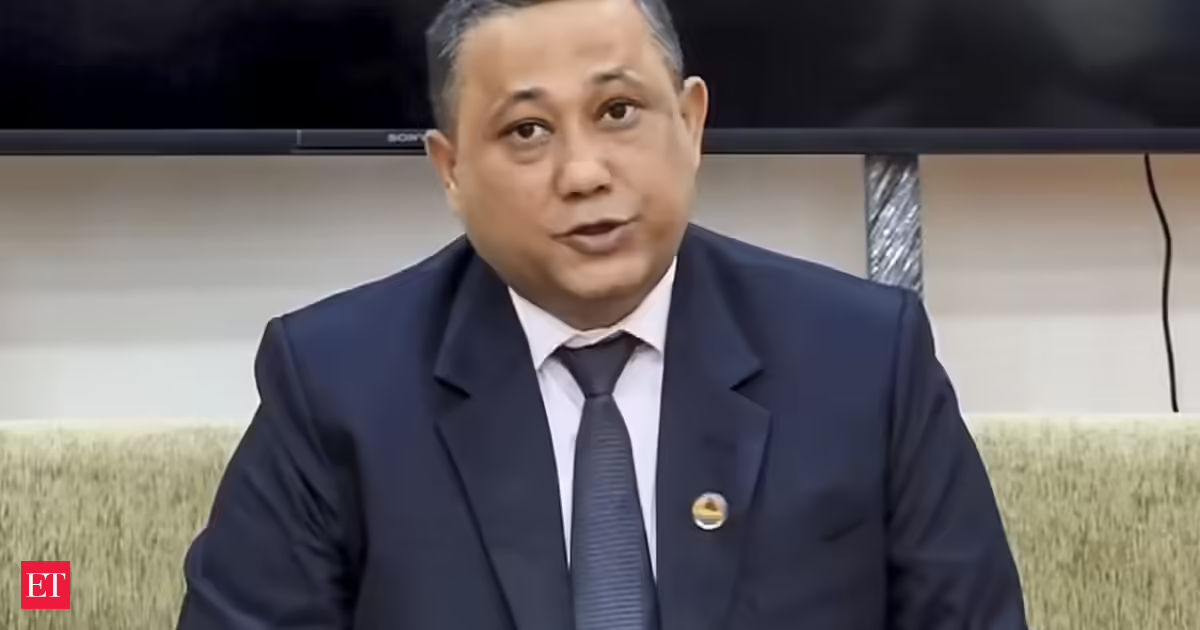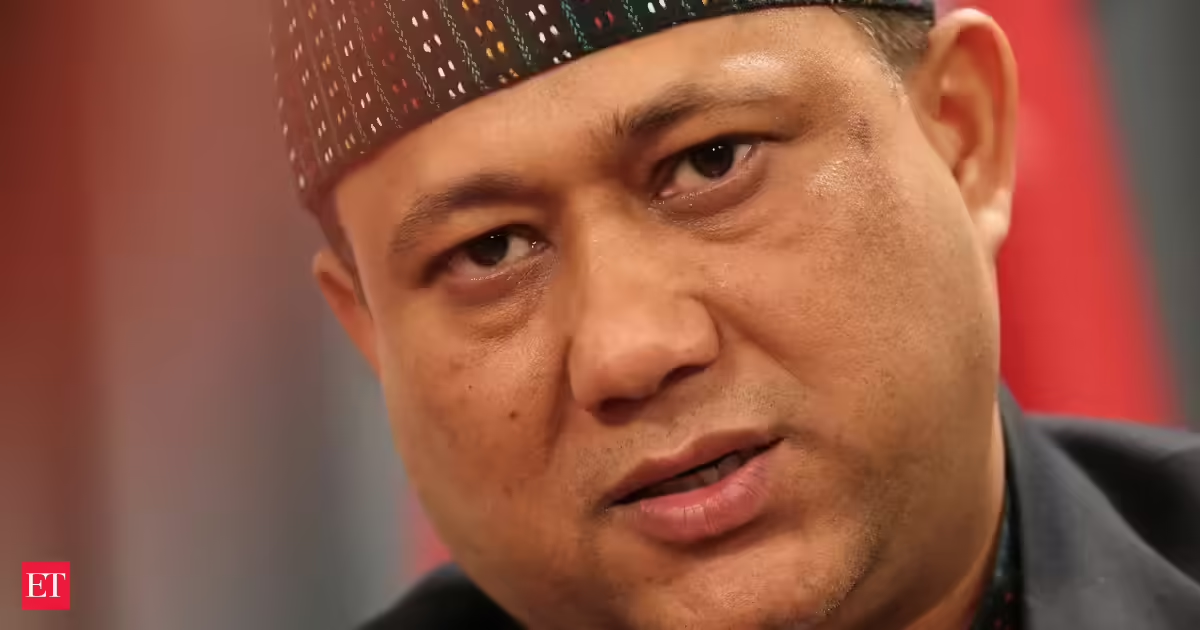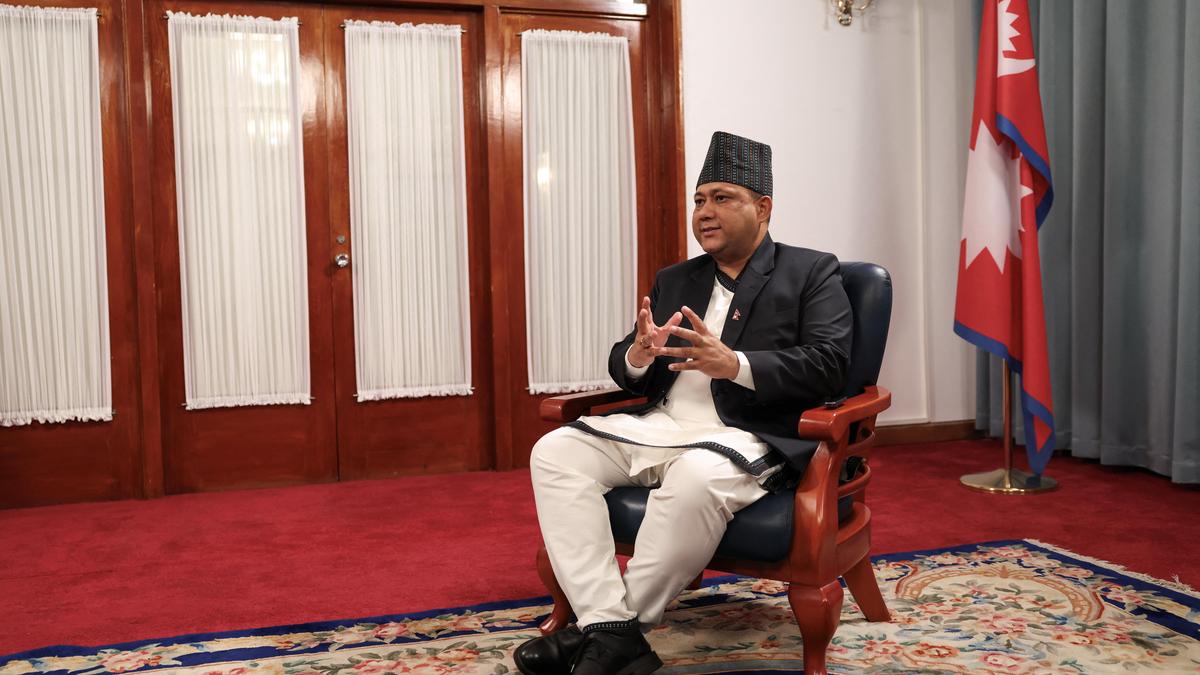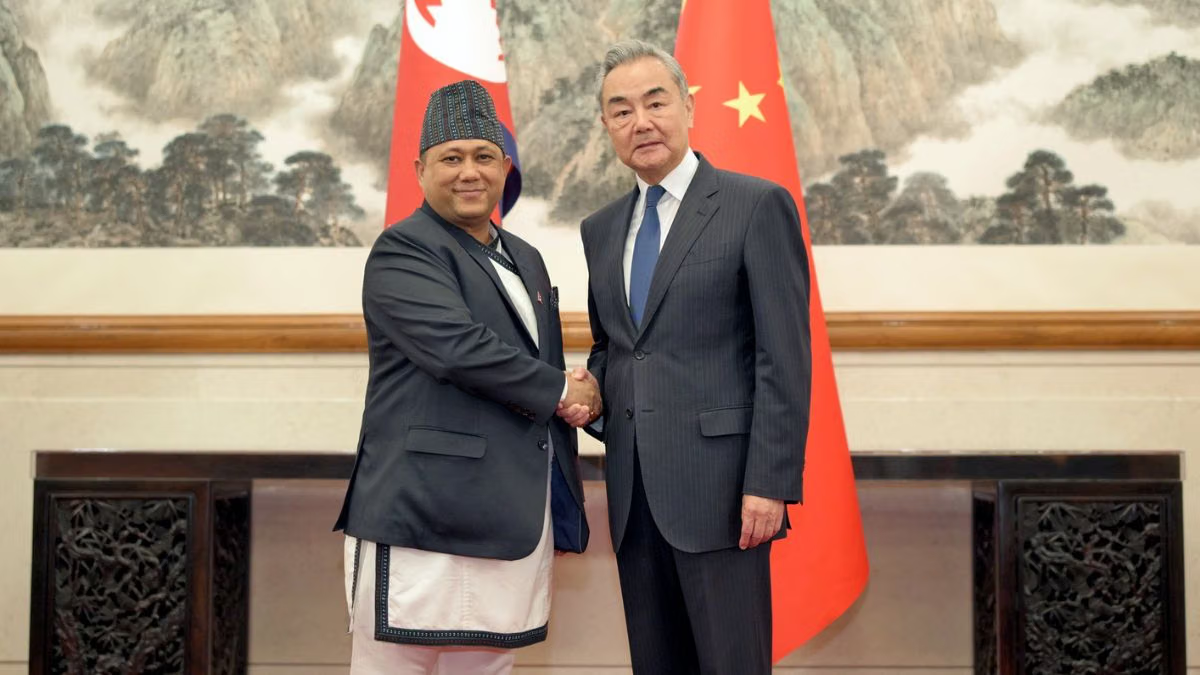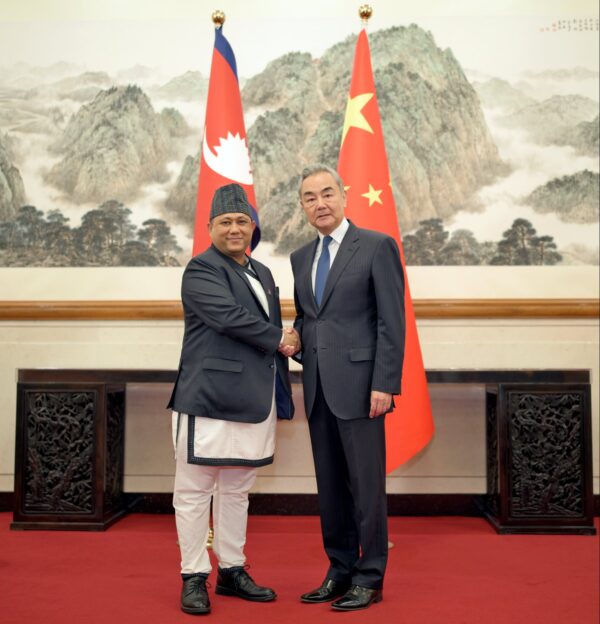
“A close neighbor is better than a distant relative,” Chinese Foreign Minister Wang Yi told his Nepali counterpart Shisir Khanal during their recent meeting in Beijing. Although Wang named no country, given the context in which he made the statement, the top Chinese diplomat could not have been more direct: he was talking about China (the “close neighbor”) and the U.S. (the “distant relative”).
The Nepali foreign minister was in Beijing to reassure the Chinese that Nepali soil would not be used for anti-China activities. In recent times, Chinese officials have repeatedly voiced their discontent with what they see as growing U.S. “interference” in Nepal, which, they believe, is aimed at minimizing China’s presence in the country.
China grew uneasy last September, when K.P. Sharma Oli was forced out as the Nepali prime minister — just a week after his much-hyped China visit. Both as prime minister and as leader of the Communist Party of Nepal-Unified Marxist Leninist (CPN-UML), Oli was someone who had cultivated close ties with Beijing. His China visit, among other things, was supposed to give impetus to the stalled Belt and Road Initiative (BRI) projects in Nepal.
Beijing was shocked when the rampaging Gen Z protestors literally chased Oli away from his official residence. Suddenly, the Chinese, who like to do business with strong power centers, faced the unenviable prospect of dealing with a completely new set of political actors in Nepal. What added to their unease were widespread rumors that the Americans had a big role, first in the protests, and then in giving shape to the interim government of Sushila Karki.