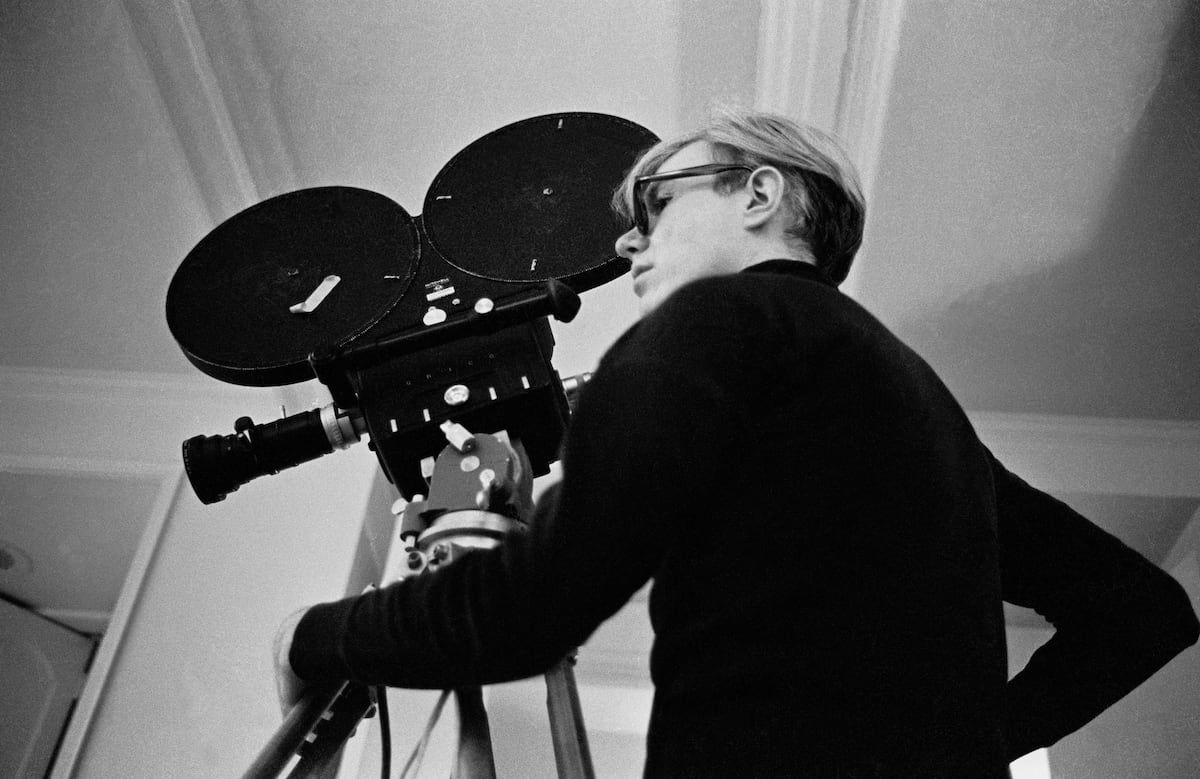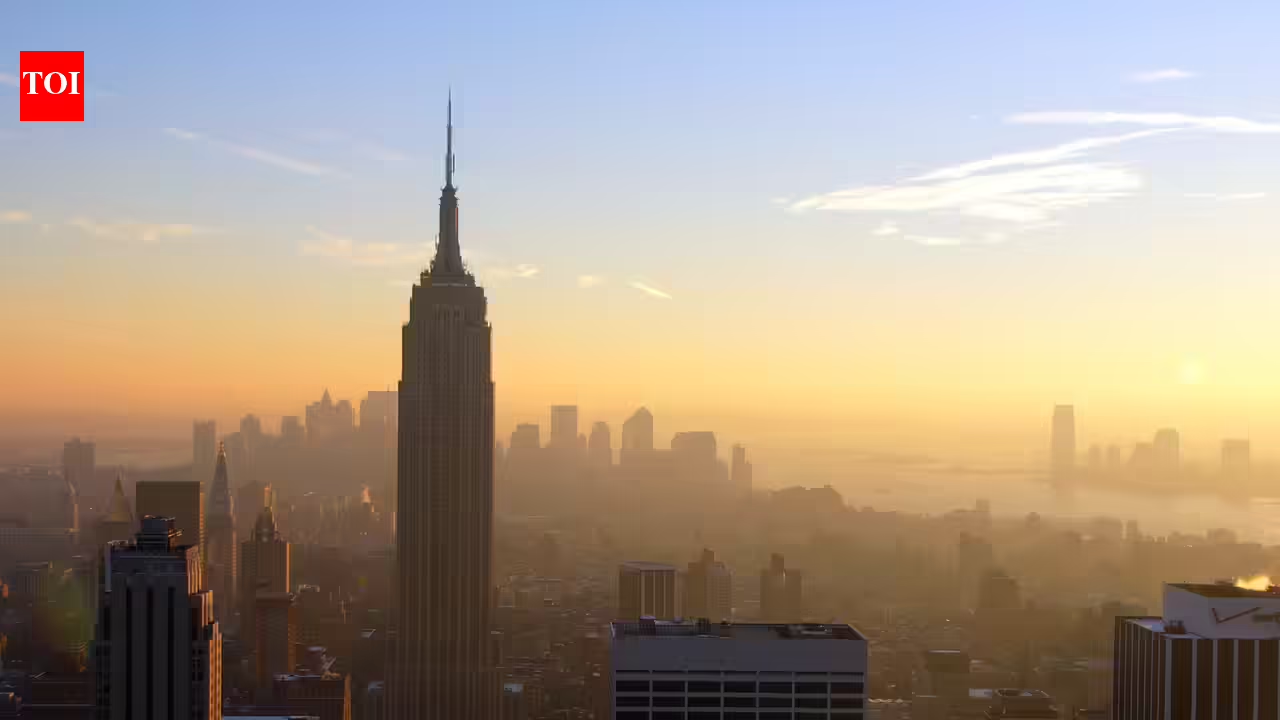
Andy Warhol's 1964 film 'Empire,' a six-hour static shot of the Empire State Building, initially baffled audiences, with many demanding refunds. Despite its chaotic premiere, this avant-garde masterpiece, filmed from a Time-Life Building window, has become a celebrated piece of American cultural heritage. (Representative Image) Image Credit: Wikimedia CommonsImagine sitting in a darkened movie theatre, popcorn in hand, expecting to watch an ordinary film. Instead, all the lights dim down, and you find yourself looking at a completely static picture of a skyscraper in black and white. The camera never moves, the building stays still, and the only change is the light shifting from day to night.This was the experience for about 200 moviegoers who gathered in Manhattan for the March 1965 premiere of Andy Warhol’s experimental masterpiece, Empire. It was highly polarising. Within the first two hours, several moviegoers left the theatre and asked for refunds. Roughly half the audience walked out before the final frames rolled.Yet, what felt like an exercise in pure frustration to early viewers eventually transformed into a monumental piece of American cultural heritage. Important details regarding its creation and cultural endurance can be found in the historical retrospective titled Andy Warhol’s Empire Turns 50 published in Architectural Record. Decades after its chaotic debut, the project achieved the ultimate institutional validation when it was recognised as a milestone of avant-garde cinema.The night a skyscraper became a cinema starThe story behind the project is just as wonderfully casual as the silver-balloon-filled atmosphere of Warhol's famous Factory studio. According to the official Library of Congress National Film Preservation Board Film Registry Descriptions and Essays, underground cinema figure Jonas Mekas and a young associate named John Palmer walked out of an office building on Park Avenue South to mail copies of a film magazine at the post office located inside the Empire State Building. Looking up at the iconic structure against the sky, they were hit with a sudden wave of inspiration. Palmer suggested the idea of filming the skyscraper to Warhol, who was already deeply obsessed with mass cultural symbols like Campbell’s soup cans and Marilyn Monroe. The artist immediately fell in love with the concept.On the evening of July 25, 1964, Warhol and a small crew of five associates took a single camera and a bag of 33-minute film cartridges up to the 41st floor of the Time-Life Building. From that specific vantage point, they pointed their lens at the top third of the majestic tower. They filmed for six continuous hours as daylight faded, the building lights came on, and twilight settled over the city.Warhol recorded a singular, iconographic subject over a long period of time, resulting in a motion picture that echoes Warhol’s famous silkscreens. Warhol was very interested in how a still image would alter our perception of time entirely through its viewing. To heighten the effect, he slowed the film from the standard 24 frames per second to 16 frames per second. Its unique approach to time and stillness challenged cinematic norms, ultimately earning it a place in the National Film Registry for its historic and aesthetic significance. Image Credit: Wikipedia Finding beauty in absolute stillnessWhile early critics dismissed the project as a stunt, those who stayed noticed a different effect. As recorded in the official federal announcement from the Librarian of Congress titled Films Added to National Film Registry for 2004, this controversial production was formally selected for permanent preservation because of its historic and aesthetic significance. Film experts noted that the stationary camera challenged traditional conventions of cinema.The view captured from that 41st-floor window in 1964 is completely gone today, blocked out entirely by a 600-foot skyscraper erected on Avenue of the Americas a decade later. The loft where the idea was born has been demolished, and the post office in the tower has also closed.The installation prompted viewers to rethink movement, time, and space. The small dancing points of grain, the minute movement of the clouds, and the great happening when the lights of the building suddenly turned on after two hours made the crowd experience a sense of happiness, and they clapped enthusiastically. What once seemed boring has become a celebrated experiment, turning the steel-and-stone skyscraper into an enduring movie icon.
Half the audience demanded refunds at the 1965 premiere of Warhol's 8-hour Empire State Building film: 40 years on, the Library of Congress preserved it
Imagine sitting in a darkened movie theatre, popcorn in hand, expecting to watch an ordinary film. Instead, all the lights dim down, and you find yourself looking at a completely static picture of a skyscraper in black and white.
703 words~3 min read