Cinema used to be an accessible and affordable mass pursuit. This debate about the ‘purest’ format to view certain films only risks putting off movie-goers
O
n what sort of screen should you watch One Battle After Another? Paul Thomas Anderson’s new film about revolutionary radicals in a ravaged United States comes in a plethora of slightly different, vaguely confusing formats.
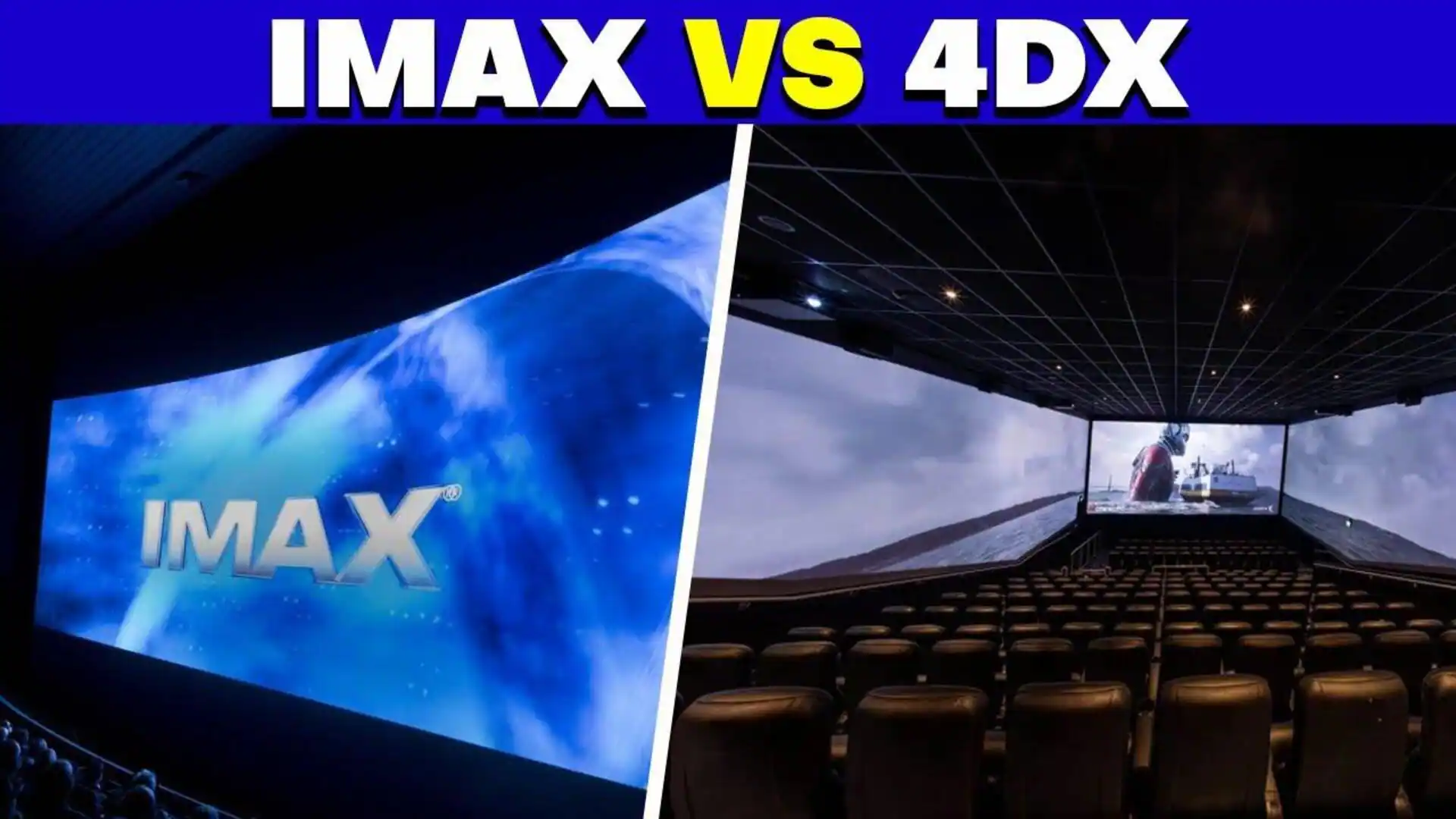
It was originally shot in ultra-rare, 70-year-old VistaVision celluloid, but there are only four cinemas in the entire world that can actually accommodate this – one in London, three in the US. There is also an Imax version on 70mm celluloid film, the more common digital Imax format, and a 70mm film projection for some select cinemas. And, finally, there are the majority of current cinemas with more standard digital projection, which also happen to have quite big screens for you to gaze up at moving pictures in the dark.
With attendances falling and cinemas under threat, I understand why there has been a push to make seeing films more of an event in recent years. Since the pandemic, Tom Cruise has put himself front and centre of a campaign to encourage people into the cinema. Christopher Nolan has also made several of his films with the grand Imax screens in mind: his upcoming The Odyssey is said to be the first blockbuster made entirely with Imax cameras (screenings for the film in the highest-grade format sold out a year in advance). “Between the vision-filling screen and sound that chases you around the auditorium, it’s more like stepping into the movie than watching it at a safe distance,” purred the Odeon website for its Imax screenings of Mission: Impossible – The Final Reckoning. There is a clear desire to put the emphasis on an all-encompassing feast for the senses; inevitably, the cost of these special screenings is usually higher than a traditional cinema ticket.