According to security and intelligence sources cited by the newspaper, these groups are using interconnected forests and difficult terrain across states such as Niger, Kogi, Anambra, Imo and Abia to evade military operations and establish new footholds.
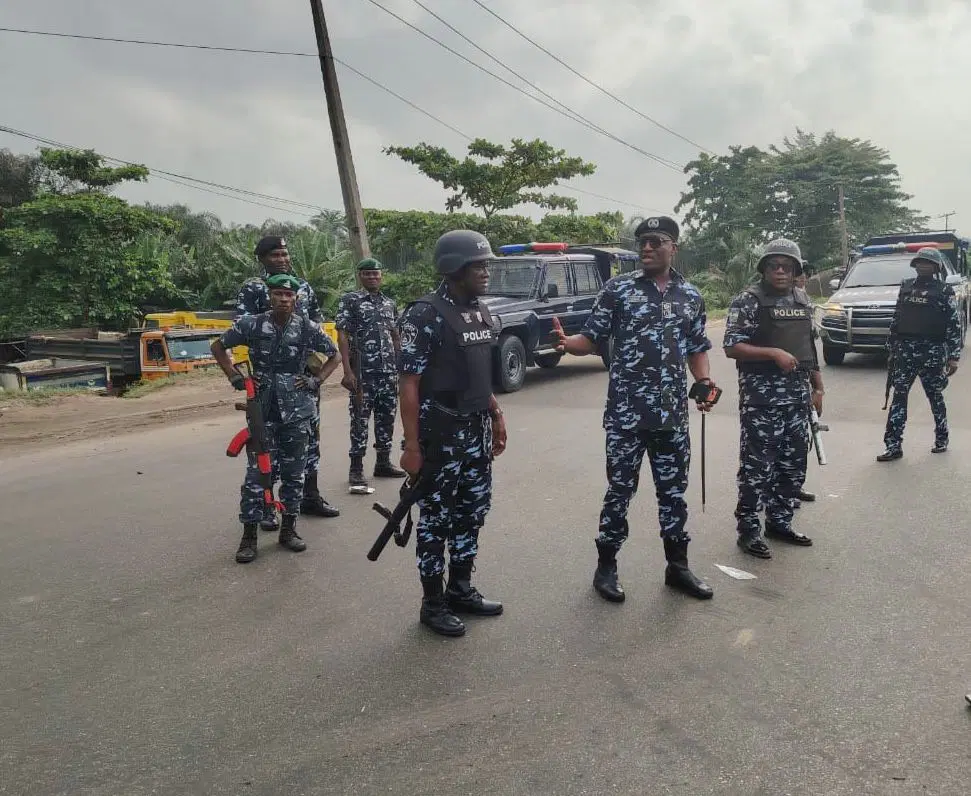
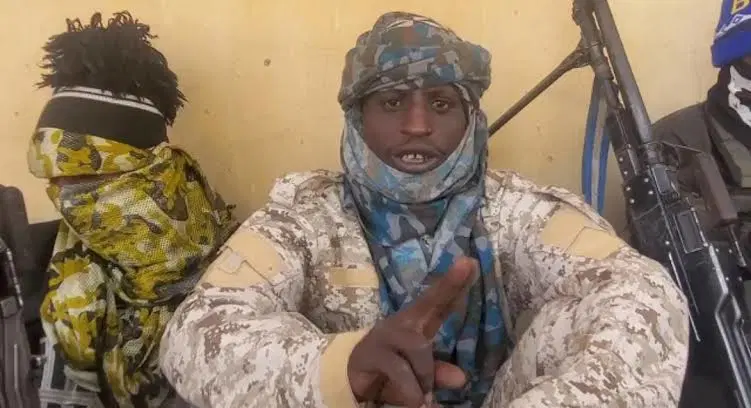
A recent report by Punch Newspapers on the reported movement of terrorists displaced from Zamfara and Sokoto States into parts of the South-East and South-South, alongside an insightful analysis by security expert Sadeeq Shehu on the complexities of tracing and apprehending kidnappers and terrorists, raises important questions about Nigeria's security strategy and what must be done differently to defeat insurgency, banditry and terrorism.
The Punch report paints a troubling picture of terrorist groups adapting to military pressure by exploiting vast networks of forests, cattle routes and riverine corridors stretching from the North-West through the North-Central into southern Nigeria. According to security and intelligence sources cited by the newspaper, these groups are using interconnected forests and difficult terrain across states such as Niger, Kogi, Anambra, Imo and Abia to evade military operations and establish new footholds.
At the same time, Sadeeq Shehu's thoughtful intervention addresses a question frequently asked by Nigerians: if security agencies can trace the phones and online activities of government critics, why do kidnappers, bandits and terrorists appear able to communicate freely, negotiate ransoms, circulate propaganda videos and evade arrest?