See more This is Money on Google - save us as a Preferred SourceBy DAILY MAIL REPORTER Updated: 11:47 BST, 22 June 2026
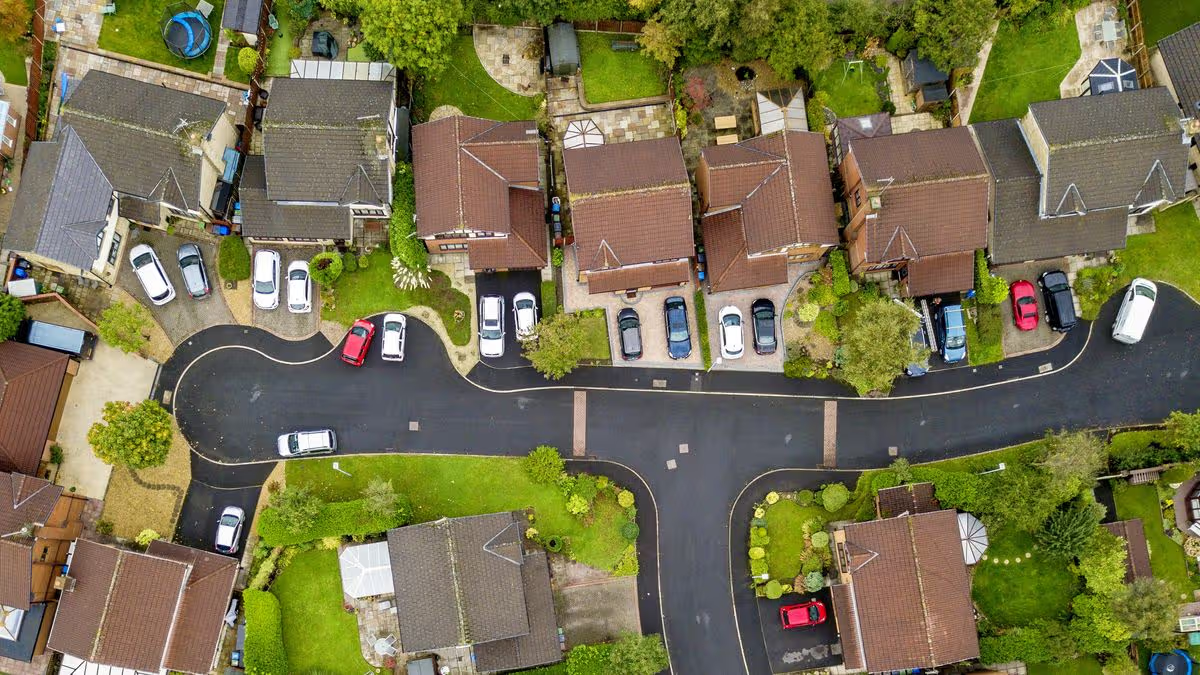
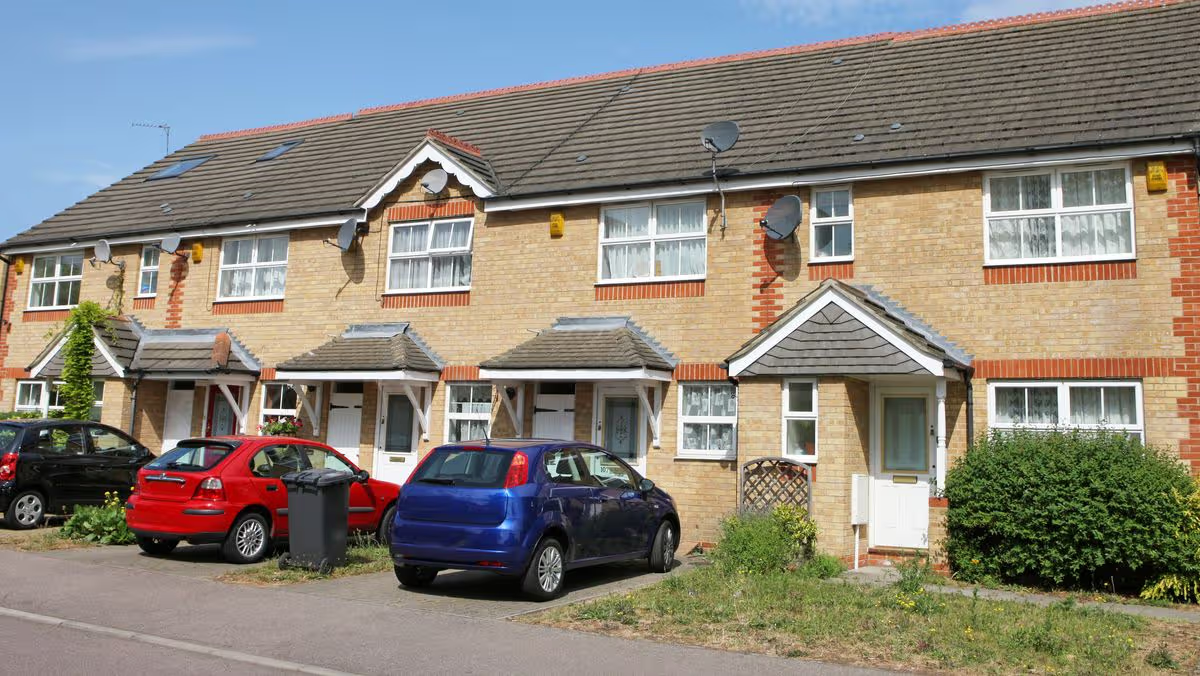
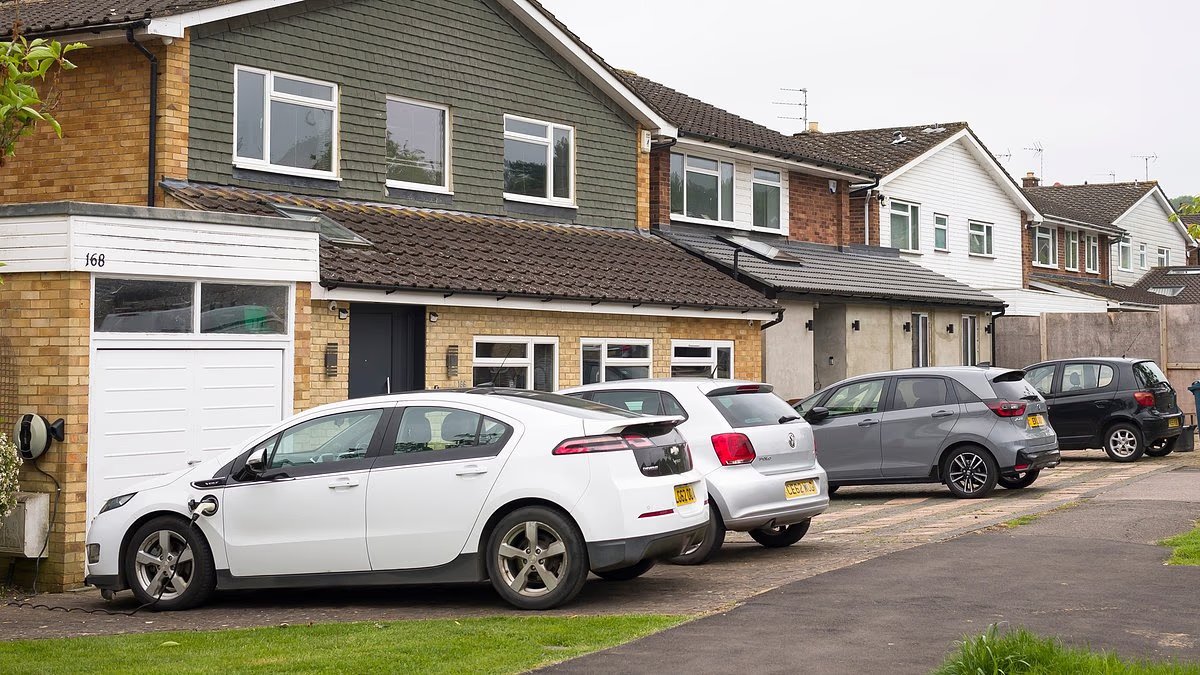
Two cars parked on the driveway was once an everyday sight in Britain - but it's becoming far less common as household budgets tighten.Running a second vehicle has become a luxury that many families say they've cut back on due to the cost-of-living crisis, a recent straw poll has revealed.Two in five motorists have reduced the number of vehicles they own within the last two years, citing reasons such as affordability, lifestyle changes, sustainability and hybrid working.The increasing cost of maintaining a multi-car household in recent years - which is due to a surge in parts prices and garage labour - has also made running a second motor unaffordable for many.A survey of 2,000 adults found that those who went from having two or more cars to one have saved up to £1,533.24 per year, with 57 per cent saying they are better off for it.For those who have offloaded a second or third motor, two in five have put the money into savings or investments, while a third have directed it towards everyday essentials such as groceries and energy bills. Two in five motorists have reduced the number of cars they own as the cost-of-living squeeze tightens, making running a second vehicle a luxuryWith only one car on the drive, households have found systems to decide who gets to use it. The most common is simply whoever needs it most (39 per cent), while others use a 'first come, first served' rule (7 per cent) or a formal daily rota (4 per cent).Though 23 per cent admitted that plans have occasionally been missed or cancelled due to sharing one car, the majority say the trade-off is worth it.The findings sit alongside Whitehall data from the National Travel Survey 2024, which shows that 44 per cent of households have just one vehicle, compared to 34 per cent with two or more.Paul Gilshan, of temporary car insurance provider Tempcover, which commissioned the polling, said those who have downsized are 'better off financially' and end up 'practising a form of car sharing'.He added that the car is now seen as 'a shared resource rather than a personal fixture'.But when it comes to sharing a car with family or friends, 28 per cent said they were put off by concerns about other people's driving.A further 24 per cent would not entertain it due to the hassle or cost of altering their annual insurance policy.Mr Gilshan said 'friction around insurance is one of the main issues stopping people from sharing more flexibly'. CARS & MOTORING: ON TEST