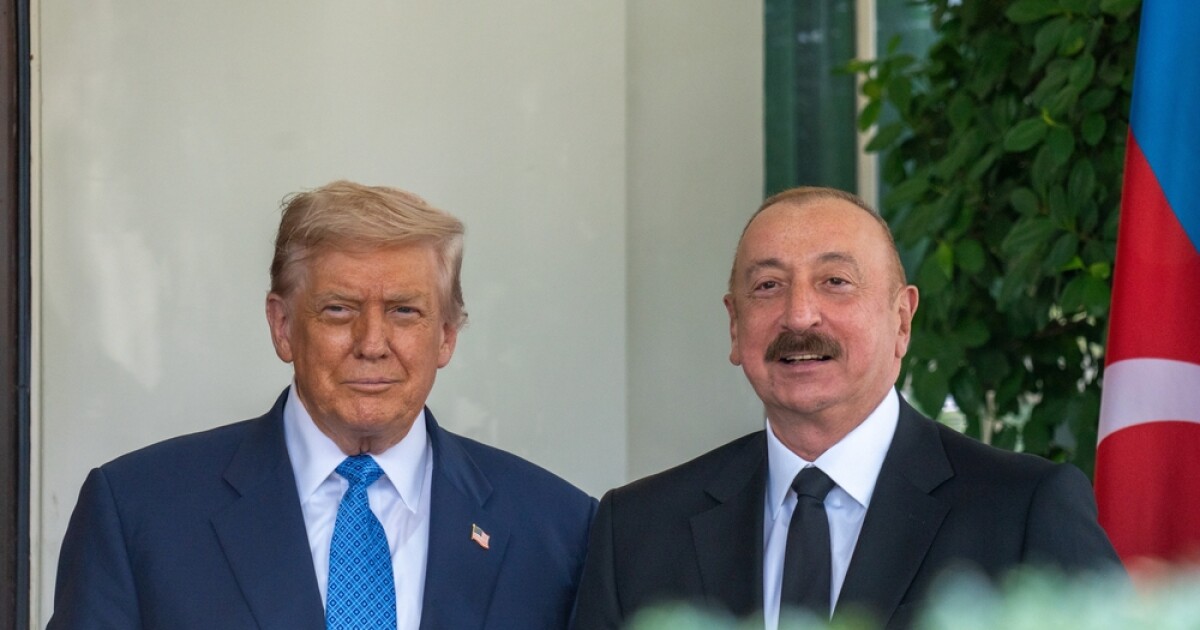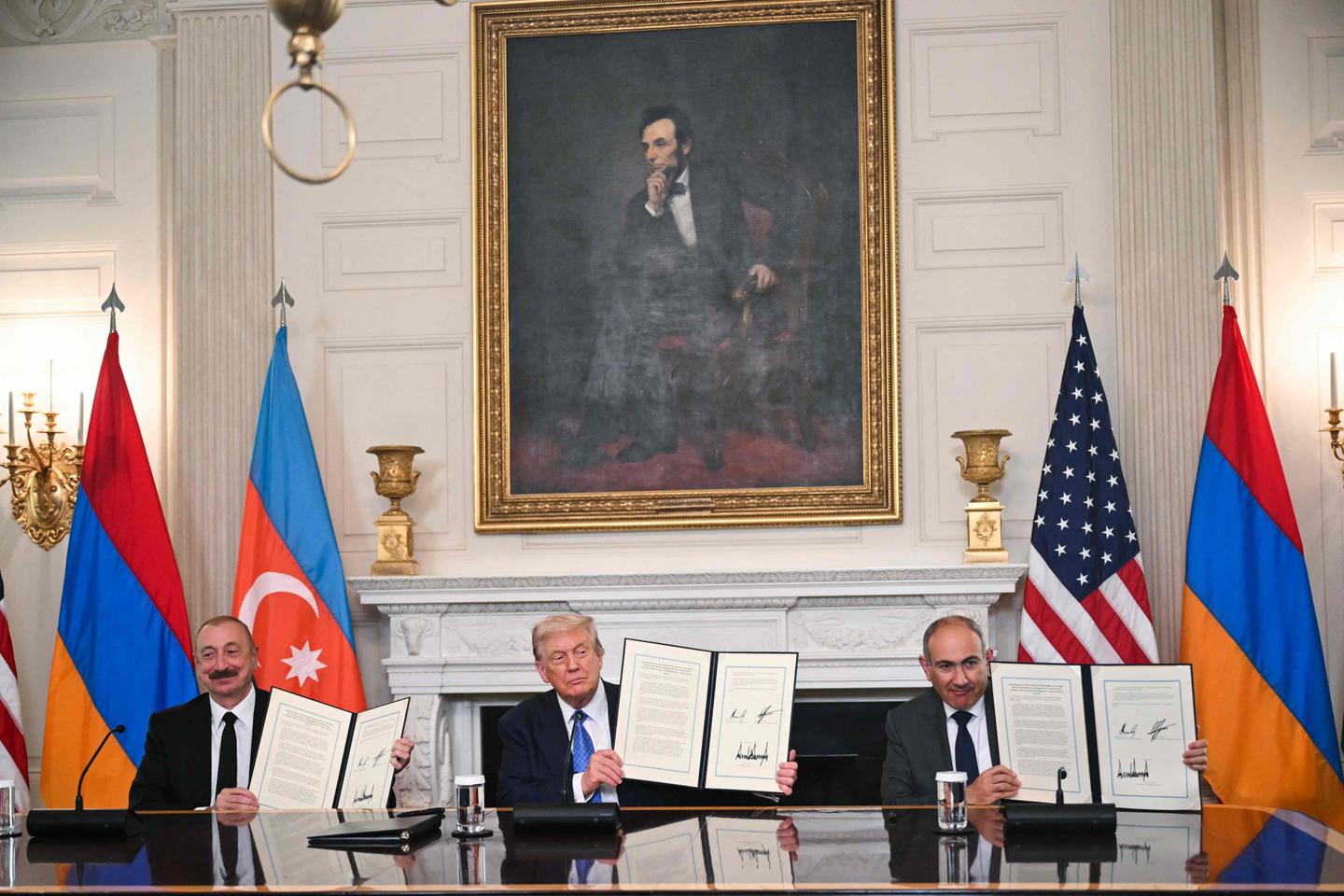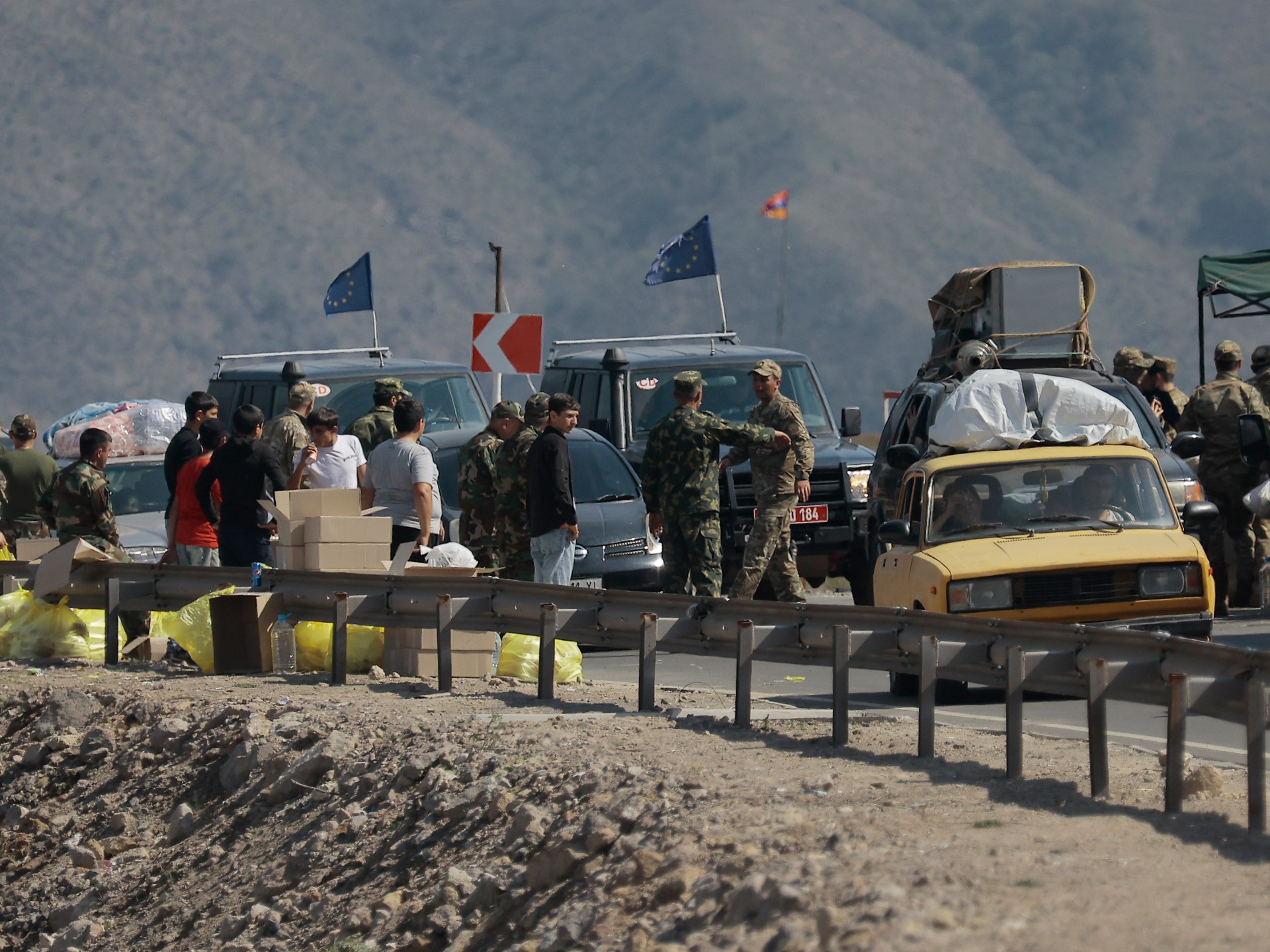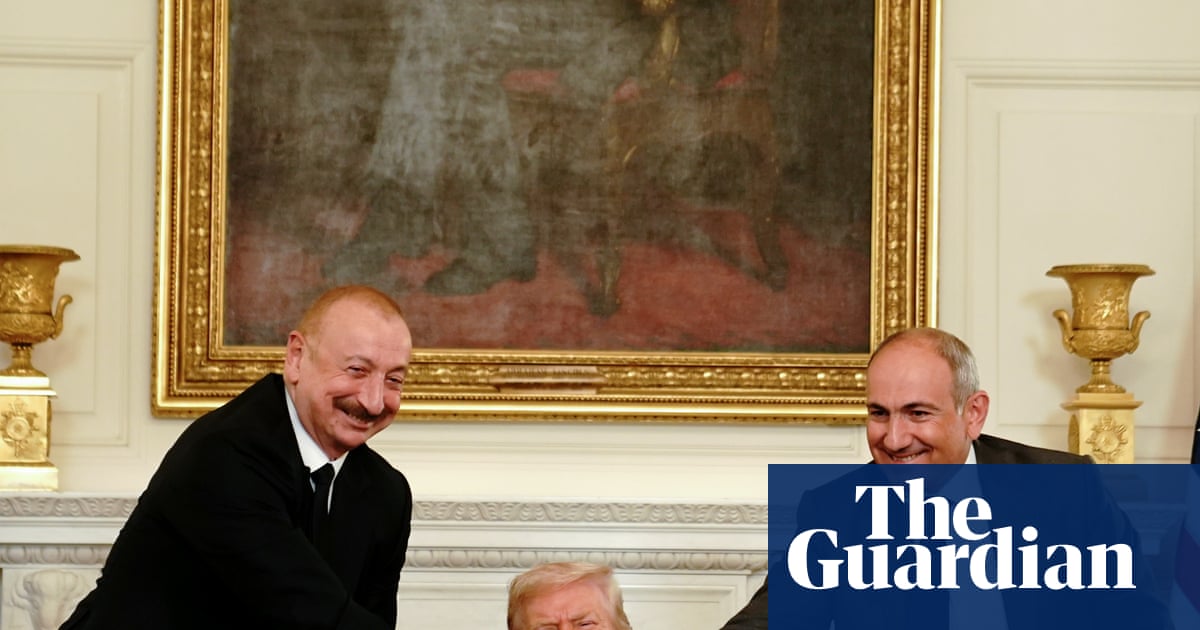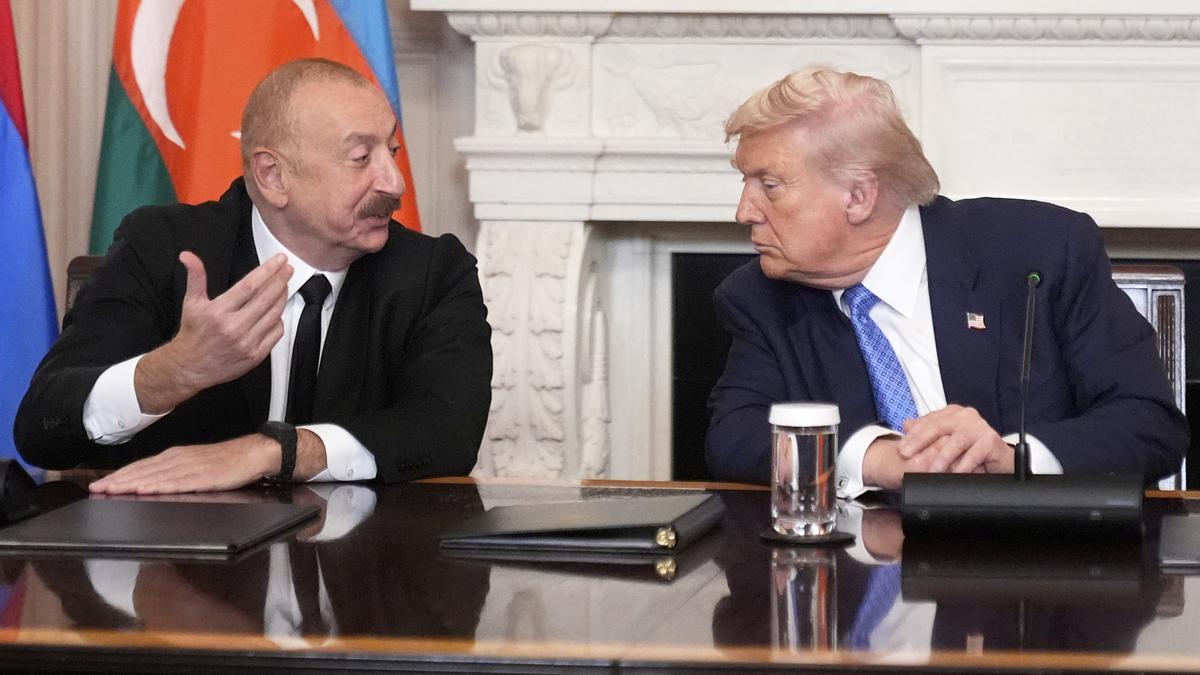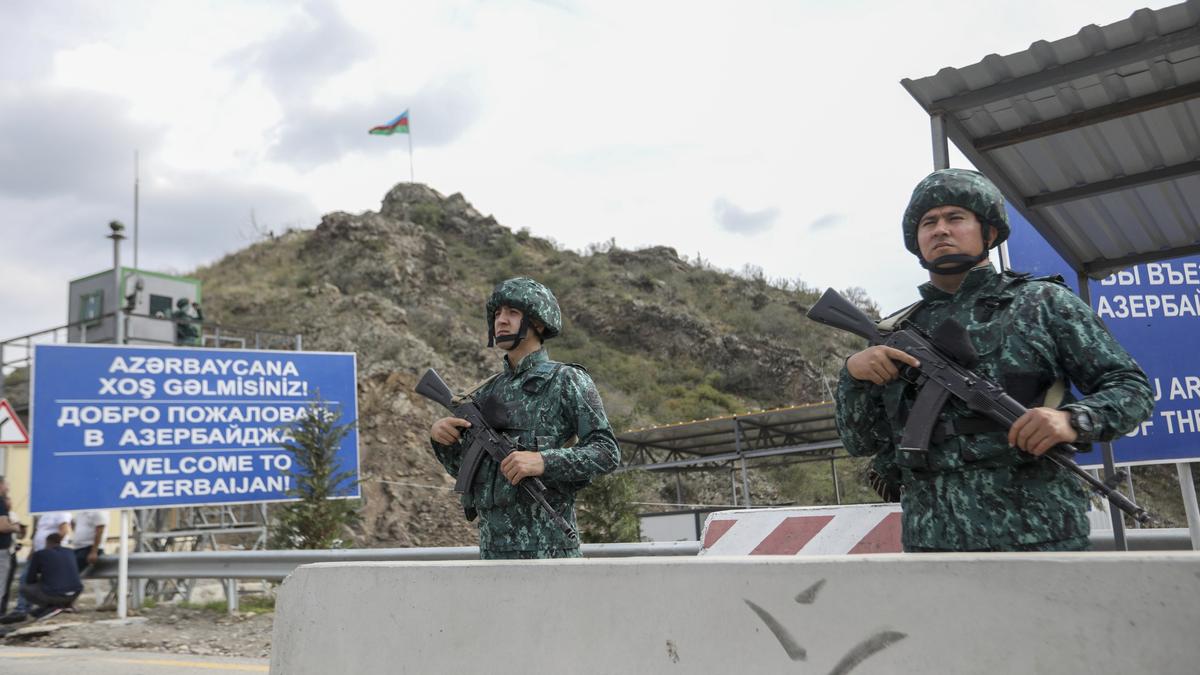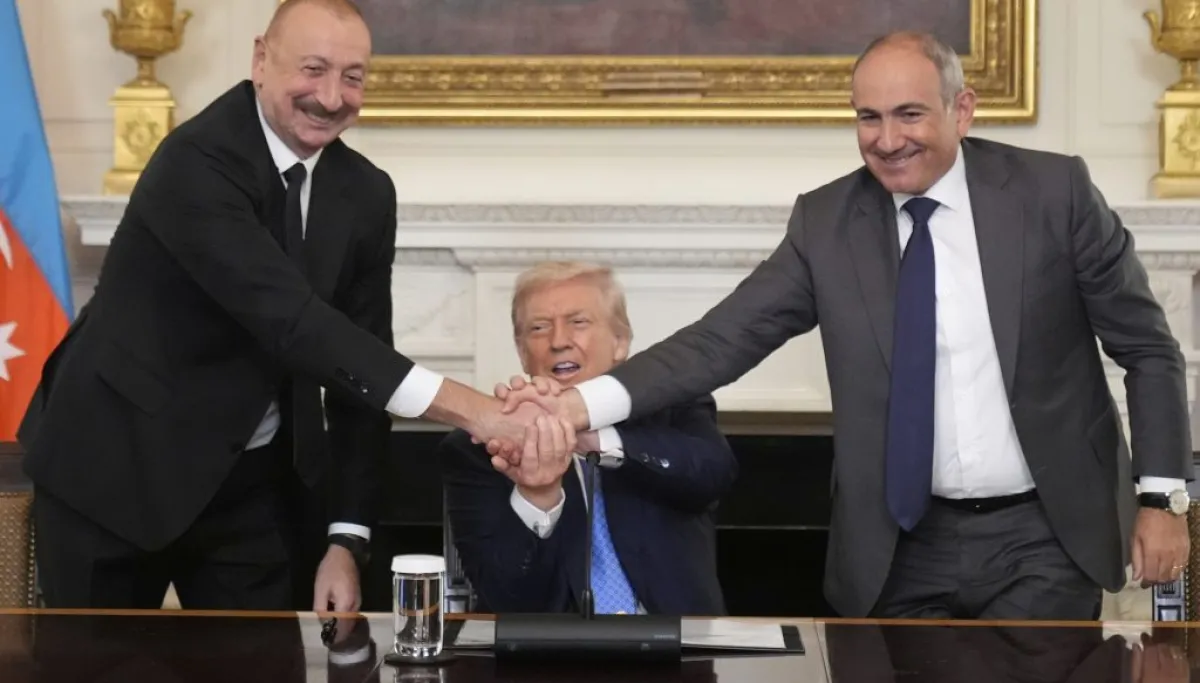
When President Donald Trump brought the leaders of Armenia and Azerbaijan to the White House, he put his name on more than a handshake. The Trump Route for International Peace and Prosperity, or TRIPP, is a transit corridor through southern Armenia that will finally link Azerbaijan to its Nakhchivan exclave and onward to Turkey, connecting the Caspian region directly to European markets. For three decades, the Karabakh conflict kept that corridor sealed shut, the region’s borders closed, its railways severed, and its trade hostage to Moscow’s mediation.TRIPP rests on a principle the foreign policy establishment spent decades ignoring: lasting stability comes from trade and infrastructure that benefit everyone involved, not from frozen conflicts managed by hostile powers. And Armenia’s voters have now weighed in on that vision.In the country’s recent parliamentary election, pro-Western Prime Minister Nikol Pashinyan’s Civil Contract party won 49.81% of the vote. Armenians reaffirmed their support for closer relations with the West, for normalizing ties with neighboring Azerbaijan, and for loosening a dependence on Moscow that has defined the country for decades. Revanchist parties pushing renewed confrontation and a return to Russia’s orbit failed to win majority support.
Trump's peace through prosperity vision has a place in the South Caucasus
Armenians reaffirmed their support for closer relations with the West, for normalizing ties with Azerbaijan, and for loosening a dependence on Moscow.
965 words~4 min read