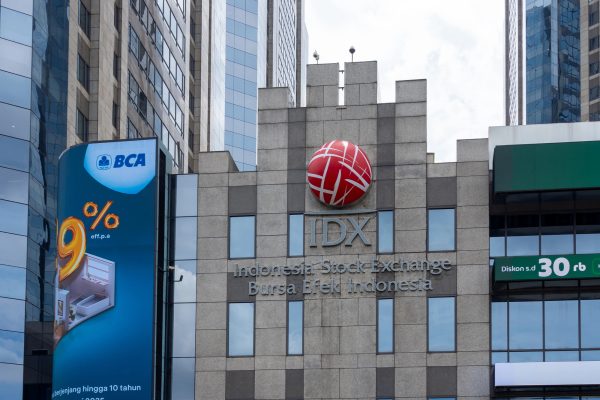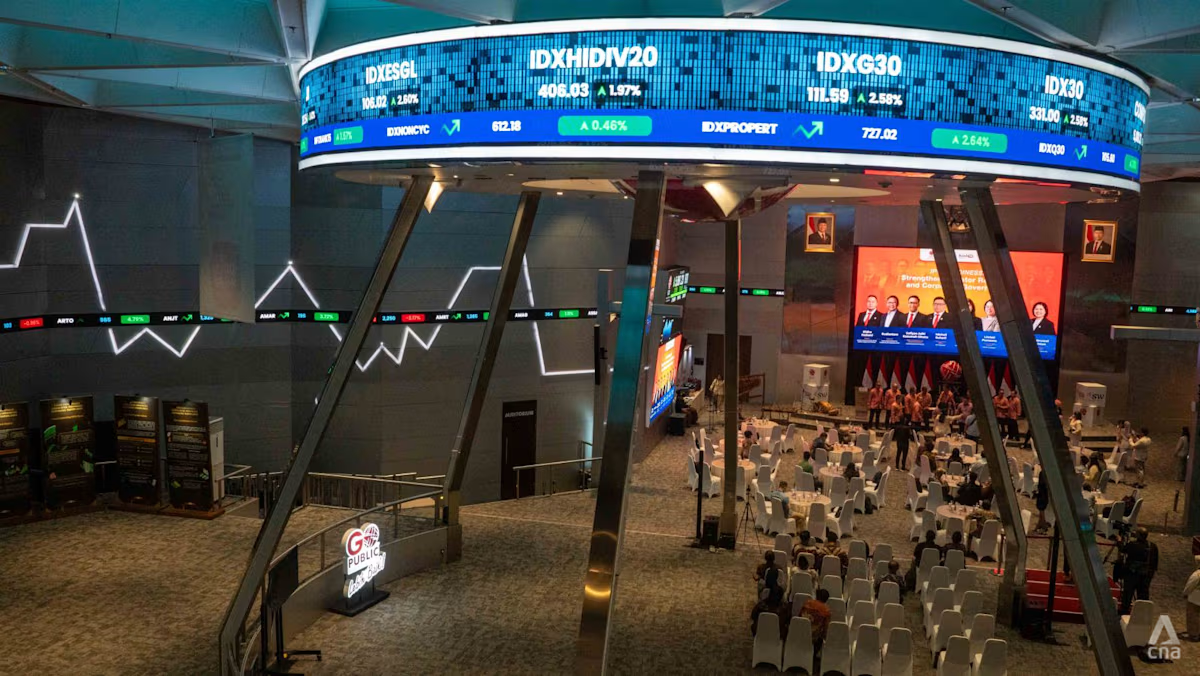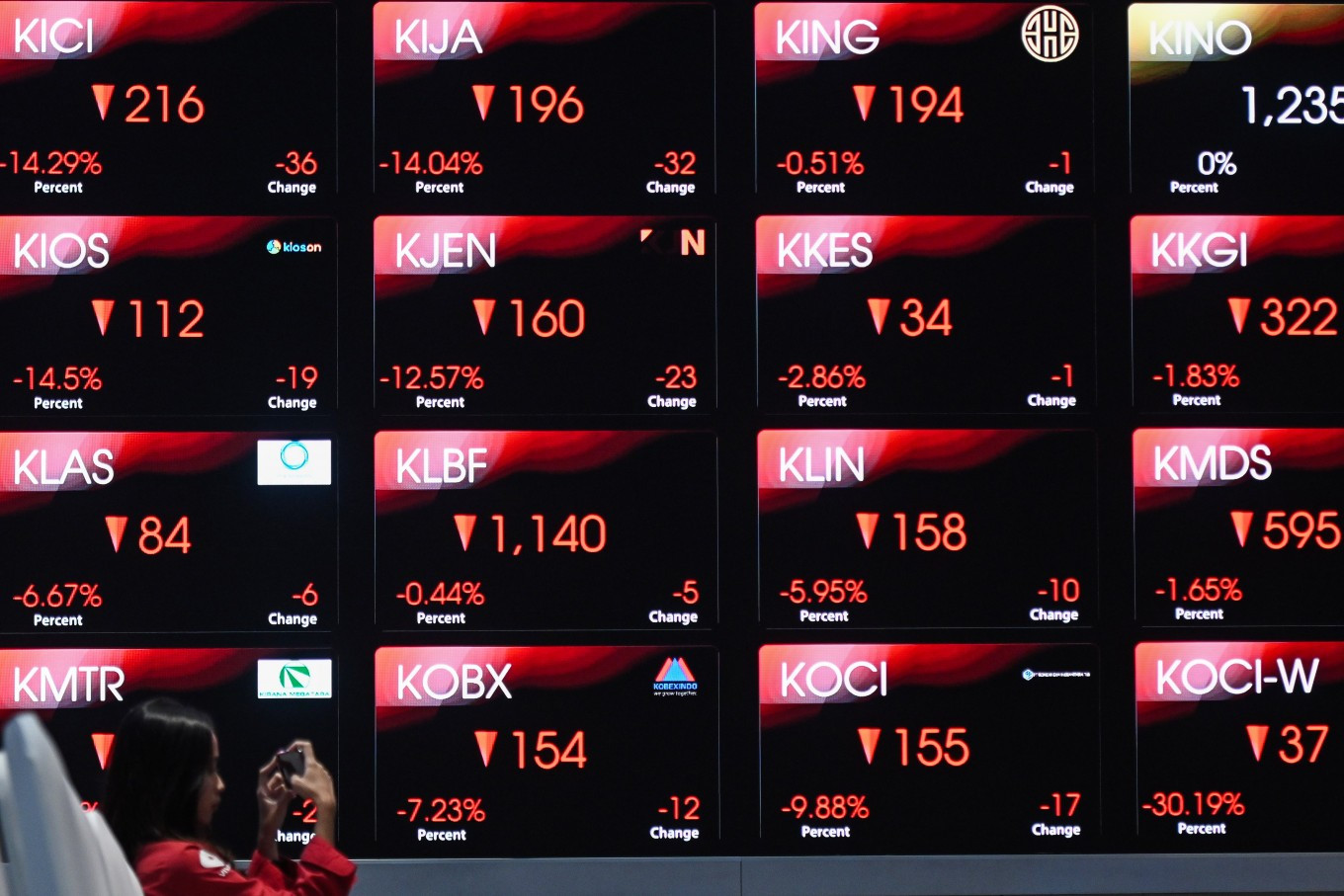
The day of reckoning for Indonesia’s stock market is here. MSCI, the global benchmark provider, will determine whether to downgrade Southeast Asia’s largest economy to “frontier market” status, or keep it as an emerging market, on June 23. If MSCI downgrades Indonesia, as much as $13 billion could flow out of the country, as calculated by Goldman Sachs. “If MSCI confirms a downgrade, index funds would sell Indonesian holdings automatically,” Achmad Sukarsono, associate director at consultancy Control Risks, tells Fortune. “No committee needs to make a grand judgment, as the rules do the selling.” The fallout won’t stop there. “A downgrade is a loud signal to everyone else that something is wrong,” says Josh Kurlantzick, a senior fellow for South and Southeast Asia at the Council on Foreign Relations (CFR), a New York City-based think tank. “Fund managers who actively choose where to invest would likely back away from Indonesia too.”
MSCI first raised concerns over Indonesia’s investability in late January, pointing to opacity in ownership data and market activity. It also announced an interim freeze on index adjustments for Indonesian securities. (Other MSCI frontier markets include Bangladesh, Pakistan, and Vietnam.)