The global index provider MSCI yesterday delivered another negative verdict on the Indonesian economy, citing concerns about market accessibility, in particular, the lack of transparent and reliable data on stock holdings.
In its annual Global Market Accessibility Review, MSCI lowered Indonesia’s information flow criterion to negative, reflecting “structural issues in the opacity in shareholding structures and concerns about coordinated trading.”
The index provider said that these issues “undermine proper price formation” and impact investors’ ability to “assess true free float and to rely on observed market prices for portfolio construction and index replication.”
The decision comes just a week ahead of MSCI announcing its decision on whether to downgrade Indonesia’s market classification to frontier status, a move that could trigger billions of dollars of capital outflows.
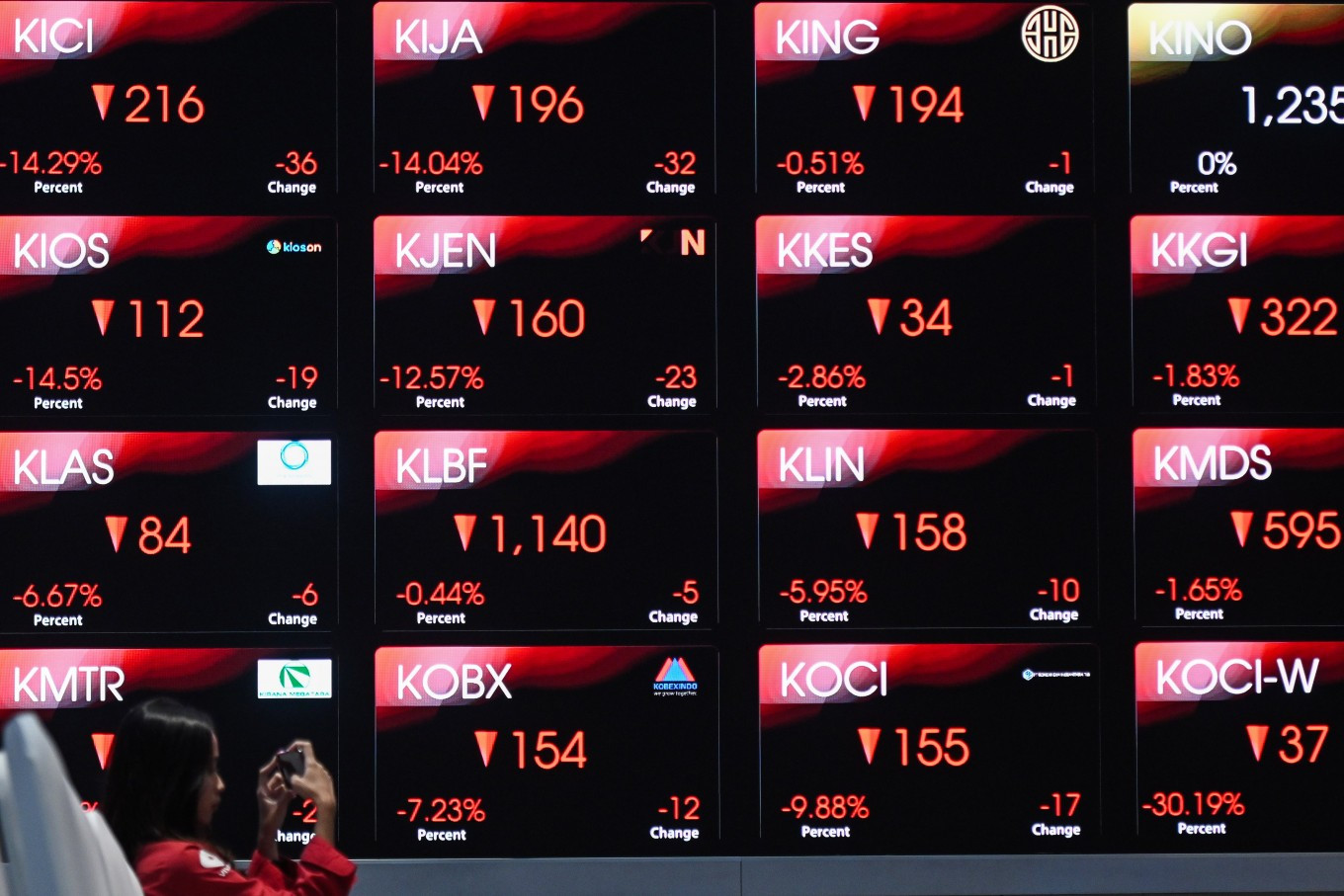
MSCI threatened to downgrade Indonesia in January due to a number of transparency concerns in its stock market, including the high concentration of ownership in certain companies and the limited “free float” of tradeable shares. The decision prompted a dive in the benchmark Jakarta stocks index, which fell by around 8 percent, wiping out $80 billion in market value. While it later recovered, Reuters reports that the index has fallen by 29 percent in 2026, and that foreign investors have sold around $3.65 billion worth of Indonesian stocks so far this year.