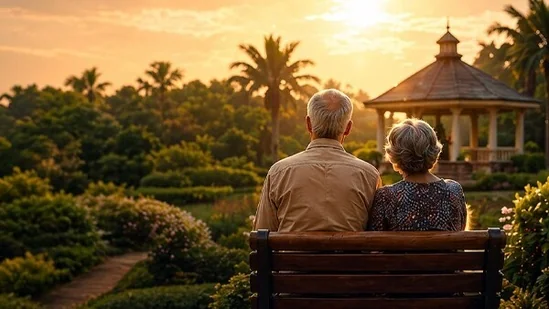
India’s real estate sector is stepping into a new phase of evolution – one which is shaped by demographics and not just by urbanisation or growing infrastructure. Silver EconomyFor years, young families, first-time homeowners and working professionals have dominated the Indian housing market, but recent times have seen a significant shift in the market. With better health and increased life expectancy, the senior population in India is growing steadily. They are financially independent and they have better clarity on how they want to spend their later years. According to the UNFPA India Ageing Report 2023, India had nearly 149 million people aged 60 and above in 2022, and this number is projected to rise to 347 million by 2050, when seniors are expected to account for more than 20% of the country’s population. The silver economy is evolving from the niche conversation about retirement to structural change in the real estate market. Currently, India is stepping into a major demographic transition that many industries call the ‘silver wave’, which influences not just caregiving and healthcare but also how the cities, homes and communities will be designed for the next few decades. The real estate industry is no longer planning for an aging society of the future – it has become the living reality of today. This shift is drastically changing how aging is perceived in India, where earlier it was focused on health care and assisted living. Now it is discussed considering lifestyle-driven residential living focused on social interaction, safety, independence, wellness, and dignity rather than the age-old idea of retirement home. There is a notable shift in the consumer mindset in recent years and as compared to earlier generations, today’s seniors are more independent and ambitious. Most of them are financially secure, digitally connected, financially stable, and willing to make their own housing decisions rather than relying solely on family, with a better focus on community engagement, emotional wellness, and dignity as much as health care. We are also witnessing significant changes in India’s social fabric, urbanisation, migration for work and the rise of nuclear households has resulted in families having to live separately in different cities or counties even though they have strong emotional bonds. This scenario has created a demand for community living where seniors are able to live independently while still benefiting from health care support, safety, convenience and community engagement.This has resulted in senior living communities being the fastest growing segments in the real estate industry. These communities are no longer seen with a medical or care-led perspective, but rather a place that supports active aging, with wellness routines, social interaction, and provides a stronger sense of belonging. Senior living is transitioning beyond a care-led living into a more experience-led housing choice. This shift is encouraging real estate developers to adopt a more inclusive approach to housing, with newer residential projects increasingly prioritising accessible and senior-friendly design. Features like step-free designs, anti-skid flooring, accessible restrooms, emergency response systems, wellness centres, and tech-enabled homes are becoming more common rather than premium add-ons. With the growing popularity of the silver economy, the real estate industry is evolving. It is moving beyond the idea of ownership and space and towards a more service focused living ecosystem. Along with more factors like location and cost, residents are considering health care integration, preventive wellness, hospitality services, rehabilitation support, and continuity of care.Senior living is gaining popularity as being a part of continuum of aging, where social engagement, independent living, supported care, preventive healthcare, and wellness are all interwoven into one ecosystem rather than considering them separate services. This holistic approach will be the face of the housing industry in the near future. Another notable pattern is the growing interest in suburban areas and well-connected tier-2 cities. Many seniors are actively choosing for locations that provide higher quality of life, stronger community ecosystems, and less traffic, creating a whole new growth potential for real estate developers and operators. The scale of this opportunity is expected to grow further. The UNFPA India Ageing Report projects that the population aged 80 years and above will increase by nearly 279% between 2022 and 2050, making it one of the fastest-growing demographic segments in the country.Organised senior living is evolving into a high potential growth market in India due to changing lifestyle preferences and better awareness among senior community. The next few years present a huge opportunity for developers, operators, healthcare providers, and policymakers to come together to shape a sustainable, accessible, and future-ready ecosystems for India’s ageing population.As the market grows it is important that the focus must shift from simply building homes to creating environments that promote independence, dignity, wellbeing, and peace of mind. India's housing market has traditionally catered to nuclear families and younger buyers, but the growth of the silver economy is pushing the industry to take a more holistic approach, with a focus on community living, health care integration, accessibility, and general quality of life.Companies that identify and adapt to this shift early will not only emerge as leaders in one of India’s fastest-growing real estate segments but also play a significant role in shaping how the country perceives and experiences ageing in the years ahead. (The views expressed are personal)This article is authored by Rajagopal G, co-founder & CEO, Lifebridge Group and chairman, Association of Senior Living India (ASLI).
Silver economy is reshaping real estate
This article is authored by Rajagopal G, co-founder & CEO, Lifebridge Group and chairman, Association of Senior Living India (ASLI).
890 words~4 min read