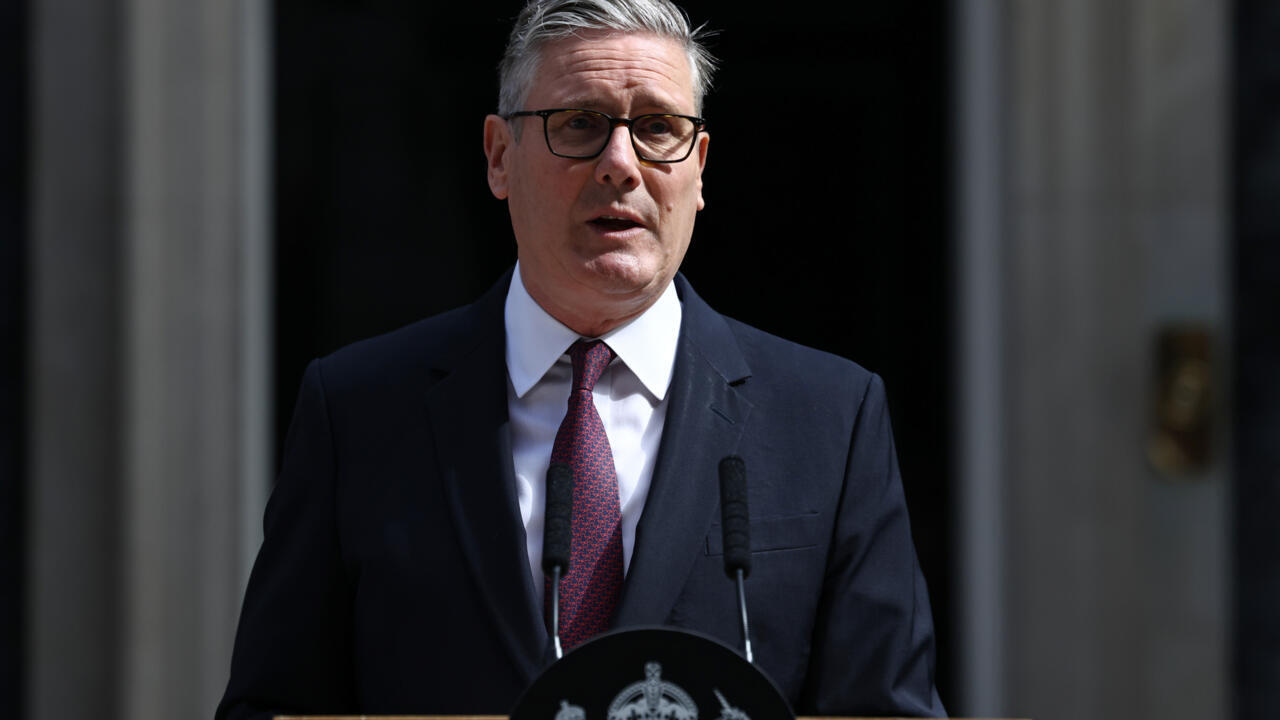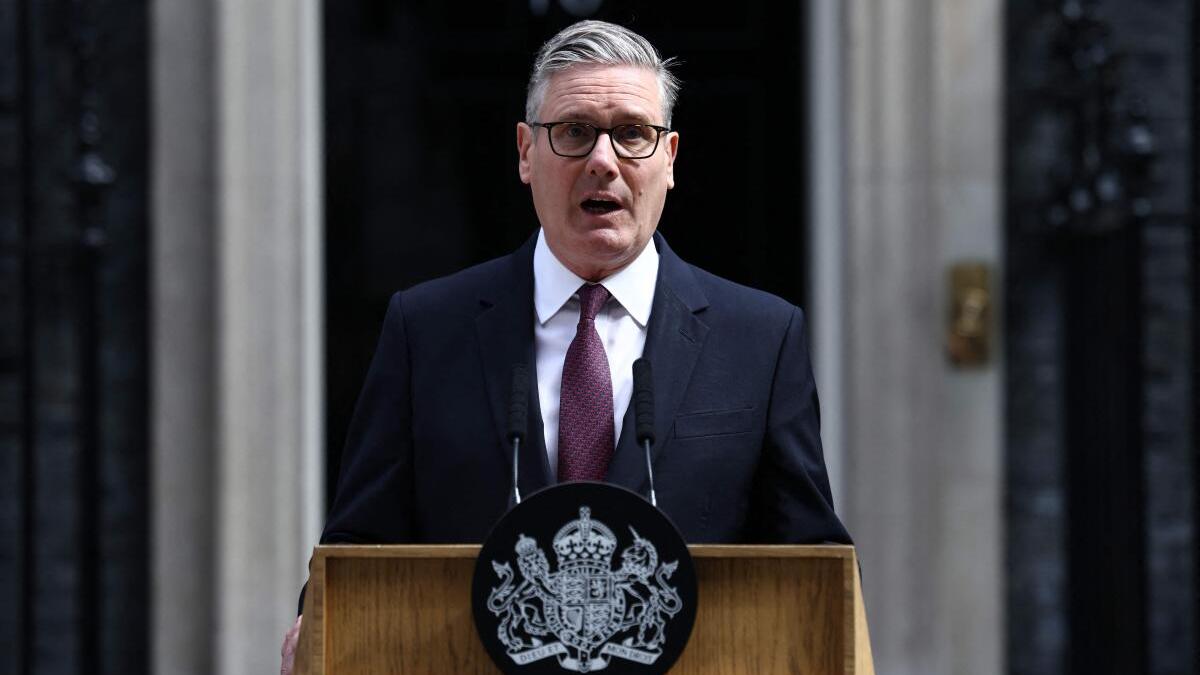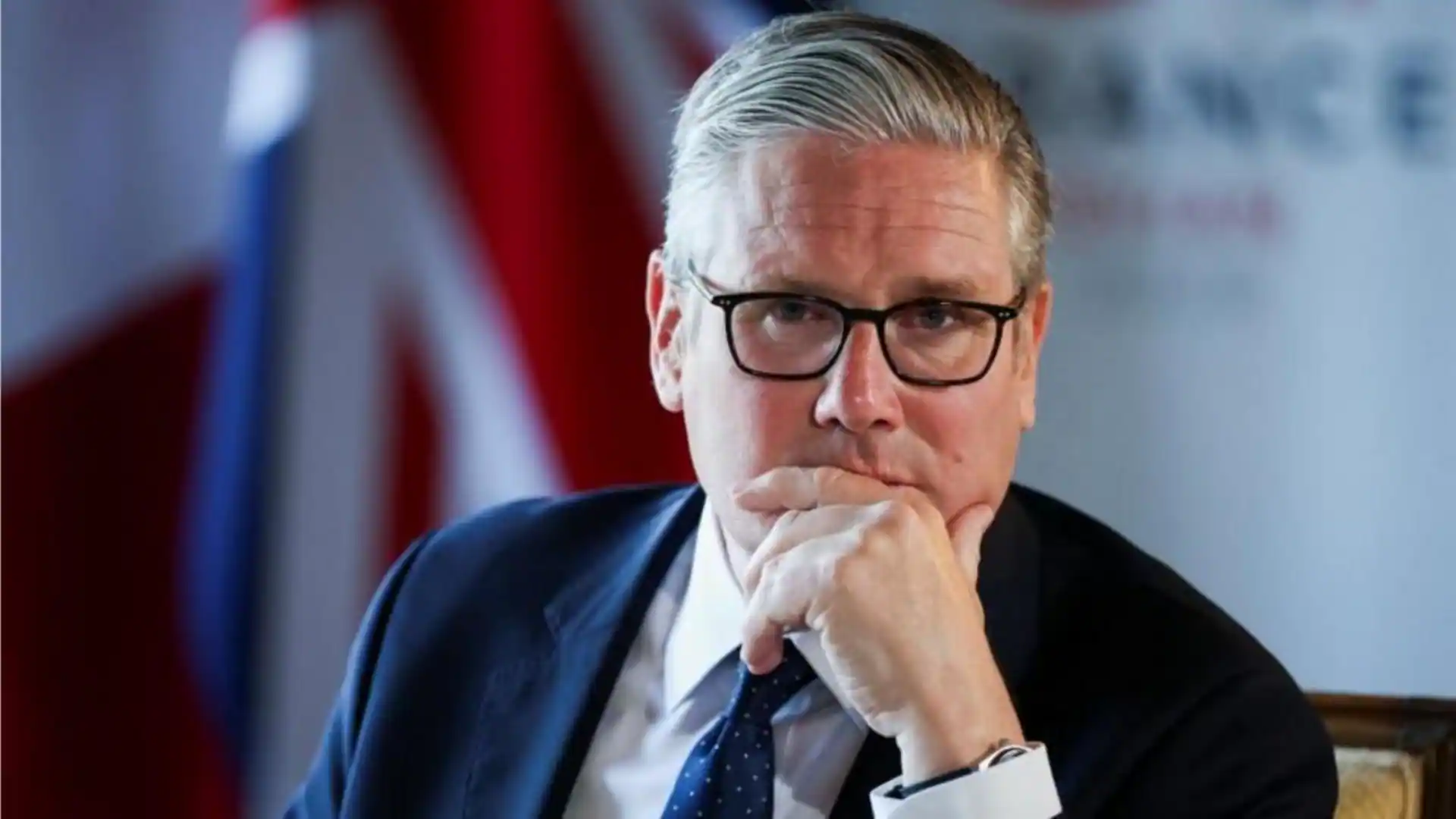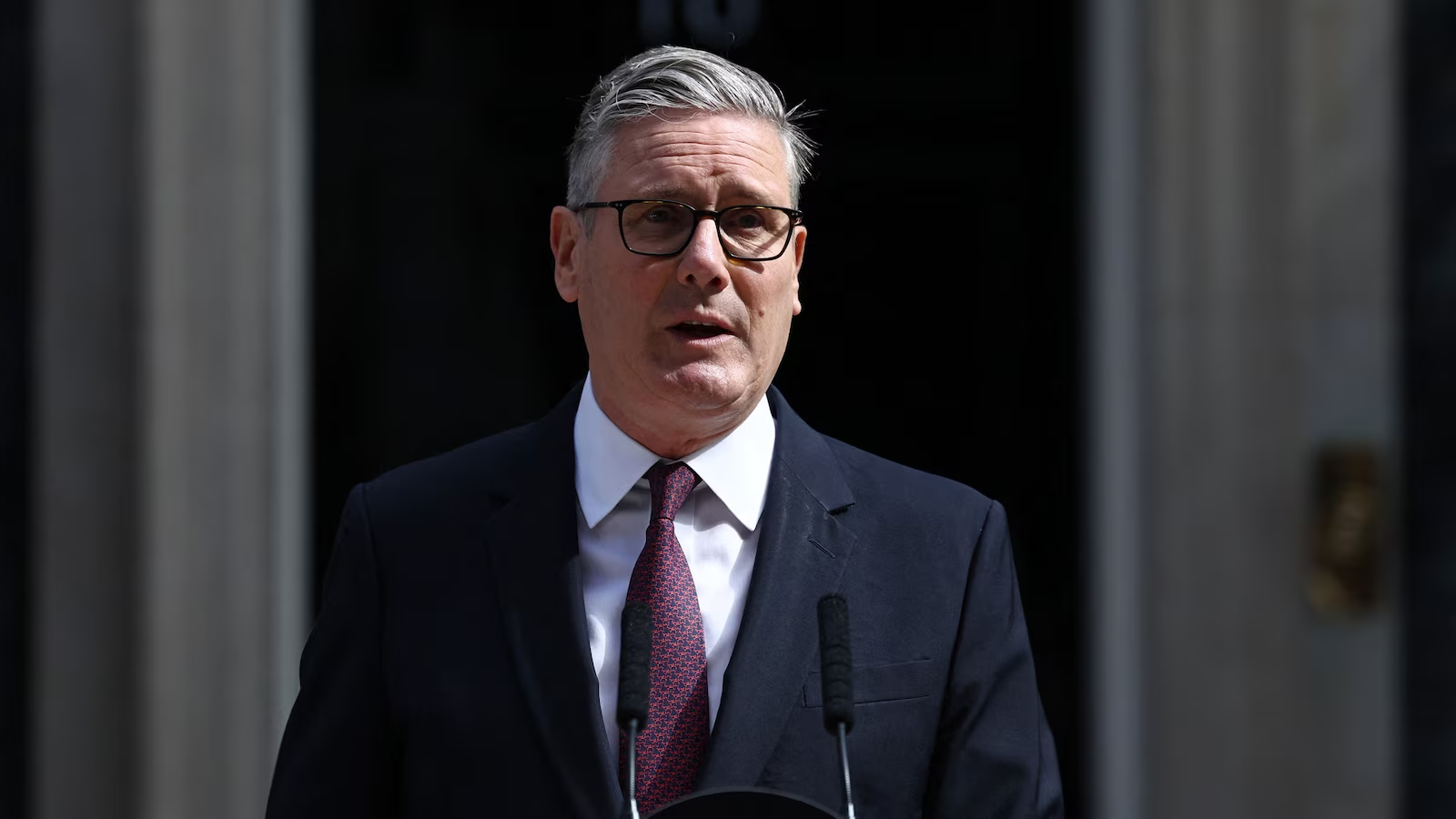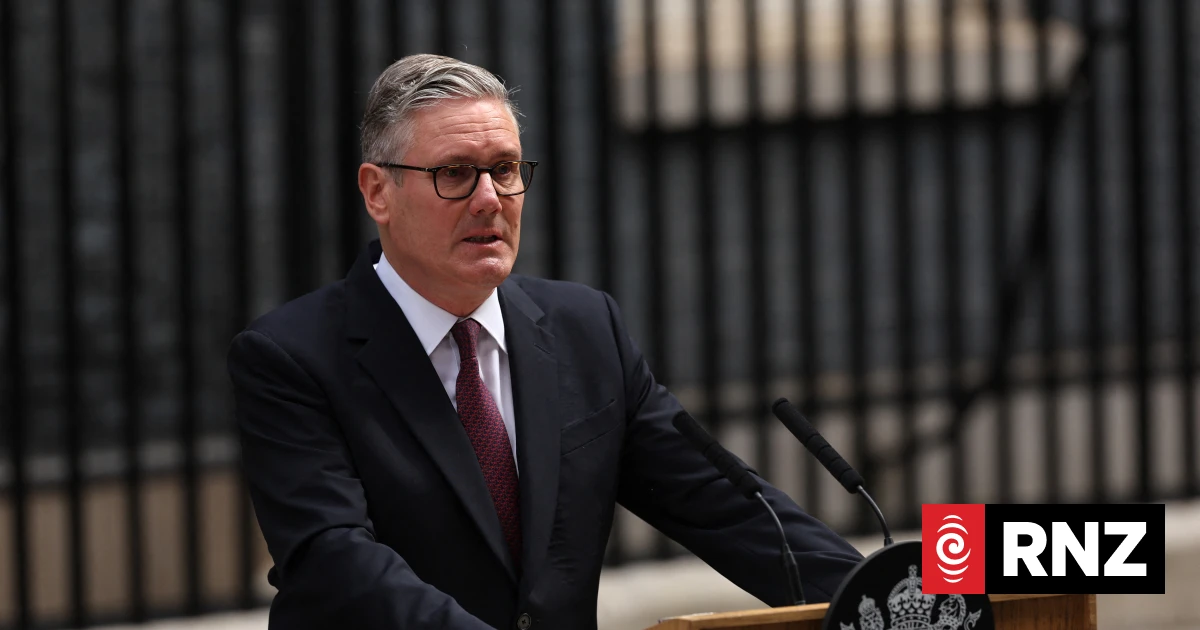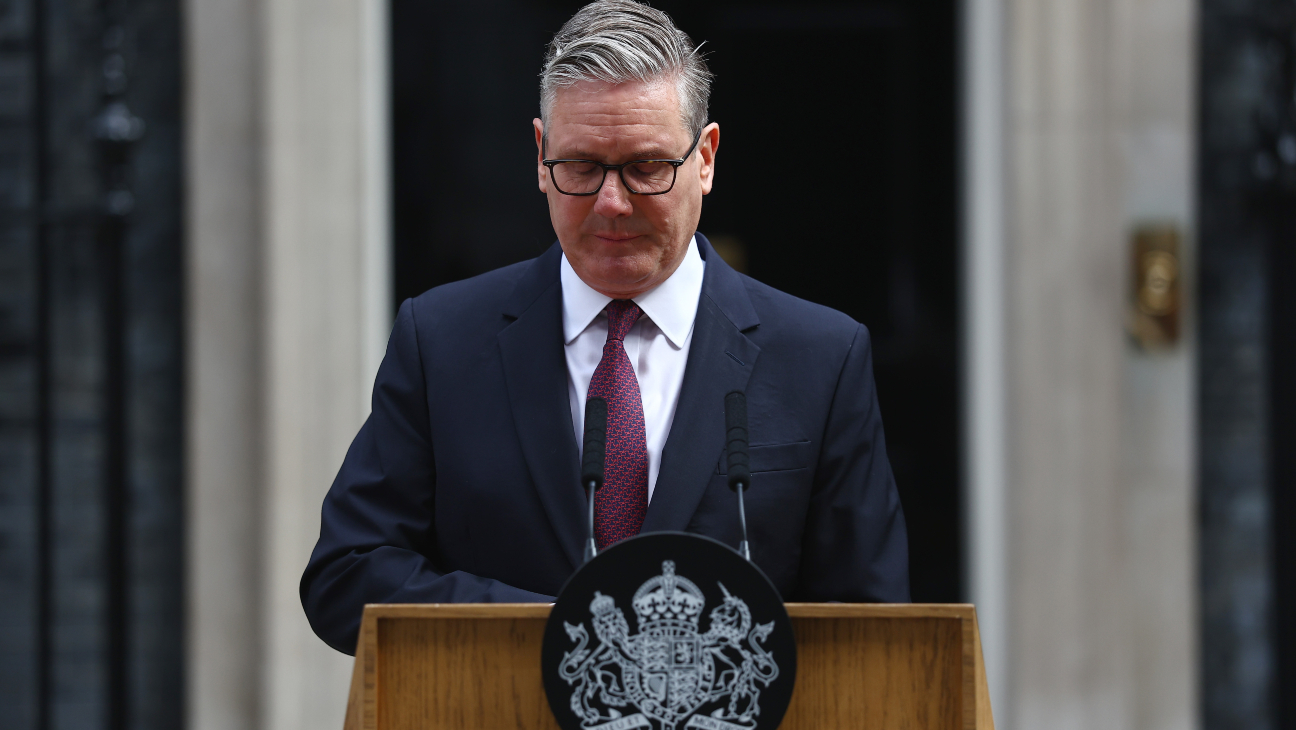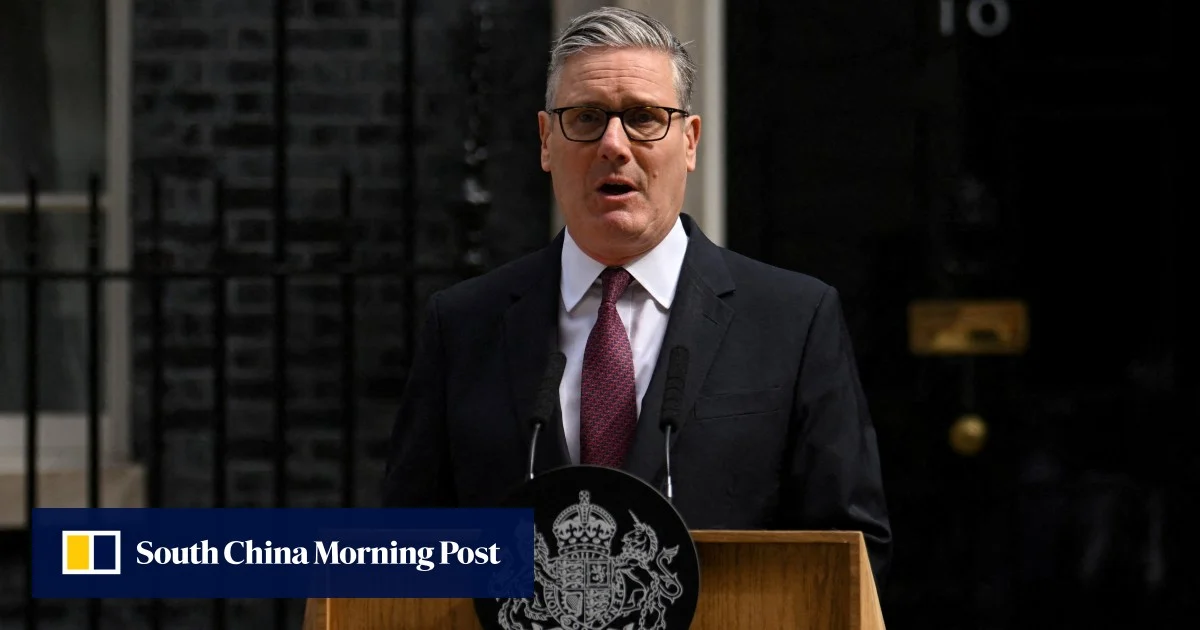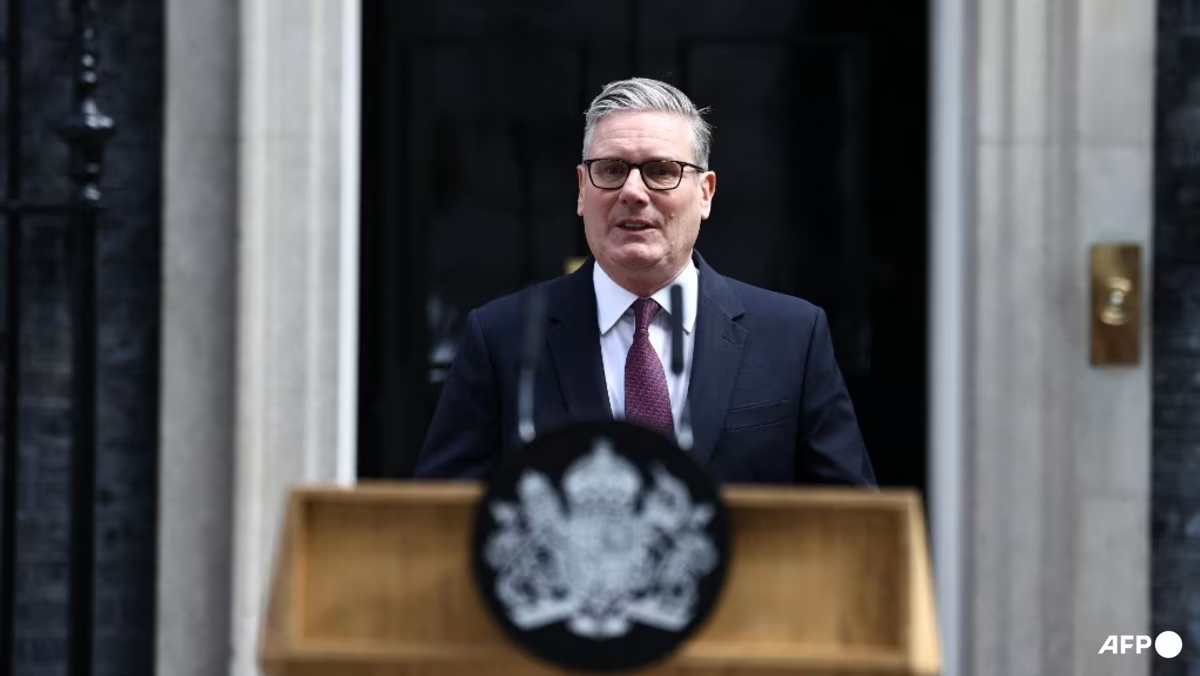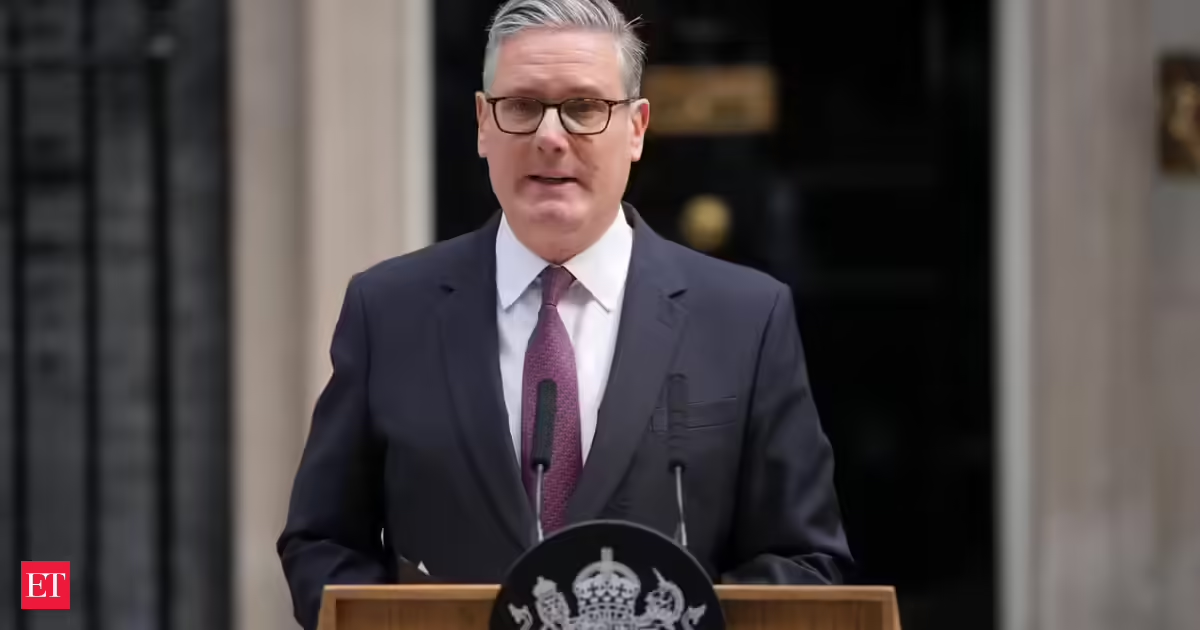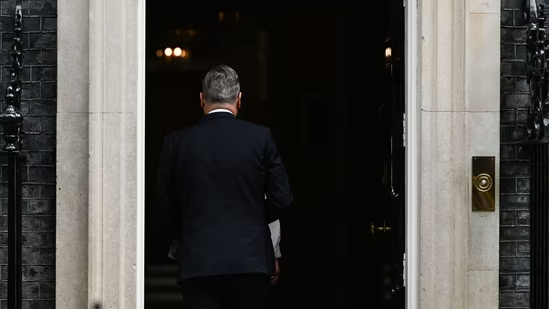
It’s done. After a weekend full of speculation and buzz about the United Kingdom’s fate, Labour Party’s Keir Starmer announced on Monday that he will resign as Prime Minister.Keir Starmer, UK prime minister, returns inside 10 Downing Street, after announcing his resignation on Monday. (Bloomberg)The announcement comes after Starmer spent the weekend at Chequers, the country house of the UK Prime Minister, and mulled over the decision of whether to step down from the top post or not, amid growing challenges to his leadership from his own party and cabinet.The move marks the sixth resignation or moving out of a United Kingdom Prime Minister in the last 10 years. In fact, Larry the cat, who lives on Downing Street, has now officially outlasted the last six Prime Ministers UK have had.Track live updates of UK PM resignation hereHere’s a look at the six UK PM resignations since 2016 -David Cameron - Conservative Party’s David Cameron resigned as UK PM in July 2016 after six years in office and had wished the country “continued success” in its post-Brexit future. As UK’s Prime Minister, Camera pushed for a “special relationship” with India and had established a rapport with PM Modi during his visit to London in November 2015. His resignation came after the Britons voted to exit the European Union while he was a member of the ‘Remain’ camp. Later, he also decided to step down as MP as well and said he did not want to remain in the House of Commons and be a distraction to his successor Theresa May and her government. “Obviously I’m going to have my own views about different issues. People would know that and that’s really the point. As a former prime minister it is very difficult, I think, to sit as a backbencher and not be an enormous diversion and distraction from what the government is doing,” he had said.Also read: Why did Keir Starmer resign as UK Prime Minister? 5 points on his exitTheresa May - Cameron was succeeded by his party colleague Theresa May, who was tasked with extricating the country from the EU following the contentious Brexit referendum on June 23, 2016. She was the UK's second woman Prime Minister after Margaret Thatcher, who was in office from 1979 to 1990. However, she was also forced to step down just three years later in 2019 after her tenure lasted 1,106 days. On May 24, 2019, she announced her resignation and broke down in tears during her address. She was forced to resign after she could not secure parliamentary approval for her Brexit deal and saw over 35 ministerial resignations during her brief tenure.Boris Johnson - After May’s exit, Johnson won a leadership election and succeeded her. A former journalist educated in Eton and Oxford, Johnson won the leadership contest against then foreign secretary Jeremy Hun to be elected the leader of Conservative Party ruling at the time and UK PM. He was forced to resign in July 2022 after a slew of resignations from his top team in protest to his leadership.Also read: From Andy Burnham to Angela Rayner and Shabana Mahmood: Who could become Britain's next prime minister?Liz Truss - Johnson was succeeded by Liz Truss, who became the shortest-serving UK PM as she resigned only after 45 days in office. She resigned a day after she had said that she is “a fighter and not a quitter”. Truss became the third Conservative leader to be toppled in a row after her “mini-budget” economic plan triggered a market crisis, plummeted the value of British Pound and she lost confidence within the party. She resigned on October 25, 2022.Rishi Sunak - Sunak became the first Indian-origin Prime Minister of the UK in October 2025 after winning a Conservative party leadership race. At 42, he was also the youngest prime minister in the UK’s history, after David Cameron, who took on the job at the age of 43. However, in 2024, the 14-year rule of Conservative Party came to an end amid a wave of anti-incumbency and a hit to Sunak’s popularity, ending his tenure at 10 Downing Street as he resigned on July 4, 2024.Also read: Who is Andy Burnham? Labour leader likely to be named UK PM as Keir Starmer announces resignationKeir Starmer – It was him who spearheaded the Labour Party to power in the UK in over a decade with a historic mandate and promised to turn around the country’s fate. Starmer was expected to bring stability in UK’s politics, which has seen rapid PM resignations in the last few years. However, amid failure in delivering on his promises economic growth, tattered public services, cost of living, etc and crushing defeat of Labour Party in recently held polls in the country, Starmer lost the confidence of his party for leading it in 2029 general elections. His prime ministership was also marred by a major controversy after he appointed Peter Mandelson as UK’s ambassador to the United States, who later turned out to have ties with disgraced financier Jeffrey Epstein more than previously known. As he faced growing calls to resign from his party MPs and cabinet members, Starmer announced on Monday, June 22, that he will resign as UK PM. "The question my party is asking now is whether I am best placed to lead us into the next general election. I have heard the answer from my parliamentary party to that question and I accept that answer with good grace,” he said in an emotional speech. Starmer is expected to be replaced by Labour Party’s Andy Burnham, who won his way into the UK Parliament through a byelection last week. However, whether he will face a leadership challenge or be elected through coronation is not yet confirmed.
Keir Starmer 6th UK PM to resign in last 10 years: List of ‘unpopular’ PMs in Britain's ‘House of Cards’
As he faced growing calls to resign from his party MPs and cabinet members, Keir Starmer announced on Monday, June 22, that he will resign as UK PM. | World News
TL;DRAI
Keir Starmer resigns as UK PM on June 22, sixth Prime Minister to step down in 10 years, after Labour lost confidence on economic growth and public services. UK political instability threatens tech talent, startup viability, and AI regulatory direction.
960 words~4 min read