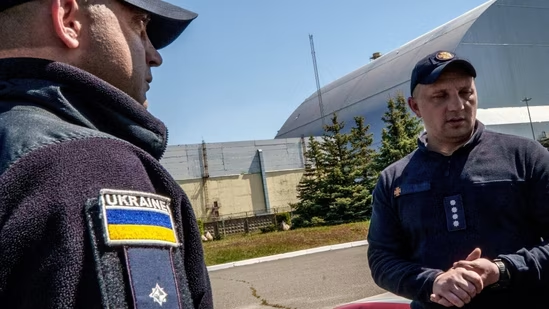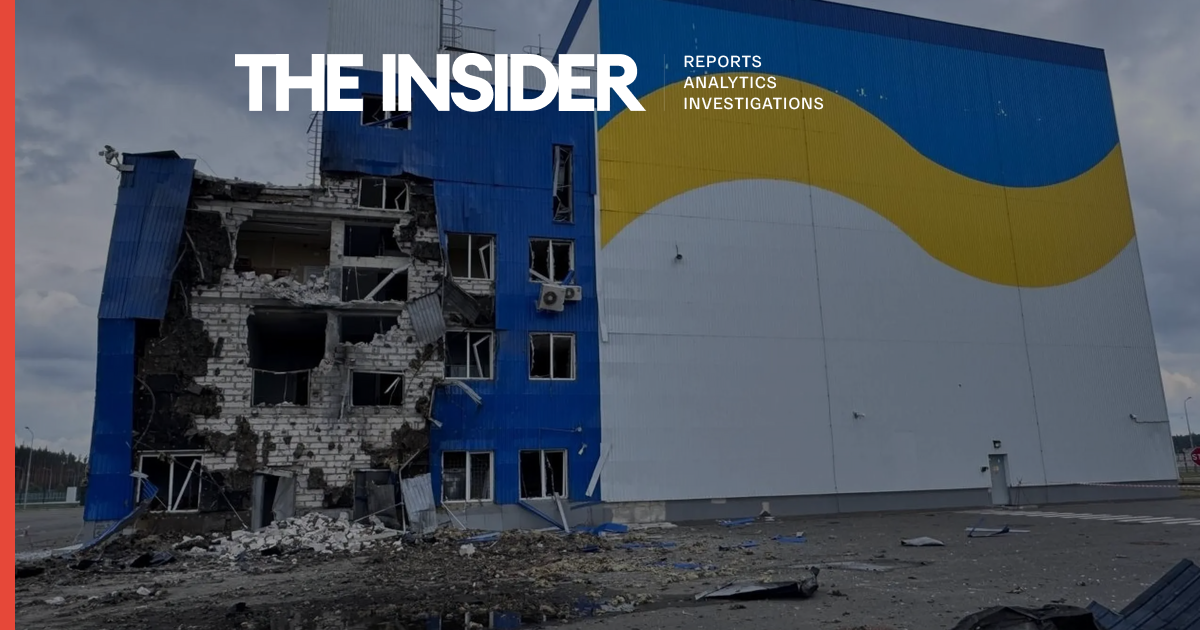
A Russian drone struck a spent nuclear fuel reception facility roughly nine miles from the Chornobyl Nuclear Power Plant on June 7, igniting a fire that Ukrainian emergency crews raced to extinguish. The blaze covered approximately 430 square feet before responders brought it under control.
No spent nuclear fuel was actually stored in the building at the time of impact. Radiation levels in the surrounding area remained stable and within normal limits, according to monitoring by the International Atomic Energy Agency (IAEA). No injuries were reported.
What happened and why Chornobyl keeps getting hit
The weapon was identified as a Shahed/Geran-2 drone, the same Iranian-designed loitering munition that Russia has deployed extensively throughout its war in Ukraine. The target was a container-receiving building associated with spent nuclear fuel storage, not the reactor confinement structure itself.
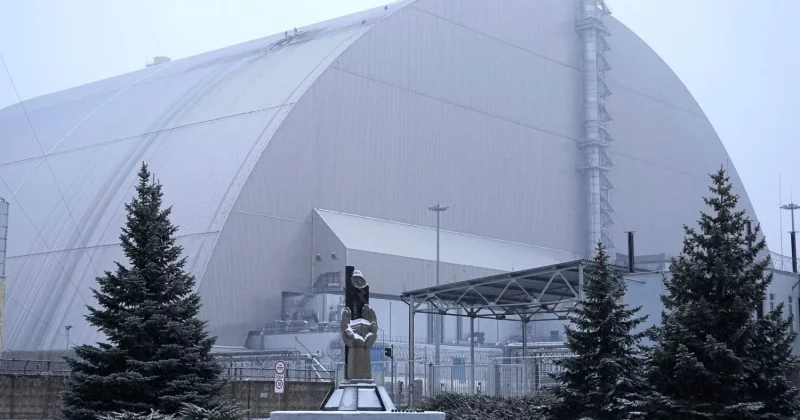
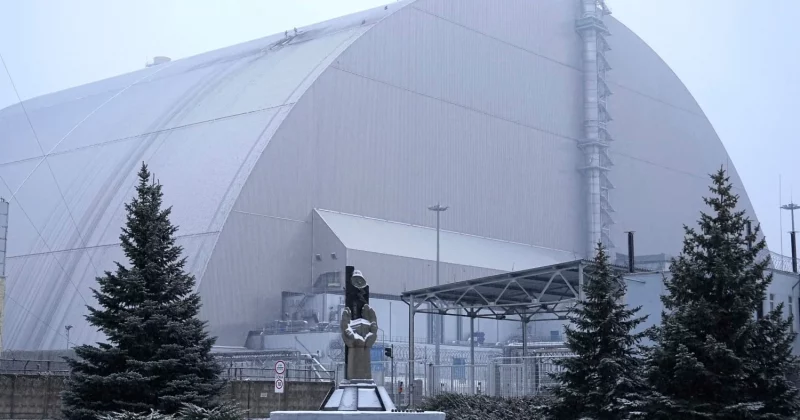
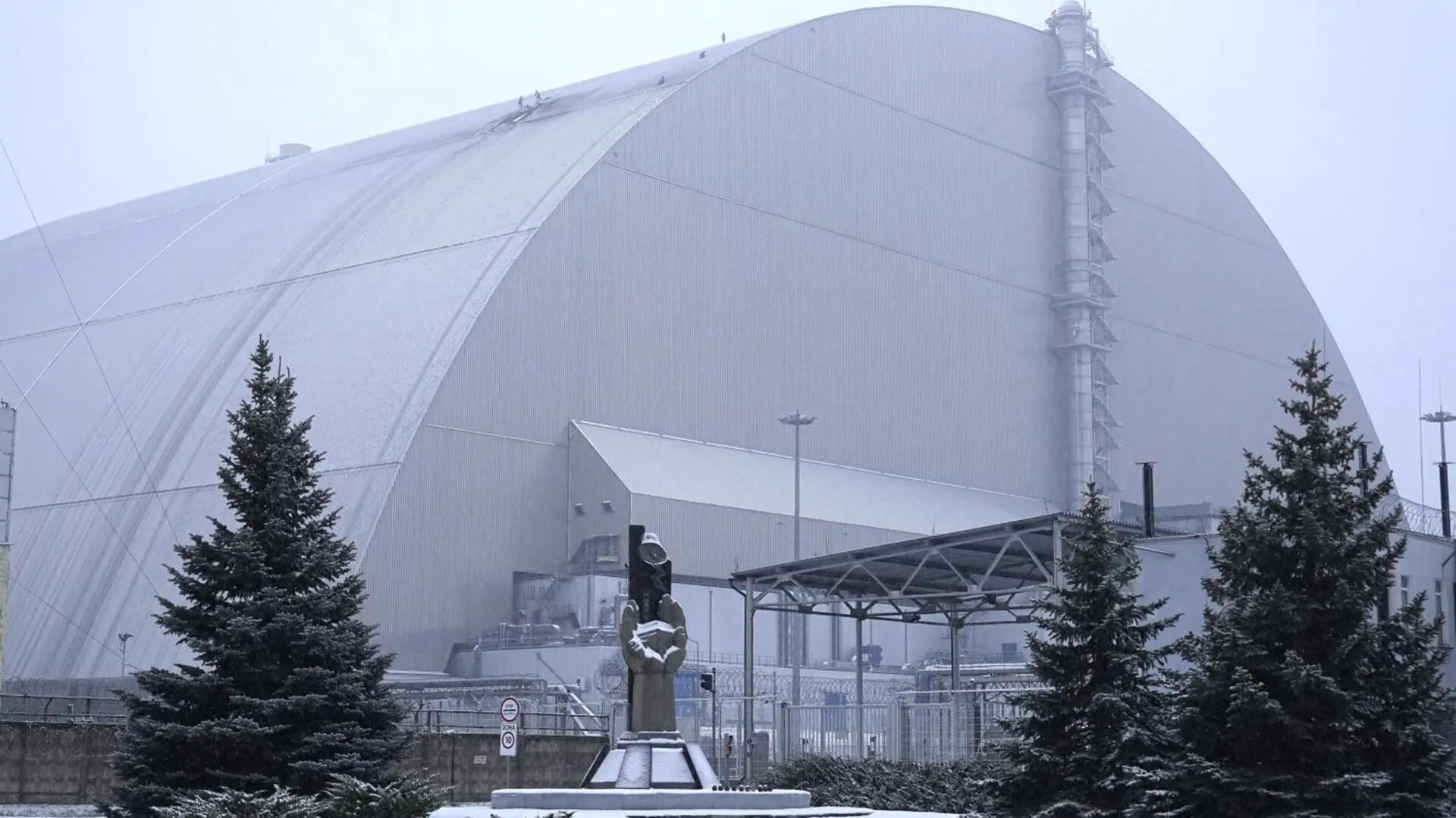
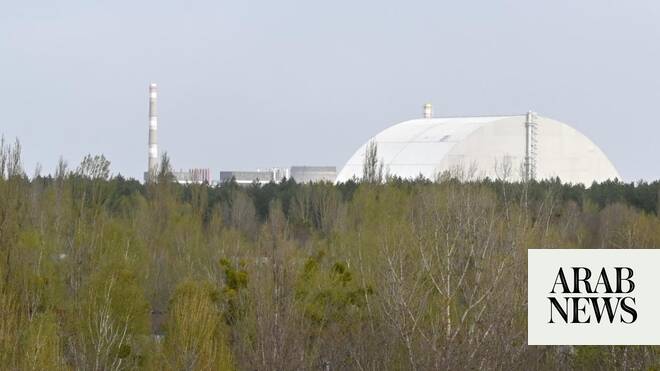
On February 14, 2025, a drone strike hit the New Safe Confinement (NSC), the massive arch-shaped structure built to contain the radioactive remains of Reactor 4. That attack tore a hole greater than 500 square feet in the structure’s insulation cladding and caused smoldering fires. The IAEA inspected the February damage and confirmed no harmful radiation had been released.