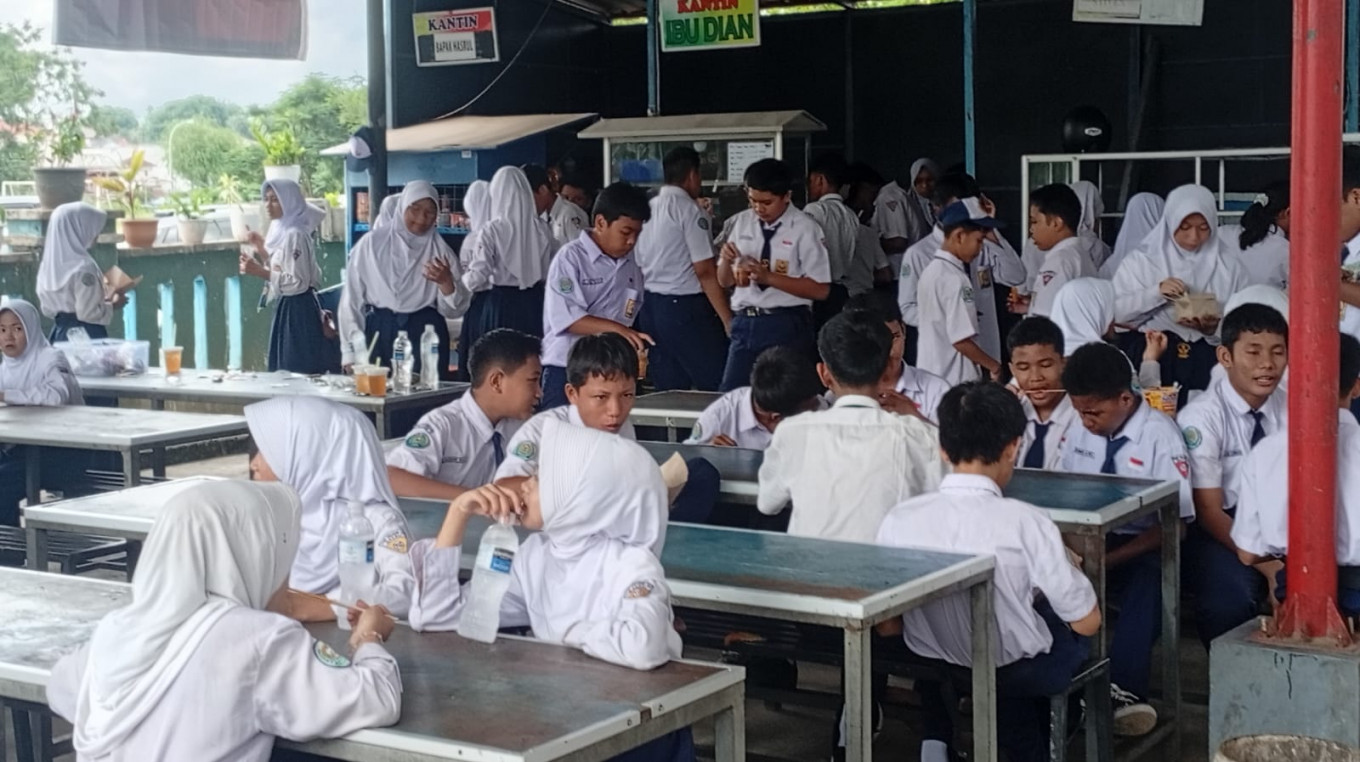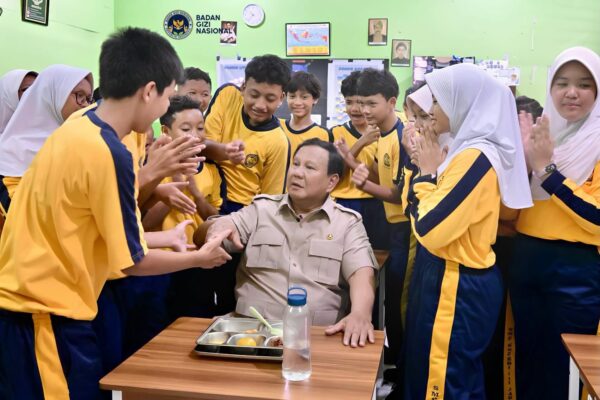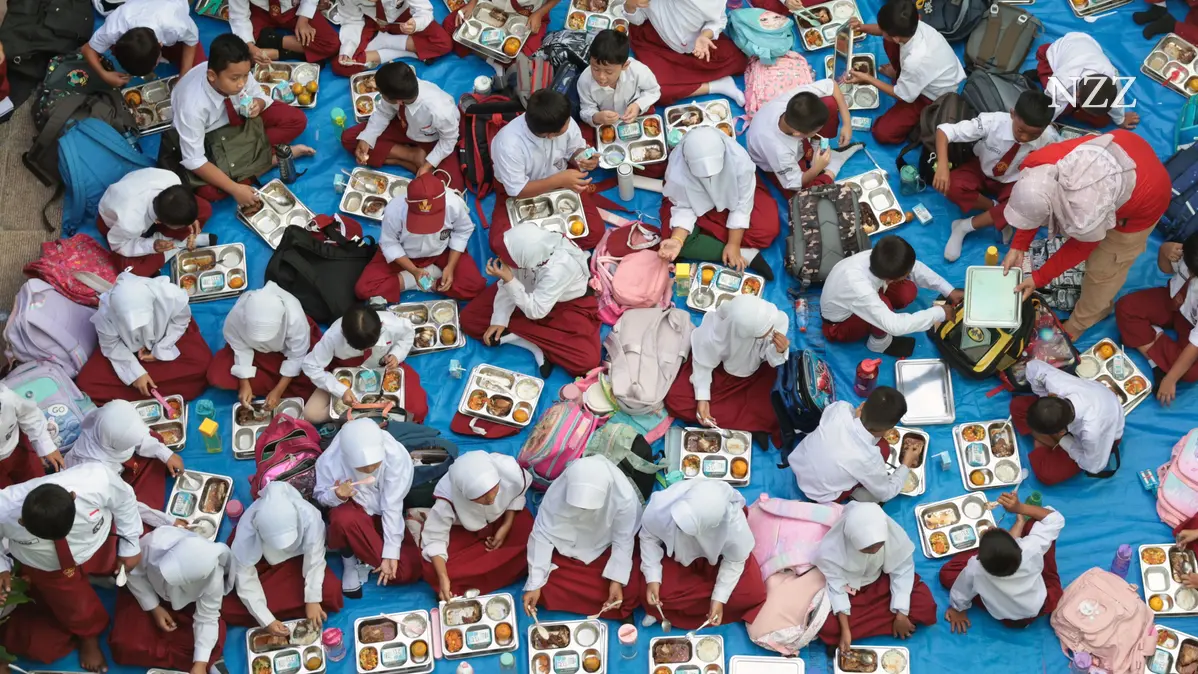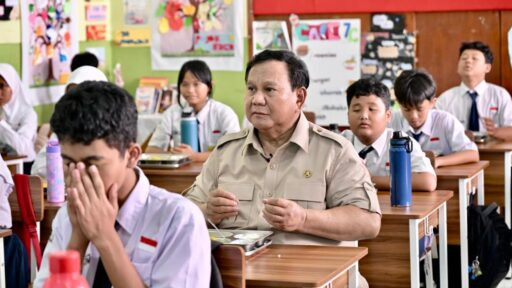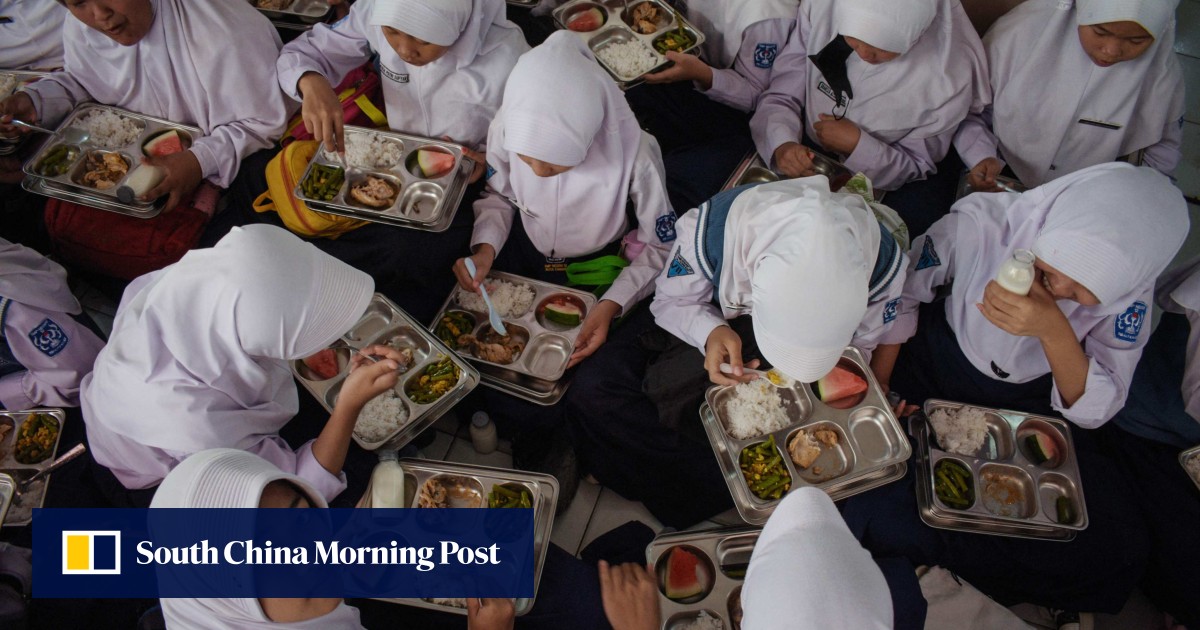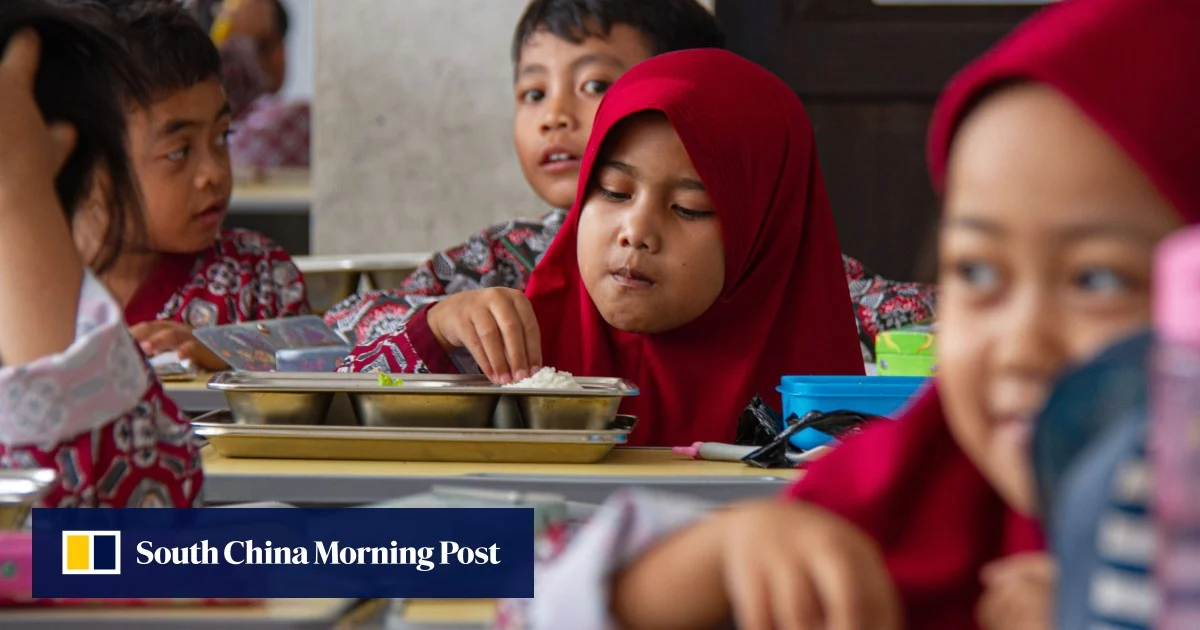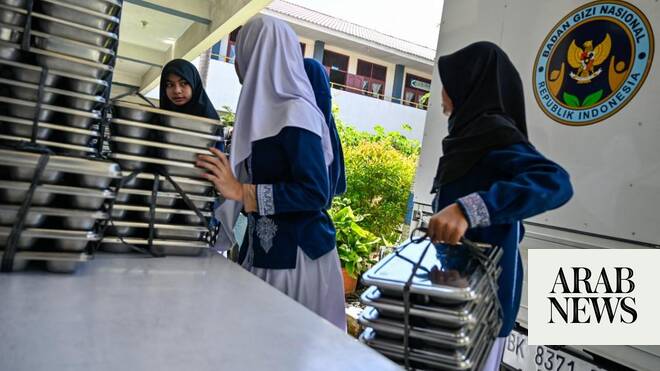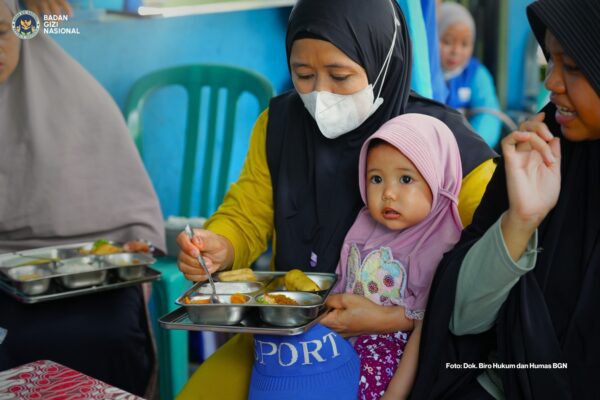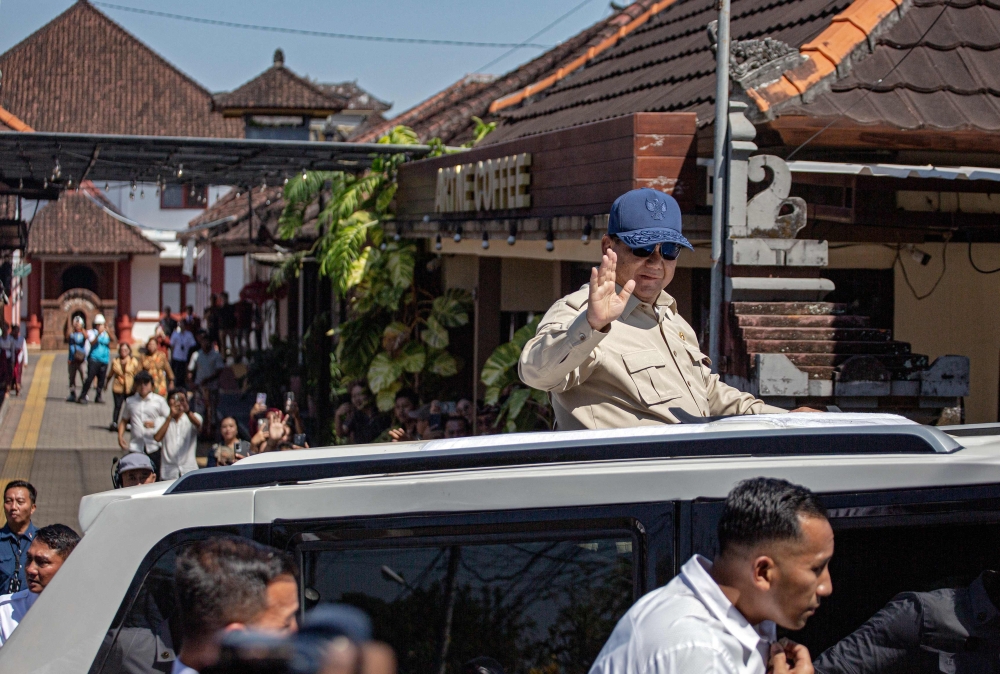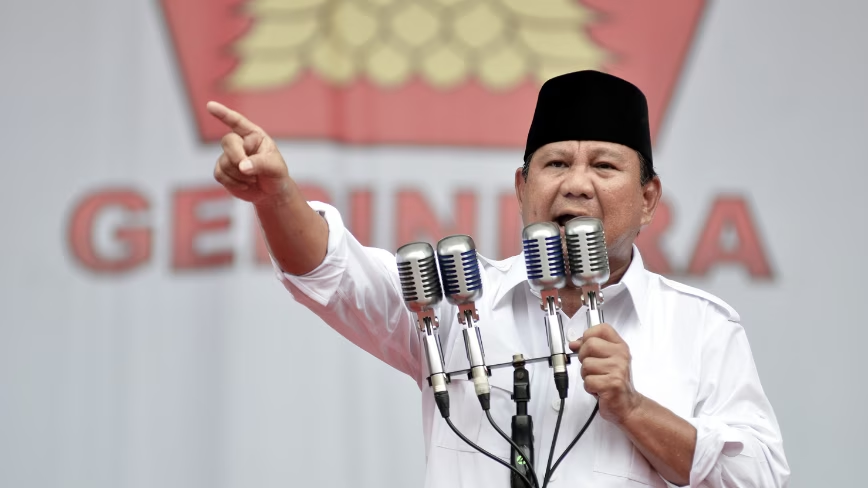
The most expensive promise Prabowo Subianto made on his way to Indonesia’s presidency was lunch. His free-meals programme, budgeted at roughly $15bn to feed some 83 million children and pregnant women across an archipelago of thousands of islands, is the kind of undertaking that lives or dies on logistics.
Now Jakarta wants to point artificial intelligence at exactly that problem, embedding the technology into the meal scheme and a handful of other flagship programmes as it tries to make the machinery of the state work harder, says Reuters in an exclusive work.
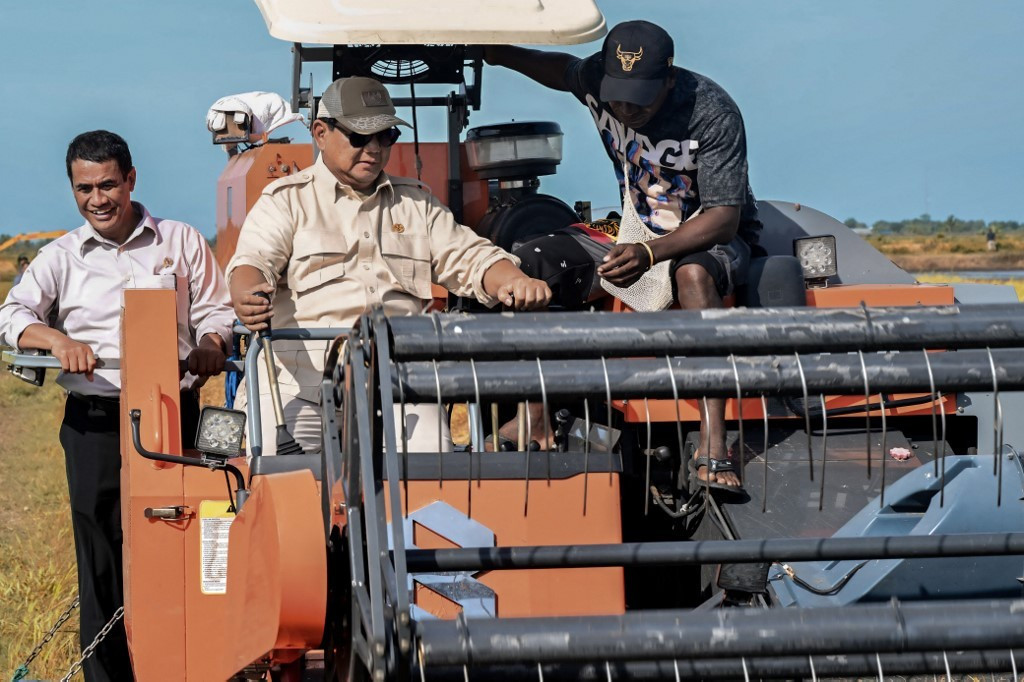
The plan treats AI less as a moonshot than as plumbing. Indonesia’s national roadmap names a set of near-term, practical uses: tools to monitor the free nutritious-meal programme, models to forecast crop yields in support of the country’s food self-sufficiency drive, and systems to track financial reporting inside the Red-White cooperative initiative, another of Prabowo’s signature schemes.
The throughline is that these are not consumer products but back-office instruments aimed at waste, leakage, and the gap between what a programme promises and what actually reaches people.
That focus on a single, very large meal programme is telling. A scheme that size, run across remote districts, is precisely where money goes missing and food spoils before it arrives, and the government has already moved to refocus the rollout on more remote areas while trimming the pace of new kitchen construction.