This first appeared in Lit Hub’s Literary History newsletter—sign up here.Article continues after advertisement
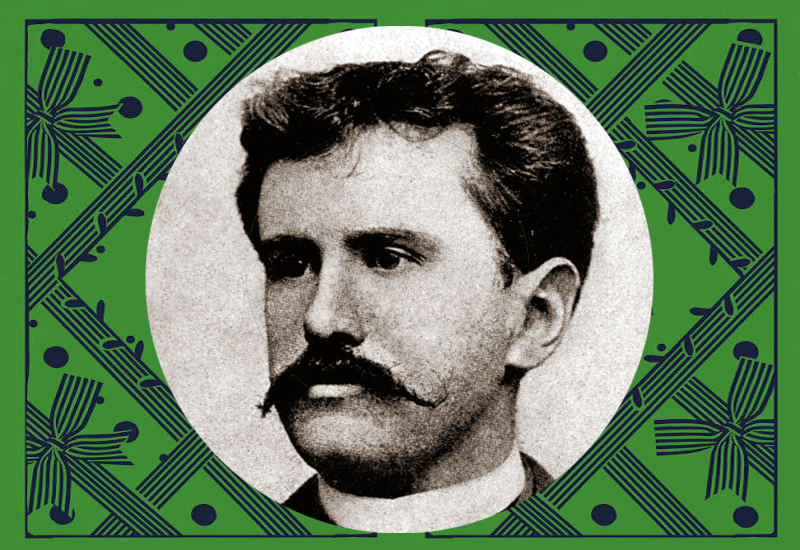
In the early 1800s, when people named their cliques, Washington Irving was “sort of a ringleader” of a group of men in Manhattan who called themselves “the Lads of Kilkenny.” The Lads were described by historian Edwin Burrows as “a loosely knit pack of literary-minded young blades out for a good time.” Which they clearly had: in 1807, Irving and some of these friends launched a short-lived, comedic magazine of literature and politics called Salmagundi; or The Whim-whams and Opinions of Launcelot Langstaff, Esq. & Others, in which they, among other things, were the first to call New York City “Gotham.” (It was not a compliment.)
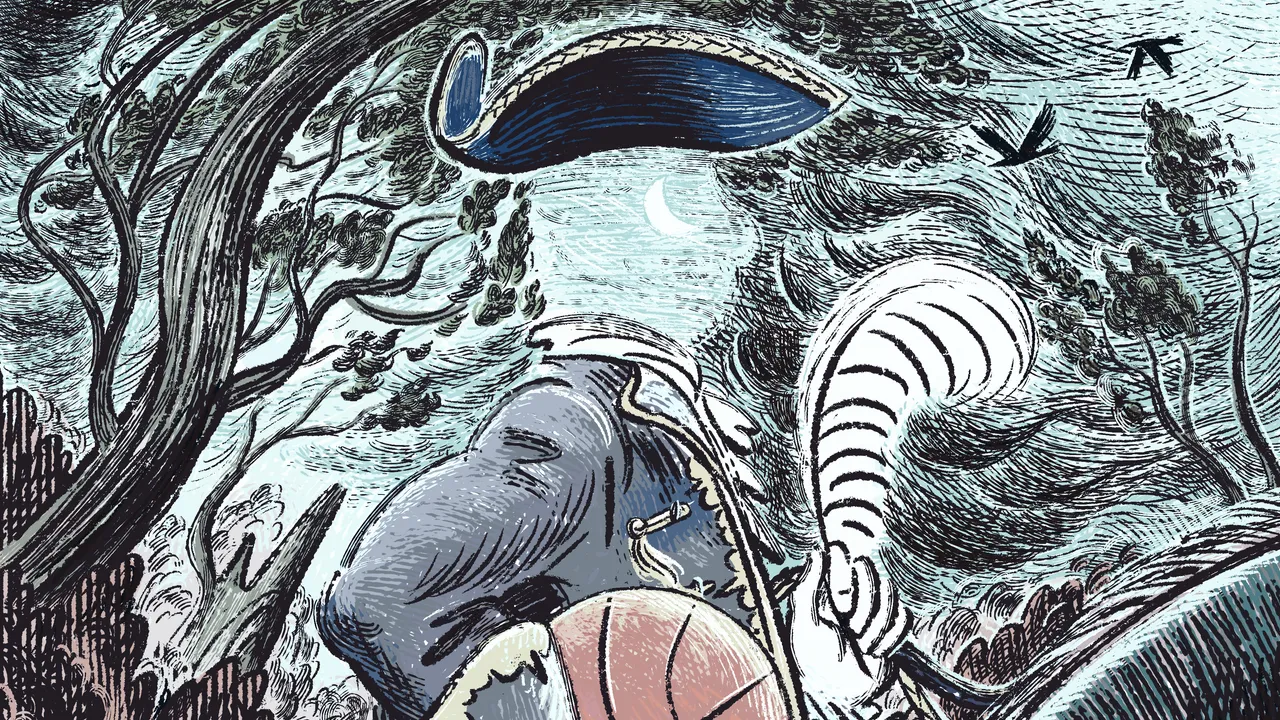
Irving’s first novel, A History of New-York from the Beginning of the World to the End of the Dutch Dynasty, by Diedrich Knickerbocker (1809), was similarly satirical, purporting to be written by a Dutch-American historian in breeches—and after a guerrilla marketing campaign, the book made Irving famous. By the way: Irving had borrowed the name “Knickerbocker” from a friend, but his use of it in this book led to the word being attached to both the old-fashioned pants and the New York aristocracy of the time, when in turn led to it being adopted as the name of a certain New York athletic club, the “New York Knickerbockers,” in 1842, and eventually would be adopted by a basketball team, ahem, the New York Knicks (in 5).