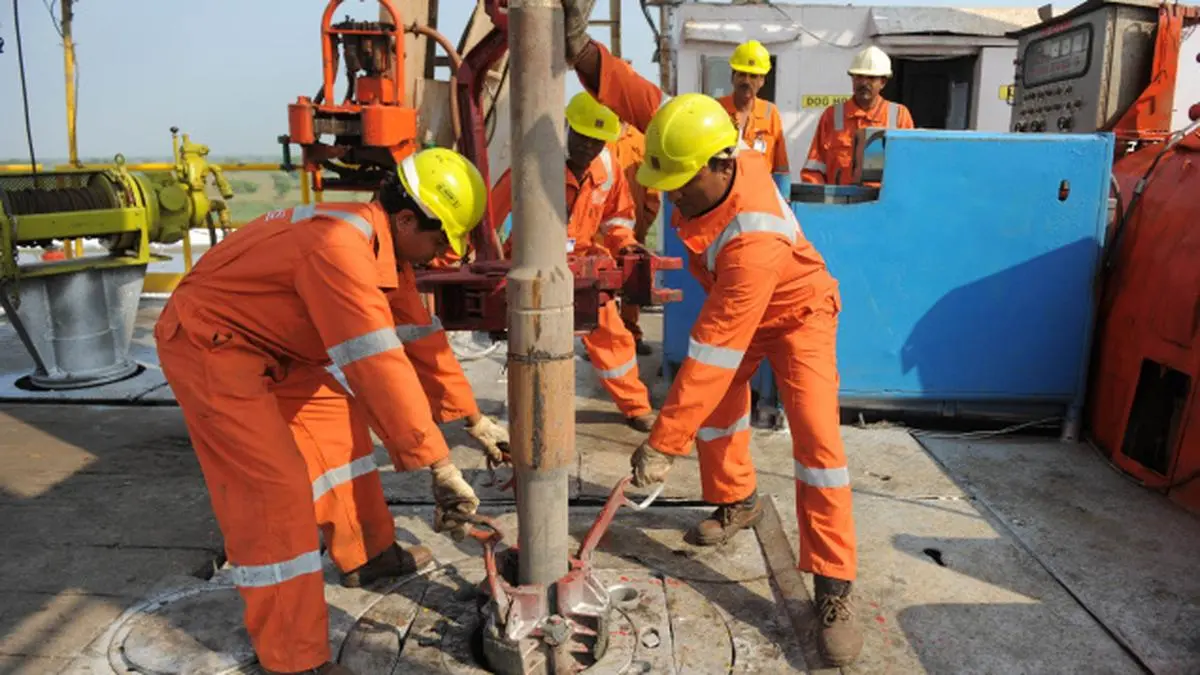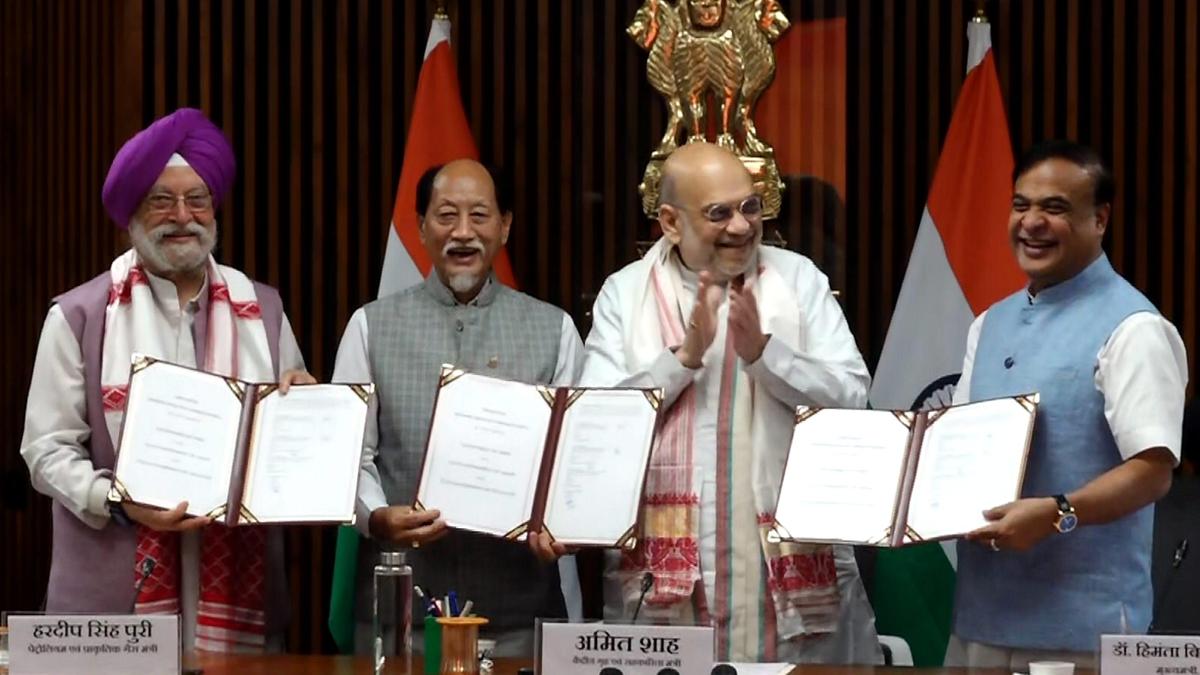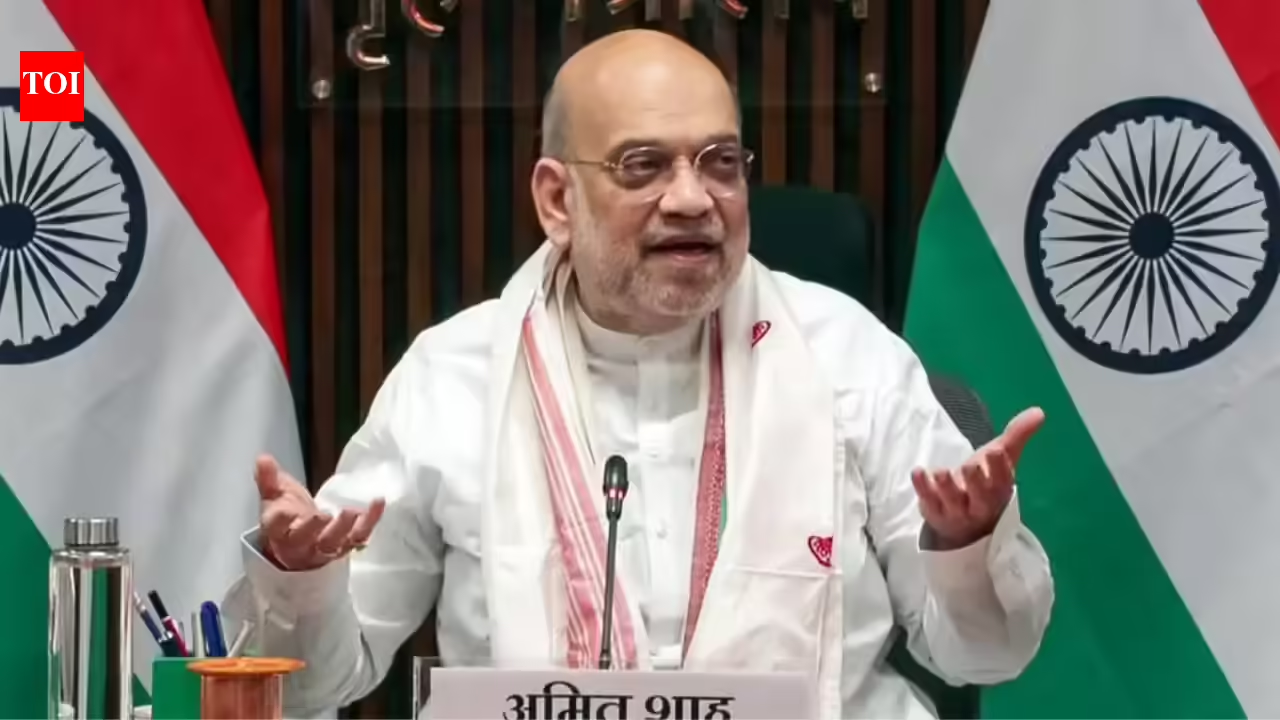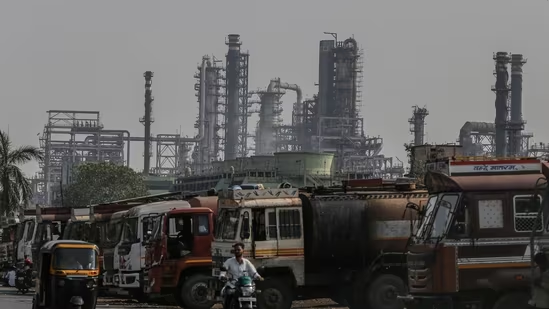
The signing of the tripartite Memorandum of Understanding (MoU) between the Union Government, Assam and Nagaland on June 11, 2026 marks one of the most consequential economic agreements in Northeast India in recent years. The high-profile event was attended by Assam chief minister (CM) Himanta Biswa Sarma, Nagaland CM Neiphiu Rio, Union home secretary Govind Mohan, and top bureaucrats from both the centre and the respective state administrations. Beyond its significance as a confidence-building measure between two states with a long-standing boundary dispute, the agreement has the potential to unlock substantial hydrocarbon reserves that have remained inaccessible for nearly three decades.Petroleum Industry (Bloomberg file)The Northeast is the birthplace of India’s petroleum industry. The discovery of oil at Digboi in 1889 laid the foundation of the country’s hydrocarbon sector. Even today, Assam remains one of India’s most important energy-producing states. According to the ministry of petroleum and natural gas, Assam accounts for nearly 22% of India’s crude oil reserves and around 15% of its natural gas reserves. Yet, despite this resource wealth, the region’s hydrocarbon potential remains significantly underexplored.According to official sources, the primary objective of the MoU is to unlock and develop the vast hydrocarbon resources located in the border zones. For decades, exploration in these mineral rich areas had been stalled due to long-standing border between the two Northeastern neighbours. The newly signed agreement seeks to restart oil and gas exploration in the resource-rich Disputed Area Belt (DAB) along the Assam–Nagaland border, where exploration activities were suspended in the mid-1990s due to recurring tensions and unresolved territorial claims. The MoU covers six identified oil and gas fields and more than 1,000 square kilometres of prospective hydrocarbon-bearing territory.The importance of this breakthrough extends beyond the two states. India currently imports over 88% of its crude oil requirements and roughly half of its natural gas consumption. Reducing dependence on imports has become a strategic imperative amid volatile global energy markets and geopolitical uncertainties. Every additional barrel of domestic production contributes to energy security, reduces import bills and strengthens resilience against international supply disruptions.The Assam–Nagaland pact is particularly significant because it addresses one of the major non-geological barriers to exploration in the Northeast: Political uncertainty. For decades, companies such as Oil India Limited (OIL) and the Oil and Natural Gas Corporation (ONGC) faced operational challenges in disputed areas despite evidence of promising reserves. The agreement provides a framework for regulatory coordination, revenue sharing and uninterrupted operations, thereby improving investor confidence and reducing project risks.The economic implications could be substantial. Increased exploration activity would generate employment opportunities in drilling, logistics, transport, engineering services and ancillary industries. It could also stimulate infrastructure development in border districts that have historically suffered from underinvestment. Greater hydrocarbon production would strengthen the case for expanding downstream industries such as petrochemicals, gas-based power generation and city gas distribution networks across the Northeast. Officials highlighted that this collaborative framework represents a monumental stride towards fostering regional synergy, resolving historical friction through economic partnership, and accelerating overall development in the Northeast.Importantly, the agreement reflects a broader trend of cooperative federalism in Northeast India. Recent years have witnessed progress in resolving inter-state disputes, including agreements between Assam and several neighbouring states. The willingness of Assam and Nagaland to jointly pursue economic opportunities despite unresolved territorial questions demonstrates a pragmatic approach that prioritises development while political negotiations continue.However, optimism should be tempered with realism. Some Naga political groups have opposed the agreement, arguing that resource extraction should not precede a broader political settlement. Environmental concerns also require careful attention, particularly given recent incidents such as gas blowouts in Assam’s oilfields that highlighted the risks associated with hydrocarbon operations. Transparent governance, robust environmental safeguards and meaningful community participation will be critical to the pact’s long-term success.Nevertheless, the larger message is unmistakable. The Assam-Nagaland pact is not merely a border settlement; it could become a strategic response to contemporary global energy challenges. By unlocking hydrocarbon resources in the Assam-Arakan Basin, India can reduce import dependence, improve energy security, attract investment, and build resilience against geopolitical disruptions in the global energy markets. In this sense, the agreement serves as a domestic solution to increasingly uncertain international energy conditions. This pact also transforms a zone historically associated with conflict into a potential corridor of economic cooperation. If implemented effectively, it could revive dormant investments, boost domestic hydrocarbon production and reinforce the Northeast’s position as a strategic pillar of India’s energy security. In a region often viewed through the lens of political disputes, the agreement offers a compelling alternative narrative: one where shared prosperity becomes the foundation for lasting peace.(The views expressed are personal)This article is authored by Monalisa Deka, manager in the Aerospace Division, Manekshaw Centre (SPV for Defence & National Security).
Assam-Nagaland oil pact raises hope for Northeast’s energy future
This article is authored by Monalisa Deka, manager in the Aerospace Division, Manekshaw Centre (SPV for Defence & National Security.
785 words~4 min read