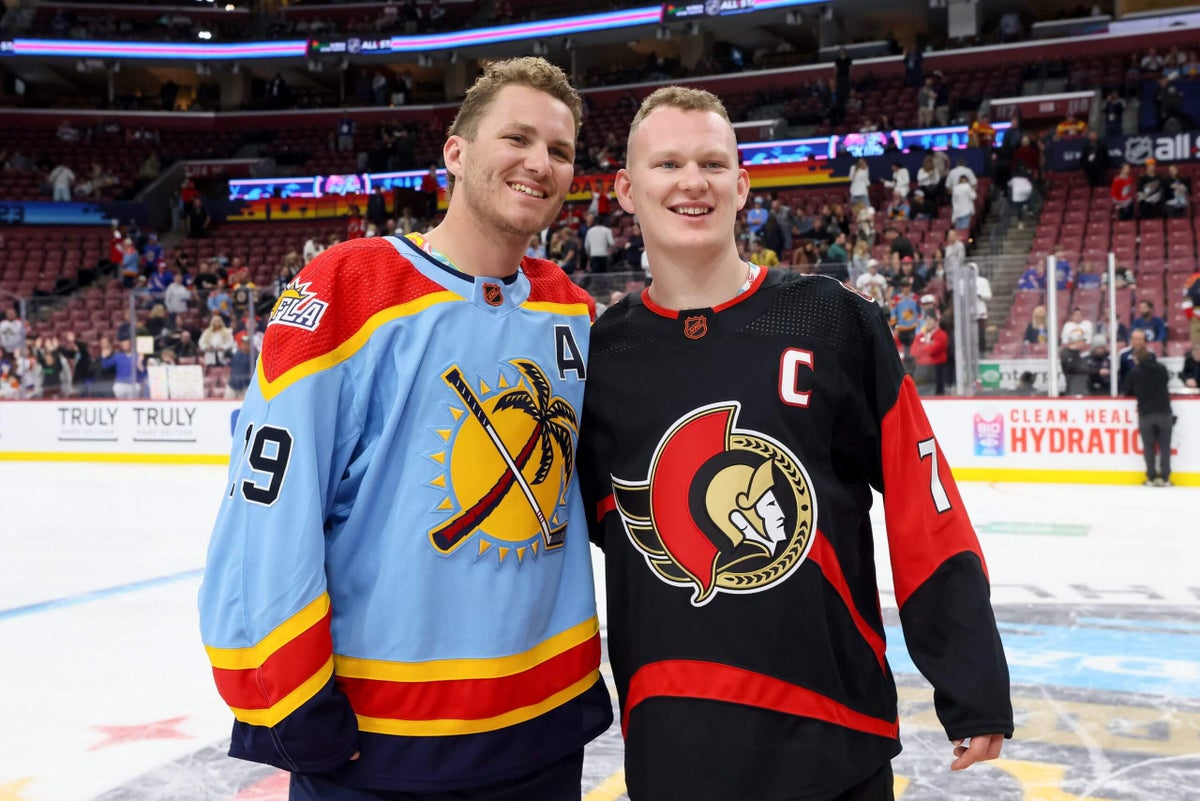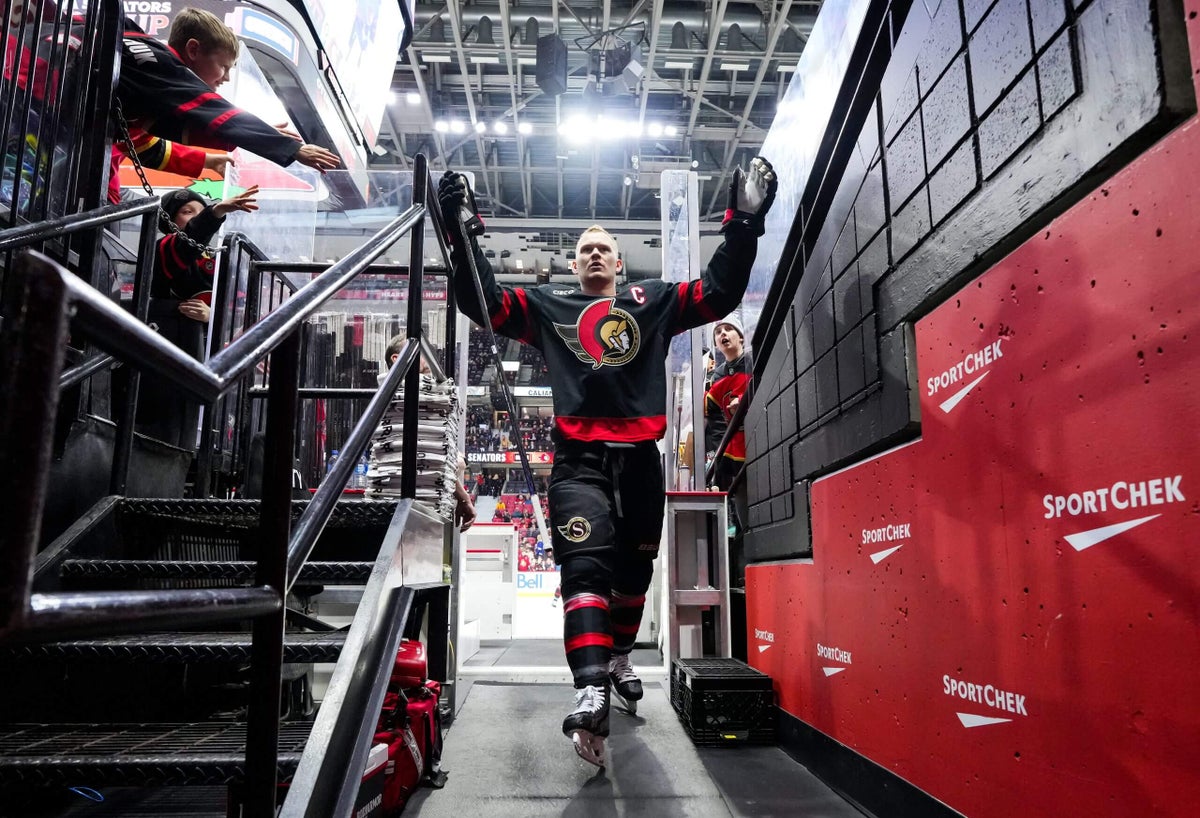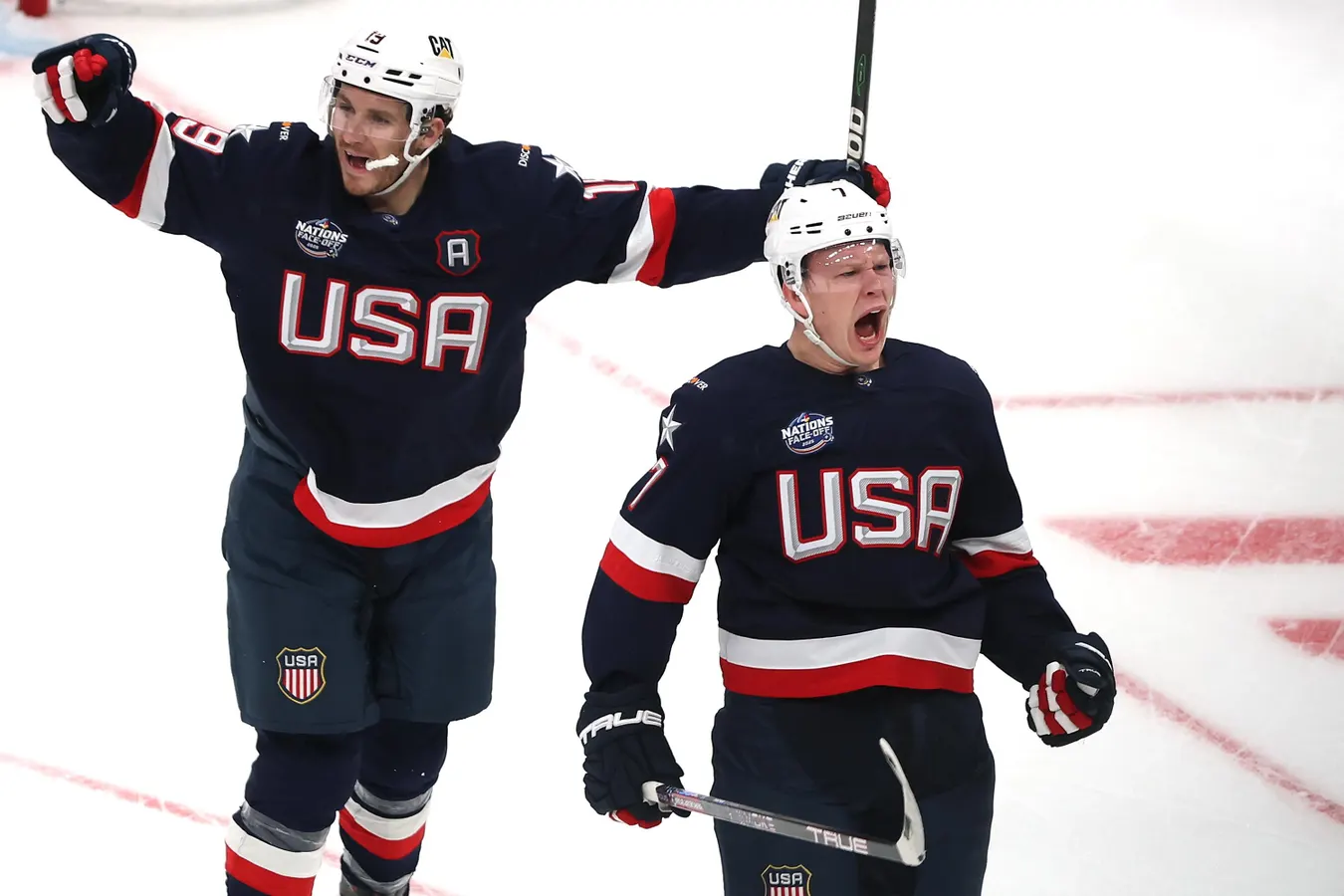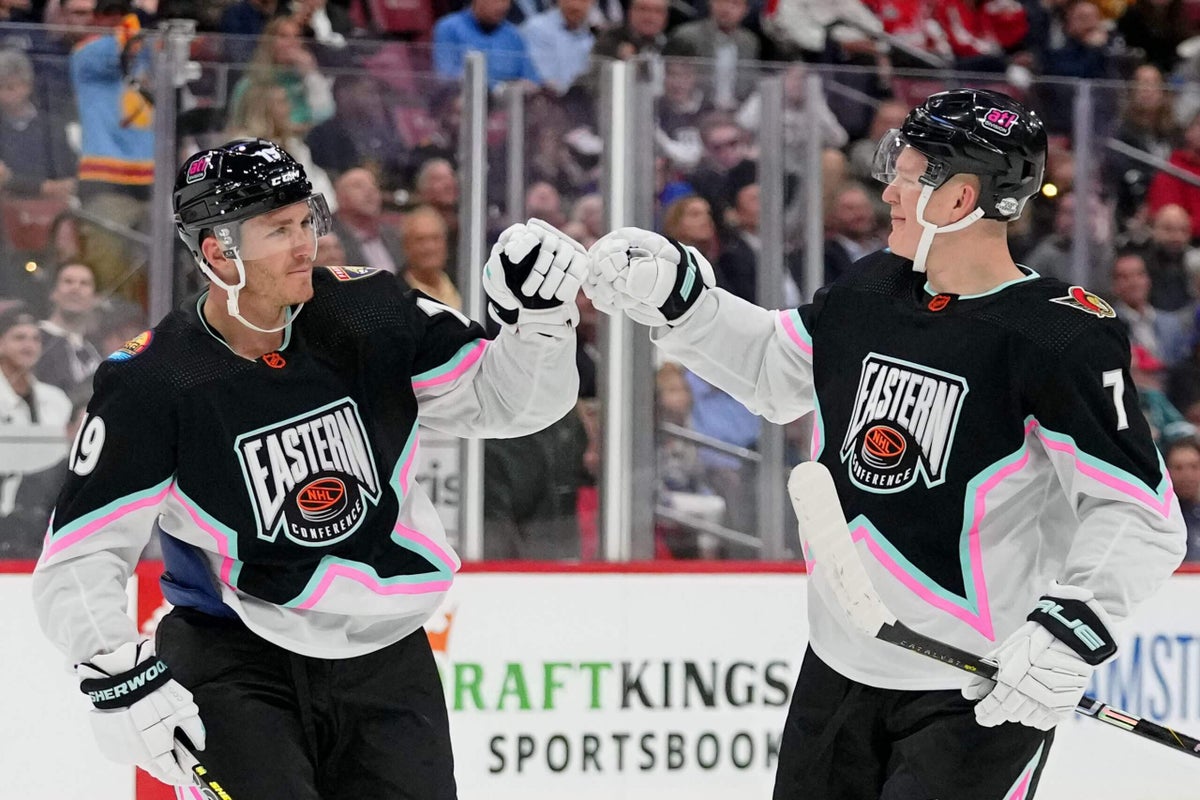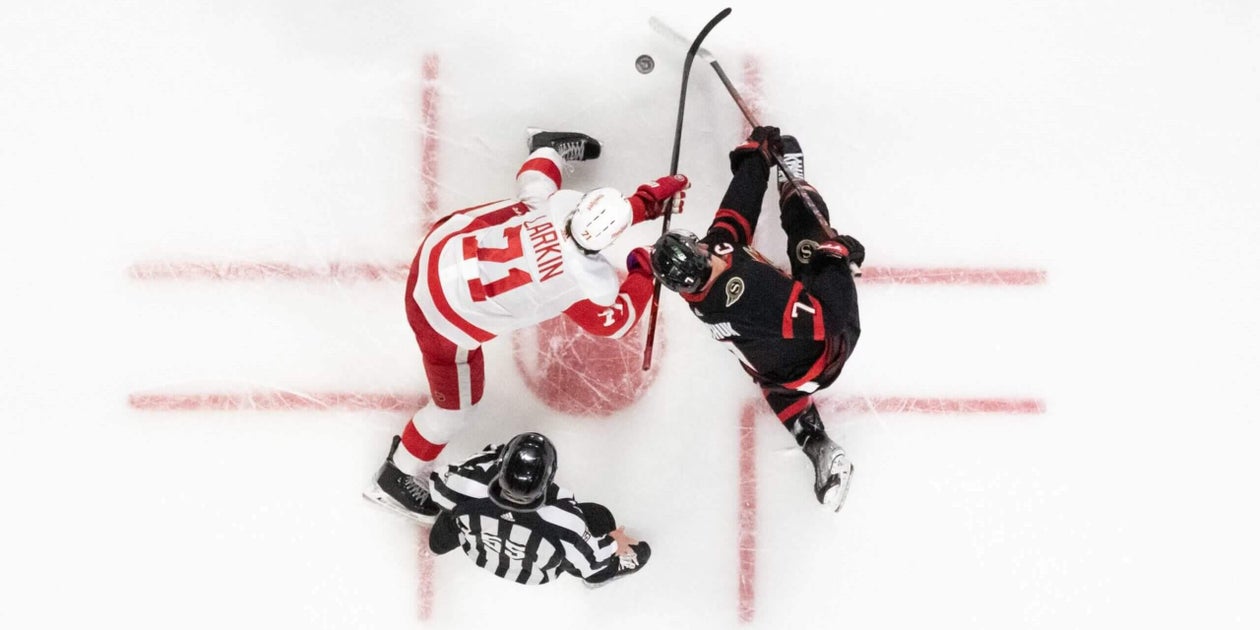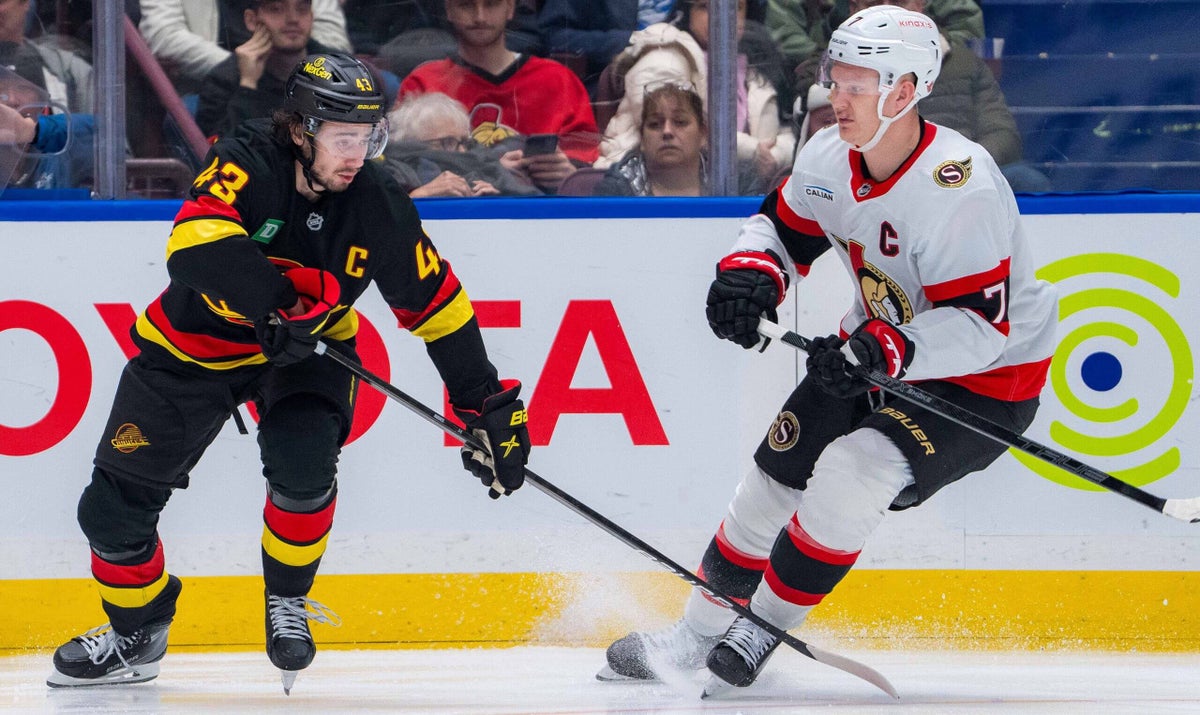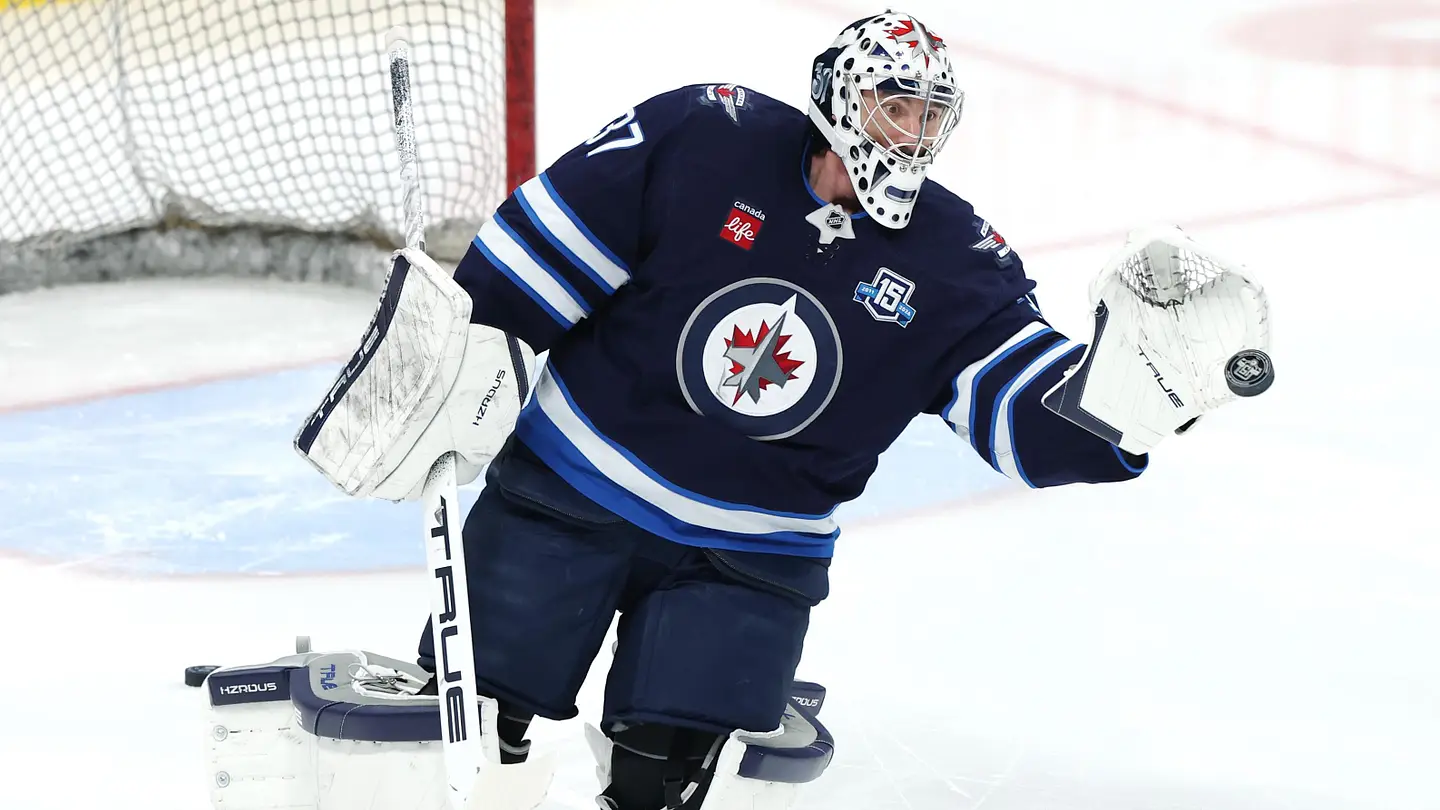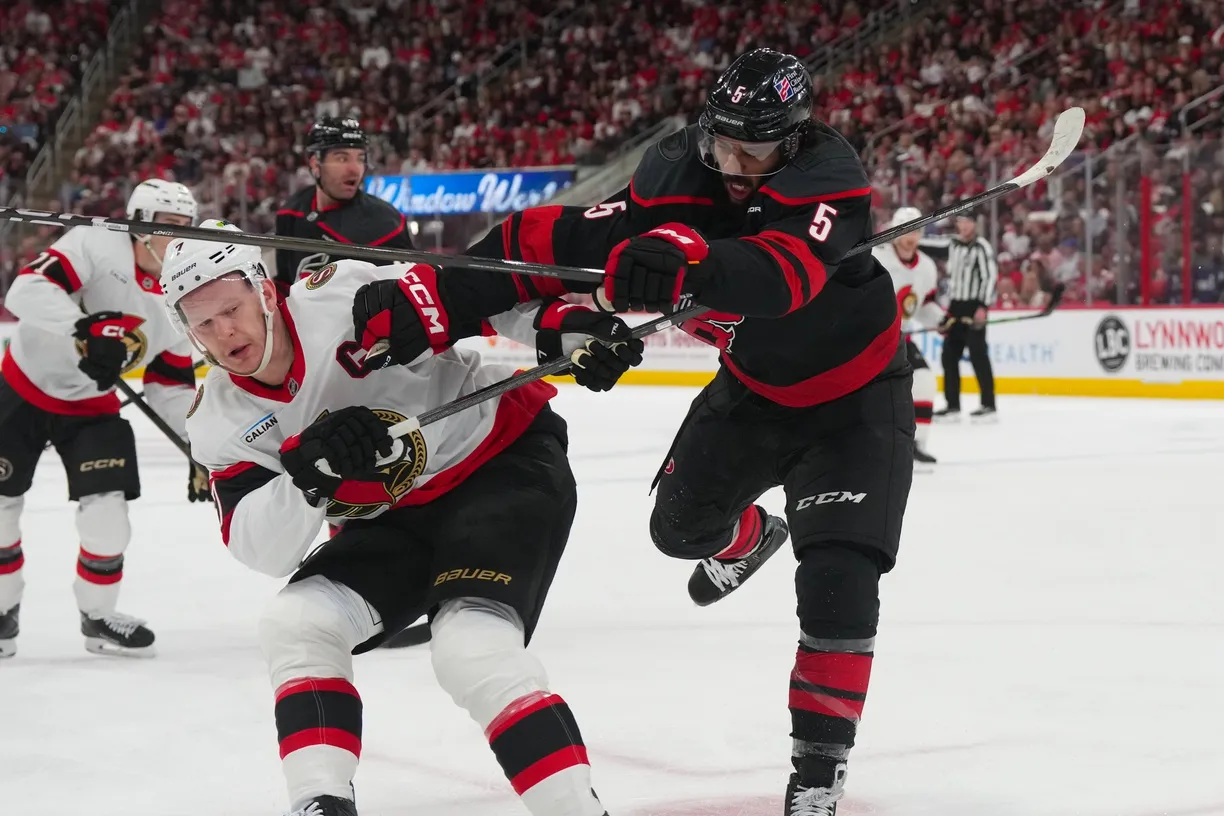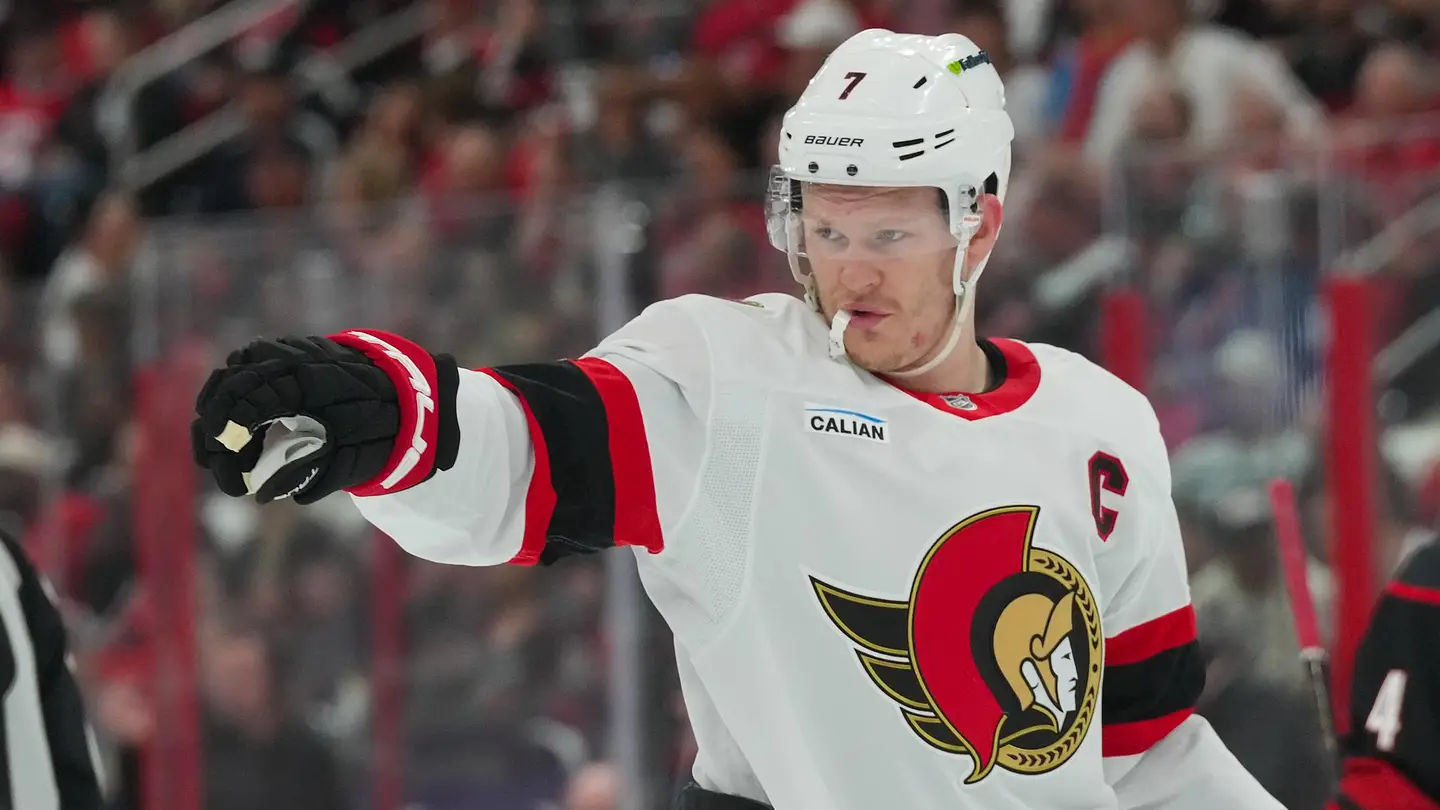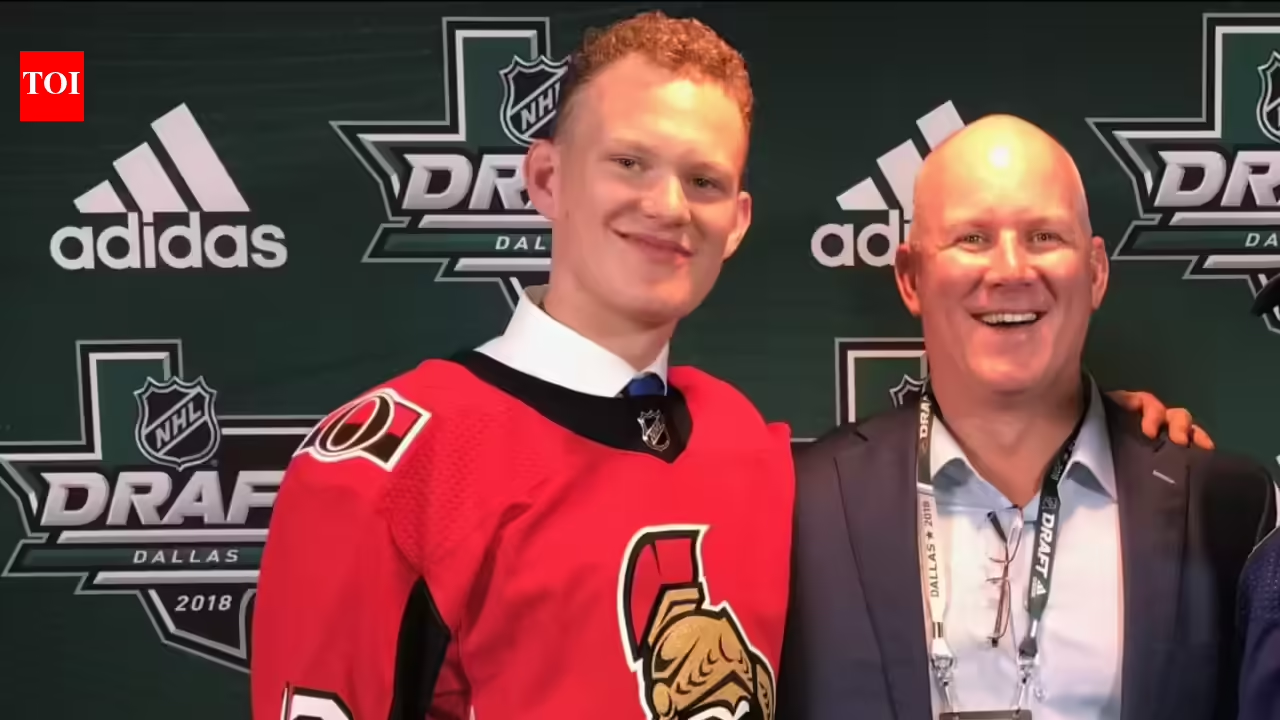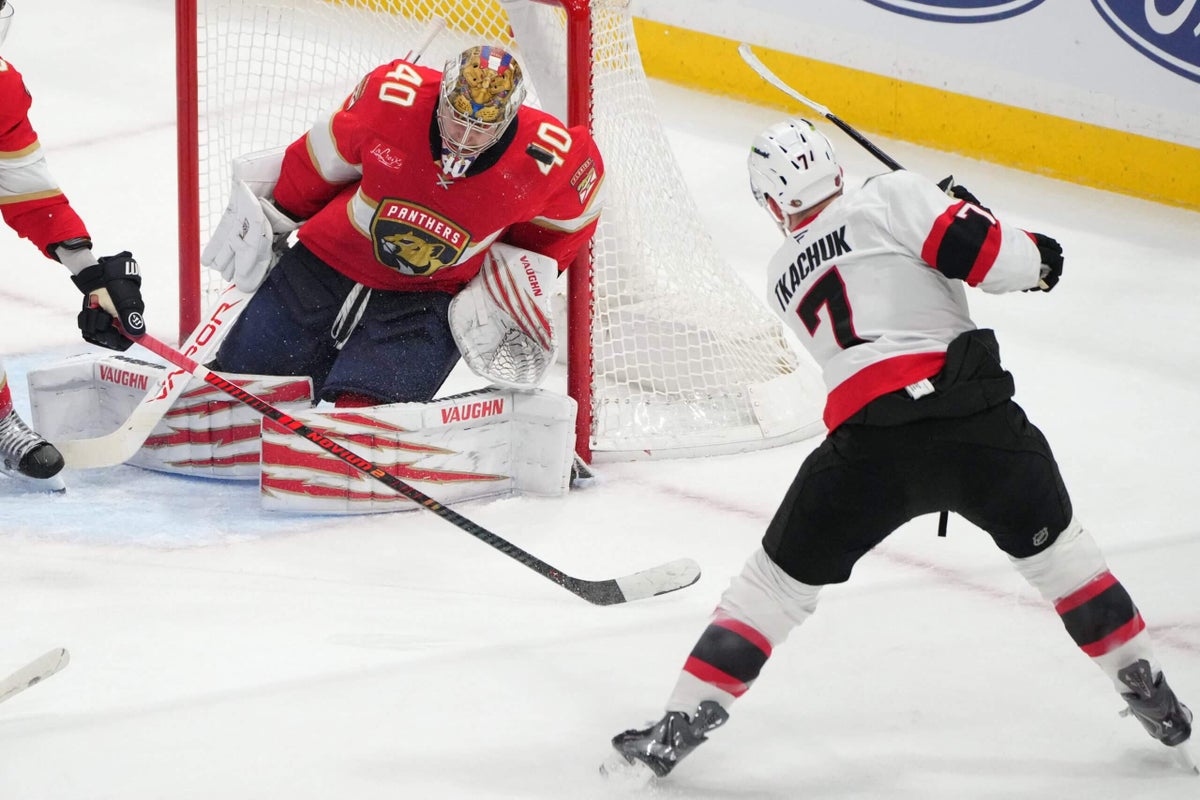
Three years ago this week, a handful of the best hockey players on the planet gathered in a cavernous back room in the bowels of Nashville’s Bridgestone Arena ahead of the NHL’s then-annual awards show during draft week. I was meandering about, asking why NHL stars so rarely signed short-term contracts, choosing long-term security over betting on themselves the way, say, NBA stars do. Adam Fox joked that it’d be easier to do if NHL players made NBA money. Erik Karlsson cited the “culture” of the NHL. Several others noted the injury risk of playing professional hockey.Connor McDavid didn’t answer right away, though. He paused. Thought about it. Chewed on it.“That’s a good question,” he said, having just finished the fifth season of his own eight-year contract. “I’m not sure where it’s all going to go. I think you’re going to see players maybe start to control their fate a little bit more. … Players are for sure taking a little bit more ownership of where they play, and taking a little bit more control. But who knows how far that’ll go?”Pretty far, it turns out. To the point that contracts barely even matter anymore — at least, for the league’s elite.Sixteen years after LeBron James and Chris Bosh conspired with Dwyane Wade to join forces in Miami, the NHL has fully entered its superteam era. Sunday’s deal that reunited former Ottawa Senators captain Brady Tkachuk with his brother Matthew on the Florida Panthers for three first-round picks and a second-rounder was the latest sign that the balance of power in the NHL hasn’t only shifted toward the Sun Belt — it’s shifted dramatically toward the players. And they’re just getting started.Why the Senators traded Brady Tkachuk to the Panthers in an NHL blockbusterJulian McKenzieThis summer promises to reshape the NHL landscape as we know it, as the death of free agency combined with a sharply rising salary cap has supercharged the trade market. We’ve never seen an offseason in which so many big names — names with years left on their contracts — are available. And with seemingly every team flush with cap space and looking to add, it feels like anything is possible.Of course, that’s not true at all.The Athletic’s Pierre LeBrun reported that Tkachuk, who had a full no-movement clause but clearly wanted out of Ottawa despite his protestations, would only approve a trade to the Panthers, Carolina Hurricanes, Vegas Golden Knights and perhaps the Minnesota Wild. The Senators did well enough to land three first-rounders, including Nos. 9 and 25 in this year’s draft, but unless they’re able to immediately flip those picks for another star forward — such as Dallas’ Jason Robertson — the trade is a devastating body blow to a franchise that had just finally come out of a nearly decade-long rebuild.Florida, meanwhile, adds another star forward to one of the best top nines we’ve ever seen. The rich always get richer.This kind of orchestrated trade used to be relegated to players on expiring or unwanted contracts — Patrick Kane forcing his way to the New York Rangers, Mikko Rantanen ending up with the Dallas Stars, and Claude Giroux, Seth Jones and Brad Marchand all maneuvering their way to Florida. It’s different now. Quinn Hughes didn’t want to be in Vancouver anymore, so he was traded to a contender in Minnesota. Tkachuk didn’t want to be in Ottawa anymore, so he was traded to a contender in Florida. Then there’s McDavid’s shocking — and prudent — decision to sign for just two more years in Edmonton, essentially daring Oilers general manager Stan Bowman to prove he can build a lasting winner. In just nine months, three megastars have seized control of their fate, control of their careers.And more are on their way. Dylan Larkin — like Hughes, Tkachuk and McDavid, the captain of his team — wants out of Detroit. He has a no-trade clause. Darnell Nurse has asked out of Edmonton; he has a no-movement clause. Winnipeg goaltender Connor Hellebuyck made pointed remarks to management after the season and could be available; he has a full no-movement clause. St. Louis might be looking to unload talented forward Jordan Kyrou, who can veto any deal. Blues teammate Colton Parayko already has. There’s been speculation Zach Werenski might ask out of Columbus; he has a no-movement clause.Morgan Rielly? No-movement clause. Mason McTavish? No-movement clause. Elias Pettersson? No-movement clause. Vincent Trocheck? He has 12 teams on his no-trade list. Jordan Binnington has 14. Nico Hischier has 10. And what if Auston Matthews pulls a Hughes or a Tkachuk and decides he’s had enough in Toronto? Full no-movement clause, of course.Where do you think they’ll all want to go?So many teams have hope that they can land a franchise-changing player this summer. But it’s the hope that kills you. Having the assets — the draft picks, the prospects, the cap space — to swing a trade isn’t enough anymore. A team needs to have the appeal. And only a handful seem to.The New York Rangers would have given almost anything to add Tkachuk to their roster; they weren’t even on Tkachuk’s list. The Chicago Blackhawks have more first-round picks than they know what to do with and a gaping hole on Connor Bedard’s wing, but after nine years of losing, it’s hardly the destination it once was. The Seattle Kraken have big needs and bigger motivation, but no track record of success to lure players in their prime. Detroit is stuck on a treadmill of mediocrity, and it’s about to get worse after trading Larkin. The Blue Jackets and Jets and Senators have long had trouble luring — and keeping — top players.It’s not only about taxes, either. First and foremost, players want to win, and they want to win right now. Florida and Vegas try to win the Stanley Cup every year. And all things being equal in that regard, the tie is going to go to warm weather that helps aching bodies recover and, yes, those low taxes that keep bank accounts full. And for many players, a less glaring spotlight holds its own appeal, too. So Mitch Marner signing with the Golden Knights was the least surprising thing that could have happened — until Tkachuk muscled his way to his brother’s side in Florida, that is.Chris Johnston’s trade board right now is like Fifth Avenue during the holidays. Everyone is looking at all the shimmering bangles and baubles on display, pressing their noses up against the windows from the sidewalk, but only a handful of shoppers actually go inside and even fewer walk out with bags full of goodies.This isn’t a bad thing, mind you. It’s just different. Different in a sport that’s long held loyalty and steadfastness above all else, different in a sport that always made a bigger deal than other North American sports about wearing just one jersey, different in a sport that always championed its hard cap and the competitive balance created by its artificial repression of wages. Yes, everyone involved is wealthier than any of us will ever be, but it’s a lot easier to side with the millionaires over the billionaires, to pick labor over management. We come to the rink to see McDavid and Hughes and Tkachuk, not to see Bowman and Daryl Katz, or Jim Rutherford and Francesco Aquilini, or Steve Staios and Michael Andlauer.The players are the game. The players should have the power. This is simply what it looks like when that happens.This summer will indeed dramatically reshape the NHL. Heck, it already has. But unless your team has everything a modern NHL player is looking for — a real shot to win, warm weather, low taxes and a relatively chill lifestyle — you’re likely going to be left empty-handed, your nose pressed up against that window, shivering in the cold.
Brady Tkachuk trade shows the NHL is changing dramatically — but maybe not how you want
Tkachuk is the latest in a string of star players whose names normally wouldn't have been on the trade market to join a new team.
1,308 words~6 min read