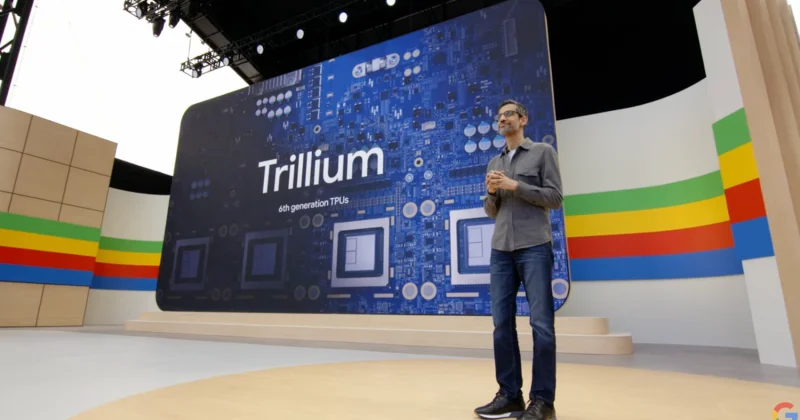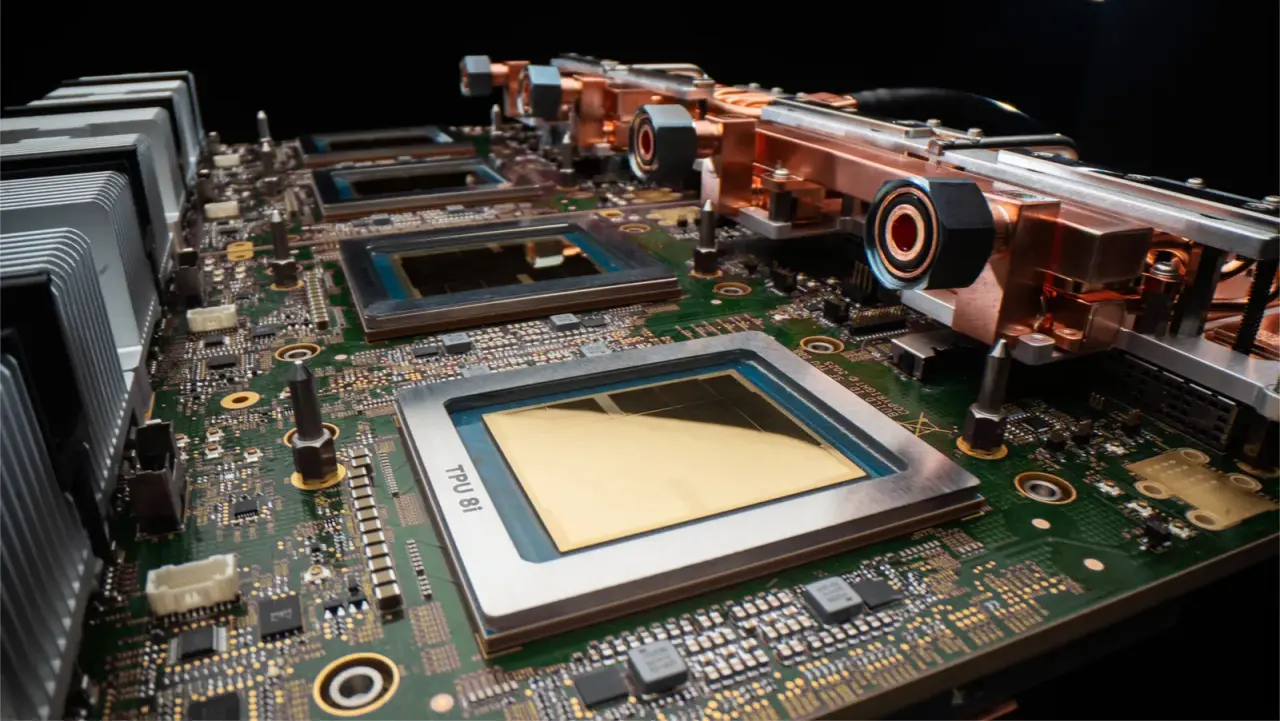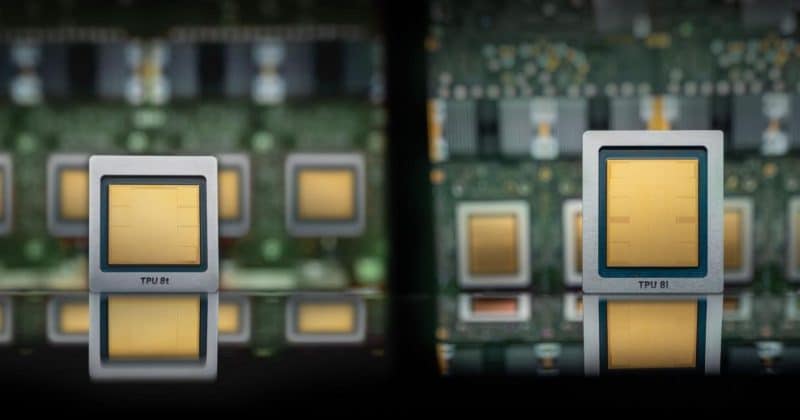
Google is building a souped-up version of its next-generation tensor processing unit, and MediaTek just landed the exclusive contract to help make it happen.
The enhanced TPU v9 variant, internally codenamed Triggerfish, represents a significant upgrade over the base Humufish TPU v9 design. It features two to three times the SRAM capacity of its predecessor, integrates HBM4E memory, and adds a new simulation die, all aimed at boosting AI agent inference and reinforcement learning workloads.
What Triggerfish brings to the table
Think of SRAM as the chip’s short-term memory, the scratchpad it uses for immediate calculations. Doubling or tripling that capacity means the processor can handle larger, more complex AI models without constantly reaching out to slower memory pools. In English: faster inference, less bottleneck.
Analyst Ming-Chi Kuo confirmed on June 22, 2026, that MediaTek secured the exclusive contract for Triggerfish at a higher price point than the base Humufish design. The incremental order carries an approximately 30% increase in unit pricing. That’s a notable reversal from Google’s TPU v8 strategy, which targeted a 20-30% reduction in costs.