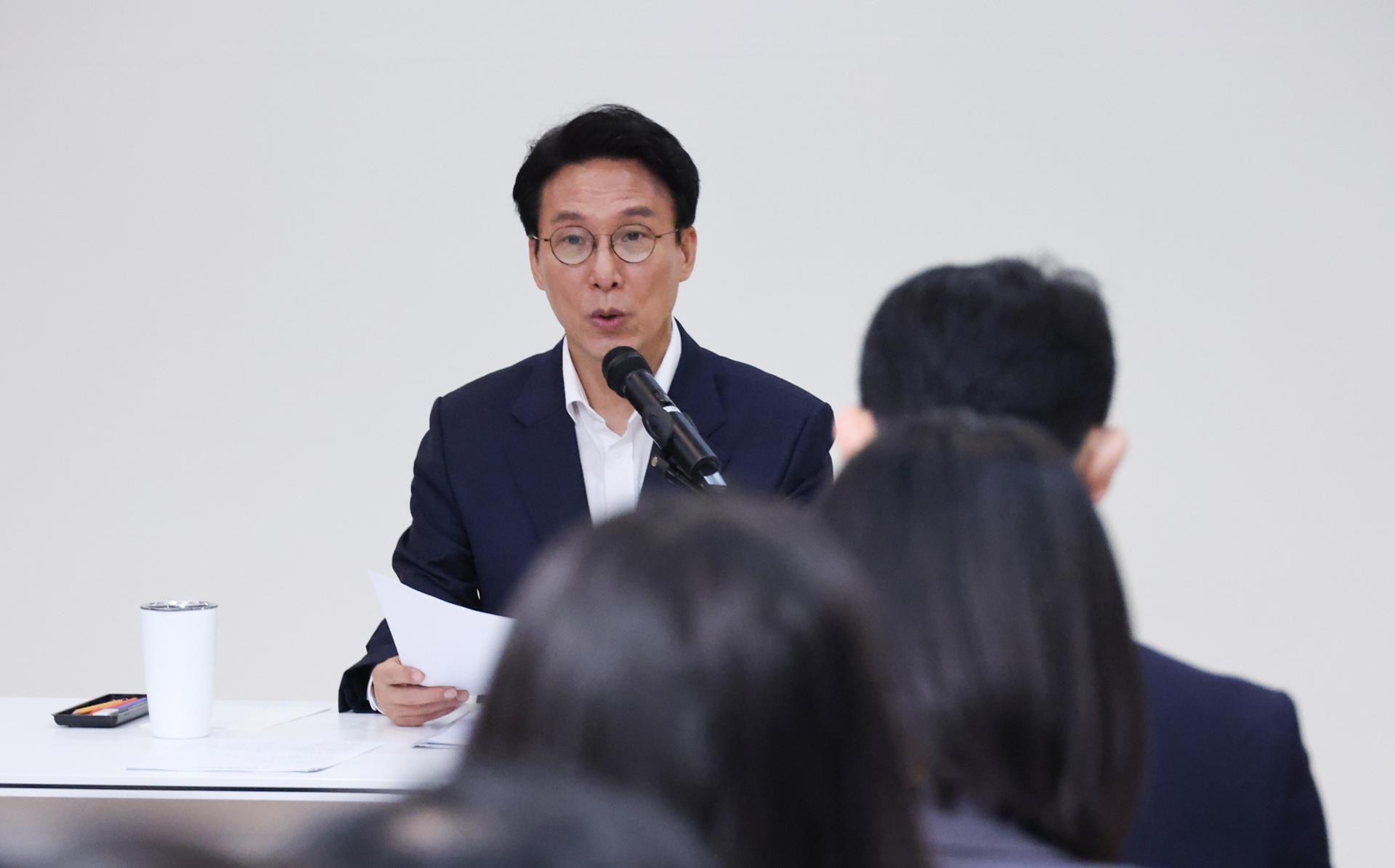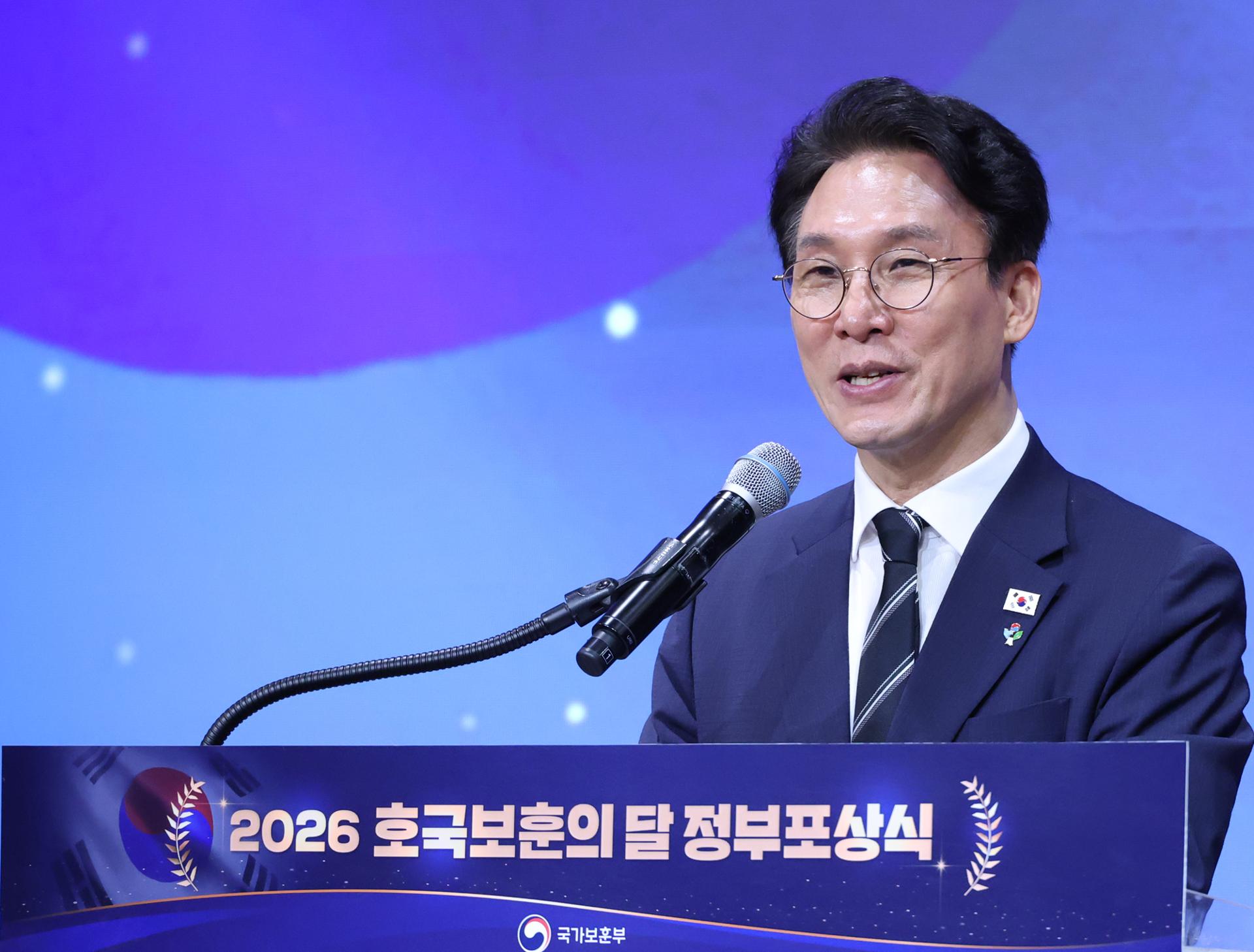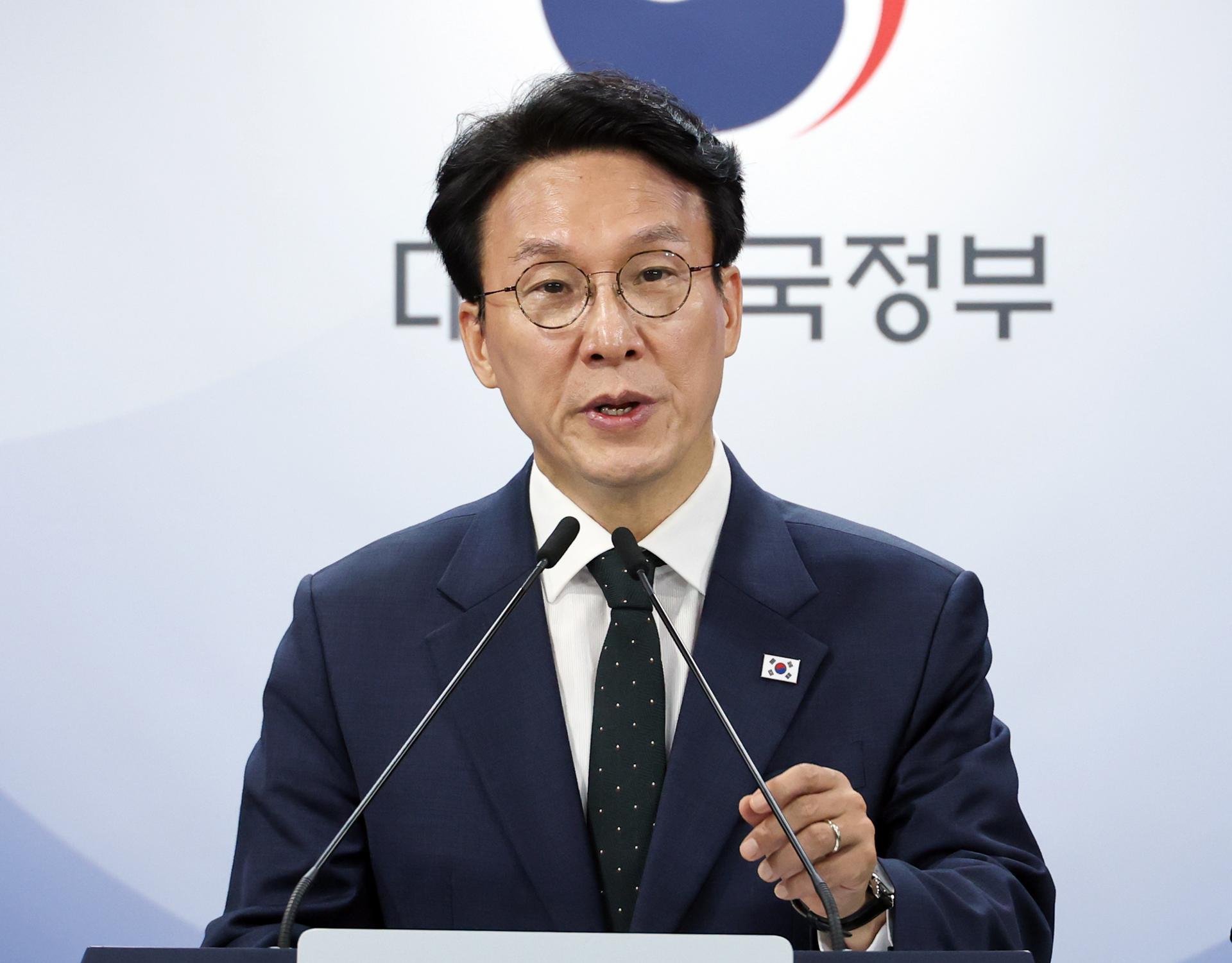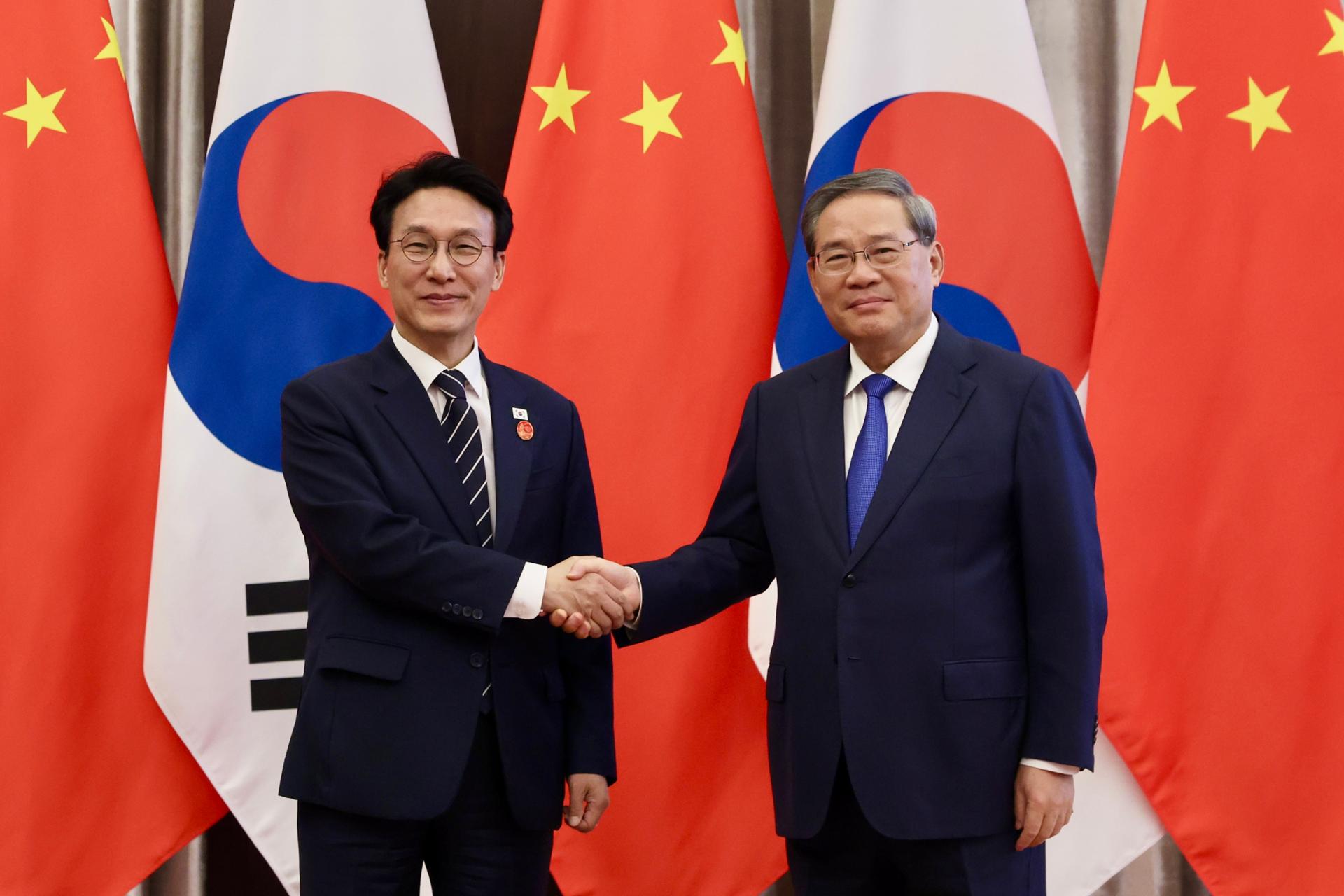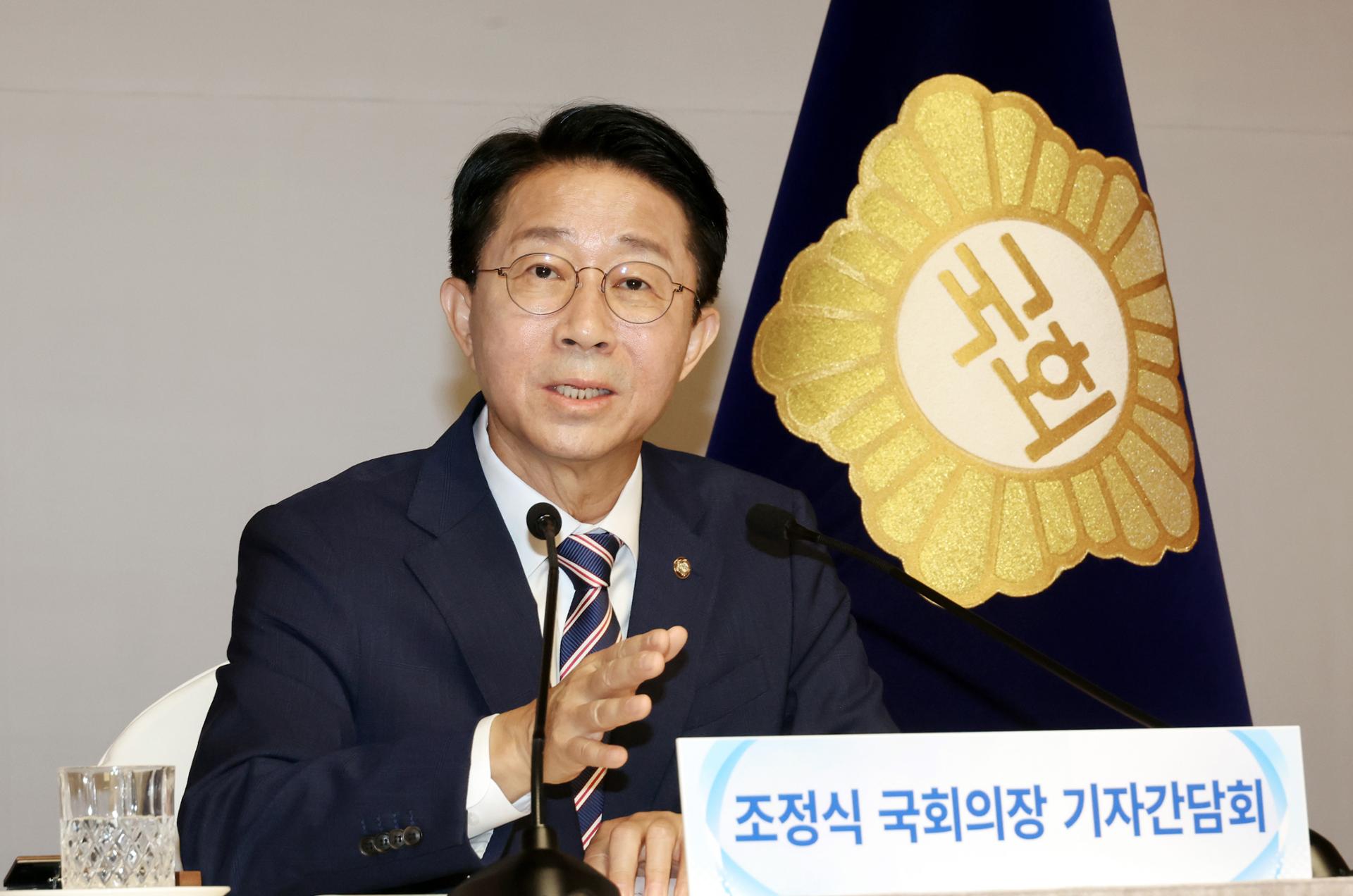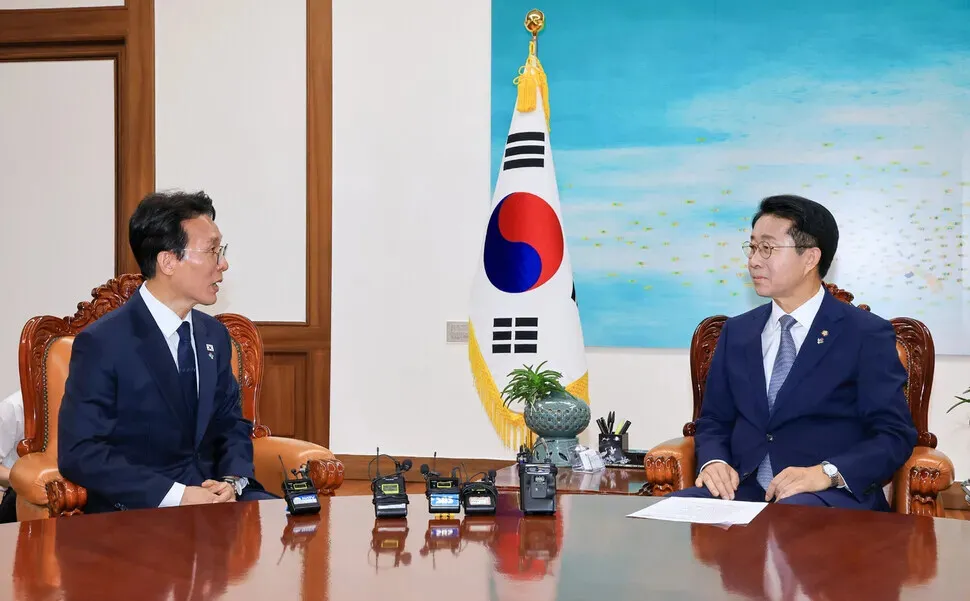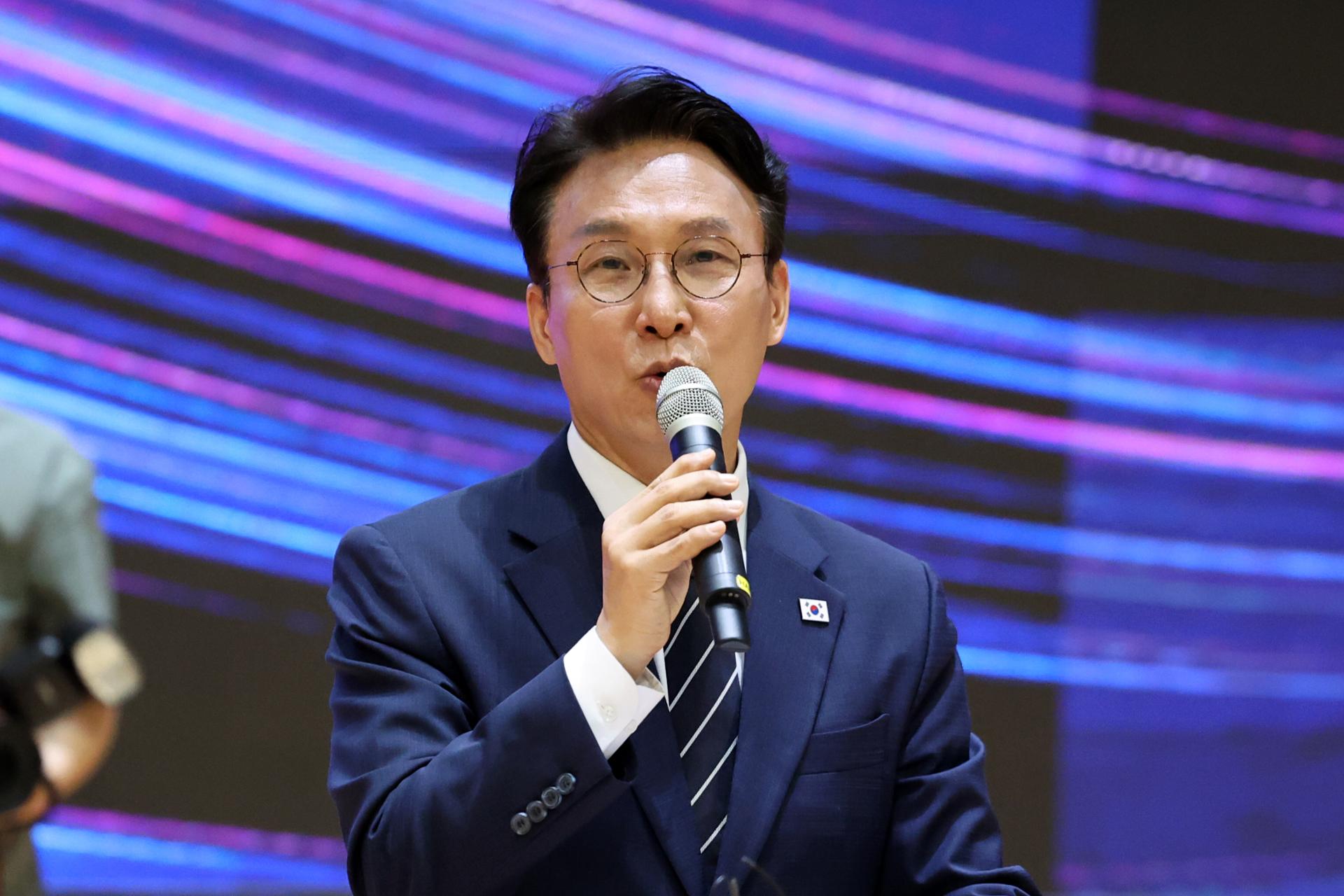
Prime Minister Kim Min-seok speaks during a press conference held at the Government Complex Seoul on Monday. (Yoon Chang-bin/The Korea Herald) Prime Minister Kim Min-seok said Monday that he will revive the push for a constitutional amendment once he returns to the National Assembly."Upon returning to the National Assembly and the party, I will begin full-scale discussions on a one-time constitutional amendment regarding the reform of the National Election Commission," Kim told reporters.The momentum for the amendment, which failed in May due to the resistance of the main opposition People Power Party, could be reignited as both parties have found common ground over the need for radical measures to prevent the recurrence of election delays and other election management glitches.The People Power Party's lawmakers account for slightly over one-third of the National Assembly seats, and they were able to block the ruling Democratic Party-controlled National Assembly's move to pass the amendment, which requires a two-thirds majority."Regarding this issue that most South Korean citizens find problematic, I will strive to ensure that the rival parties reach an agreement to create an alternative through a one-time constitutional amendment," Kim said.The prime minister's press conference came hours before he departed to China for a three-day trip to attend the Summer Davos forum in China's coastal city of Dalian.This could be Kim's last overseas trip, as he offered to resign from the post as the ruling Democratic Party's convention to elect its chair draws near. President Lee Jae Myung has named Minister of SMEs and Startups Han Seong-sook as the next prime minister to succeed Kim.Kim, a likely contender for the chairship alongside the incumbent Rep. Jung Chung-rae, said the ruling party and the government should be completely on the same page, and failure to do so will not stop the ruling bloc's approval rating from declining further."Now is the time for both the ruling party and the government to become perfectly aligned and cooperate with each other," Kim said.His remarks somewhat targeted Jung, saying his leadership since August, including the campaigning period for the June local elections, might be to blame for the outcome that was "below expectations.""I think we are witnessing a period where the approval ratings for the administration and the party, which had been rising under the president's leadership, are now declining together following the election," Kim said."It could be that the election results are dragging down the approval ratings of the party and government together, or it could be that the decline in the party's approval rating is dragging down the administration's approval rating."Kim was a four-term lawmaker of the Democratic Party of Korea before he assumed the role of prime minister under the Lee Jae Myung administration in July last year.
PM vows to renew push for constitutional amendment
Prime Minister Kim Min-seok said Monday that he will revive the push for a constitutional amendment once he returns to the National Assembly. "Upon returning to
454 words~2 min read