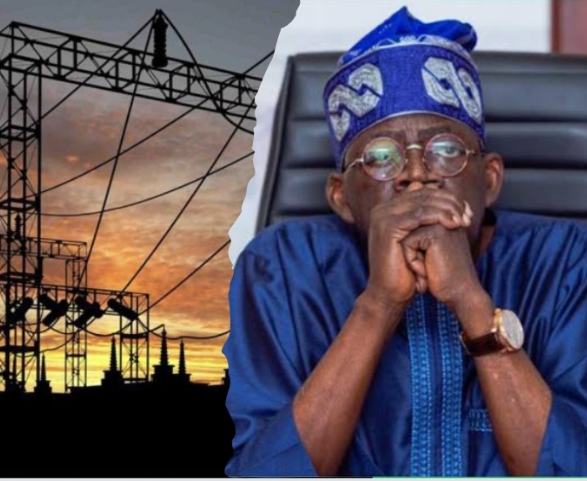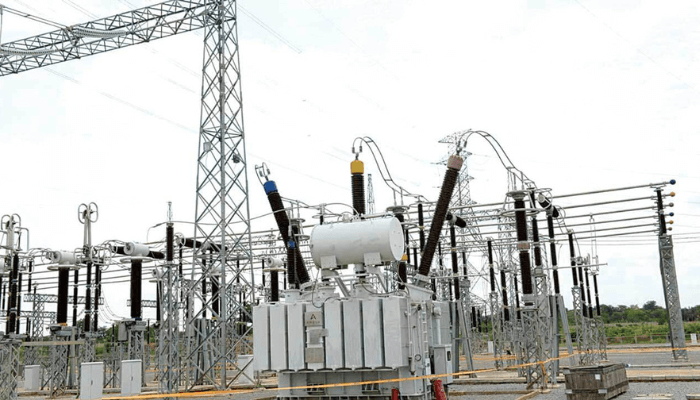
Even before President Bola Ahmed Tinubu assented to the Electricity Act on 6 June 2023, the plot to strangle this cherished baby had begun. Barely two years after the Act gave statutory recognition to the most important restructuring of Nigeria’s electricity sector since privatisation, the Senate’s Electricity Act (Amendment) Bill, 2025, was finally unveiled in late 2025. It is presented in reassuring language: coordination, clarification, emerging issues, sectoral financing, consumer protection and transitional certainty. But in electricity, as in politics, the title of a thing is not always the truth of it.
The truth is simple. This bill seeks to claw back, by mere legislative drafting, what the Constitution deliberately gave to the states by constitutional amendment. It seeks to restore, in new vocabulary, the unitary electricity governance architecture that failed Nigeria for decades. It seeks to make the Nigerian Electricity Regulatory Commission, NERC, the master and commander of state electricity regulators, not the counterpart, collaborator and mentor that it ought to be. It seeks to preserve federal agencies in spaces where the Constitution no longer gives the National Assembly power to legislate. It seeks to make state electricity markets appear autonomous while ensuring that the key regulatory levers remain in Abuja.