Get the latest news and updates from Dawn
Three days without electricity. A fan barely larger than a dinner plate. A daughter tracking the movement of the sun across a courtyard so that the solar panel powering it does not lose charge. This is how Shabana, 42, survives June 2026 in Jacobabad.
“It used to be hot before as well,” she says. “But electricity did not disappear this often, and water was always available. There has been no electricity at my house for the last three days. It is very hot. We feel very hot. But what can we do? Mujhe tou lagta he me garmi ki wajah se sookh gayi hoon (I feel as though I have dried up because of the heat).”
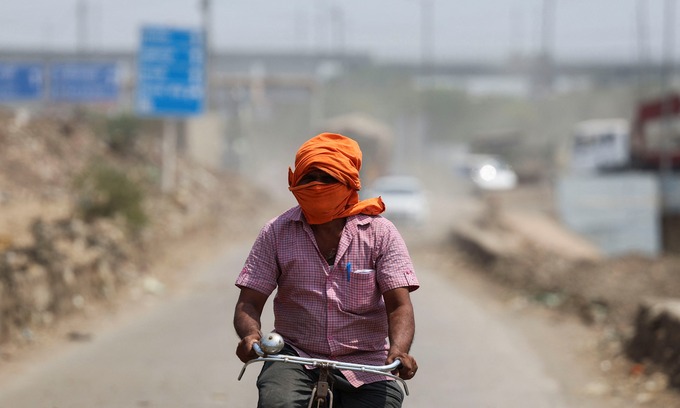
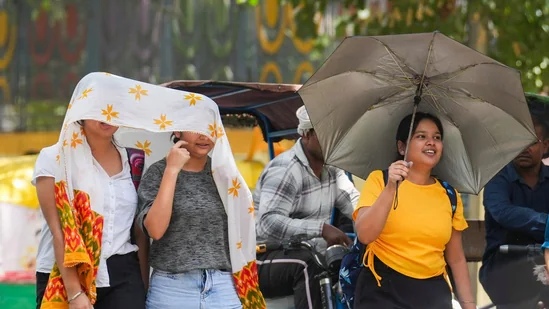
The Pakistan Meteorological Department has once again warned of intense heatwave conditions across Sindh. Yet for Jacobabad, often described as one of the hottest places on Earth, extreme heat is not an exceptional event. It is a lived reality. What is changing, however, is the intensity of that reality and the growing cost of surviving it.
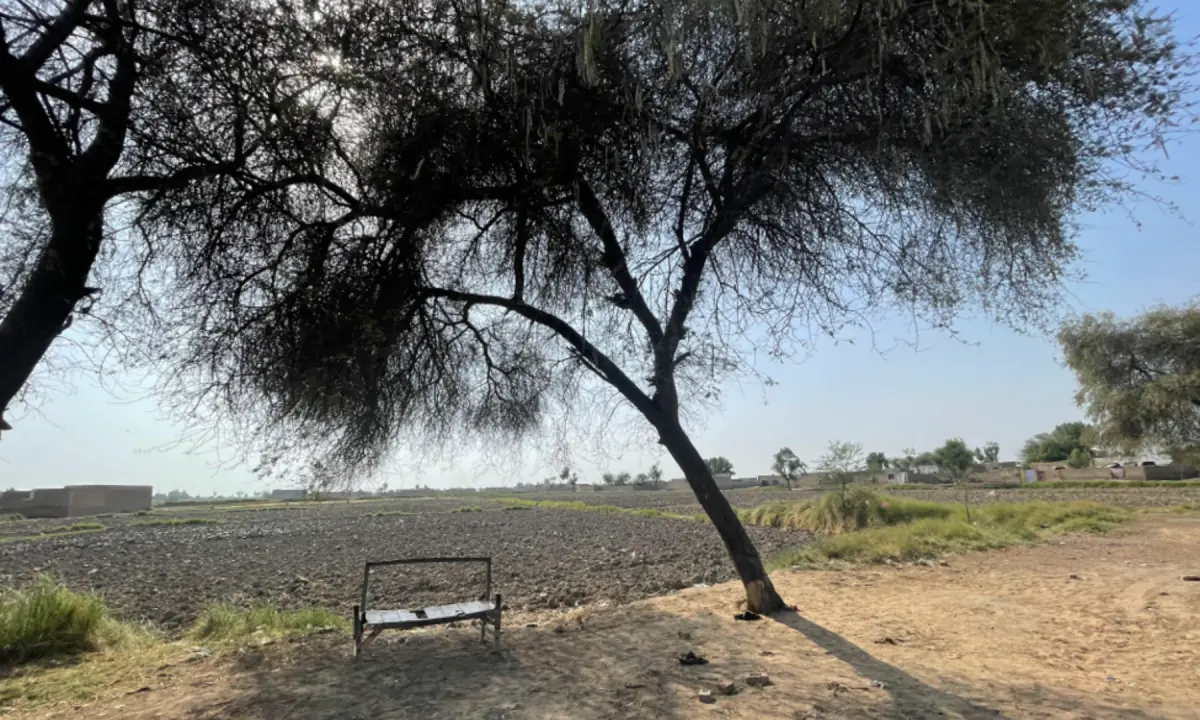
As part of ongoing fieldwork under the project “Reducing Global Catastrophic Risk from Unseen Climate Extremes”, conducted jointly by the Karachi Urban Lab-IBA and the King’s College London, we have spent time speaking to residents across Jacobabad’s informal settlements, and its surrounding villages. Their stories reveal something that temperature records alone cannot capture: the struggle against heat is no longer simply about discomfort. It is increasingly about survival.