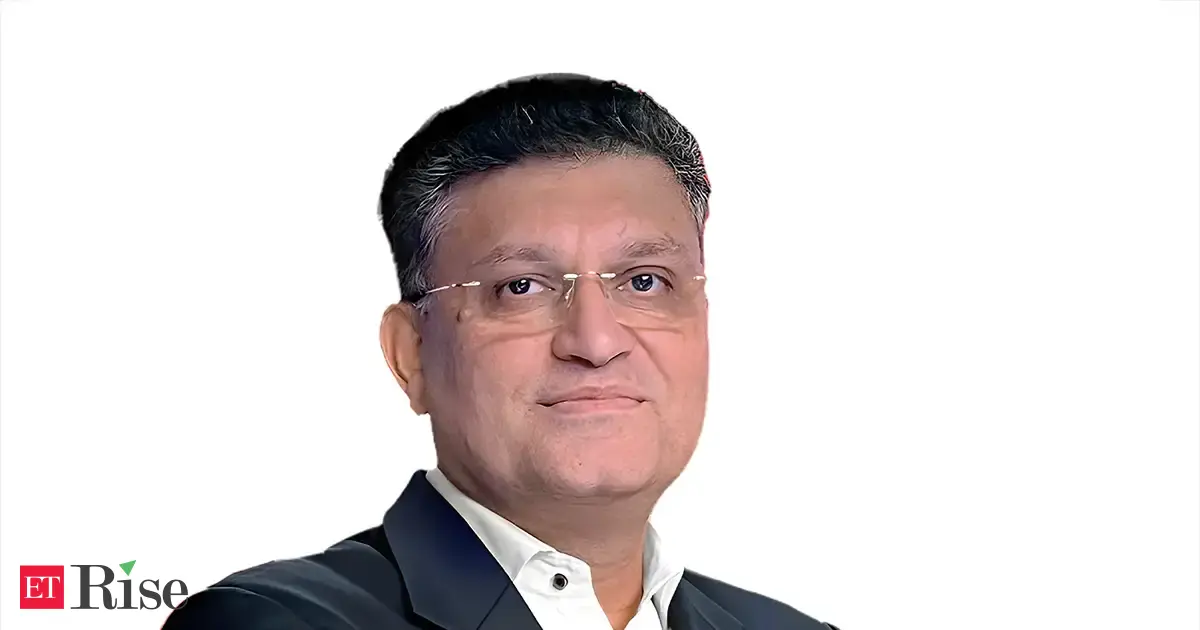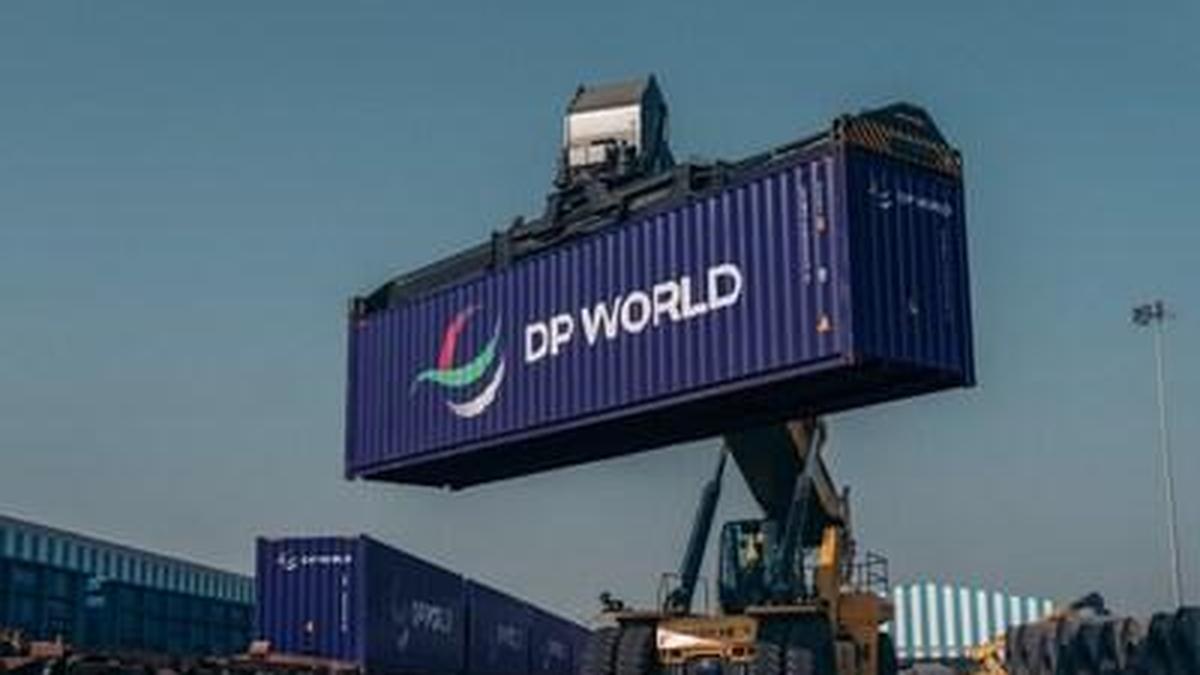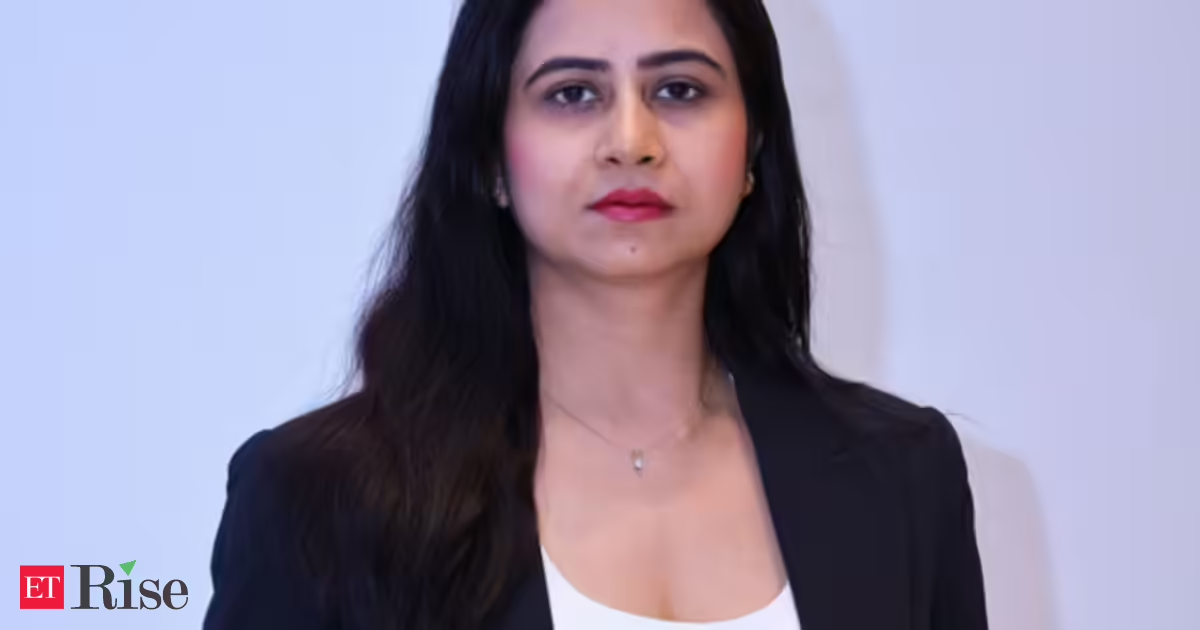
Micro, small, and medium enterprises (MSMEs), women entrepreneurs, and sustainable trade infrastructure are becoming central to India's growth, as it aims for global manufacturing and export leadership. Akanksha Sharma, Vice President-Sustainability for Subcontinent, Central Asia, Levant & Egypt at DP World, shared with The Economic Times Digital how skills development, logistics infrastructure, export preparedness, and environmental responsibility are collectively shaping a more inclusive and competitive Indian trade environment. Edited excerpts.Economic Times (ET): We all know how much small businesses contribute to India’s economy, and there is a strong push from both the government and the private sector to make India a manufacturing and export hub. In that context, what do you see as the key barriers preventing women entrepreneurs and MSMEs from integrating into global value chains?Akanksha Sharma (AS): Small businesses already make a significant contribution to India’s economic growth. When we conceptualised DP World’s We Rise program with NITI Aayog’s WEP (Women Entrepreneurship Platform) initiative, we asked ourselves how we could leverage our capabilities to help entrepreneurs gain better access to markets, finance and trade opportunities beyond borders.Through our assessment of needs, we found that many entrepreneurs struggle with fundamental challenges, such as access to markets and buyers. One of our key objectives was to build awareness around these opportunities and help entrepreneurs understand how to access them.Another major challenge is compliance. As businesses move from local to global markets, regulatory requirements become increasingly complex. We recognised that addressing these challenges is critical to India’s broader growth story on the global stage.With DP World’s global expertise across logistics, trade, and supply chains, we are able to support these entrepreneurs in meaningful ways. Some of these entrepreneurs have remarkable stories. In just a few months, several businesses progressed from operating at a small scale to becoming export-ready, while others accelerated their existing export journeys. That demonstrates the important role industry can play in supporting entrepreneurial growth.ET: Many entrepreneurs with global ambitions now come from Tier II and Tier III cities. How important are skilling, mentorship, and guidance in logistics, and how difficult is it for these entrepreneurs to access that information?AS: Our experience shows that entrepreneurs begin their journey with tremendous passion and ambition but often lack the market knowledge needed to scale their businesses. That is where organisations like DP World make a meaningful difference.When we launched this programme, we received more than 600 applications from across India, and a significant proportion came from Tier II and Tier III cities. That is a powerful indicator of the entrepreneurial potential that exists beyond the major metros.We heard inspiring stories from women entrepreneurs across the country. One example is a businesswoman from Satara who has built a successful export business and created employment opportunities for thousands of women. Stories like these are incredibly motivating.More importantly, programs such as We Rise help entrepreneurs build capabilities in logistics and supply chain management. Many of them have excellent products but lack the knowledge required to navigate exports. By sharing DP World’s expertise in standardisation of products for global markets, logistics and supply chain advantages, and documentation, we help the businesses to strengthen their capabilities and take it to the next level.While we had participants from both Tier II, III regions, and metros, the majority were from smaller cities.ET: Now that the programme has concluded, what tangible benefits have you seen, and what gaps remain?AS: From an individual perspective, women entrepreneurs still face significant challenges. In many cases, women must first convince their own families before they can pursue entrepreneurship. We have seen this repeatedly through our work. Building confidence and creating supportive ecosystems remains critical. This is why more ecosystem players need to come forward and support initiatives like We Rise. Confidence-building is the first step.The second major challenge is compliance, which we addressed extensively through the programme.We also focused on logistics and supply chain management because, while many entrepreneurs have high-quality products, they often lack the knowledge required to export them successfully in potential markets.Export readiness remains a significant challenge. India has a compelling growth story to tell, with countless products that meet international standards. However, only a small proportion of these businesses are exporting today. That is where the opportunity and the gap lie.ET: India’s ambitions extend beyond manufacturing to exports, and that requires strong trade networks. How important is the development of integrated logistics corridors, warehousing infrastructure, and multimodal connectivity in enabling MSMEs to participate in global value chains?AS: It is critical. A well-developed trade ecosystem supported by integrated logistics networks, warehousing, business parks and multimodal connectivity is essential for MSME growth. Large enterprises already benefit from these facilities, but many MSMEs still lack either access to them or awareness of how to leverage them effectively.That is where organisations like DP World can play an important role. We are deeply involved in integrated logistics solutions. In India, DP World’s infrastructure comprises five container terminals with a total installed capacity of 6 million TEUs per annum, three free trade warehousing zones (FTWZs), 5 container freight stations and freight forwarding expertise with a global network—enabling smoother cross-border trade flows. At the same time, evolving alternate trade corridors connecting India to wider global markets. With our India assets connected to a larger global market presence in over 80 countries we are well placed to support MSMEs and become a key part of that journey.ET: DP World operates across the entire supply chain, from ports to freight forwarding and everything in between. With increasing pressure to decarbonise, how important is sustainable growth for ports and logistics infrastructure, and what impact does it have on India's competitiveness?AS: Sustainability is a core pillar of DP World’s strategy. In fact, we have a comprehensive framework called Our World, Our Future, which guides how sustainability is embedded across our operations.As a logistics and supply chain company, we recognise that creating greener solutions requires support from the broader ecosystem. That said, DP World has already set an ambitious target of achieving net-zero emissions by 2050, and we remain firmly on track. We are decarbonising our operations through electrification, greater adoption of renewable energy and several other initiatives. Many of these investments are highly capital-intensive.More than 60% of our RTGs are electric now, RTGs, which are used to move containers within ports, require significant investment to electrify. We are promoting electric forklifts, LMVs, and LED lighting and carrying out regular energy audits for efficiency improvement as a process.Globally, around 60% of our operations are already powered by renewable energy. Our role extends beyond reducing emissions. We are committed to enabling our partners, customers, and communities to participate fully in a sustainable future.ET: Do you have India-specific numbers?AS: We are committed to driving sustainable logistics solutions across the country.At both of our free trade zones, i.e., at Nhava Sheva Business Park (NSBP) and DP World’s Economic Zone in Chennai, we have installed solar panel system of 1.5 MW and 1 MW, respectively, reducing our carbon footprint and meeting our energy needs sustainably. Both NSBP and Chennai Economic Zone utilise 100% electric material-handling vehicles, further minimizing greenhouse gas emissions and promoting clean energy usage.We have open access sourcing of green power at its two terminals in Nhava Sheva (NSIGT and NSICT) which will help replace about 75% of conventional electricity needs with green power, leading to about 50% reduction in carbon emissions at the facilities.Our new greenfield terminal at Tuna-Tekra in Gujarat is aiming to be 100% compliant with the government’s Green Ports (Harit Sagar) guidelines to make it sustainable and resilient for the future.In 2023, we launched a Carbon Emissions Calculator, accredited by the Global Logistics Emissions Council (GLEC), enabling customers to measure their environmental impact and well-to-wheel emissions. In 2024, we supported several customers with the Carbon Missions Calculator.ET: What is the most challenging part of the supply chain when it comes to sustainability? Is it road transport? One would assume that trucks and cargo movement are perhaps the easier areas to address. What, in your view, is the tougher challenge when it comes to going green?AS: When it comes to sustainability, the key challenges are ensuring wider access to green vehicles and investments for the adoption of green solutions at scale. While progress is being made, there are still barriers that the industry is working through.That said, DP World is committed to decarbonisation, not only in India but across our global operations. We are investing in electrification of equipment, renewable energy, and a broad range of sustainability initiatives.We delivered an integrated rail-based logistics solution for Reliance Industries in India, replacing approximately 700 km of road transport per container with a multimodal coastal rail corridor between Jamnagar, Ahmedabad, and Mundra.In addition, at Nhava Sheva in JNPA, we are using open access sourcing of green power at both the terminals, helping us replace about 75% of conventional electricity needs with green power, leading to about a 50% reduction in carbon emissions at the facilities.Since you mentioned trucking, I would also highlight that sustainability is not only about reducing emissions. There is an important social and human dimension to it as well. At DP World, we are developing truckers’ wellness centres across major freight corridors in India and beyond. These centres provide safe resting spaces and access to wellness facilities for truck drivers, who often spend extended periods away from their families. We recently launched our first flagship Swasthya Centre in Gujarat, marking the first step in a nationwide mission to build a network of accessible well-being hubs for India’s trucking community. We aim to positively impact one million truckers and their families through this initiative. We believe that road safety and driver wellbeing are integral to building a more sustainable logistics ecosystem, and we take both as seriously as our decarbonisation efforts.ET: You also have a new terminal coming up in Tuna Tekra, Gujarat. Does building a terminal from the ground up make it easier to incorporate sustainability measures?AS: DP World’s upcoming Tuna Tekra terminal in Gujarat will be fully compliant with the green port guidelines, ensuring sustainable port operations by adopting best practices in environmental management and contributing to the long-term sustainability goals set by the Government of India.ET: Globally, sustainability is becoming a major priority. Is it now a business necessity rather than simply a compliance requirement? Are companies and exporters seeing value in it?AS: Having worked in sustainability for many years, the biggest shift I have observed is that it is moving beyond compliance and becoming a driver of long-term value creation. That is a significant change.Today, businesses want to be sustainable. Even small enterprises are actively exploring sustainable products and practices. We have seen several entrepreneurs in this programme building businesses around organic and sustainable products with sustainable packaging, many of which are already being exported globally. Increasingly, businesses recognise that being greener, more ethical and more sustainable is not just good for compliance; it is good for growth.At DP World, sustainability is fully integrated into our business strategy. It extends beyond decarbonising our operations and includes the broader value chain. At the Group level, we have conducted a double materiality assessment that considered both financial risks and opportunities, as well as environmental and social impacts.ET: Does sustainability increase costs? Many manufacturers and exporters believe green solutions are more expensive.AS: From my experience, sustainability should be viewed as a long-term business investment rather than a cost implication. We already have examples within our ecosystem that demonstrate this. Many sustainability initiatives, whether in energy efficiency, resource optimisation, renewable energy, or low-carbon logistics, not only reduce environmental impact but also strengthen operational performance and resilience over time. We are developing solutions and services that help our customers reduce emissions while remaining commercially viable.Take modal shift as an example. Moving cargo from road to rail significantly reduces carbon emissions, but it is not necessarily directly proportional to increased costs.For instance, our customer, one of the leading global tyre manufacturers, was seeking to cut emissions from moving over 200 trucks daily from southern India to multiple Regional Distribution Centres (RDCs) in the north. We switched the traditional trucks to containers that would load more cargo, reducing the number of overall trips. By consolidating cargo into high-capacity containers and adopting a multimodal transport solution, combining coastal shipping and rail with limited road use for the first and last mile, we reduced CO₂ emissions across their supply chain by 53% and simplified supplier management.There are several solutions within our portfolio that help customers become more sustainable, and our focus is on ensuring that sustainability and cost are not viewed as mutually exclusive.ET: Looking ahead, what will define a truly future-ready trade ecosystem in India? How can governments, logistics players, and entrepreneurial networks work together to ensure growth is not only faster but also more inclusive?AS: To create a truly inclusive trade ecosystem, we need to foster diversity in all its forms, not just gender diversity. We must create the right networks, platforms, and support systems that enable small businesses to scale. We need to provide stronger support to women-led enterprises, minority-led enterprises, and other underrepresented groups so they can expand beyond borders and access global opportunities.When governments, industry players, and entrepreneurial networks work together to build those pathways, we will create a more inclusive, resilient, and globally competitive trade ecosystem for India.
India has countless export-ready products. The challenge is taking them global: DP World’s Akanksha Sharma
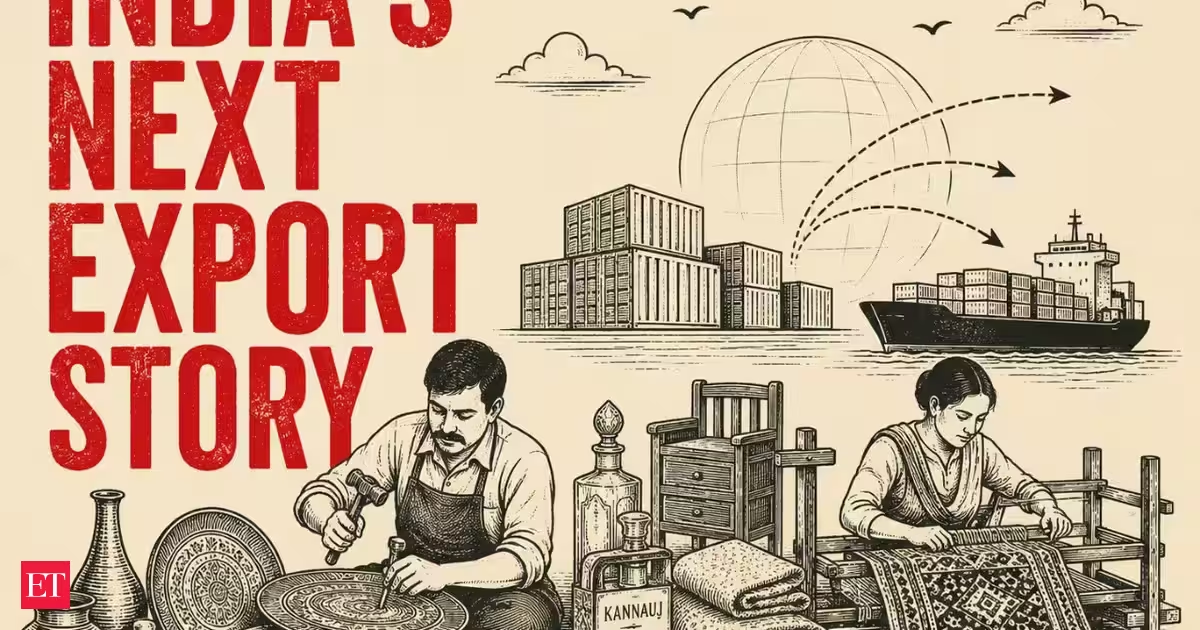
As India accelerates its ambitions of becoming a global manufacturing and export hub, empowering MSMEs and women entrepreneurs with better market access, logistics capabilities, and trade networks has become critical, says Akanksha Sharma of DP World.
2,208 words~10 min read