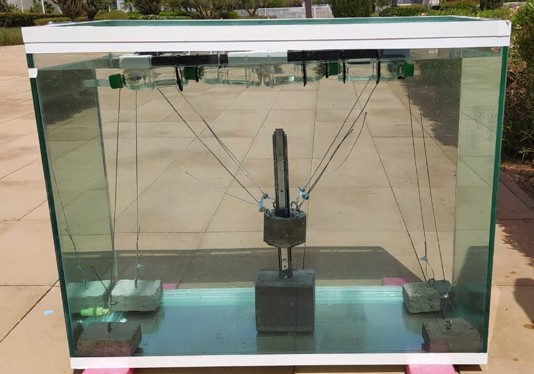
Researchers from Chongqing University and PowerChina developed a two-parallel cable-truss CSPS to improve torsional resistance and wind stability for PV plants on complex terrain. Validated through a 40 m-span numerical study, the design enhances flutter resistance and structural stiffness while optimizing sag and pretension for efficient large-scale deployment.
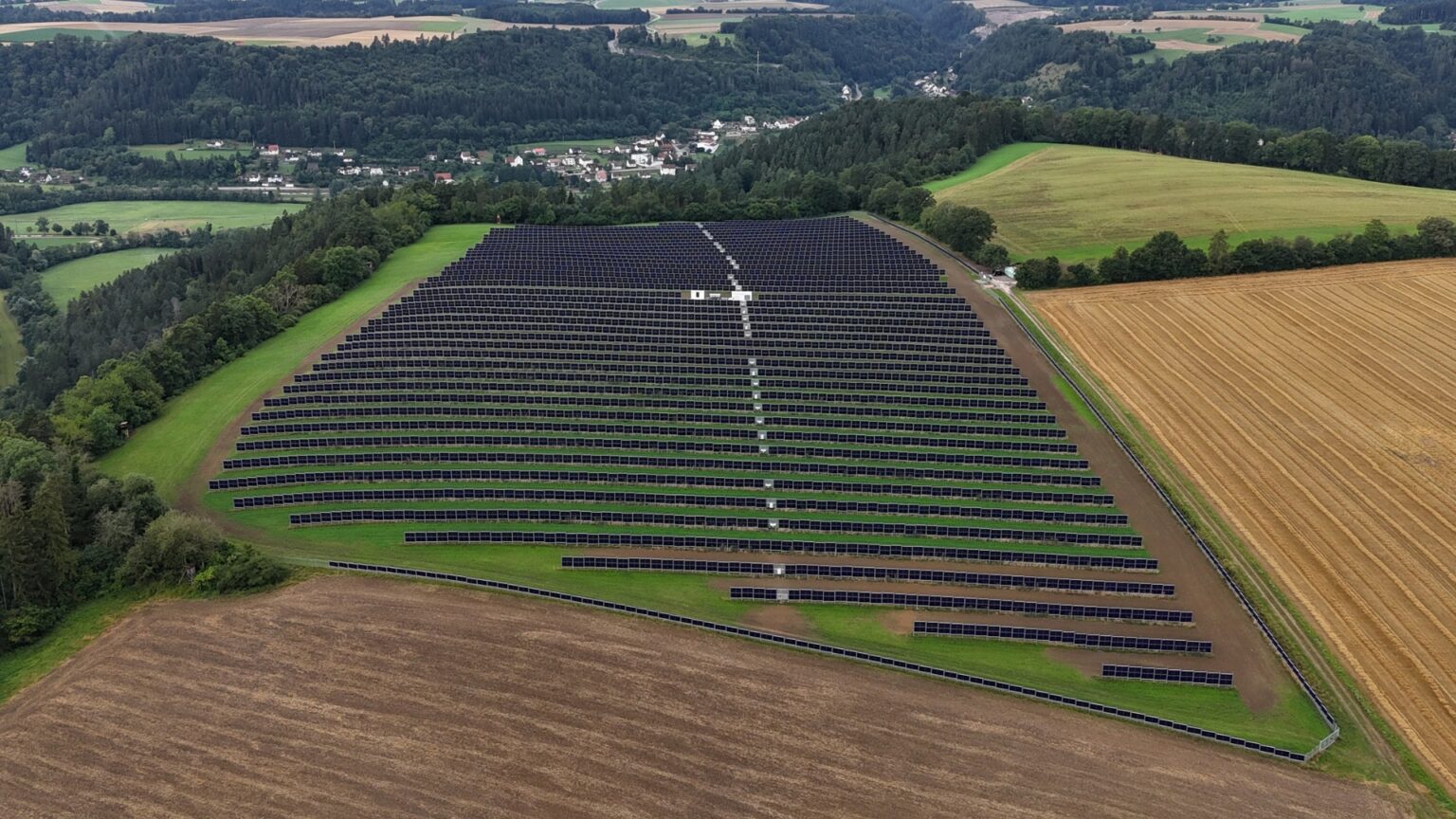
Researchers from China’s Chongqing University and industrial conglomerate PowerChina have developed a cable-supported photovoltaic structure (CSPS) designed for deployment in solar projects planned on complex and challenging terrain. The system is intended to overcome the limitations of conventional ground-mounted PV structures, particularly in regions where uneven topography, large spans, and difficult construction conditions make traditional support systems inefficient or impractical.
“Mainstream CSPSs in PV plants include single-layer cable systems, space cable systems, and cable-truss systems,” corresponding author Shidong Nie told pv magazine. “Single-layer systems are simple suffer large wind-induced displacements and are unsuitable for large span, while space cable systems add lower cables to improve vertical stiffness and reduce wind-driven deformation. Cable-truss systems further add wind-uplift cables, improving resistance to both downward and upward wind loads.However, all these systems still have weak torsional resistance, leading to instability, tilt, and low flutter wind-speed limits.”