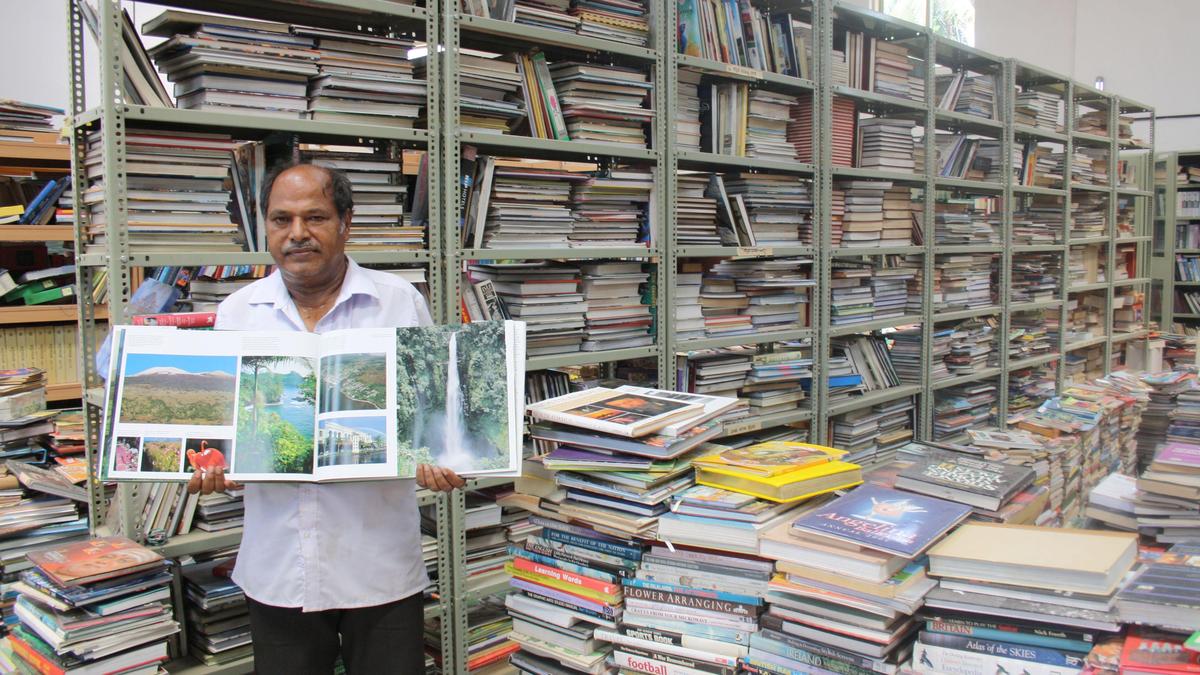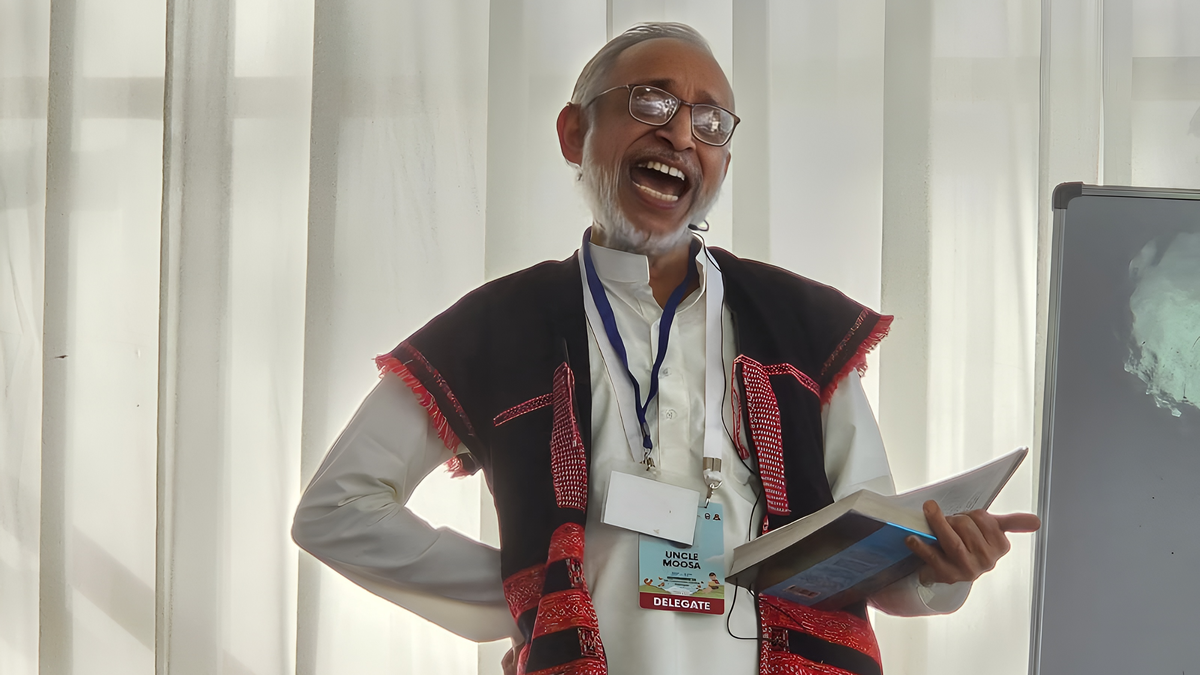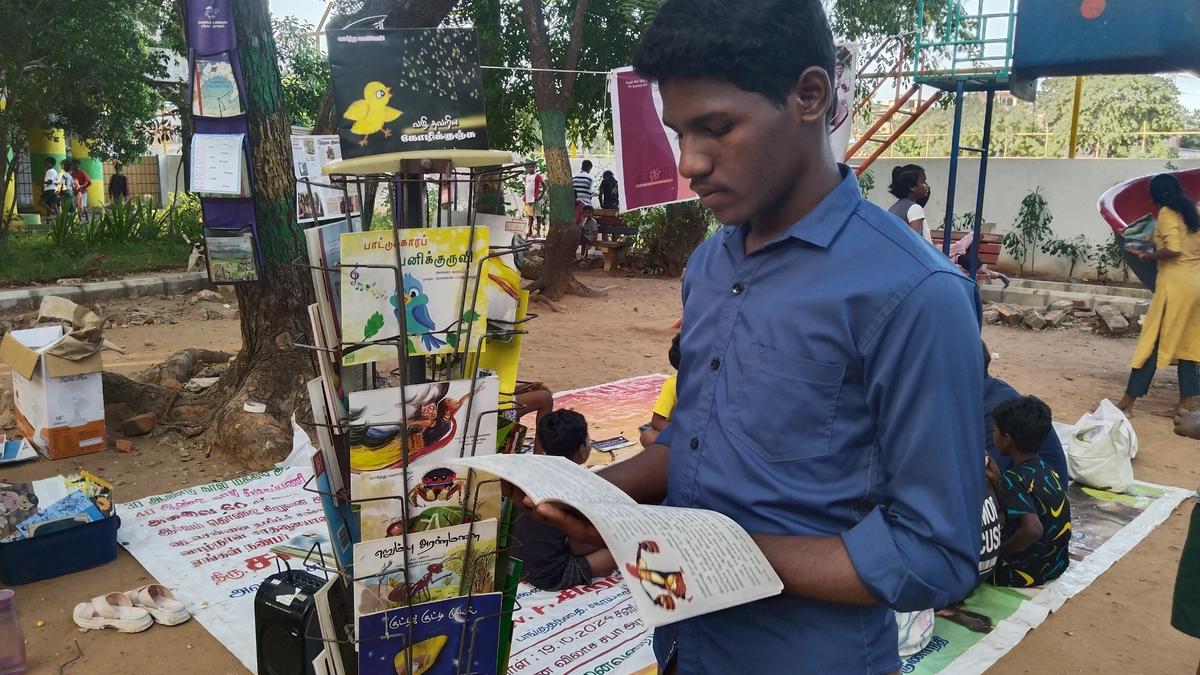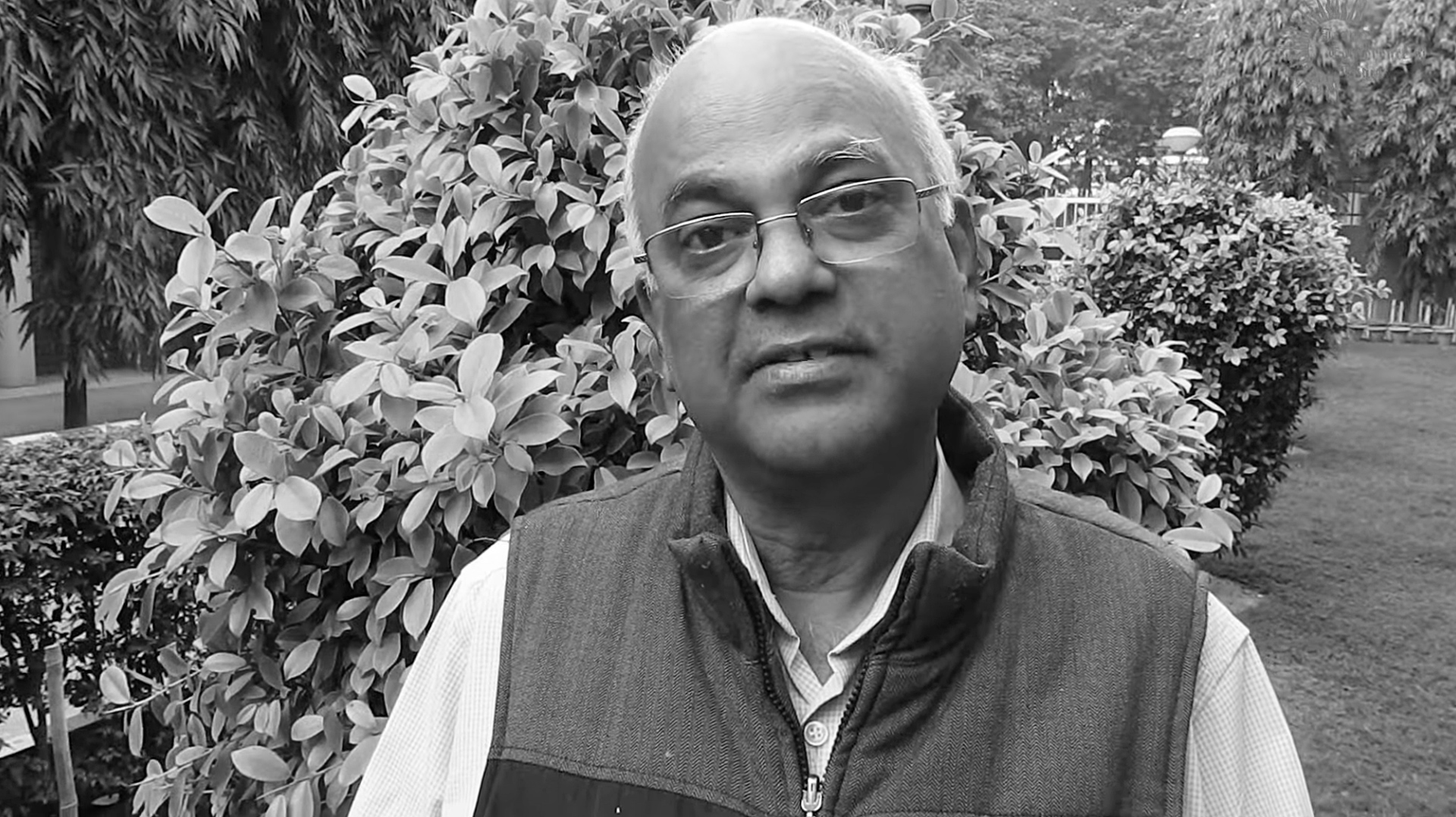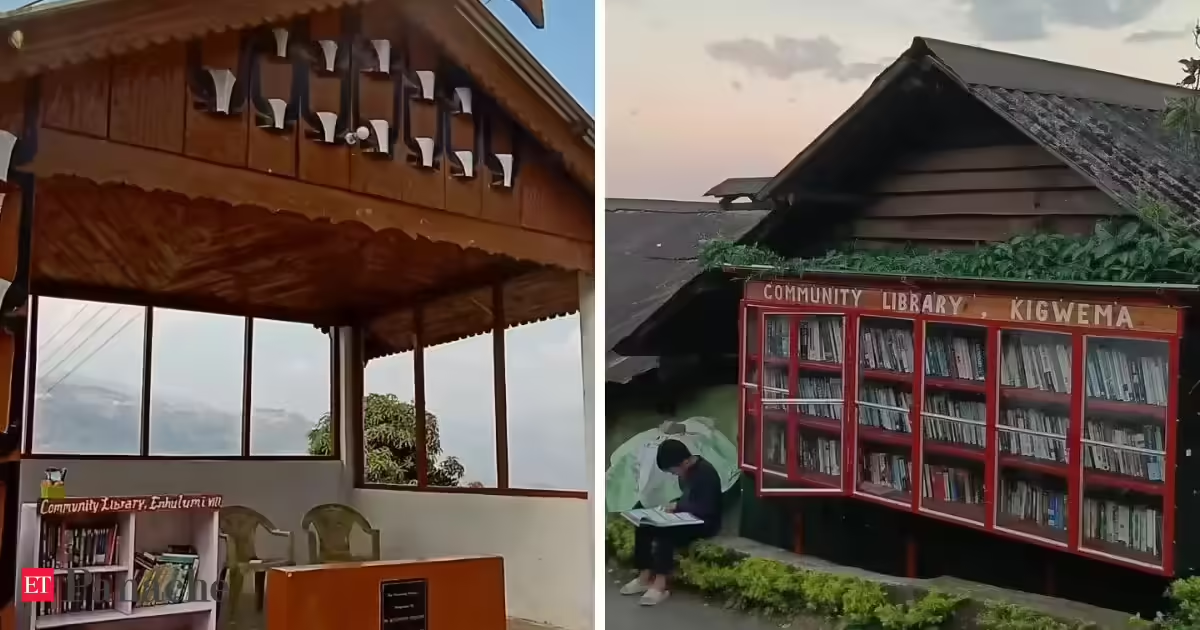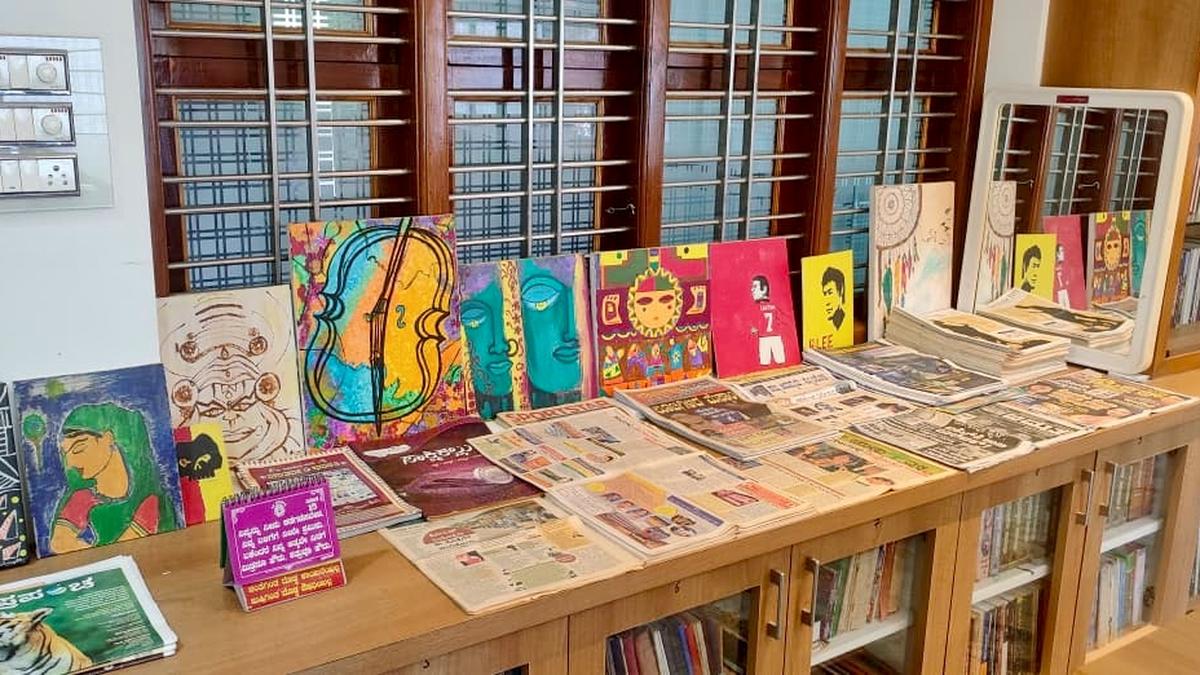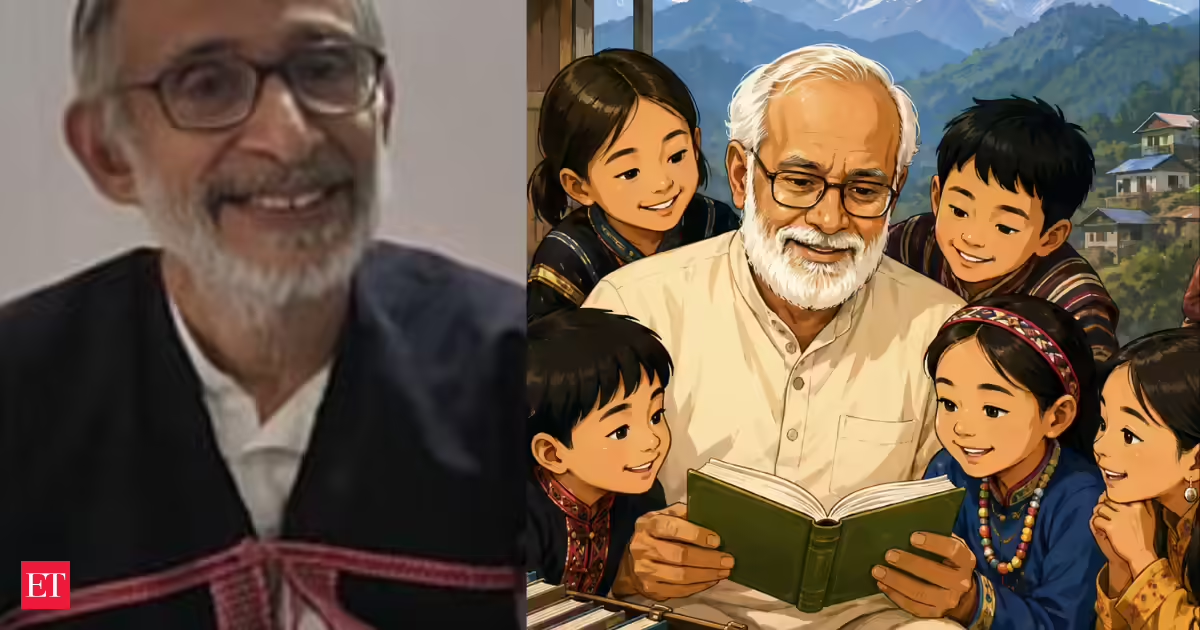
Can a single suitcase full of books change an entire generation? More than 40 years ago, a man from Kerala made a decision that would transform the lives of countless children in one of India's most remote regions. He left behind a secure government job, travelled thousands of kilometres to Arunachal Pradesh and dedicated his life to bringing books and education to young minds.That man was Sathyanarayan Mundayoor, affectionately known as "Uncle Moosa".As highlighted by The Better India, his journey is not just a story about libraries. It is a story about belief, persistence and the power of reading to open doors that once seemed impossible.Today, Uncle Moosa is celebrated across Arunachal Pradesh for helping create a culture of reading among tribal communities. His work eventually earned him the Padma Shri in 2020, but his biggest achievement remains the thousands of children whose lives were changed through books.Who Is Sathyanarayan Mundayoor?Sathyanarayan Mundayoor is an educationalist and social activist from Kerala who has spent more than four decades working in Arunachal Pradesh.Born in Thrissur district of Kerala, he completed his education and later moved to Mumbai for work. He was employed as a Revenue Officer, a stable government position that many people would have been reluctant to leave.But in 1979, Mundayoor chose a very different path.He left his job and travelled to the Lohit district of Arunachal Pradesh, where he began working to improve access to education and literacy.At a time when many villages had limited resources and difficult road connectivity, books were often considered a luxury. Mundayoor believed they should be a necessity.Why Did He Move to Arunachal Pradesh?Unlike many social workers who arrive with large projects and funding, Mundayoor started with a simple idea. He wanted children to read.He believed that reading could help young people dream bigger, learn independently and create opportunities for themselves. In communities where educational resources were scarce, books could become windows to entirely new worlds.His mission was not limited to classrooms. He wanted reading to become a habit and a way of life.Building Libraries in Remote VillagesDuring his years with Vivekananda Kendra Vidyalaya, where he worked as an education officer until 1996, Mundayoor organised book exhibitions and encouraged children to develop a love for reading.One of his most important achievements was establishing the first community library in Etalin, located in the remote Dibang Valley region.What started as a single library soon grew into something much larger.Within a few years, the initiative expanded into a network of libraries across the region, bringing books to children who previously had little access to reading material.The Lohit Youth Library MovementMundayoor's efforts gained further momentum through the Lohit Youth Library Movement, an initiative that would go on to transform literacy efforts in the region.In 2007, working alongside the Association of Writers and Illustrators for Children (AWIC) and the Vivekananda Trust, he helped establish the first Bamboosa Library in Tezu. The project quickly expanded.Under his guidance, libraries were opened in Wakro, Chongkham, Lathaw, Anjow and several other locations.Many of these libraries housed more than 10,000 books, covering everything from comics and children's stories to novels, history and educational material.For many young readers, these libraries became places of discovery, imagination and learning.Taking Books Directly to Children's HomesUncle Moosa understood that not every child could easily visit a library. To address this challenge, he launched the Home Library Movement, which focused on delivering books directly to homes. The idea was simple but effective.Instead of waiting for children to come to the books, the books would go to the children.This initiative helped create reading habits within families and encouraged children to engage with books regularly, even in remote areas.Why Children Call Him 'Uncle Moosa'The nickname "Uncle Moosa" has an interesting origin. According to reports, it began as a pen name that Mundayoor used while writing a column for a local newspaper. Over time, the name stuck.Today, children, parents and educators across Arunachal Pradesh know him by that affectionate title. For many young readers, he is not just a librarian or educator but a trusted mentor who helped shape their futures.Recognition with the Padma ShriIn 2020, the Government of India recognised his extraordinary contribution to education by awarding him the Padma Shri, the country's fourth-highest civilian honour.The award acknowledged decades of tireless work in promoting literacy and creating opportunities for children in remote communities.Yet those who know him often say that recognition was never his goal. His focus has always remained on books, children and learning.The Lasting Impact of One Man's MissionThe story of Sathyanarayan Mundayoor shows that meaningful change does not always begin with grand plans or huge resources. Sometimes it starts with a simple belief. In his case, that belief was that every child deserves access to books.More than four decades after arriving in Arunachal Pradesh, the libraries he helped establish continue to inspire young readers. Many former library users have gone on to pursue higher education, careers and opportunities that once seemed out of reach.His journey proves that a single person, armed with determination and a love for learning, can leave a lasting mark on an entire generation.And in the hills of Arunachal Pradesh, thousands of readers are living proof of that legacy.Inputs from agencies
In 1979, 'Uncle Moosa' quit his govt job, took a suitcase full of books to remote Arunachal & led a revolution that changed children’s lives forever
Sathyanarayan Mundayoor, a former Revenue Officer from Kerala, left his secure government job to bring books and learning opportunities to remote communities in Arunachal Pradesh. Affectionately known as 'Uncle Moosa', he went on to establish numerous libraries and launch the Home Library Movement, helping foster a lasting culture of reading among tribal communities across the state.
864 words~4 min read