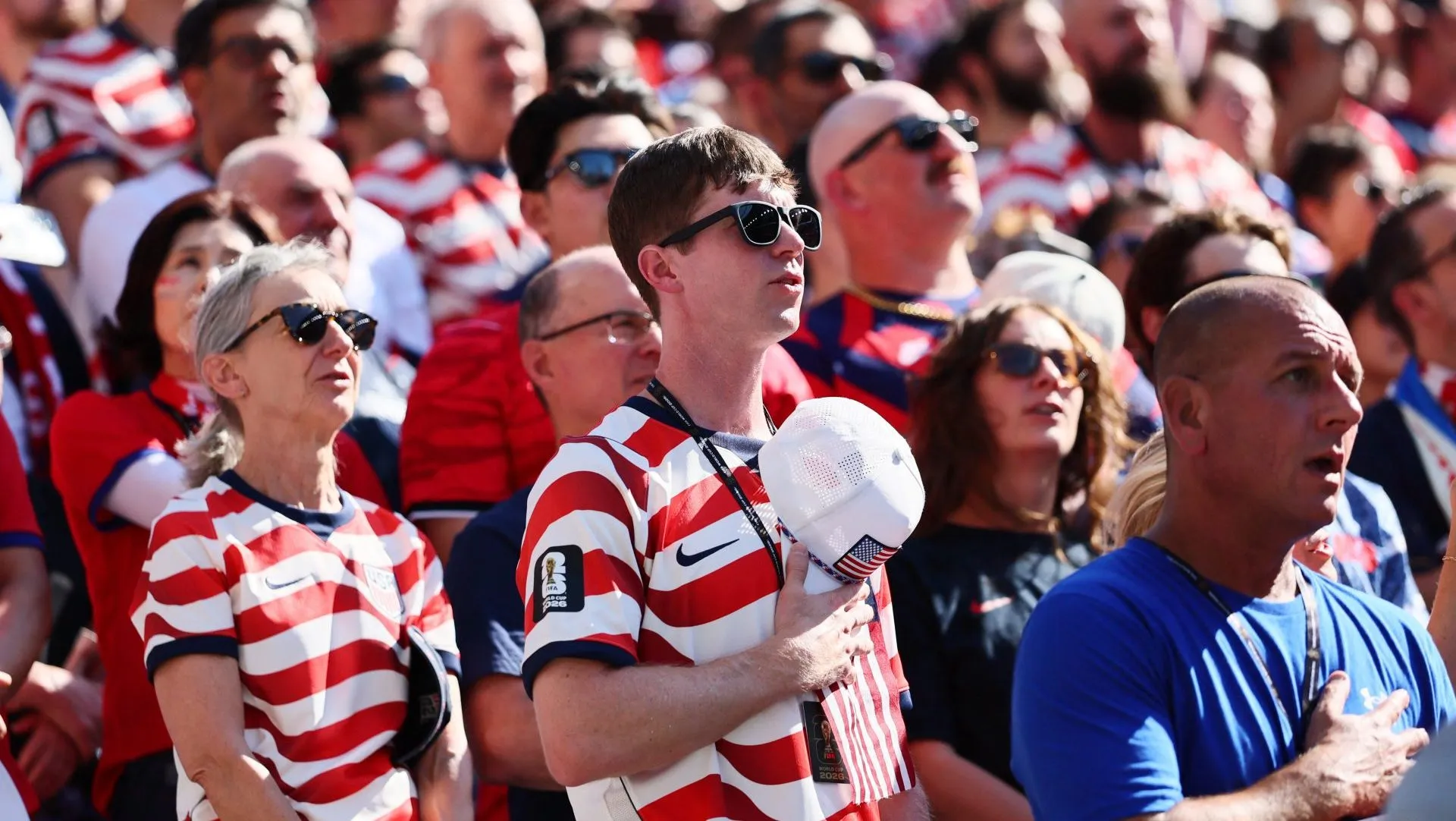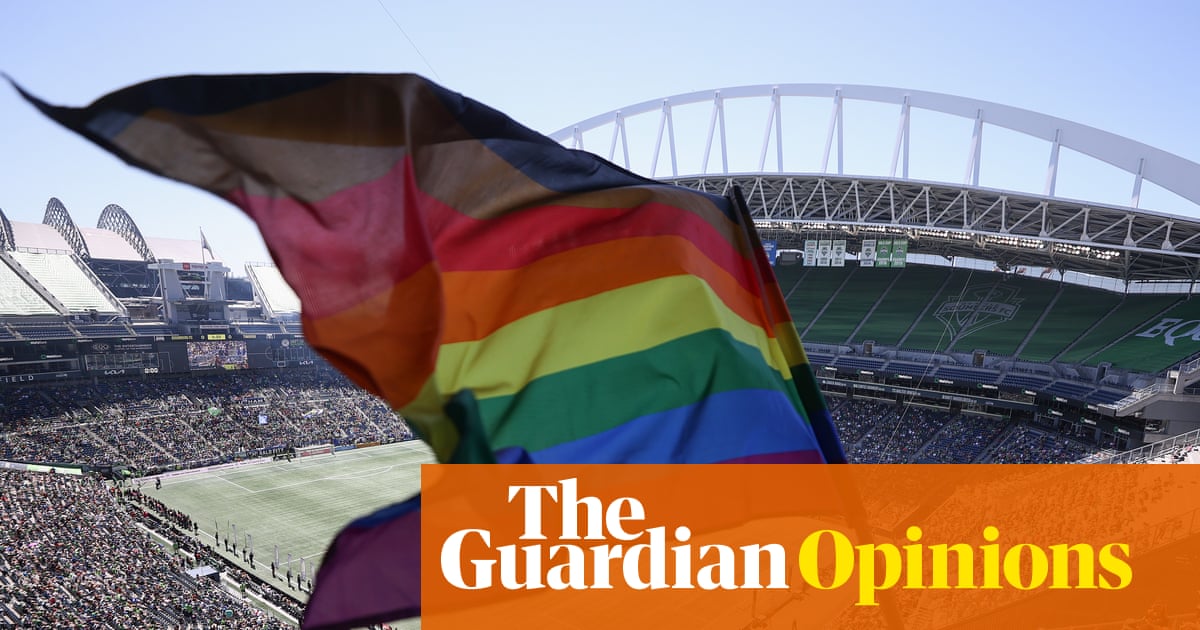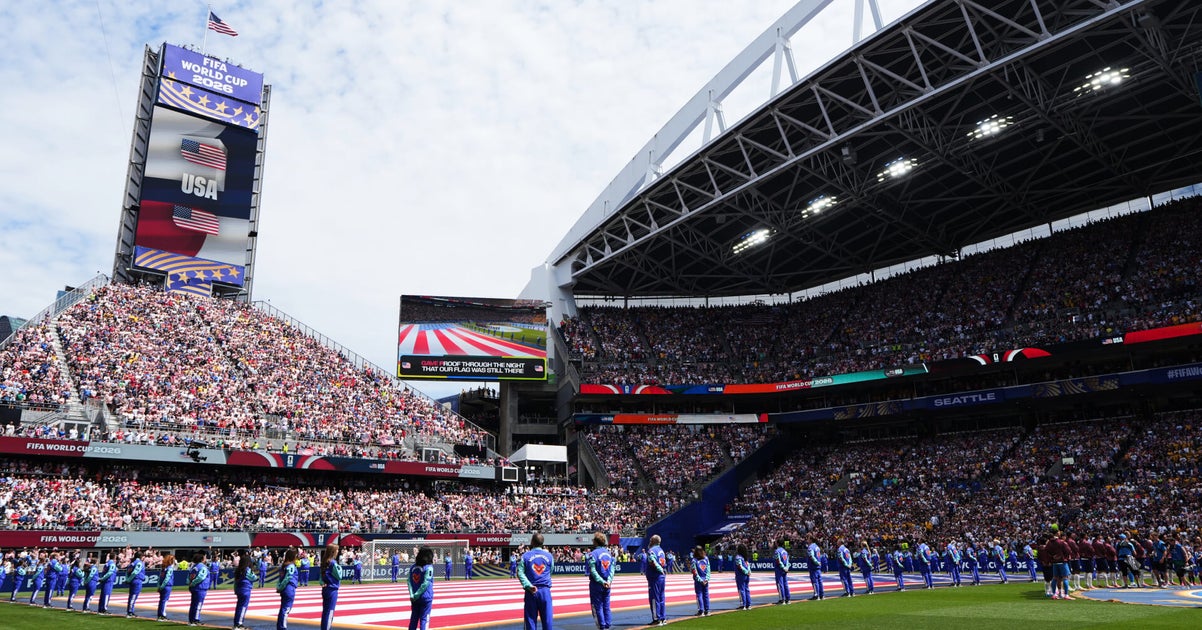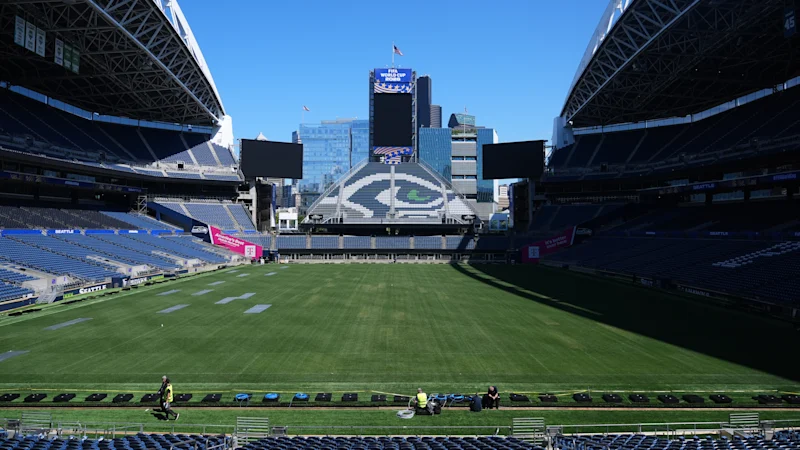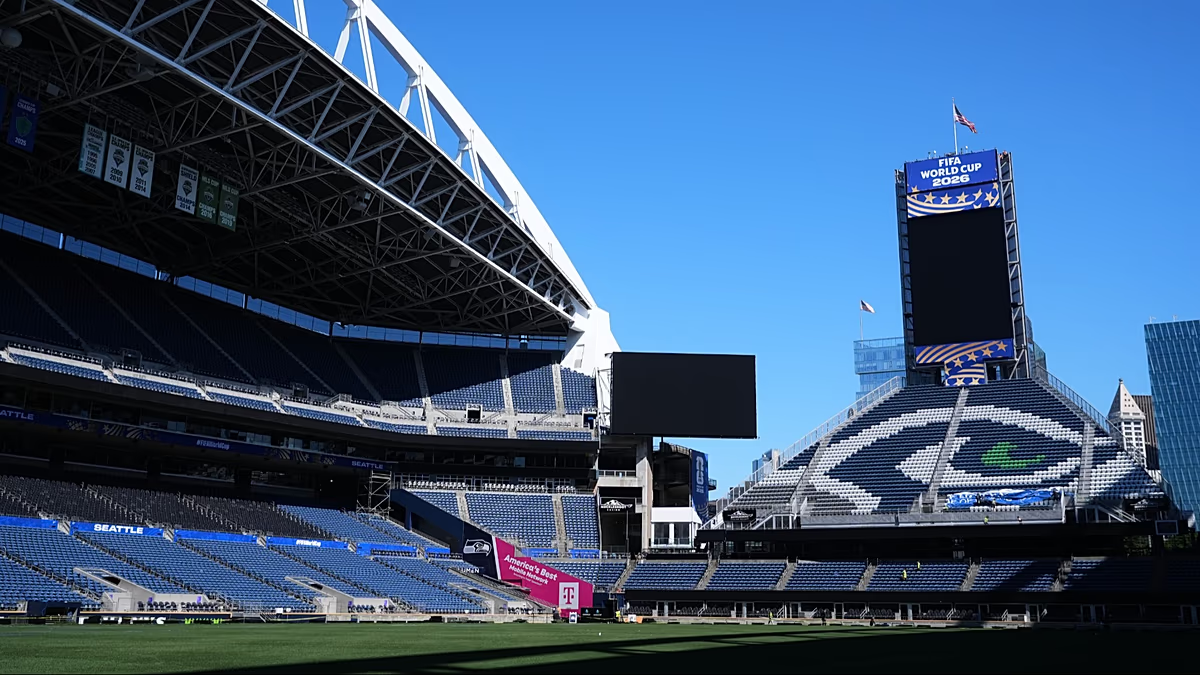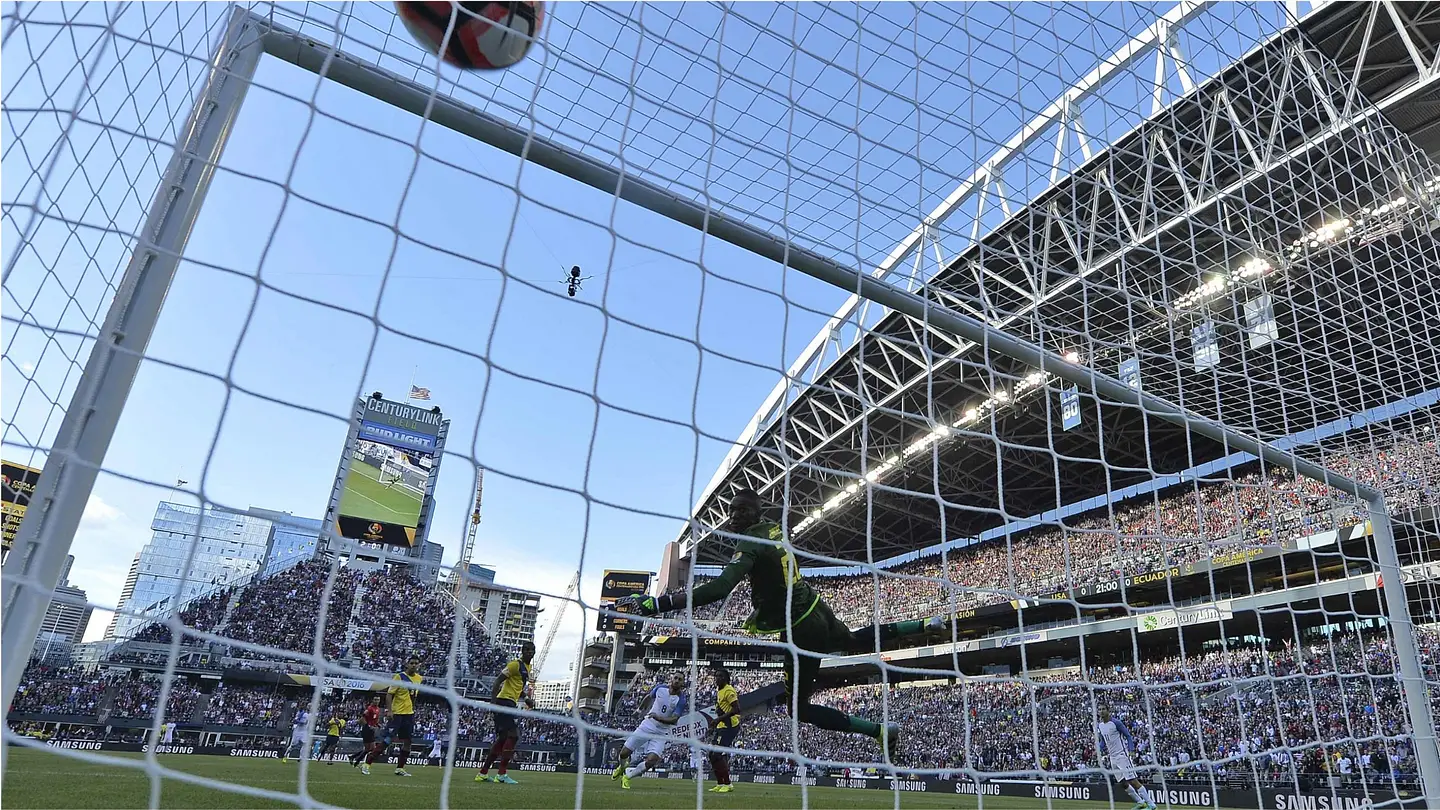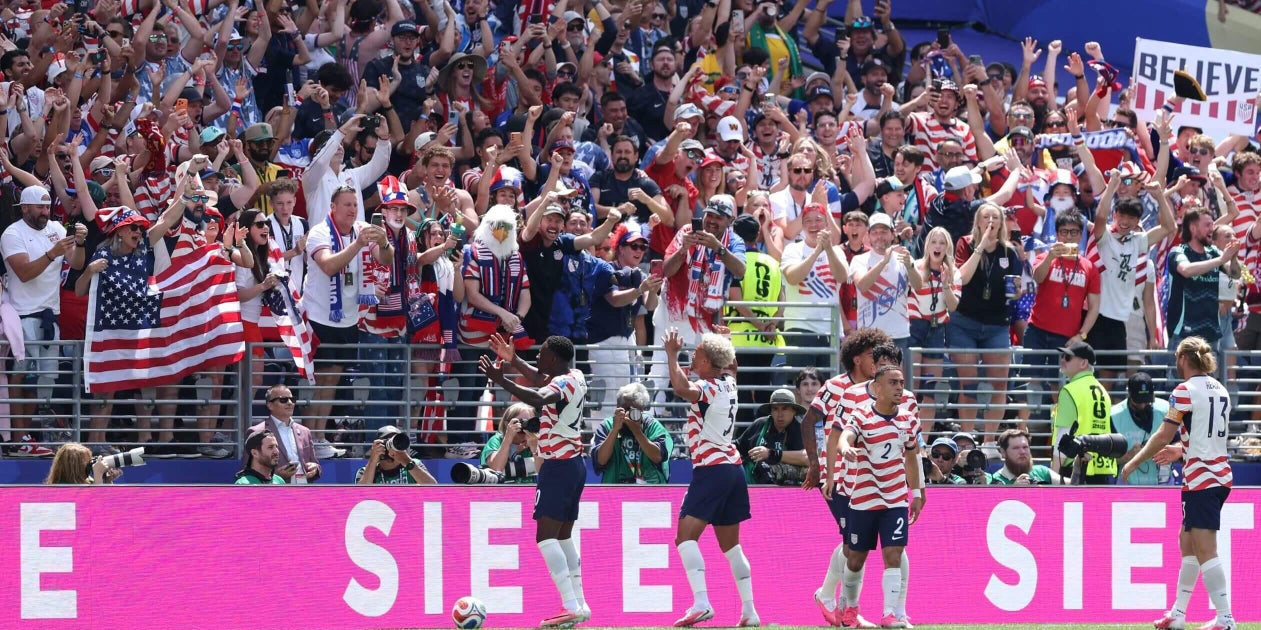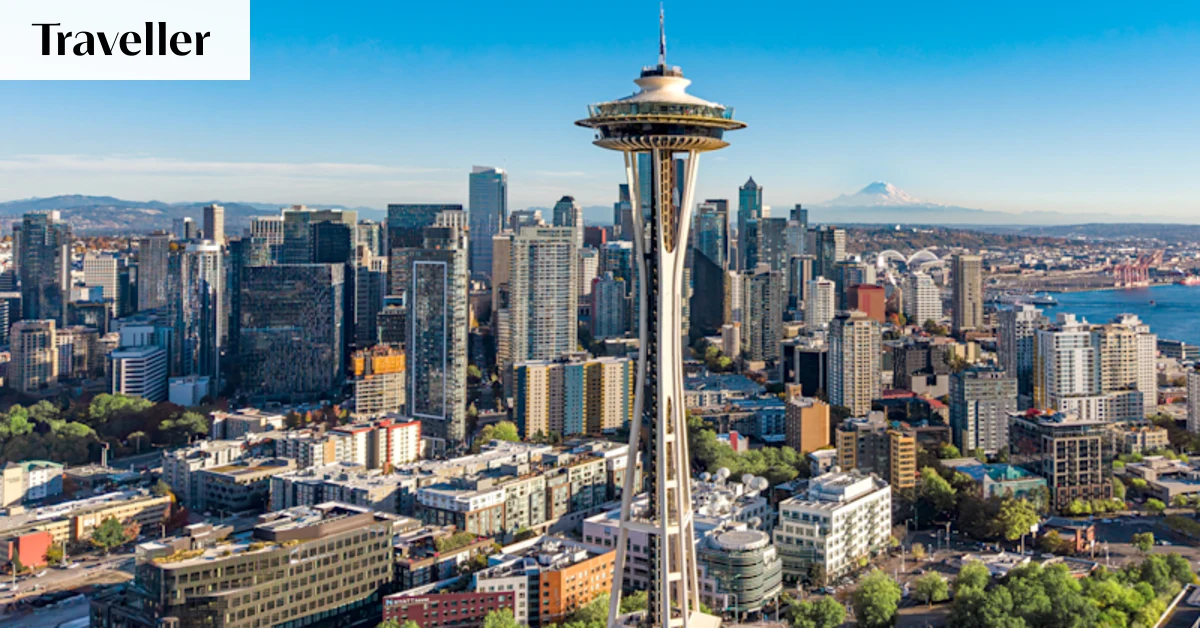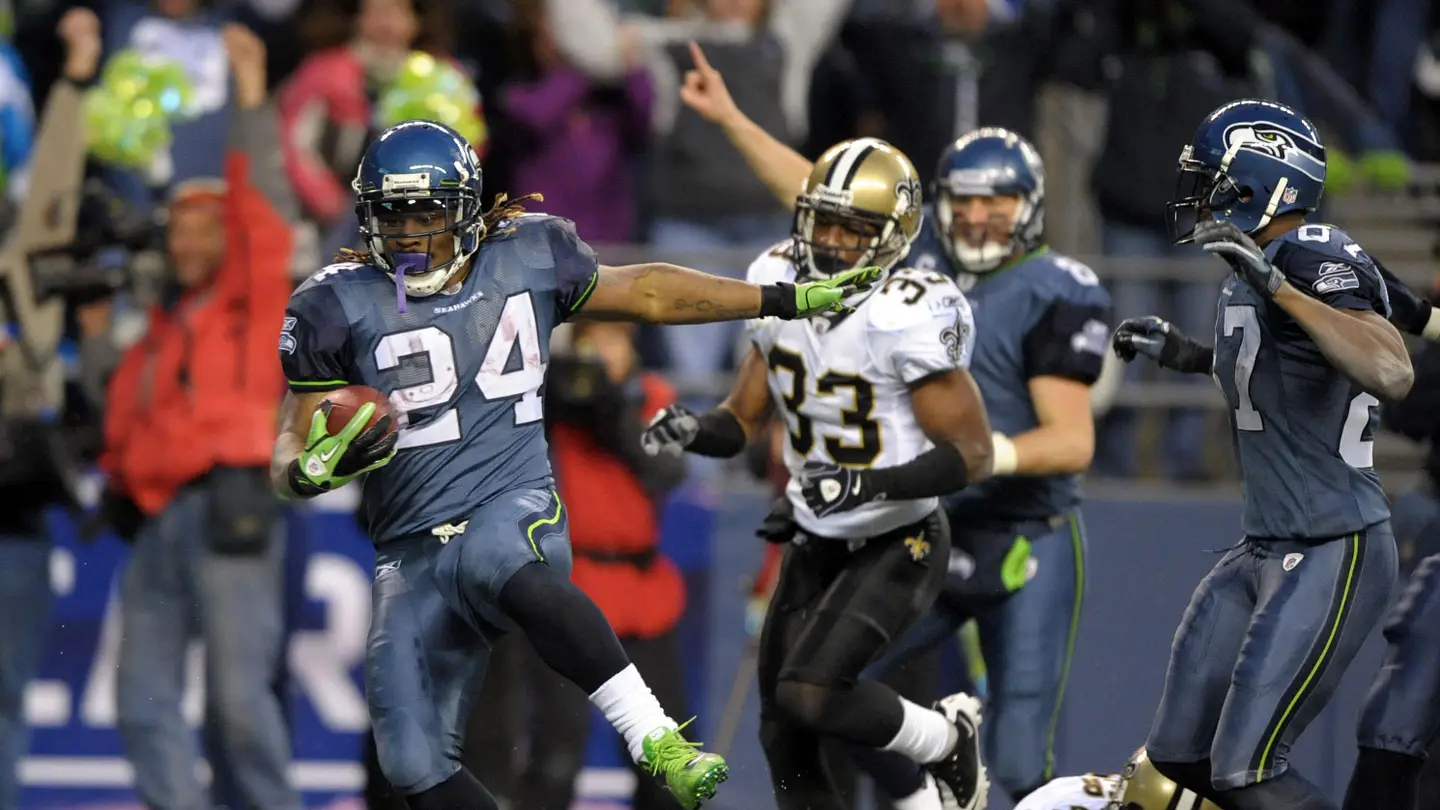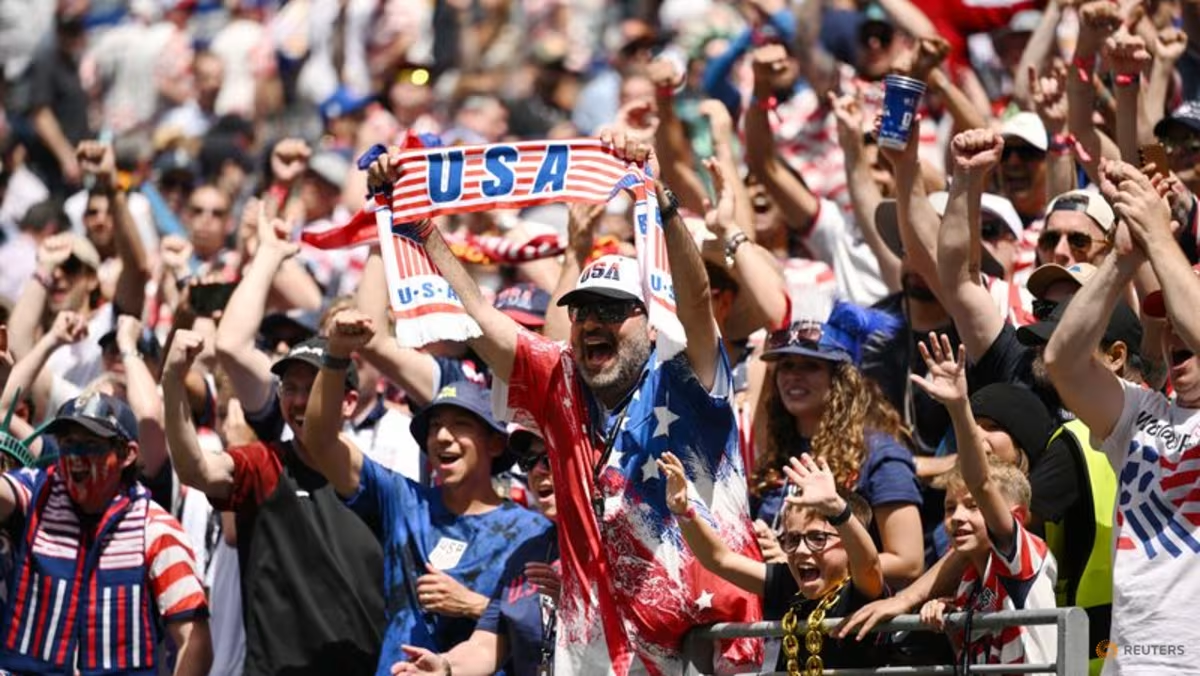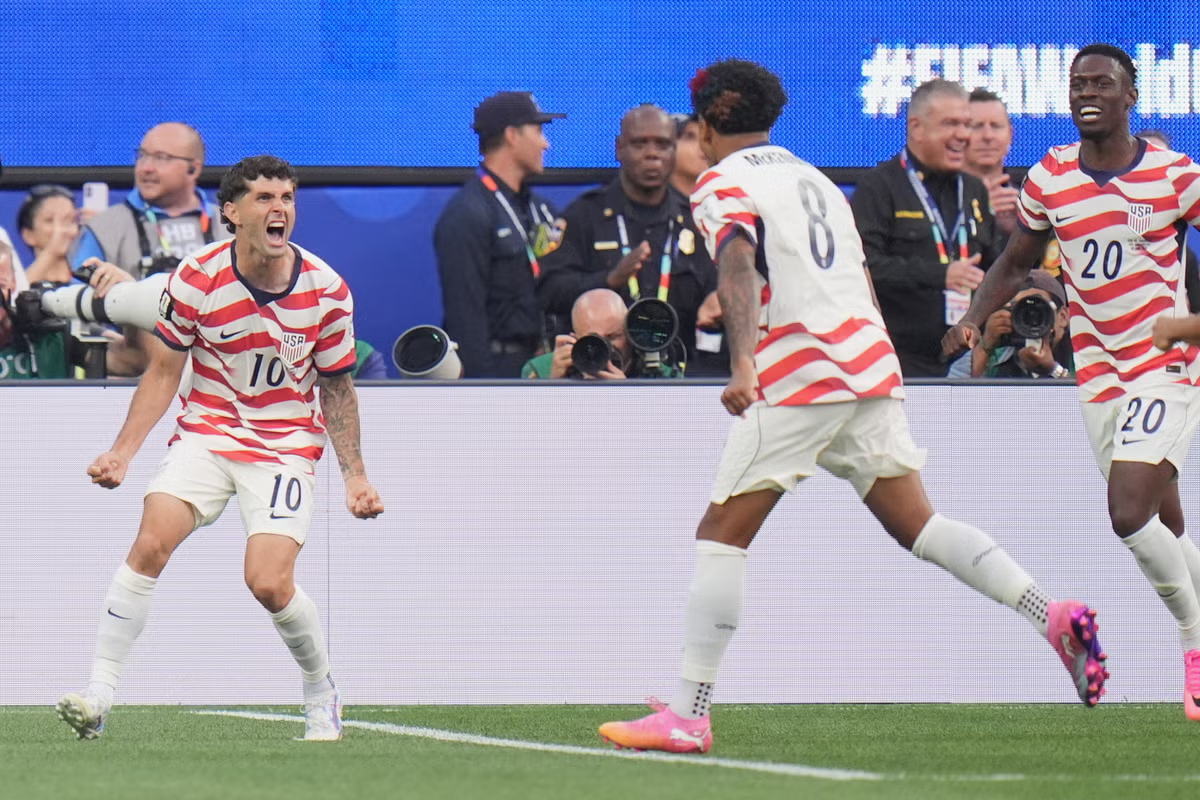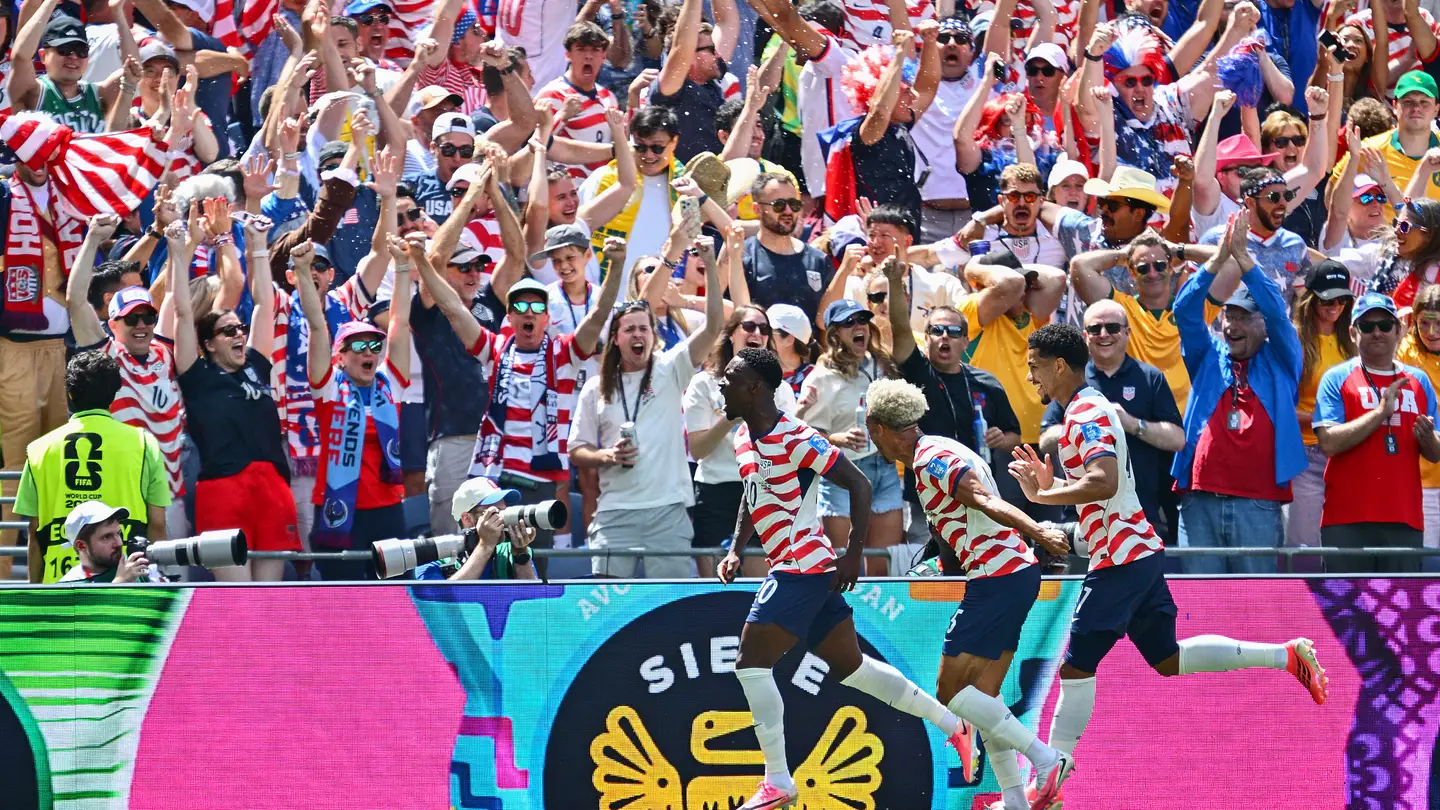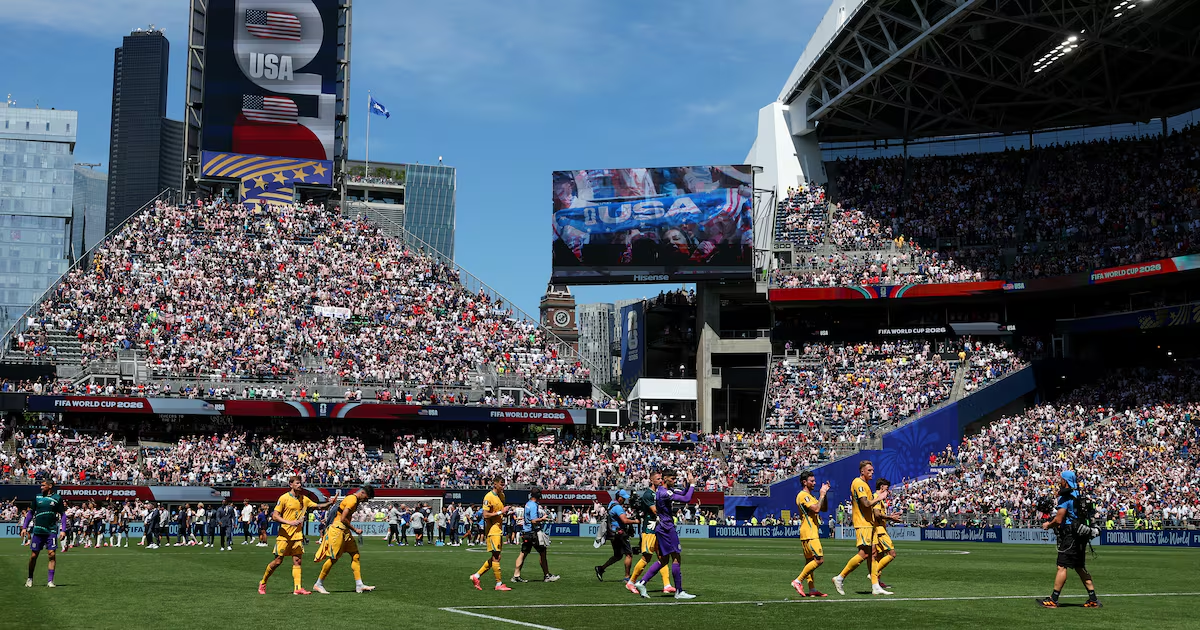
Lumen Stadium may be one of the more remote football grounds in the gloriously daft geographical stretch of this World Cup, but it’s definitely one of the most soulful sports arenas in the entire United States.Every so often, you encounter a football stadium that somehow seems to reflect the personality and character of its city – and the offbeat, horseshoe arena dropped into the stoic brown-bricked warehouses and former factories around Pioneer Square was, on Friday, the beating heart of whatever Seattle is.Which is what? To most Americans, let alone the rest of the world, Seattle has always been shrouded in a kind of mystery, up there in the far northwest, moody and forested, given to spectacularly gloomy winters and almost impossible to pin down into any one category. Any mention of Seattle evokes a swirl of images that includes the late Kurt Cobain, coffee, the tech revolution led by Microsoft, the geekily wonderful Space Needle and, to sports fans of a certain era, the dark business when the Supersonics basketball team was legally thieved from the city and relocated to Oklahoma. It’s eclectic, tolerant and its locals seem fond of tattoos. Most people have heard of the Puget Sound but are probably less certain of what it means, or is. No city has worked or dreamed as hard to become a World Cup city as Seattle.“I sobbed on TV when we were announced as a city to host,” admitted Adrian Hanauer, the majority owner of the Seattle Sounders football team.“Maybe that was when I realised it was happening,”Australian fans in Seattle before the World Cup Group D match against the USA. Photograph: Alex Grimm/Getty Images Friday’s match between USA and Australia was less an occasion than the realisation of an ambition that had been 30 years in the making. For the 1994 staging, the city had lobbied hard to become one of the cities. Its football tradition arrived in the 1960s with many Europeans coming to work with Boeing: the original Seattle Sounders team was founded in 1974 and it smashed national attendance records within two years. But the city had neither the confidence nor the political heft to swing a Fifa decision their way in 1994.The curious thing is that by that year, Seattle had become the beating heart of the countercultural world, with the grunge movement reaching its apex and the music world still revolving around the death of Cobain. Three decades on, Seattle honours his brief starburst with low-key authenticity: there’s a park bench near his home that has become an unofficial shrine, and several of the bars where Nirvana played – and where its singer was last seen – have survived the decades of change.So that ’94 tournament, played in broiling summer heat, came and left, having gifted novice US football enthusiasts a curious hodgepodge of memories – the Andres Escobar murder, the Baggio ponytail, and Diana Ross missing a penalty from so close to the goal line that her kick became a mesmerising example of anti-skill.Thirty-two years on, the World Cup’s visibility is on a different scale. In an odd way, the host cities are in competition.While most US stadiums used in this World Cup were primarily designed and constructed to host NFL games, Lumen Field, or Seattle Stadium to give it its Fifa-assigned generic title, replaced the old Kingdome with both the Sounders and the Seahawks, the NFL team, in mind. Crucially, the city decided to keep its stadium in the heart of the city rather than bolt for some soulless greenfield site on the hideous outskirts of town.And on Friday, the civic ambition of that decision collided happily with the arrival of both the USA team and a blast of June sunshine – never a guaranteed thing here – to make the city appear completely magical. Like many people, I’d arrived on the eve of the game and wasn’t entirely sure what to expect. But Seattle seems wonderfully relaxed about everything. They opened the bars at 7am and by 10.45 on the morning of the game, Occidental and King and the other streets running down from Pioneer Square were transformed into a berserk carnival of happy Aussies and American fans wandering past anti-Ice, anti-Trump, pro-Workers and anti-Cuba- blockade protesters. United States fans march to the stadium in Seattle before the World Cup clash with Australia last Friday. Photograph: Ruth Fremson/The New York Times
Keith Duggan: Seattle appeared magical – the US may have found its natural football home
A special few weeks lie ahead as a city for so long shrouded in mystery embraces a tournament for which it seems well matched
1,091 words~5 min read