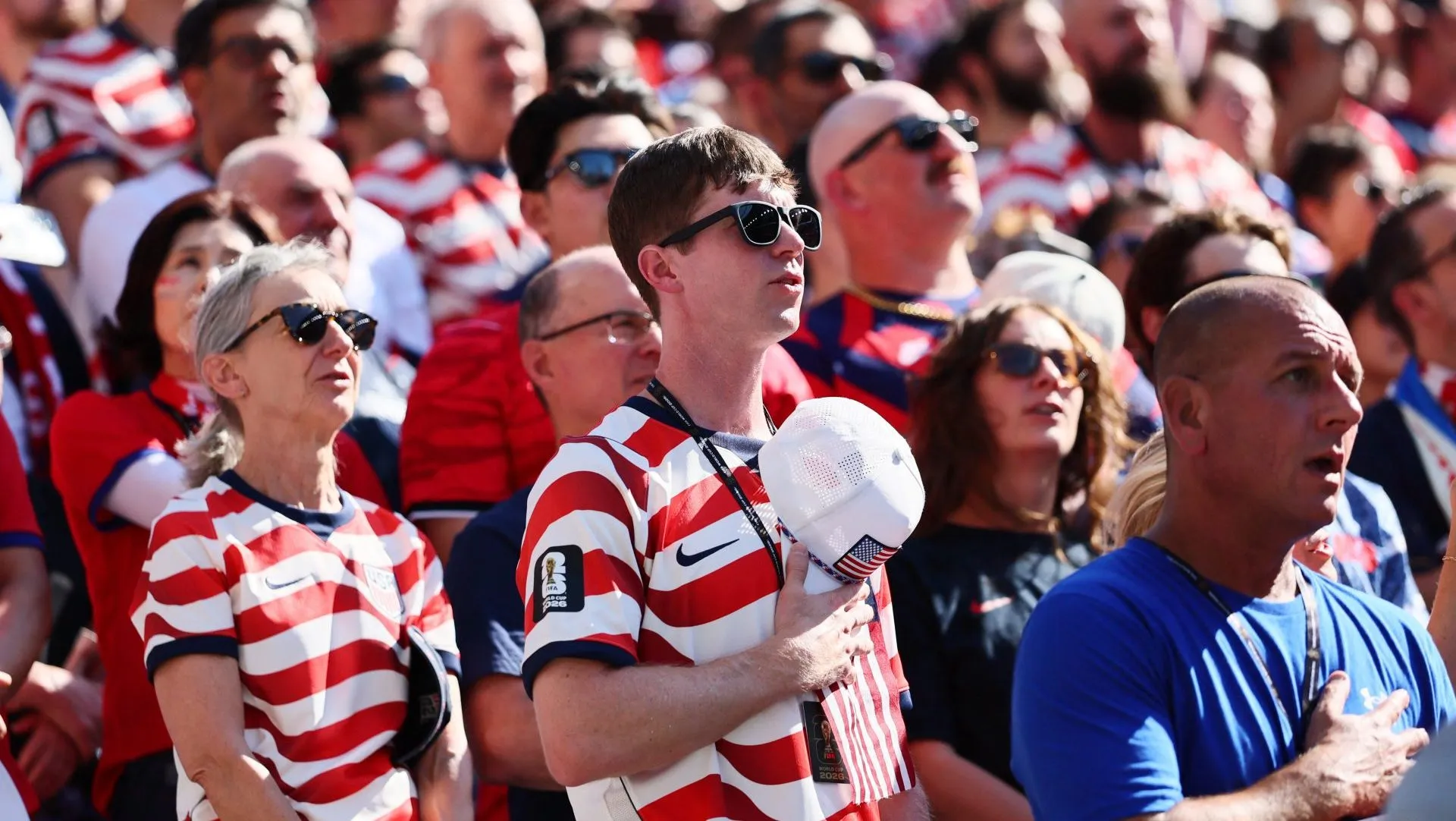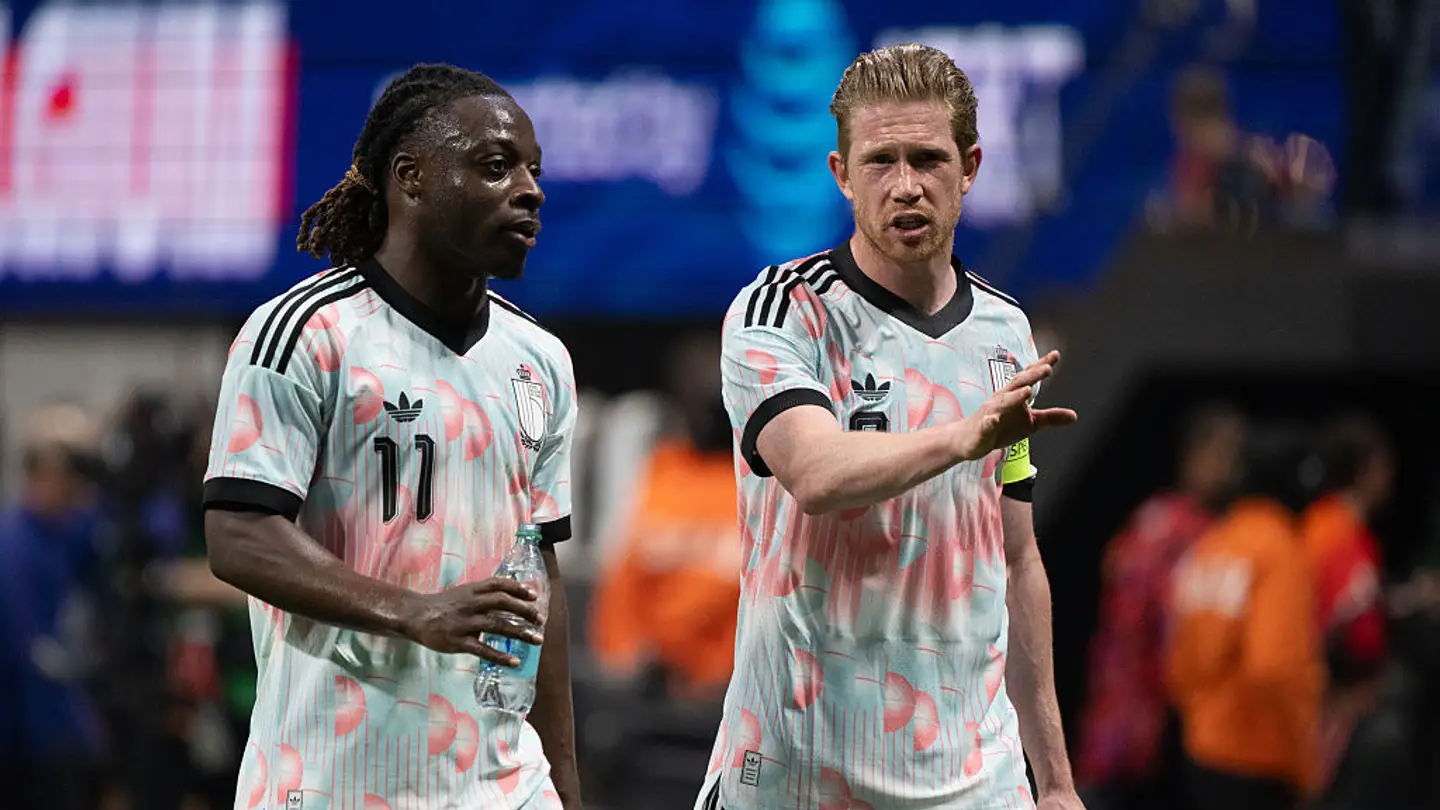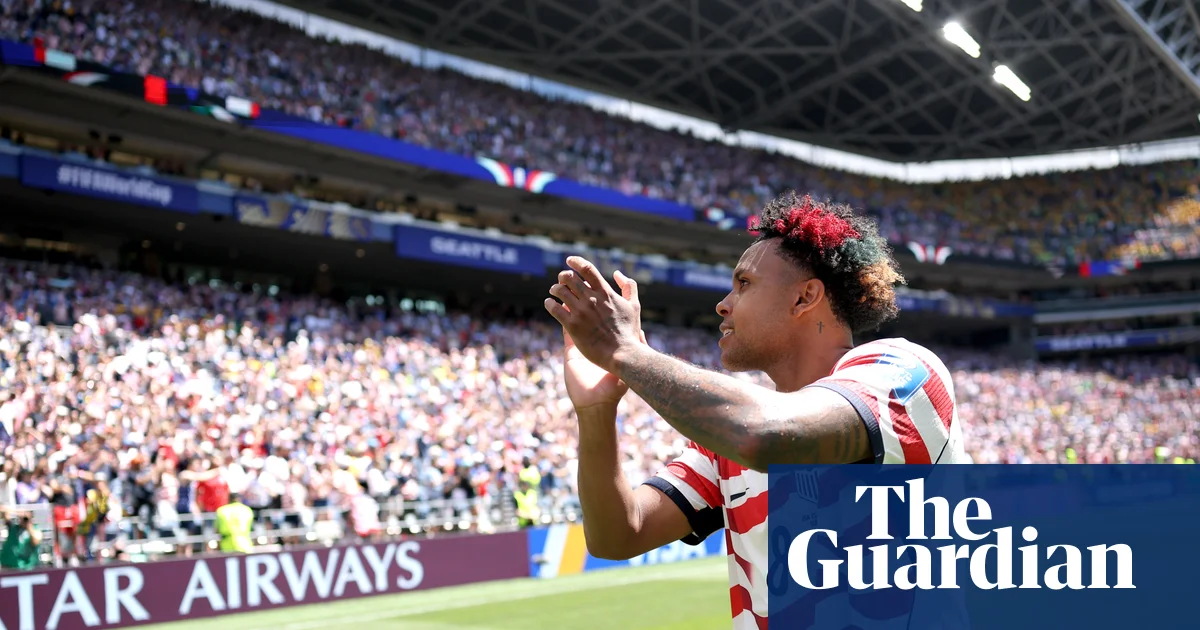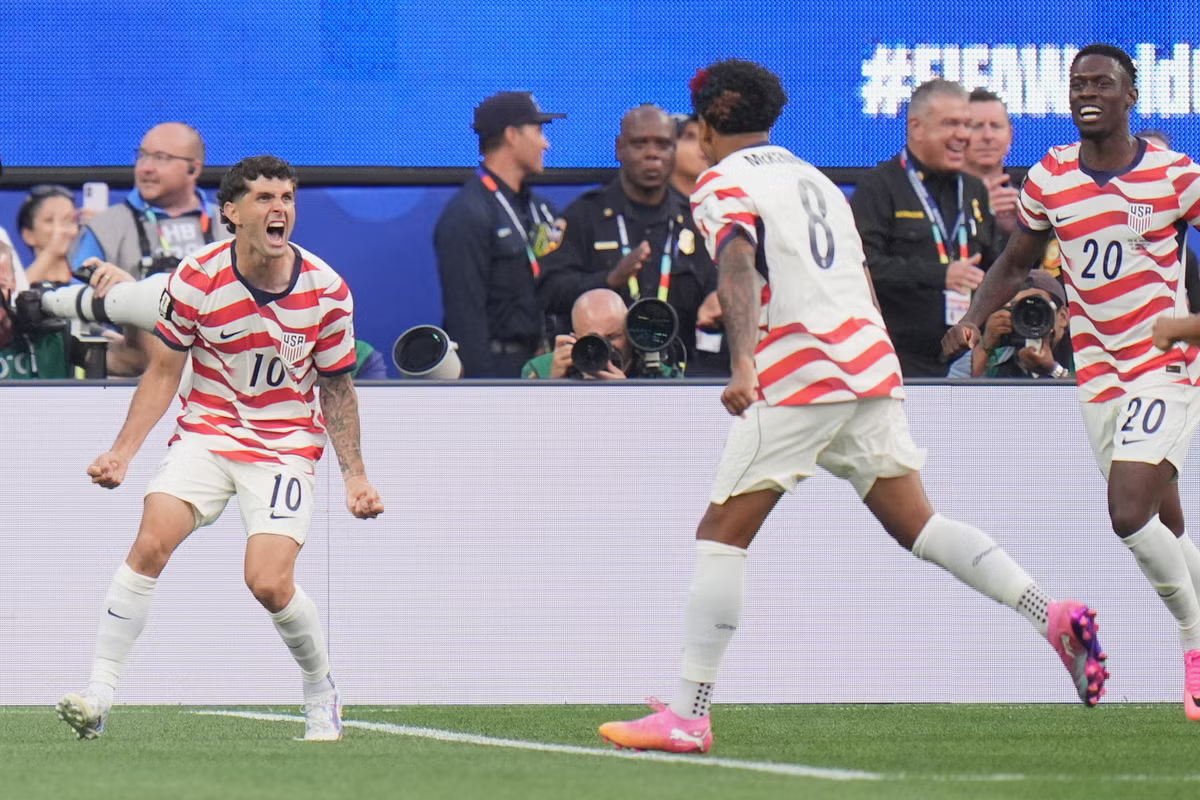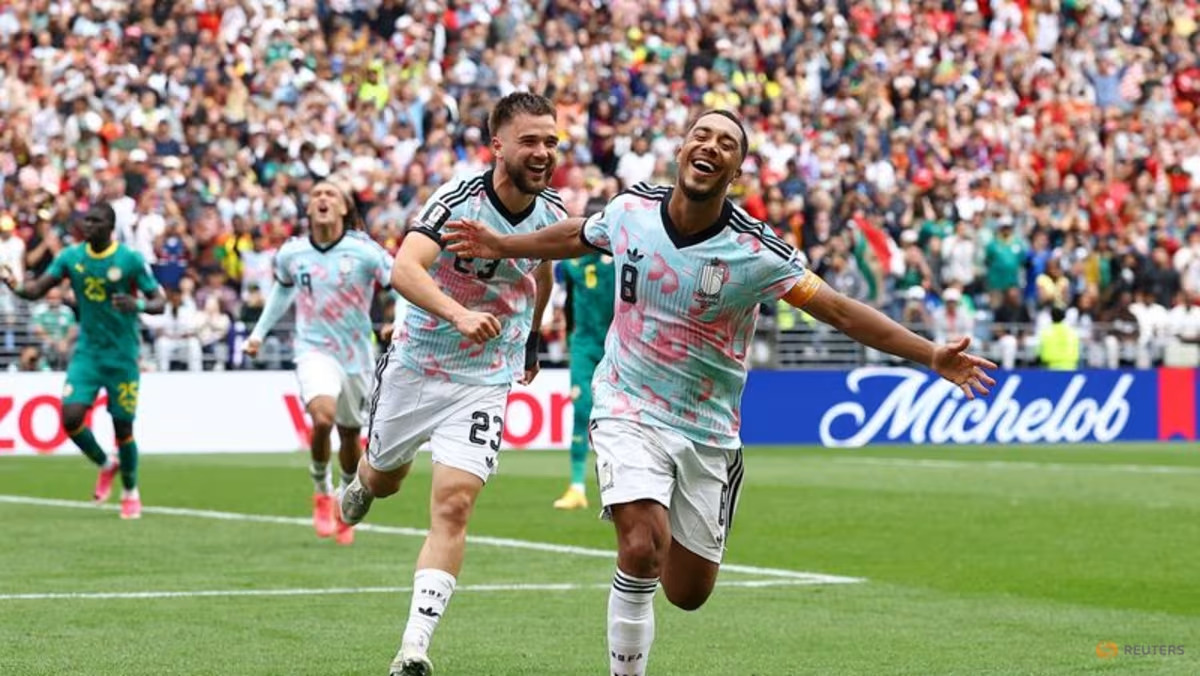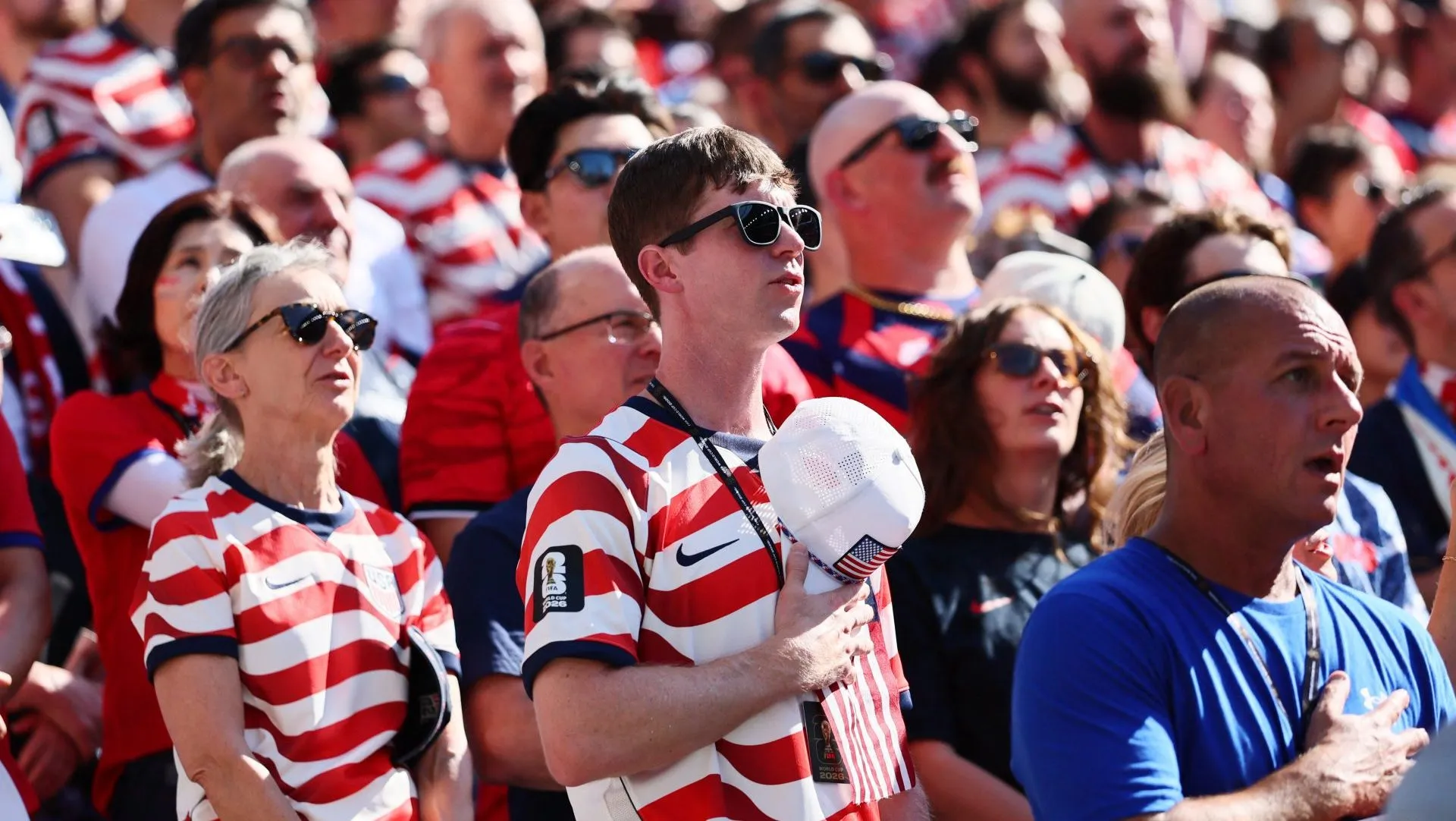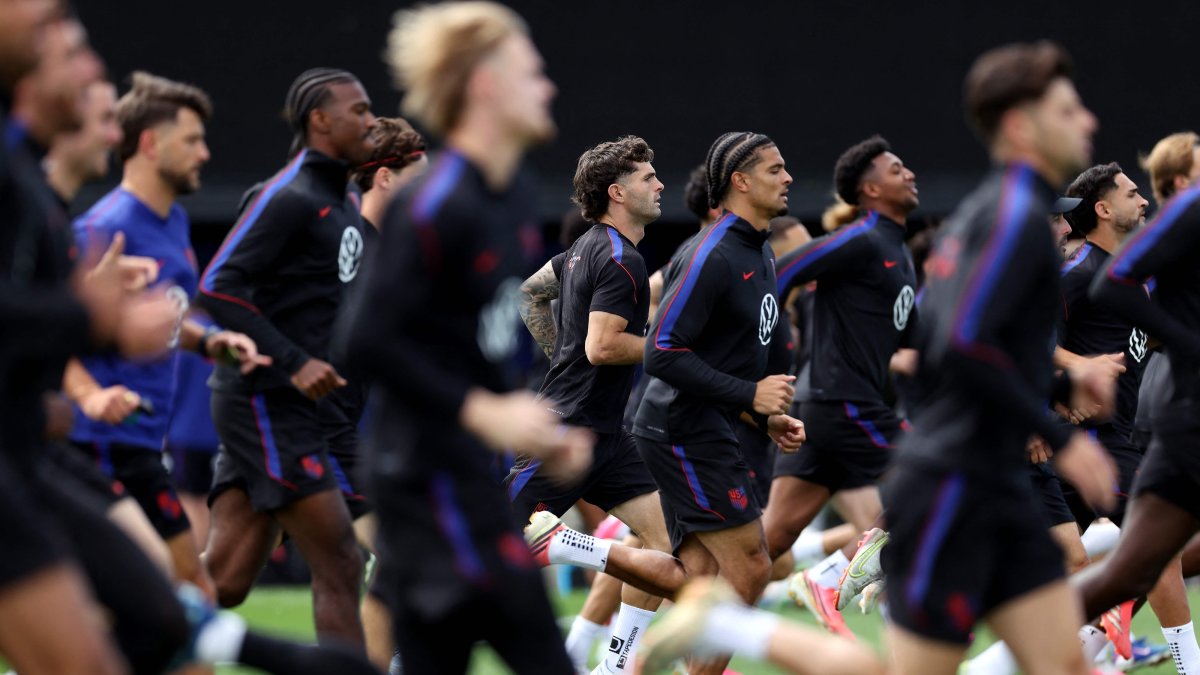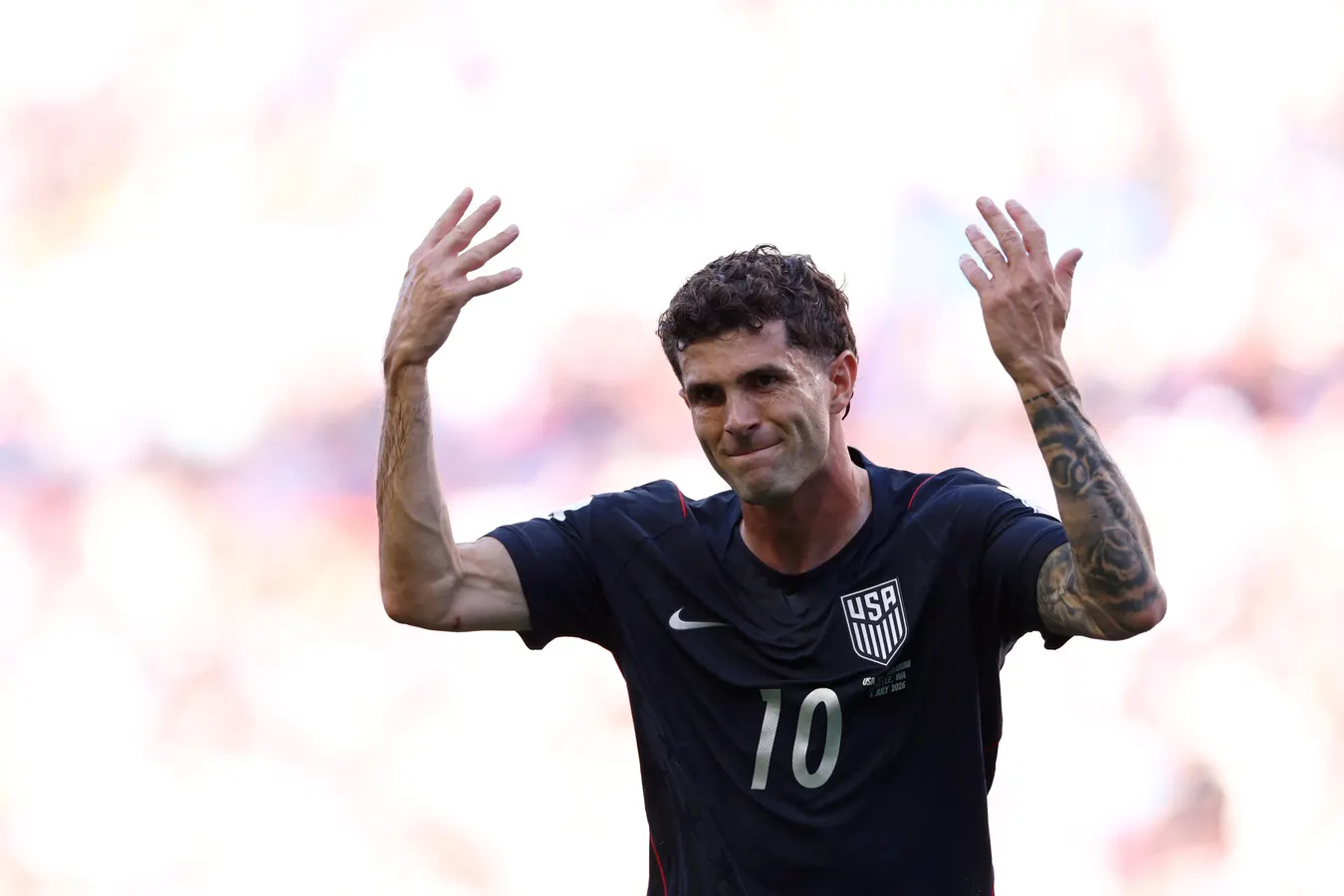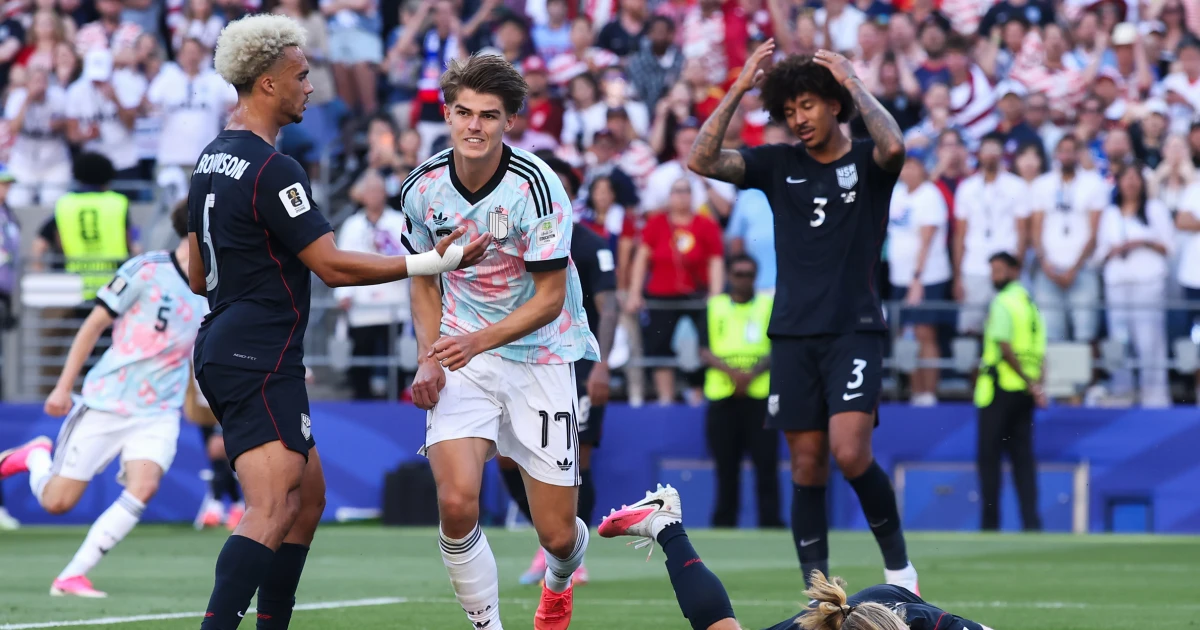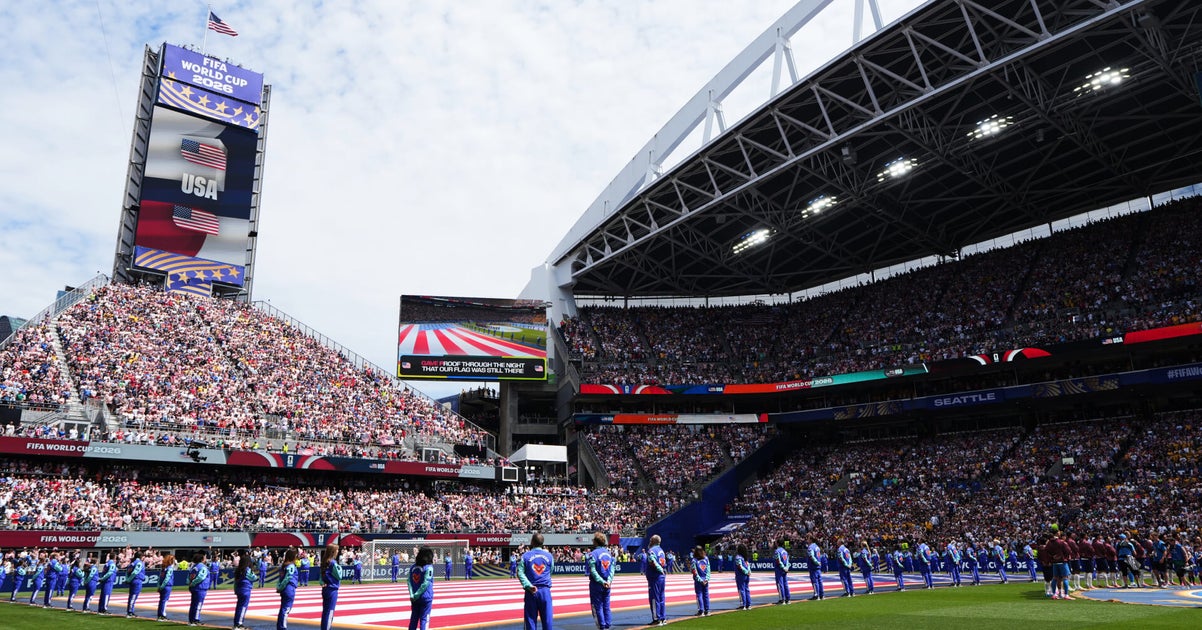
SEATTLE — Major League Soccer commissioner Don Garber stood on the pitch in Seattle, looked around at the tens of thousands of fans and felt tears welling in his eyes.It was 2009, 17 years before the Seattle crowds would capture a nation by serenading the U.S. World Cup team with “Country Roads” and prepare to host a blockbuster round-of-16 showdown, and the Sounders were playing their inaugural game in MLS. Garber saw the march to the match, the fans dressed in rave green and understood immediately what it meant: People would see these scenes and think differently about the potential for soccer in America.“For the first time I said, this is it, we have something here,” Garber recalled to The Athletic this week. “That if we keep doing what we’re doing, with the right owners, with the right cities, in the right stadiums, we’re going to crack that code.”Garber was right. Seattle changed minds about the potential for the sport, and it sold expansion teams around the continent — in Montreal, Orlando, New York City, Atlanta, Minnesota, Los Angeles and beyond. On the heels of Seattle’s success, MLS built out its footprint and its infrastructure, creating a permanence that never before existed for soccer in America.That development is the foundation that made this 2026 World Cup possible.Nearly two decades later, the Emerald City once again has a chance to host a potential step-function moment for American men’s soccer. This summer’s 2026 World Cup was billed as “rocket fuel” for soccer in America. The U.S. men’s national team declared the tournament part of their mission to “change American soccer forever.”After pulling the country onto its bandwagon — a record 33.5 million people tuned in to the knockout win over Bosnia, a number that outranked the 2026 NBA Finals and would have finished in the top five most-watched television events in 2025 — the fate of those hopes rest largely on what happens when the U.S. takes the field on Monday against Belgium.Win, and they become just the second American team of the modern era to advance to a World Cup quarterfinal. Only this team, unlike the one in 2002, will do so on home soil, with record-setting audiences and a sport with a resonance that is radically different in the U.S. today. Lose, and the sport will no doubt lament the missed opportunity of this moment, one that extends beyond even the U.S. result.Seattle Sounders fans march to their inaugural MLS match in March 2009 (Ted S. Warren / AP Photo)That so much hinges on a game that will happen here on the banks of Elliott Bay, where an American soccer culture was established in the 1960s with the North American Soccer League and grew with MLS in the early 2010s, is appropriate.There is perhaps no city more closely linked to the evolution of the sport in America and none better suited to the moment.“All of (Seattle’s soccer history) is, to me, the powder keg on which this recent passion has exploded,” Sounders owner Adrian Hanauer told The Athletic. “But I’m also a real pragmatist. The World Cup will be over in a few weeks, and then it’ll be back to the grind of how we improve our league, how we bring more fans into the game, how we translate their engagement in the World Cup into engagement in league soccer and participation in soccer.”Another U.S. win would go a long way toward extending the tail of this summer’s brilliant show and making an American soccer moment evolve into an American soccer legacy.Why Folarin Balogun's reaction to his red card set the standardHenry BushnellU.S. national team midfielder Tyler Adams was all of 3 years old when Landon Donovan, Brian McBride, DaMarcus Beasley and the 2002 U.S. World Cup team shocked the world by advancing to the World Cup quarterfinals in South Korea. Danielle Reyna was pregnant with Gio Reyna as Claudio captained that team. Defender Alex Freeman would not be born for another two years.
Can USMNT World Cup run ‘change American soccer forever’ as special Seattle return looms?
Seattle has served as the backdrop for many big U.S. soccer moments. With a last-16 game on tap, how important could Monday wind up being?
1,969 words~9 min read