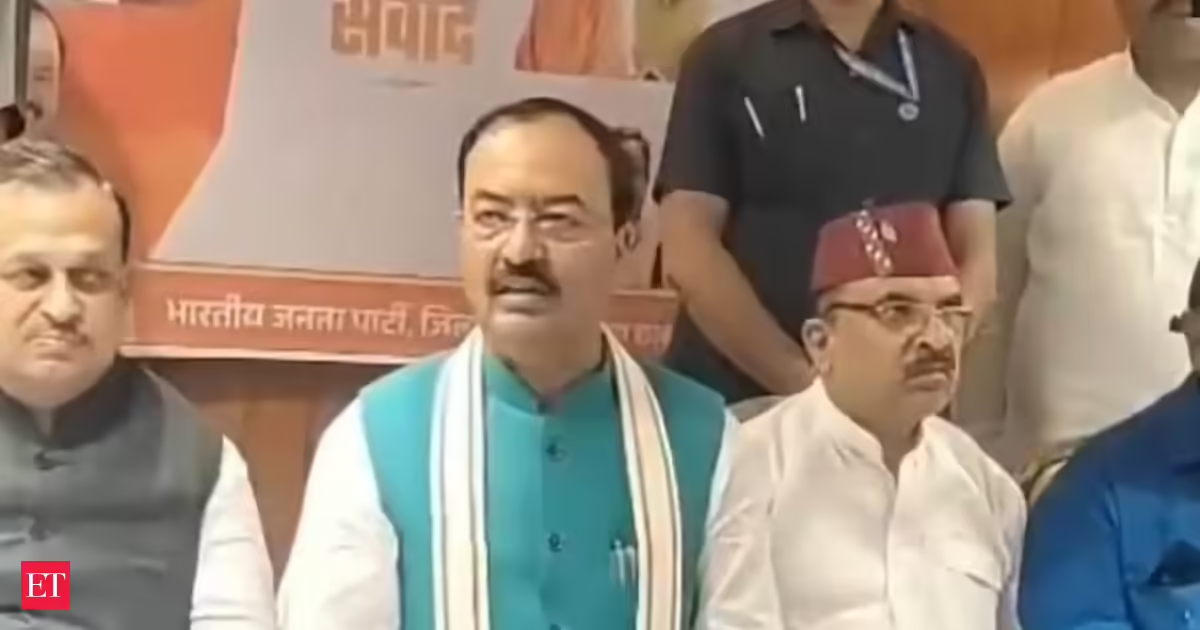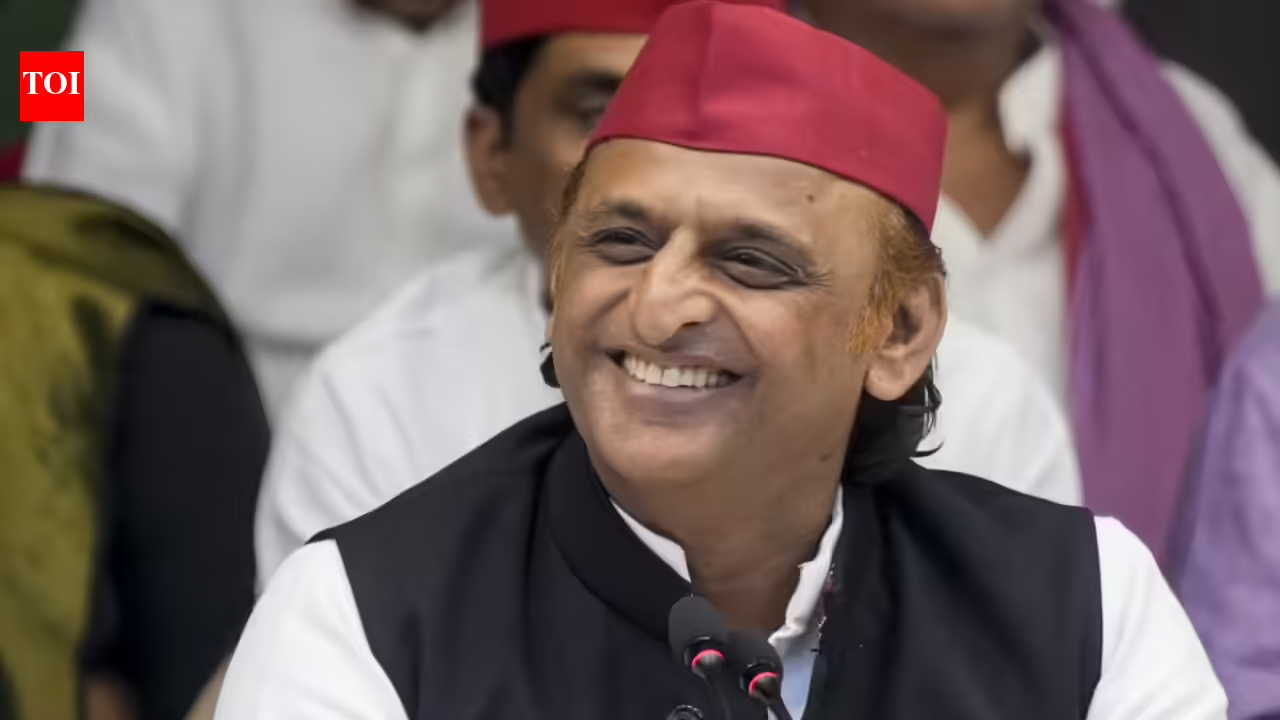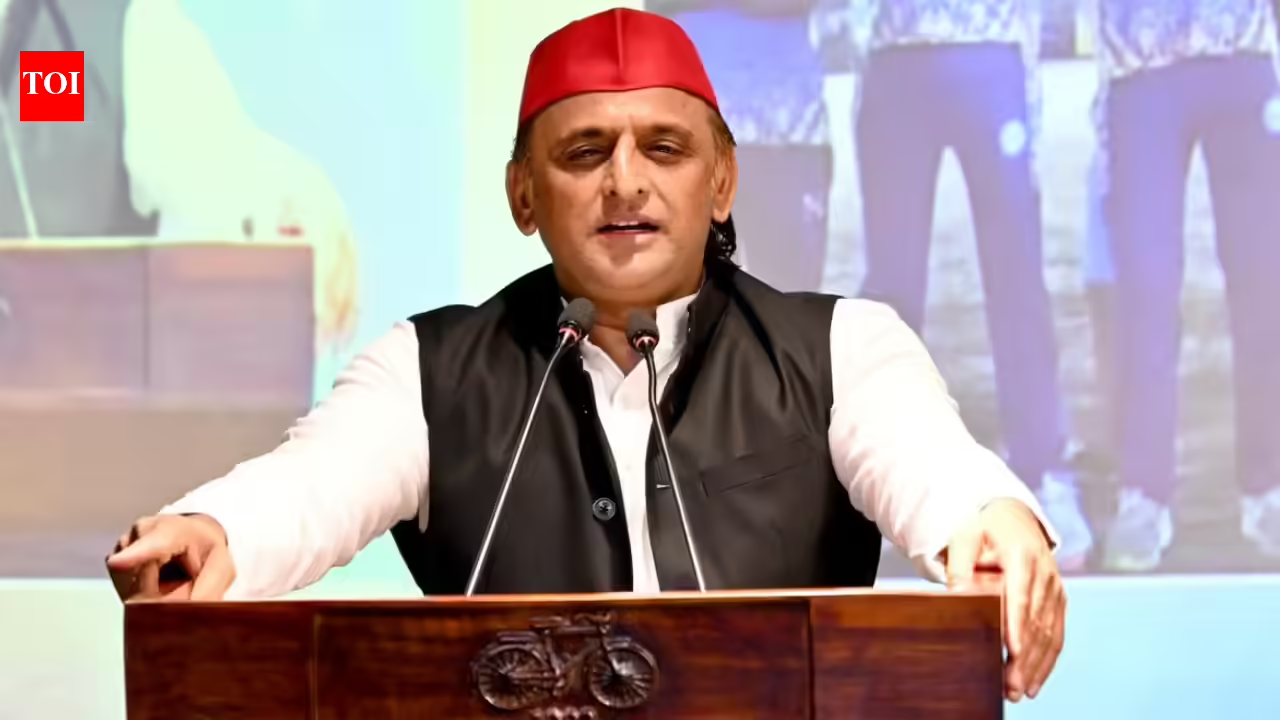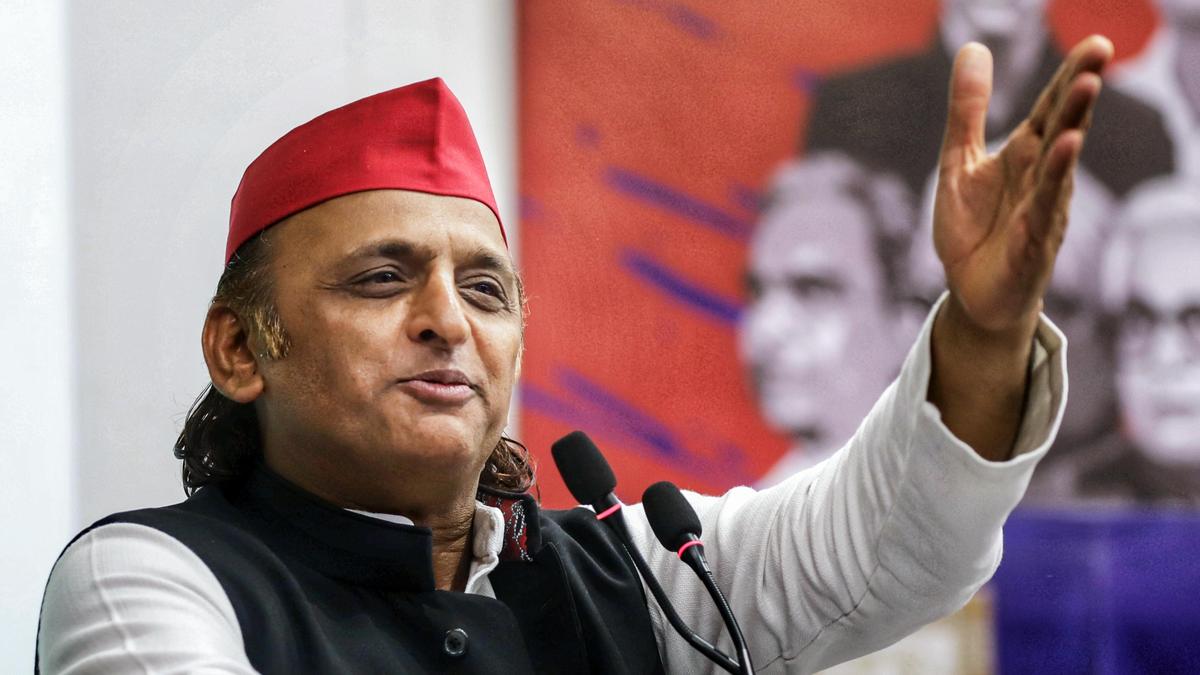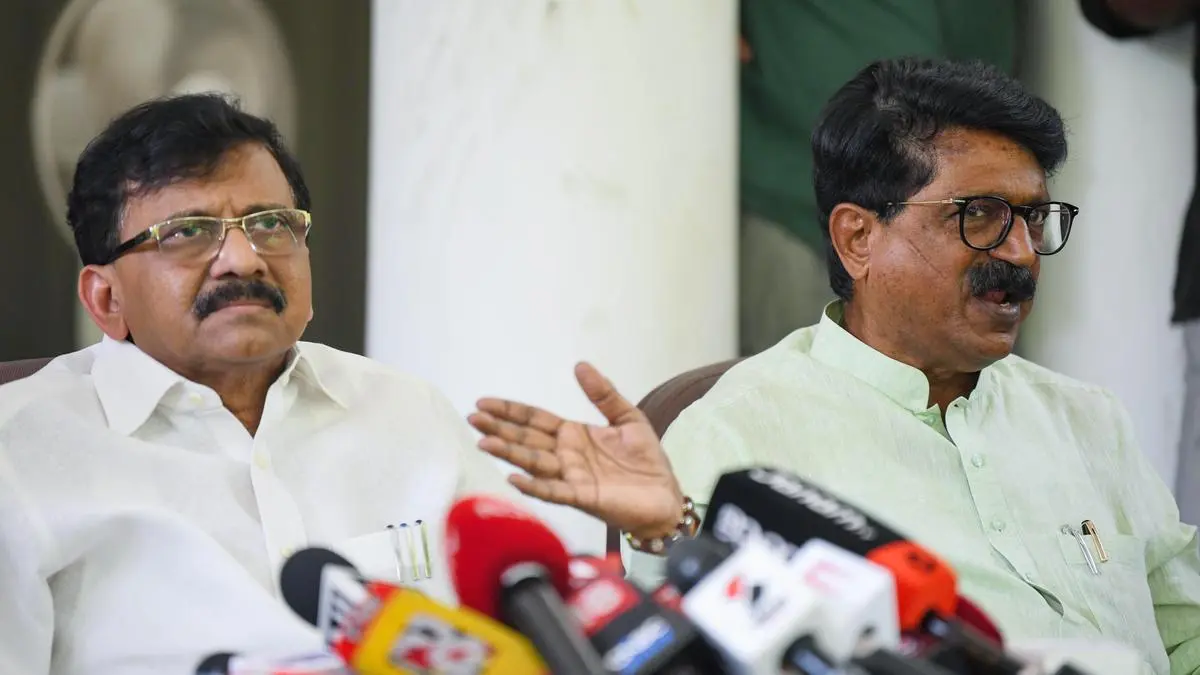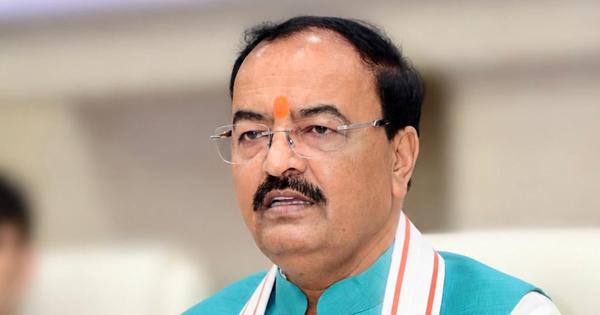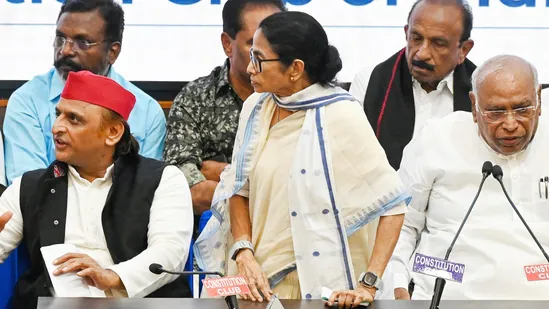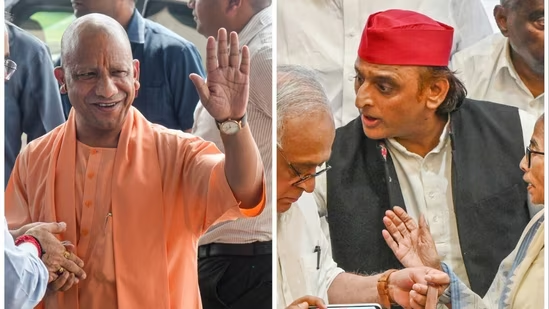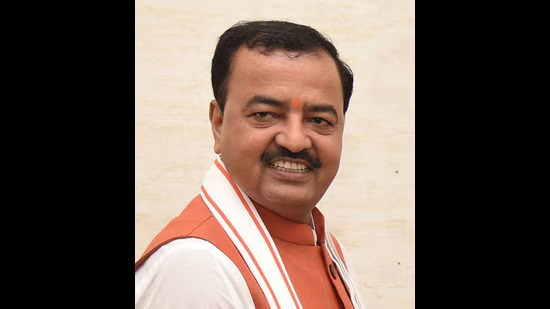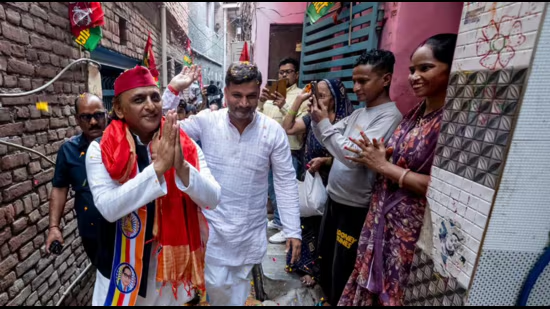
Regional parties have suffered engineered or self-inflicted splits after electoral defeats. The Trinamool Congress (TMC)’s split following its defeat in the 2026 West Bengal assembly elections has sparked speculation that other parties, notably the Samajwadi Party (SP), could be next.SP chief Akhilesh Yadav has dismissed split speculation, saying the party is determined to fight all such attempts. (X)Uttar Pradesh deputy chief minister Keshav Prasad Maurya indicated defections of SP members of Parliament (MPs), lending seriousness to the speculation, after ruling Bharatiya Janata Party (BJP) ally Om Prakash Rajbhar’s claim about it was met with scepticism.Follow updates related to Shiv Sena (UBT) split here.Apparently, carrots have been dangled before vulnerable SP MPs, as the party chief, Akhilesh Yadav, remains preoccupied with the assembly polls due next year. Yadav has so far dismissed all speculation, saying the SP is determined to fight all such attempts.The SP is a regional force and the third-largest party in Parliament. It registered its best performance in the 2024 national polls, bagging 37 of 80 Lok Sabha seats in Uttar Pradesh. The BJP’s seats in the state fell from 62 in 2019 to 33, as the party’s overall tally dropped below the majority mark in Parliament, making it dependent on the Telugu Desam Party (TDP) and Janata Dal (United) or JD(U) for retaining power.The BJP secured 240 seats in the 543-member Lok Sabha. The Congress-led opposition alliance bagged 234. The TDP’s 16 seats and the JD(U)’s 12 seats helped the NDA cross the majority mark, reaching 293 seats.On Sunday, two of the six rebel Shiv Sena (UBT) MPs announced their defection to the Eknath Shinde-led Shiv Sena, a constituent of the BJP-led National Democratic Alliance (NDA). Four more defections are expected to follow.Shiv Sena (UBT)’s split came days after 20 TMC MPs announced their defection to the little-known Nationalist Citizen Party of India (NCPI), which is allied with the NDA. There is little clarity about the NCPI leadership. The party, founded in Tripura in 2023, has a registered office in West Bengal’s Howrah. The NCPI is an unrecognised party that contested two assembly seats in Tripura and polled a few hundred votes.The defections came against the backdrop of the NDA government’s keenness on passing the delimitation bill. The NDA is short by 46 members needed for a two-thirds majority in the Lok Sabha. The TMC and Shiv Sena (UBT) played a key role in defeating the constitution amendment bill for delimitation earlier this year.The Congress, Left Front, and TMC dominated West Bengal politics until the BJP swept to power in 2026. The BJP expects little challenge until the Left and Congress revive. The TMC’s future is uncertain amid speculation about its merger with the Congress.The TMC rebels, irrespective of their numerical strength, are unlikely to face immediate disqualification. Presiding officers have often kept anti-defection cases pending for years until the end of House terms. The courts have either refused to intervene in legislative matters or have not provided immediate relief.History appears to have come full circle in West Bengal. In 1998, Mamata Banerjee ended her 23-year-long association with the Congress and launched TMC, which went on to demolish the 34-year Left Front rule. The Congress is yet to recover from the jolt, while Banerjee became an invincible leader of Bengal.It is too early to write TMC’s obituary, as it could remain relevant if it decides against merging with the Congress. Banerjee has repeatedly shown the tenacity to fight back, but age is not on her side.The TMC’s meltdown has sparked a debate on the future of regional parties that grew in the last three decades, dictating and dominating politics at the Centre and in states. Some of them have ailing leadership, and others are facing succession battles.The political and bargaining power of regional parties has diminished in the last few elections, with the BJP being the principal beneficiary. The majority of the regional parties, which dictated the country’s politics for a decade between 1989 and 1999, came under the larger umbrellas of the BJP-led and the Congress-led alliances. Very few parties operate independently of them. Discussions never cease on the need for a third or fourth front.The regional parties grew as the Congress and the BJP failed to develop or retain a fully pan-India base. The Congress’s loss of power was the regional parties’ gain until the BJP returned to power at the Centre in 2014.Regional parties dominated big states, such as Uttar Pradesh, Bihar, West Bengal, Tamil Nadu, Andhra Pradesh, and Odisha, accounting for 247 of 543 Lok Sabha seats. In 2026, the BJP took over the charge of the government from JD(U) in Bihar and demolished the TMC in Bengal. It removed the Biju Janata Dal from power in Odisha in 2014 and had its own chief minister lead the government in Maharashtra.The SP remains the strongest regional party. In 2027, a weakened Aam Aadmi Party faces the assembly polls in Punjab after losing power in Delhi.In Tamil Nadu, a new regional party, Tamilga Vettri Kazhagam, defeated the Dravida Munnetra Kazhagam and All India Anna Dravida Munnetra Kazhagam, indicating that regional parties are there to stay. The TDP rules Andhra Pradesh, and another regional force, the YSR Congress Party, is the main opposition party.The BJP was in a direct contest with the Congress on barely 200 seats in the 2024 national polls and on 243 seats with regional parties. In the remaining 100 seats, the BJP was not in the fight at all. In 2029, the BJP will have virtually no challenge in states such as West Bengal and Odisha, even as it will be premature to predict the demise of regional parties.Regional parties often split but survive, as regional aspirations will remain strong in a diverse country like India.
Keeping up with UP: TMC meltdown and future of regional parties
Uttar Pradesh deputy chief minister Keshav Prasad Maurya indicated defections of SP members of Parliament (MPs), lending seriousness to the speculation. | India News
955 words~4 min read