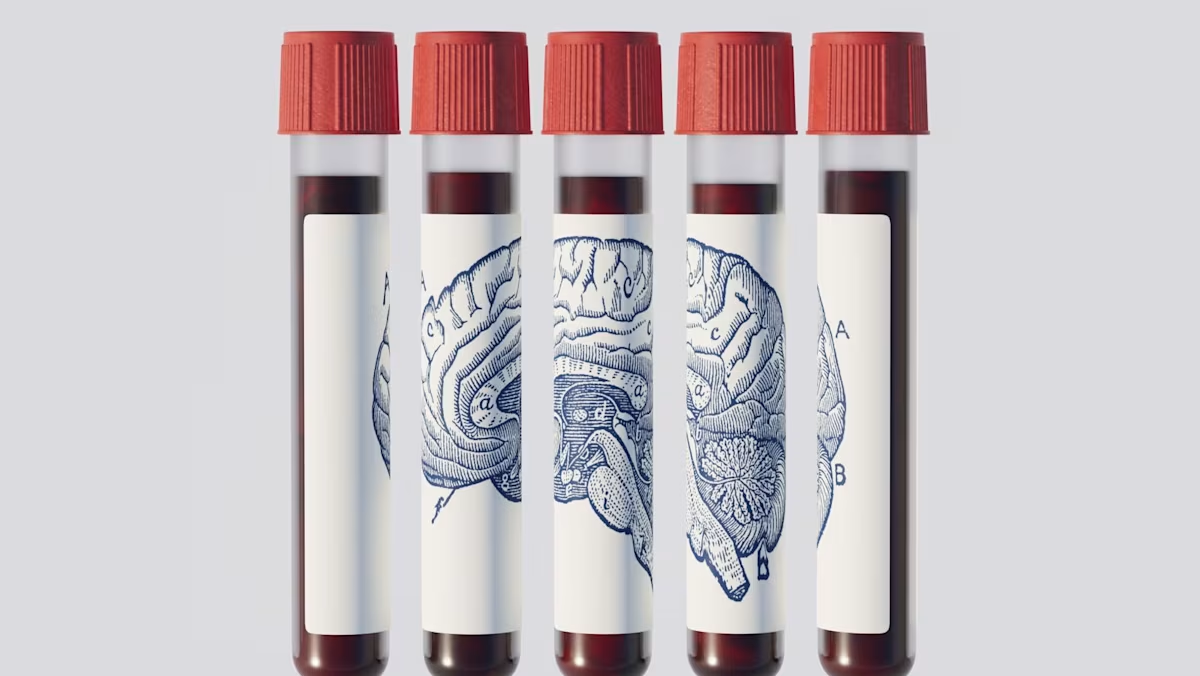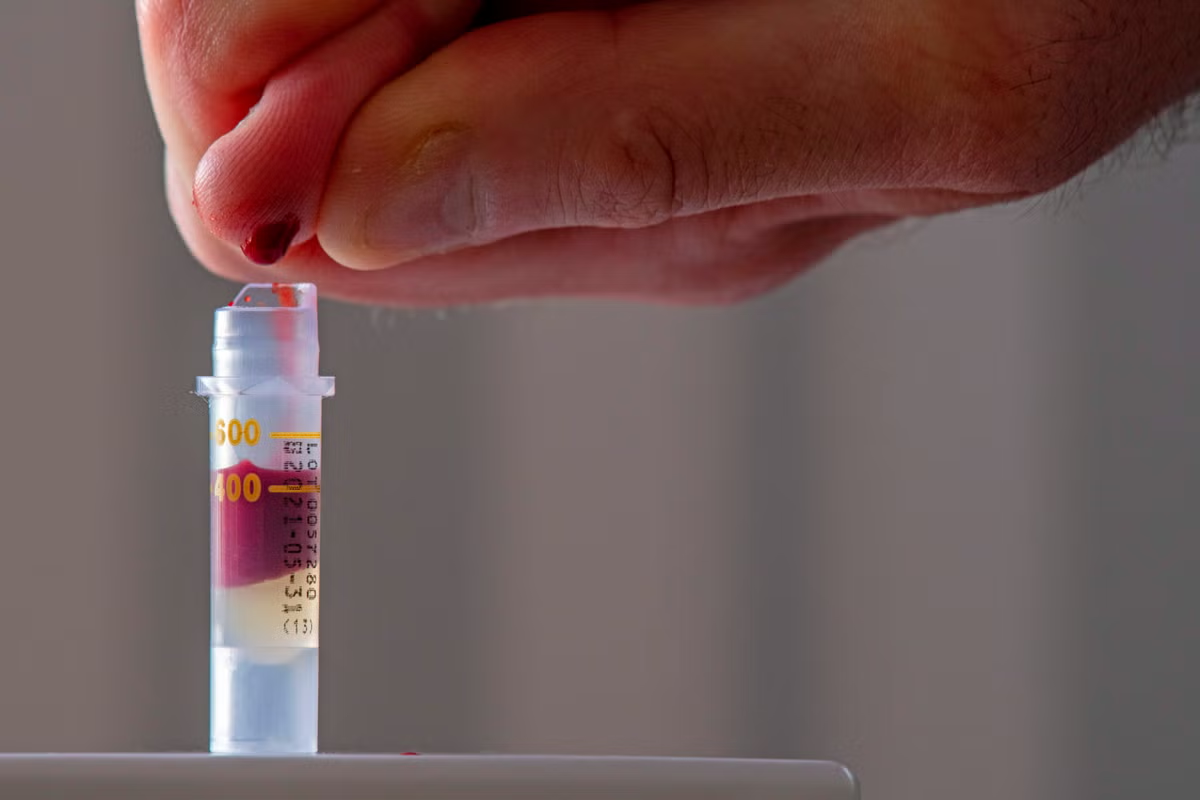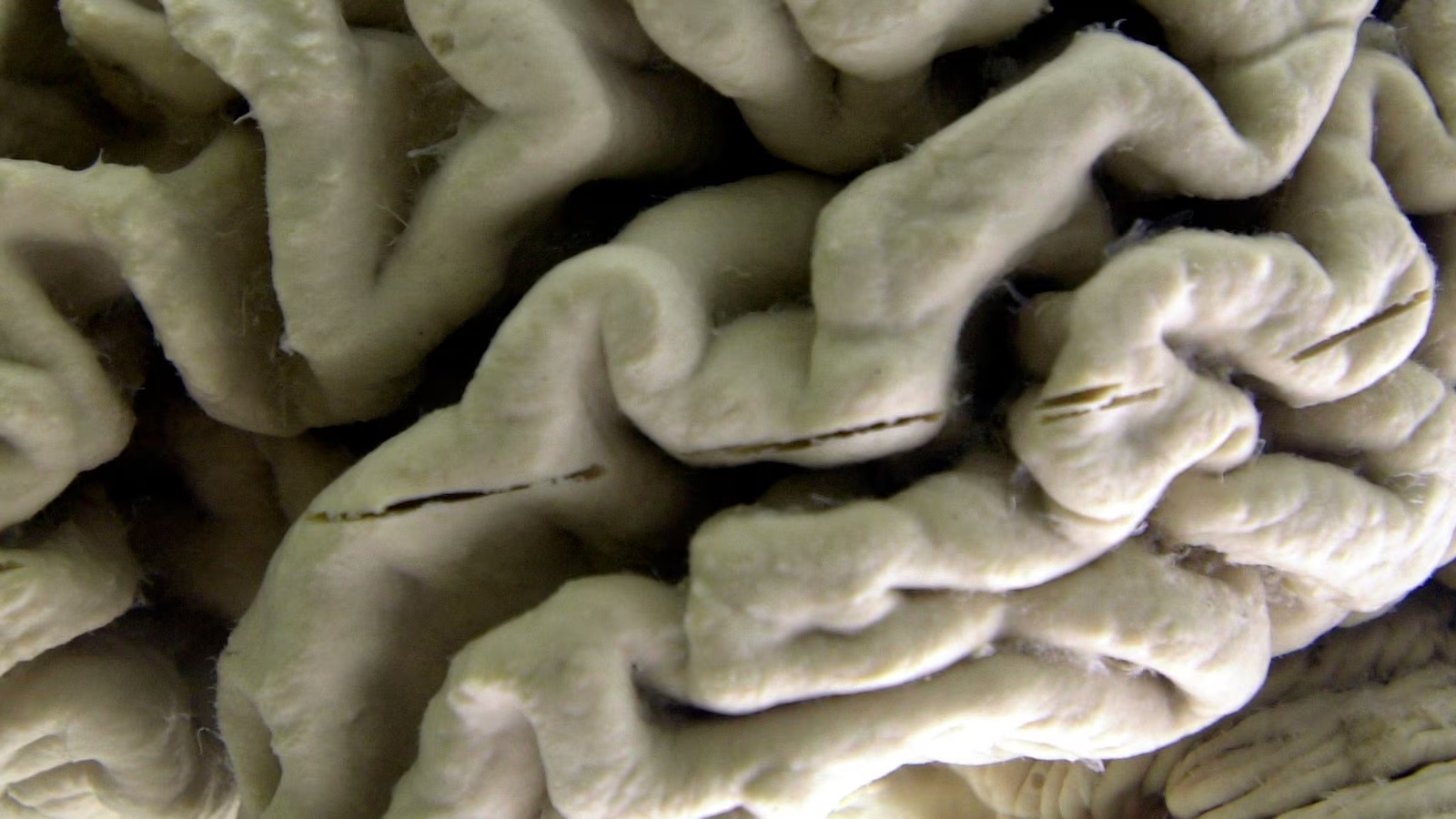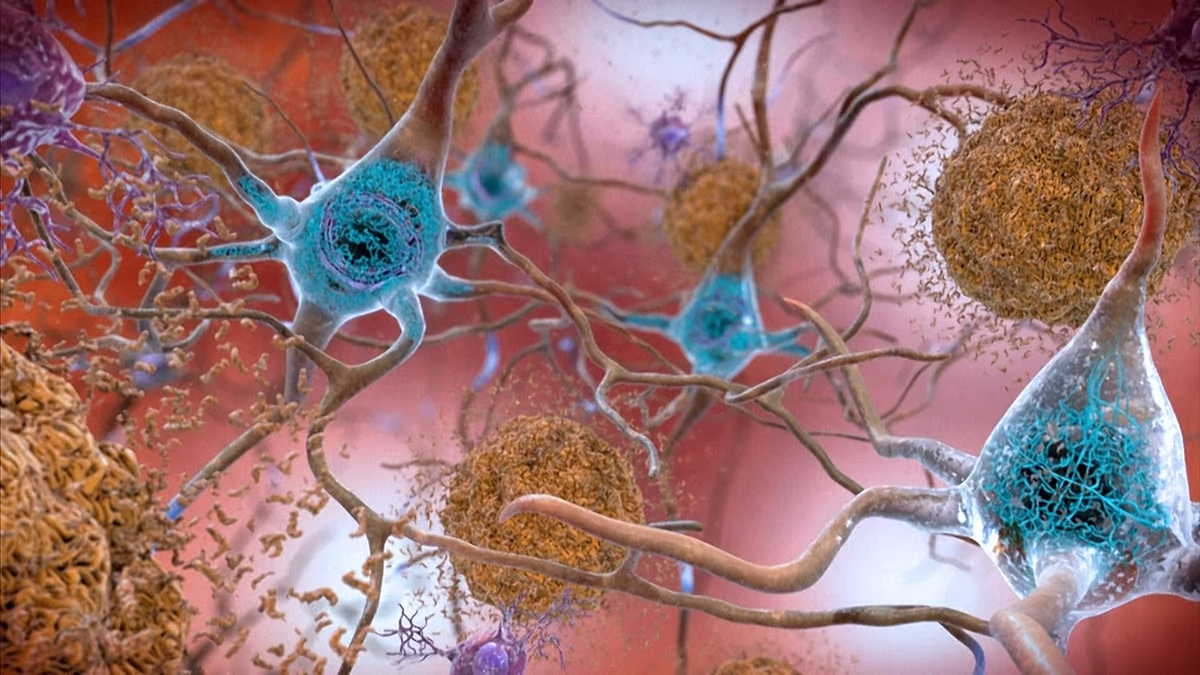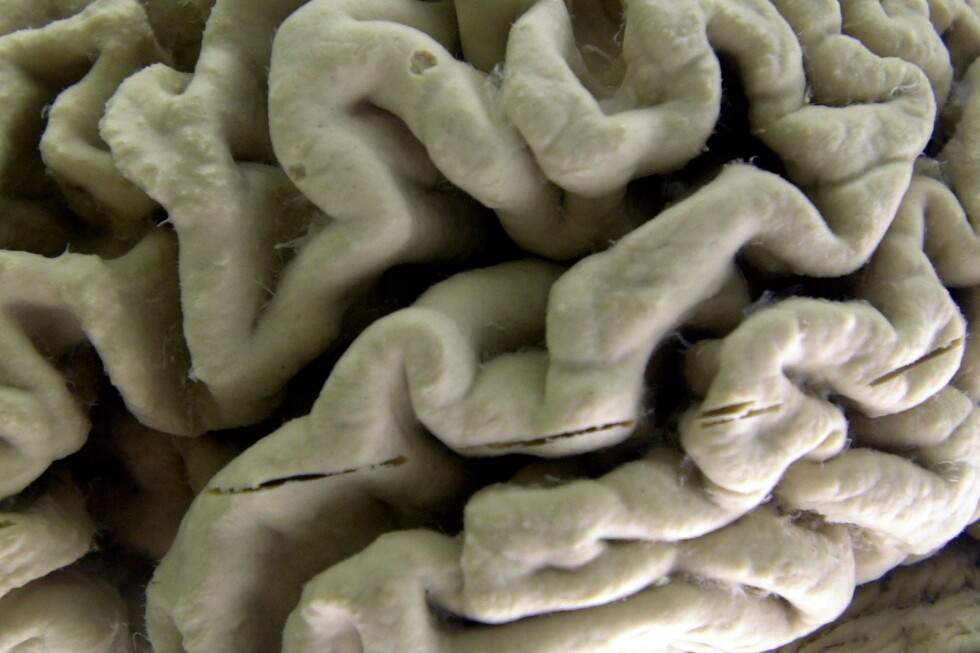
Researchers seek noninvasive, cost-effective way to screen for Alzheimer’s using blood analysis A graphic depicting the brain activity of a person with a degenerative disease. (123rf) A blood test that looks at both DNA and RNA information may help identify Alzheimer’s disease patients more accurately, according to a study led by researchers from Seoul National University Bundang Hospital and Indiana University.The researchers sought to develop a more practical way to screen people at high risk of Alzheimer’s disease, the most common cause of dementia. Current precision tests, such as positron emission tomography scans and cerebrospinal fluid tests, can be costly or invasive, making them difficult to use for broad population screening.Alzheimer’s disease is a degenerative brain disorder that gradually impairs memory and cognitive function. By the time cognitive decline becomes noticeable, disease-related brain degeneration and damage may already have progressed for up to 20 years before clear symptoms appear.The team examined whether combining DNA-based genomic information and RNA-based transcriptomic information could improve the ability to distinguish Alzheimer’s disease patients. Genomic information reflects inherited genetic risk, while transcriptomic information shows current gene activity.The researchers converted blood-based genomic and transcriptomic test results into Alzheimer’s disease risk scores and combined them as a disease classification marker.“Genomic information can be seen as a genetic blueprint one is born with, while transcriptomic information shows how those genes are currently being expressed,” Park Young-ho, a professor of neurology at Seoul National University Bundang Hospital, said.“We confirmed that a model combining the two was more effective in distinguishing actual patients than models using only one type of information.”The study, titled “Integrating polygenic and transcriptional risk scores for detecting Alzheimer’s disease,” was published in Alzheimer’s & Dementia, a US medical journal. The research team included Park, Pyun Jung-min, also a professor of neurology at Seoul National University Bundang Hospital, researcher Hwang Ji-yun and Nho Kwang-sik, a professor at Indiana University.The study analyzed data from 486 participants from two ancestrally distinct cohorts: 313 participants from the US Alzheimer’s Disease Neuroimaging Initiative and 173 participants from Seoul National University Bundang Hospital.The results showed that Alzheimer’s disease patients accounted for 56 percent of the high-risk group with elevated scores in both genomic and transcriptomic data in the ADNI cohort and 80 percent in the Seoul National University Bundang Hospital cohort.By contrast, the share of actual patients was 17 percent in the ADNI cohort and 14 percent in the Seoul National University Bundang Hospital cohort among those with low scores in both categories.Even after adjusting for variables such as age, those with high scores in both categories were more likely to be diagnosed with Alzheimer’s disease than those with low scores. The adjusted odds ratio was 2.53 in the ADNI cohort and 3.39 in the Seoul National University Bundang Hospital cohort.The findings suggest that a combined genomic-transcriptomic model has stronger classification performance than models using either type of information alone.“For early detection of Alzheimer’s disease, it is first necessary to find clues that can indicate whether a person belongs to a high-risk group,” Park said. “We will continue research to see whether the combined genomic-transcriptomic model can be used as a tool to select people who should undergo more precise testing.”The researchers said the approach could eventually serve as a first-step screening tool to identify people who may need more precise Alzheimer’s testing.
DNA, RNA blood test may help detect Alzheimer’s earlier: study
A blood test that looks at both DNA and RNA information may help identify Alzheimer’s disease patients more accurately, according to a study led by researchers
TL;DRAI
Seoul National and Indiana University developed a genomic-transcriptomic blood test for Alzheimer's with 56–80% accuracy in high-risk screening. This noninvasive, cost-effective screening enables population risk stratification without expensive imaging, reducing diagnostic burden while accelerating early detection for health IT and diagnostic platforms.
552 words~3 min read