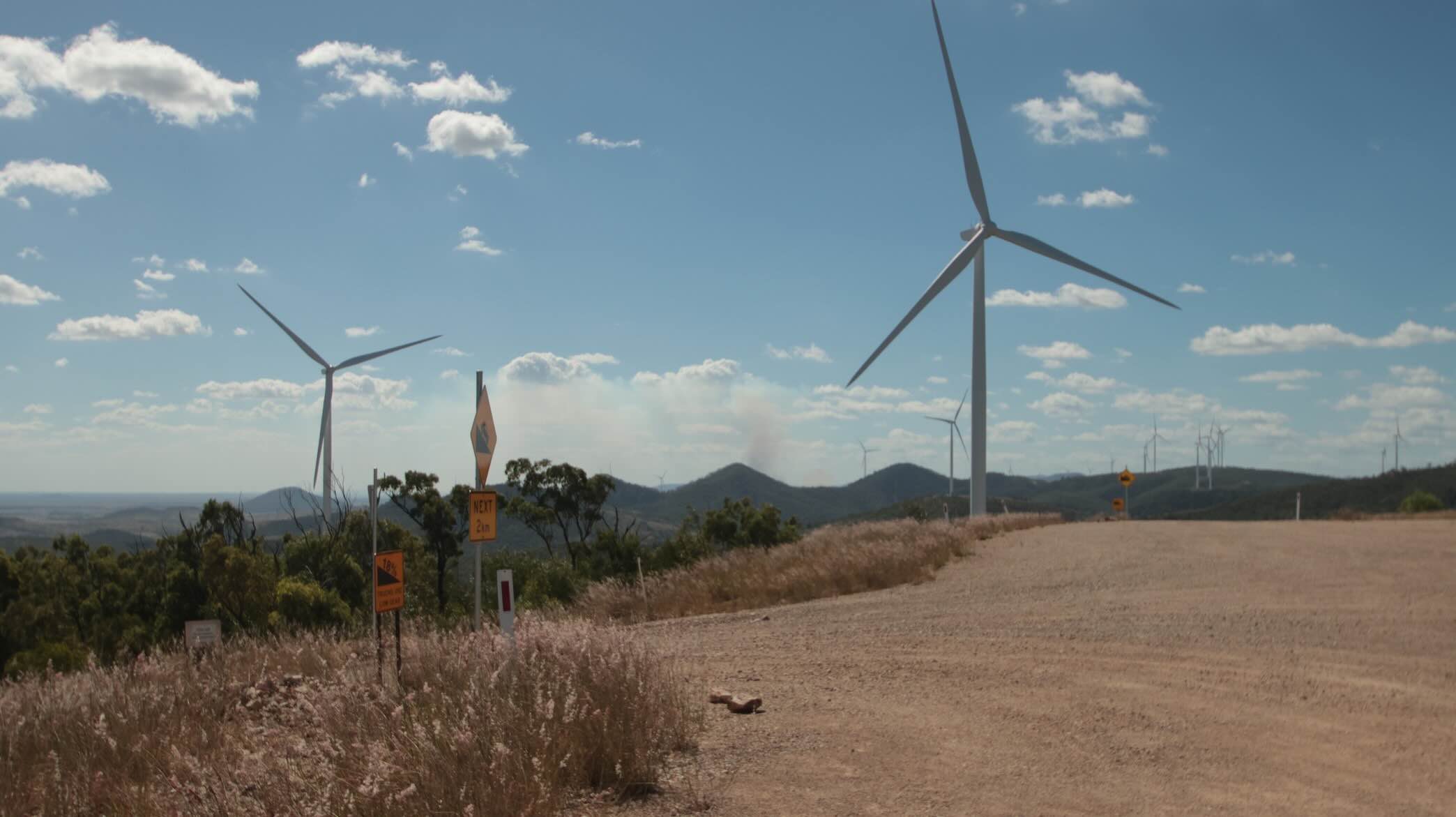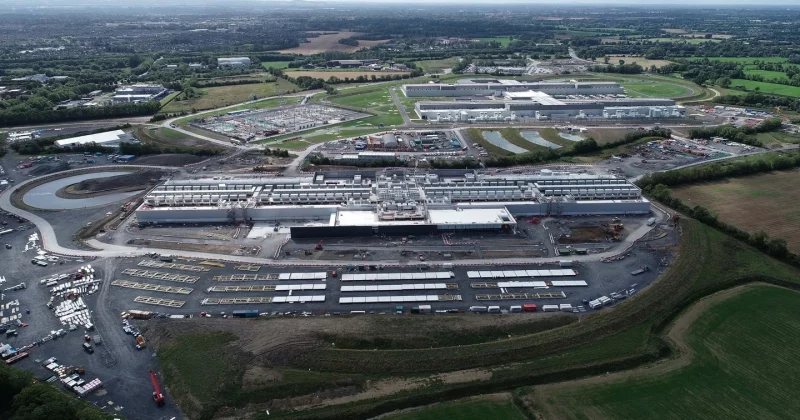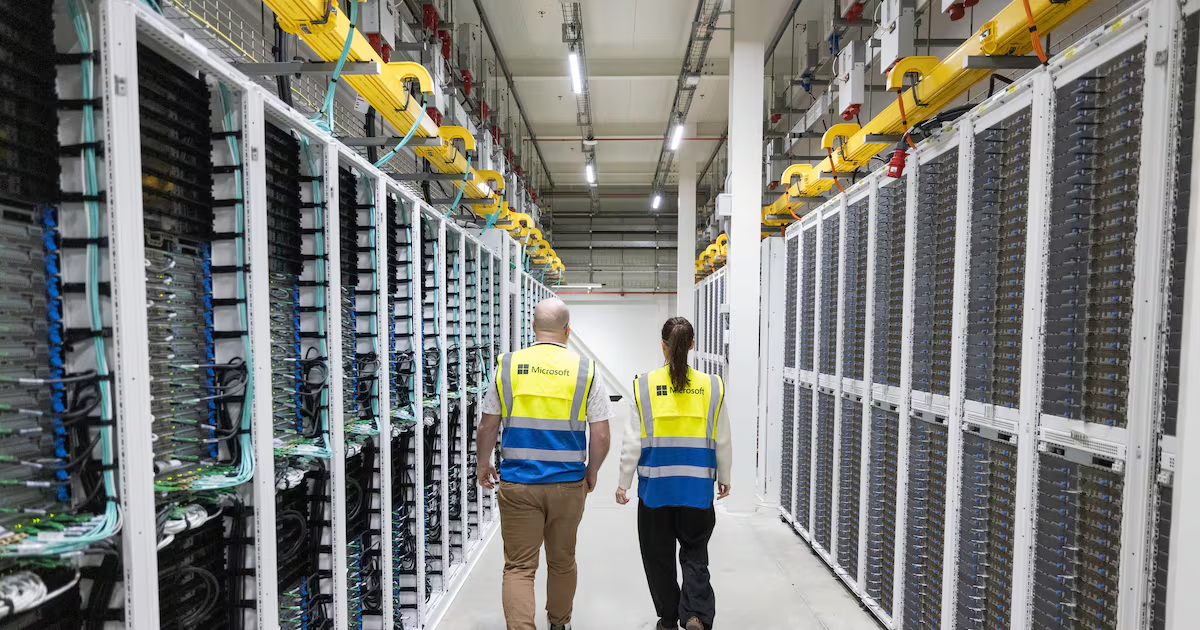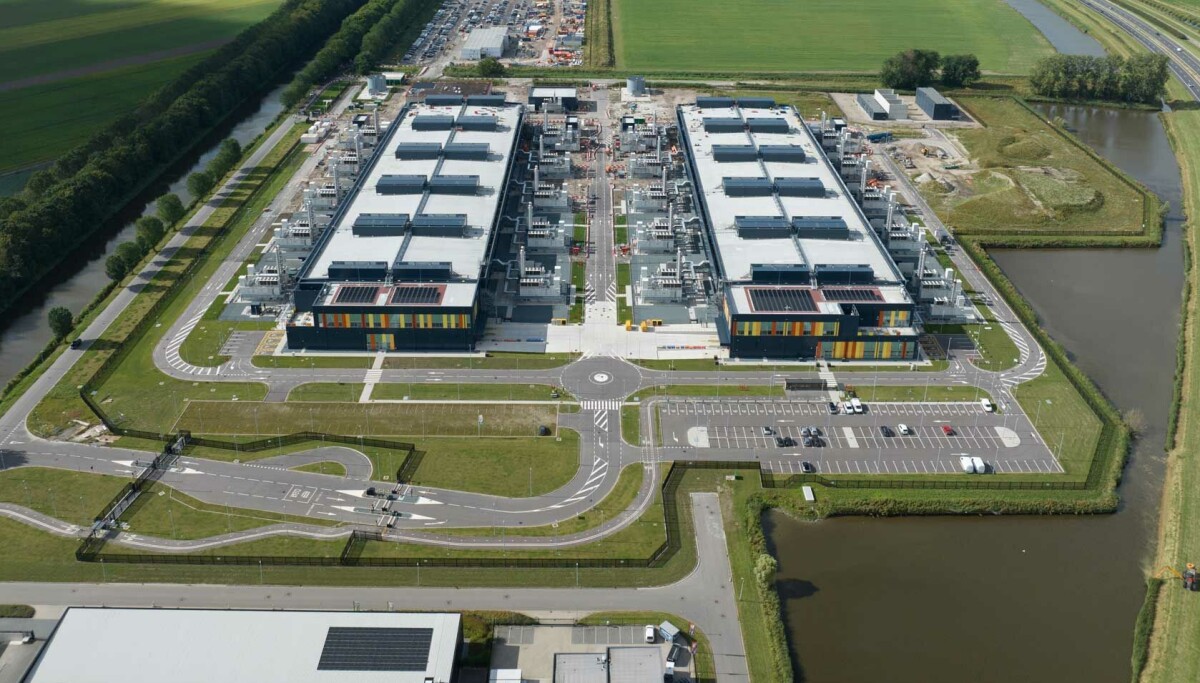
Working in the Department of Finance in the 1970s, one of my jobs was to assess proposals for investment in projects claiming major job and tax-revenue benefits. The proposers’ studies assumed that existing economic relationships would prevail – if 1,000 people were employed in a sector, another 1,000 would be employed if its output were doubled. Based on that logic, they typically argued that every pound spent would produce double the economic benefit. The real-world economy, then and now, operates very differently. Much more sophisticated economic analysis is needed to establish the impact of major government policies and investment. Since the early 1980s, the Department of Finance and the Economic and Social Research Institute (ESRI) have used economic models that take account of that complexity in evaluating programmes. Furthermore, unlike in the 1970s, our economy is now at full employment. That means that raising output and employment in one sector generally comes at the expense of some output and employment elsewhere. So, while construction of data centres added €1.4 billion to national output in 2024, given that the building sector is already fully employed, some of this investment will have come at the expense of alternative construction projects, such as infrastructure projects or apartments. Because data centres are always on, they don’t work well with intermittent wind or solar energy, using fossil fuels to provide the power they need whenever renewables are downUnfortunately, simplistic economic studies are still being done that overstate the return on the programmes concerned. A recent study for the Department of Enterprise exaggerates the benefit of data centres, in claiming that a third of national output is enabled by these facilities. These findings are not backed up by detailed econometric analysis of relevant data. The Irish economy has become a major hub for IT sector activity over the past 20 years, but it is only in recent years that major investment in data centres has occurred. Thus, the activity of these IT companies flourished in the absence of major local data centres. With extensive fibre-optic connections to the rest of the world, it is possible to do most IT-related work with data residing somewhere quite distant. In addition to data storage, active computing power may be located elsewhere.As the study identifies, there are a limited number of businesses where the infinitesimal time delay in retrieving data from another country may be a problem, requiring location near a data centre. But that’s just a small share of the Irish-based tech sector. [ John FitzGerald: Ireland is still too small for a nuclear power plantOpens in new window ]European Union rules on data security and privacy favour storage of Irish data within the EU – but that’s not the same as saying the data needs to be held in Ireland. Expansion in activity in sectors such as pharma and medical devices brings important benefits for Ireland, even if in a fully employed economy they squeeze out some other activities. What makes data centres different is that they come with massive energy requirements, taking 22 per cent of electricity production today, which is set to rise to 30 per cent by 2030. The need, as a result, to massively expand our electricity generation and transmission is very costly. Leaving aside the additional impact of the Iran war on costs, electricity prices here are being driven up by the need to undertake this investment in power generation and transmission. That is hitting other electricity consumers, both households and businesses, which have to shoulder the additional costs of the electricity they use. So there is collateral economic damage. The same effect has been seen in other countries such as the US, where there is a boom in power-hungry data centres, causing electricity prices to rise. An additional problem for our society and environment comes from the greenhouse gas emissions resulting from generation of energy used to power data centres. To address climate change, the law limits greenhouse gas emissions out to 2050. The more emissions we have that are linked to data centres, the harder we need to cut emissions from other sectors – from farming, business, transport, households. And that won’t be cheap or easy to achieve. Highly competitive countries such as Denmark and Singapore have in the past halted expansion of data centres because of the energy cost and emissions implications. Because data centres are always on, they don’t work well with intermittent wind or solar energy, using fossil fuels to provide the power they need whenever renewables are down. The optimum location for data centres is where there’s an always-on source of abundant carbon-free energy – France’s nuclear power, for instance. We should halt future data centre growth in Ireland unless these centres use 100 per cent green energy, using electricity from biomethane or green hydrogen when the wind doesn’t blow. Without this, their further expansion will prove costly for households and other businesses in Ireland.
We should halt data centre growth in Ireland unless they use 100% green energy
The optimum location for data centres is where there’s an always-on source of abundant carbon-free energy
818 words~4 min read