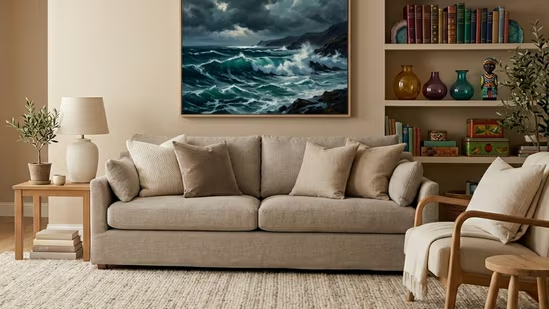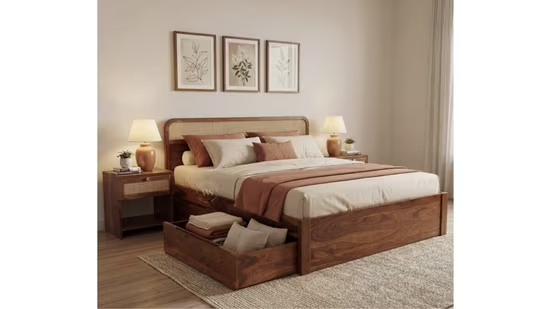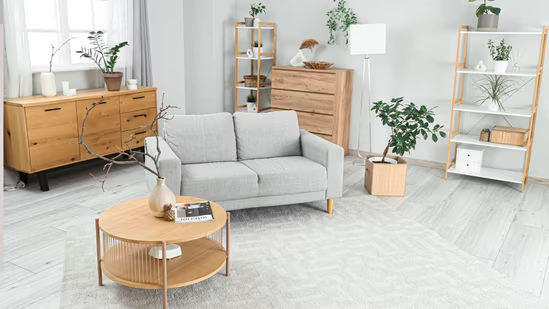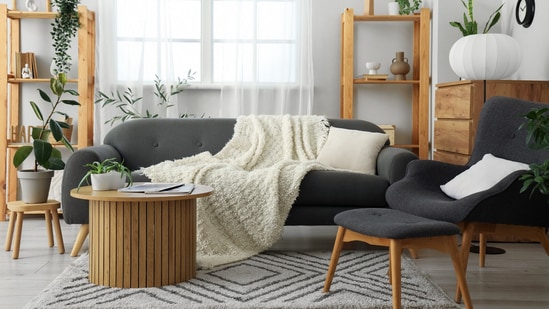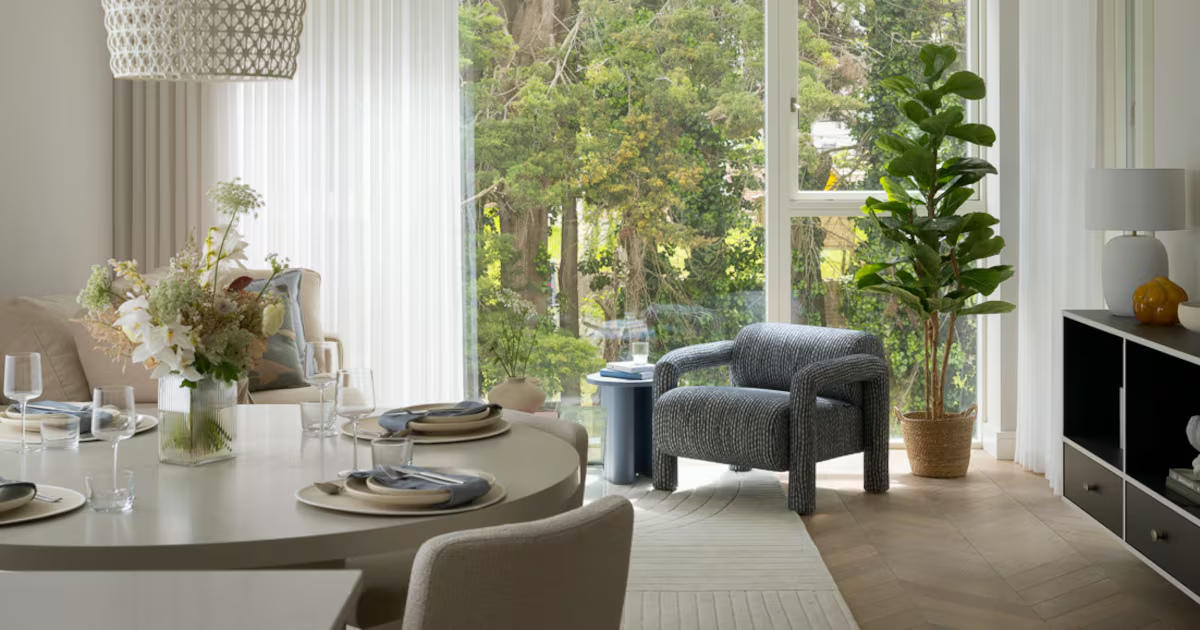
Some of the most important decisions in a home renovation are often the ones homeowners assume they have plenty of time to make. Furniture is a perfect example. While it is often left until later in the process, it can help shape many of the decisions made at the very beginning of a project. In many ways, the most successful homes are designed from the inside out. Here are some of the key ways furniture can help shape better design decisions from the outset. PlacementBefore finalising your layouts, it’s worth considering which pieces of furniture you plan to keep and which new items you’ll need. You don’t need to have every piece chosen right from the beginning, but having a good idea of the size of key items and where they’re likely to go will make the rest of the design process much easier.The size and location of a sofa, dining table or bed will often determine how the rest of the room is arranged. Thinking about furniture early helps ensure there is enough space to move comfortably around the room and can highlight potential layout issues before they become difficult or expensive to change. There is another practical reason to think about furniture earlier than you might expect. Lead times can often be longer than homeowners realise, with many sofas, dining tables and bespoke pieces taking eight to twelve weeks to arrive and sometimes considerably longer.LightingWhen planning a lighting layout, don’t just look at the ceiling plan, look at the furniture plan as well. The position of key furniture pieces will determine where light is needed and how the space should be lit.The location of a dining table will help determine where a pendant light should hang, while sofas, reading chairs and desks can help identify where task lighting is needed. Thinking about furniture first can also help avoid common mistakes, such as spotlights positioned directly above a seating area, creating glare and making the space feel less comfortable. Lighting layouts and furniture layouts work best when they are developed together rather than separately.SocketsRather than simply adding sockets to the corners of a room, think about where furniture will sit and how the space will be used. Positioning sockets around the furniture layout rather than the room itself can make a significant difference to how well the space functions once it is furnished.In larger open-plan spaces, floor sockets can also be a useful solution. For example, if a sofa and side table are positioned away from the walls, a floor socket can provide power for a table lamp without the need for unsightly extension leads running across the floor. However, these need to be planned carefully from the outset, as retrofitting floor sockets later can be both costly and disruptive.It's not uncommon for a radiator to end up on what later proves to be the ideal wall for a piece of furniture. Once installed, this can limit furniture options and make a room more difficult to arrange than it needs to be. RadiatorsIt’s not uncommon for a radiator to end up on what later proves to be the ideal wall for a piece of furniture. Once installed, this can limit furniture options and make a room more difficult to arrange than it needs to be.While this may be less of a consideration in areas with underfloor heating, it remains relevant in many parts of the home. Even in houses with underfloor heating at ground floor level, it is still common to use radiators in bedrooms and on upper floors, where valuable wall space can be at a premium.By considering radiator locations alongside the furniture layout, it is often possible to identify better solutions early in the design process. In some cases, relocating a radiator by a relatively small distance can free up an entire wall for furniture.CirculationEvery doorway takes up valuable wall space and can influence where furniture can be placed.Livingrooms are a good example. A relatively small adjustment to the position of a doorway can sometimes make the difference between an awkward seating arrangement and one that feels comfortable and well-balanced.[ Renovate, retrofit, refresh: Your guide to a better home in 2026Opens in new window ]It’s also worth thinking carefully about the type of door being used. Double doors are a popular choice, but they require more wall space and can restrict furniture options. Before including them, ask yourself whether both doors are likely to be opened regularly or whether a single door might work just as well.Where flexibility is important, pocket doors can be an excellent alternative. Because they slide into the wall rather than swinging into the room, they free up valuable floor and wall space and can make it much easier to arrange furniture, particularly between interconnected rooms.
Why you should choose your furniture before renovating your home
Here are some of the key ways furniture can help shape better design decisions
793 words~4 min read