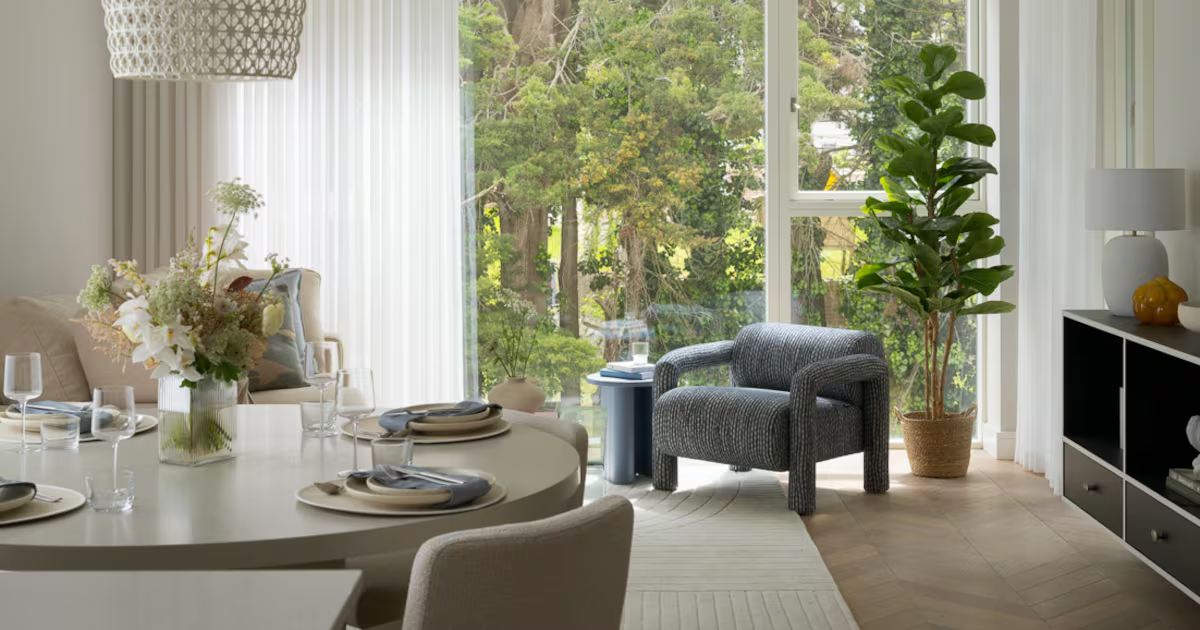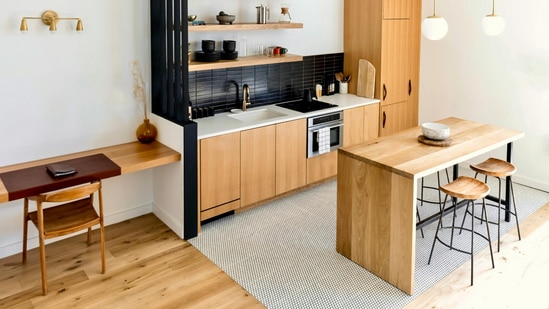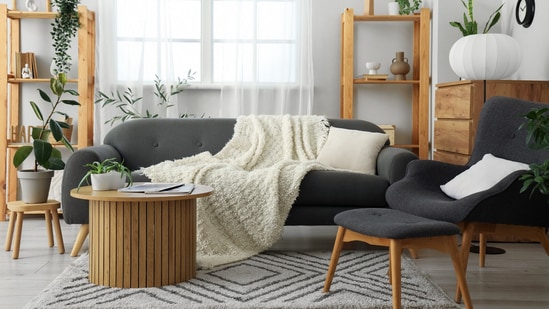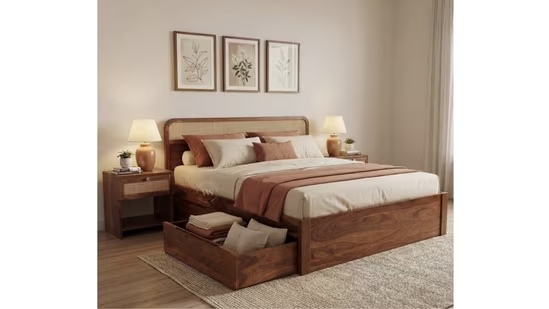
Furniture buying in India has traditionally followed a fairly predictable pattern. You move into a new place, you purchase what is immediately necessary, you fill in the gaps over time as budget allows, and at some point you stop noticing what you own because it fades into the background of daily life. The room exists. The furniture is there. Whether it is serving you well is a question most people stop asking.How Thoughtful Furniture Selection Can Improve Daily Home ExperiencesThat pattern is shifting. Not dramatically, not all at once, but in ways that are visible in how people research furniture now, how long they take before purchasing, and what questions they ask when they visit stores or speak to designers. There is a growing awareness that furniture choices shape daily experience in concrete, cumulative ways that are worth thinking about before committing to them.The Bedroom as a Case StudyNowhere is this more apparent than in the bedroom. The bedroom occupies a particular position in the home. It is the first space you encounter in the morning and the last one before sleep. The quality of that environment has a direct relationship with rest quality, which in turn affects how the following day goes. This sounds abstract until you consider specific furniture decisions.The bed is the most significant of these. The right bed at the right price point is one of the more consequential purchases a household makes, and it is also one of the more complicated. Bed price varies enormously based on material, size, storage configuration, headboard design, and structural quality. Navigating that range without guidance or direct experience makes the decision harder than it needs to be.Understanding bed price in relation to what you are actually getting requires more than reading specifications. The difference between a bed that lasts eight years and one that begins creaking within eighteen months is often not visible in the product photograph. Frame joints, slat spacing, headboard attachment, and the quality of the base material determine longevity. These are things you assess by looking closely, sitting on the frame, and asking questions. Wooden Street's bed range is built around solid wood construction with attention to these structural details, and their experience centers allow customers to check exactly these elements before deciding.Storage bed configurations have also become a significant part of the conversation. Hydraulic lift beds that provide full under-mattress storage access have moved from aspirational purchase to practical need for many urban households. When wardrobes are stretched and floor space is limited, a bed that doubles as a storage unit adds meaningfully to how the room functions day to day.The TV Unit and the Living Room WallAcross from the bed, in the living room, the TV unit quietly determines how the central wall of the room reads and how much functional storage the space provides.TV units by Wooden Street have been designed with the recognition that the wall behind a television is premium real estate in most Indian homes. It is the focal wall of the living room, the background for family photographs, the place where visitors' eyes go first. What sits on that wall, and how it is configured, shapes the character of the entire room.The practical requirements are significant too. Cable management for multiple devices, dedicated storage for set-top boxes and gaming equipment, display shelving for books or decorative objects, and closed cabinets for the items you want accessible but not visible. A TV unit that handles all of this without looking overcrowded requires considered design rather than simply a long shelf at the right height.The shift in television sizes over the last five years has also changed what a TV unit needs to do. As screens have grown to 55, 65, and 75 inches, the proportional requirement of the supporting unit has changed. A unit designed for a 42-inch television often looks awkward and undersupported beneath a larger screen. Matching the unit to the current and anticipated screen size is one of the more practical pieces of advice that comes from anyone who has bought furniture more than once.Comfort as a Design Standard, not a LuxuryOne observation that comes through clearly from people who have worked in residential interior design for a number of years is that comfort is increasingly being treated as a baseline requirement rather than an upgrade. Homeowners are less willing to live with a dining chair that becomes uncomfortable after twenty minutes, a sofa that lacks proper back support, or a bed that does not provide a restful sleep surface.This reflects a broader shift in consumer expectations but also, practically, a better availability of comfortable, well-made options at accessible price points. The furniture market in India has matured considerably. Quality options exist at mid-range pricing that simply did not exist a decade ago, and customers are aware of this.The result is that furniture purchases are being made more deliberately. People wait longer, visit stores more than once, bring family members to test pieces, and are more willing to spend more for something that works well than to save money on something that merely exists in the room.Making Better Decisions at the Point of PurchaseThe advice that recurs in conversations with furniture designers and retail professionals is consistent: spend time with the furniture before buying. This sounds obvious but is frequently ignored in the speed of online shopping.Touching the surface finish, sitting in the seat, opening the drawers, checking the weight of the unit, looking at the back panel quality, assessing how the hinges move. These are all things a photograph cannot communicate. They are also the things that determine whether a piece of furniture becomes something you appreciate daily or something you mentally note as a mistake.Physical experience centers exist for exactly this reason. They allow the kind of considered, unhurried evaluation that online purchasing cannot replicate. For significant purchases like beds, TV units, and sofas, this direct engagement with the product before buying reduces the likelihood of a decision you regret.Daily home experiences are shaped by small things. The ease with which a wardrobe opens in the morning. The comfort of the sofa by evening. The functionality of a TV unit that keeps the living room from feeling chaotic. None of these are dramatic considerations. But cumulatively, they determine how a home actually feels to live in, and that is worth getting right.Note to readers: This article is part of HT's paid consumer connect initiative and is independently created by the brand. HT assumes no editorial responsibility for the content, including its accuracy, completeness, or any errors or omissions. Readers are advised to verify all information independently.Want to get your story featured as above? click here!
How Thoughtful Furniture Selection Can Improve Daily Home Experiences
Physical experience centers allow customers to engage with furniture before purchasing helping them make informed decisions that enhance their home environment.
1,110 words~5 min read