Story audio is generated using AI
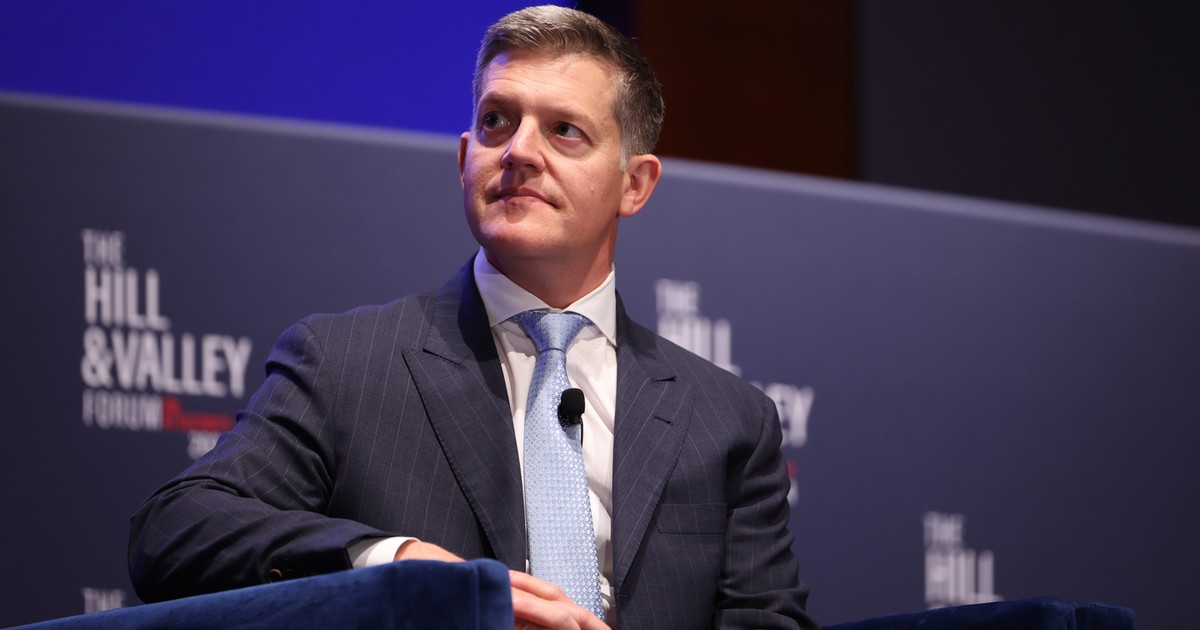
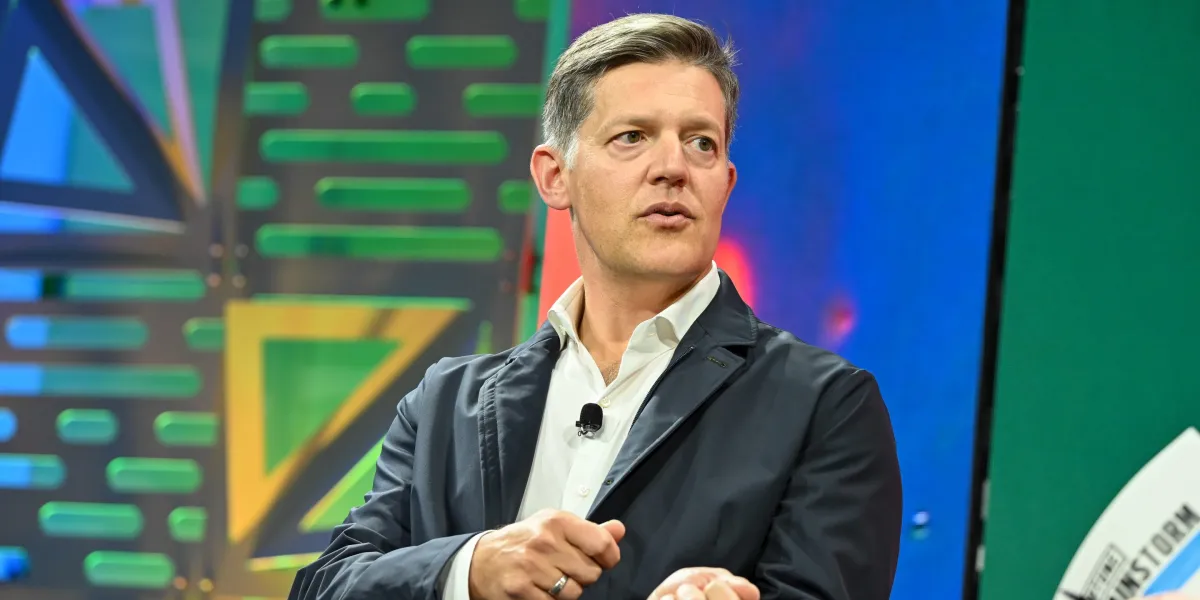
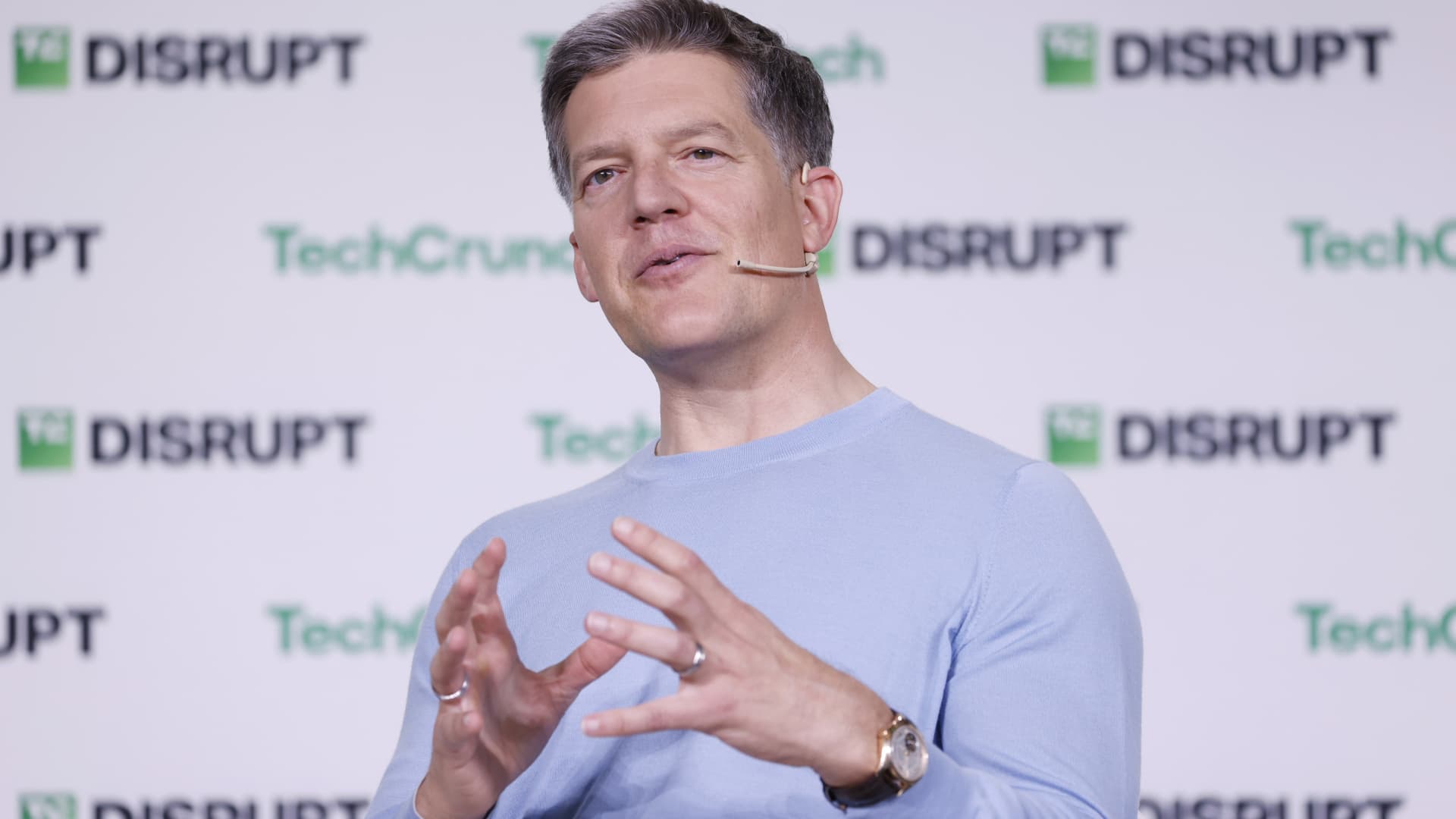
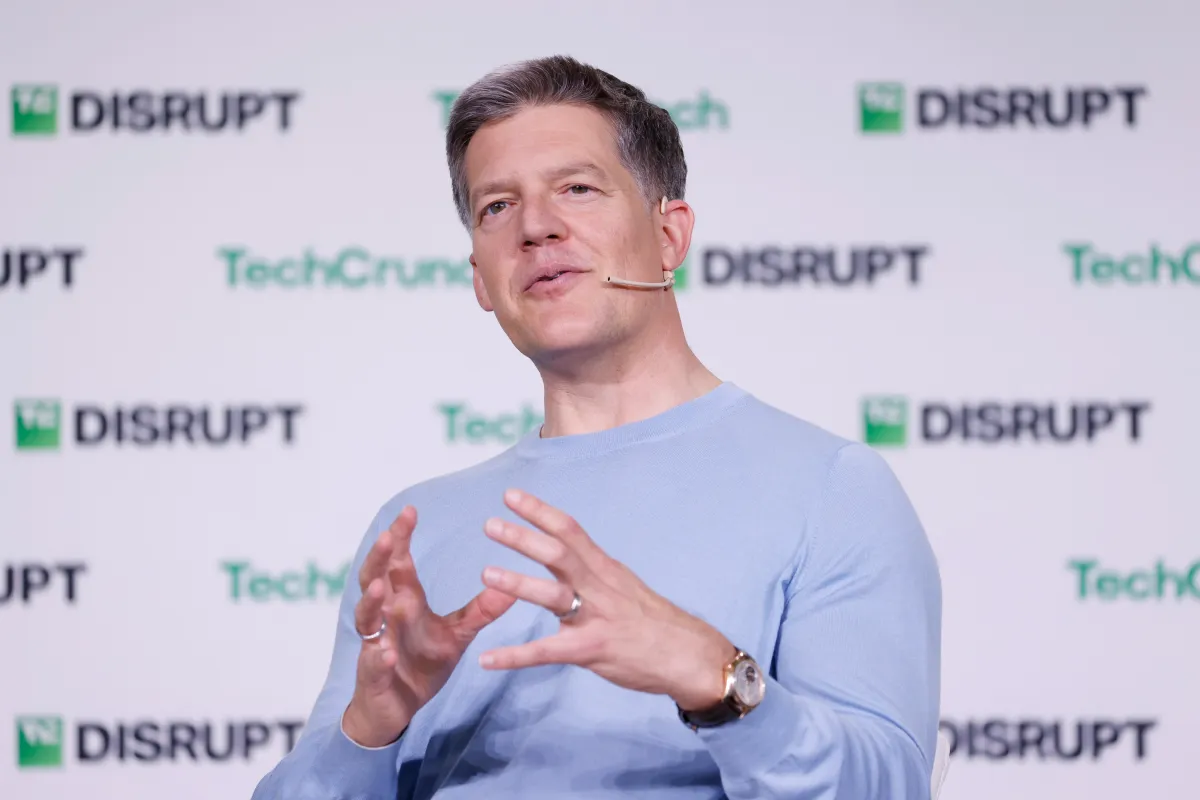
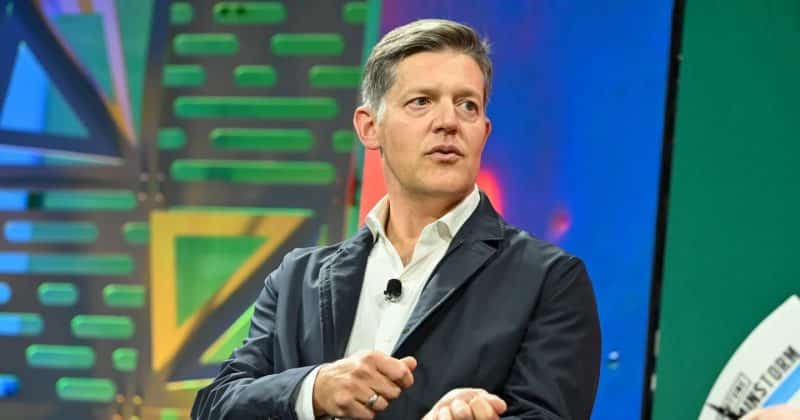
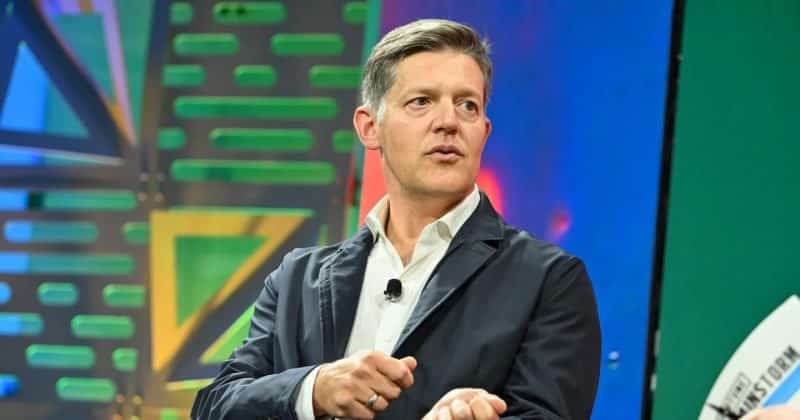
Two South Africans now sit atop SpaceX, the space and technology conglomerate striving to become the world’s most valuable company. SpaceX announced that South African-born business person Roelof Botha, a long-time ally and business associate of founder Elon Musk, has been appointed to its board. This comes a week after SpaceX had the world’s largest initial public offering (IPO) yet, raising $85bn in the process. In a filing with the US Securities and Exchange Commission (SEC), the company said Botha brings “extensive public company experience along with a deep audit committee background, having served on the boards and audit committees of numerous public companies. He also brings years of financial, investment and managerial experience.”Botha will also serve as a member of the board’s audit committee. Born in Pretoria and raised in Cape Town, he comes from a prominent South African family. He is the son of economist Roelof Botha and the grandson of former foreign affairs minister Pik Botha, who served under three apartheid-era presidents.(Brandan Reynolds) The business person studied actuarial science, economics and statistics at the University of Cape Town in 1991-94 and later completed his MBA at Stanford University in California from 1998 to 2000, according to his LinkedIn profile.His career in Silicon Valley was helped in large part by Musk, who brought him into the now venerable “PayPal Mafia”. He first met the fellow South African in 1999 before joining the payments platform, becoming its CFO in 2000. He then went to Sequoia Capital, a venture capital firm, in 2003 and was a managing member of Sequoia Capital Operations in 2007-25. The US firm named Botha as its global head in April 2022, a role he has held until his exit.Since listing, SpaceX’s share price has risen almost 15%, translating into a market cap of $2.43-trillion on the Nasdaq exchange. Given the fact that Musk and his team dictated the IPO price as opposed to doing roadshows and normal price discovery, it remains to be seen if the fundamentals are able to hold up this massive valuation over time. This will be especially interesting as certain lock-ups and other restrictions for early investors fall away and the free float of shares available for trading grows beyond the present 5%.