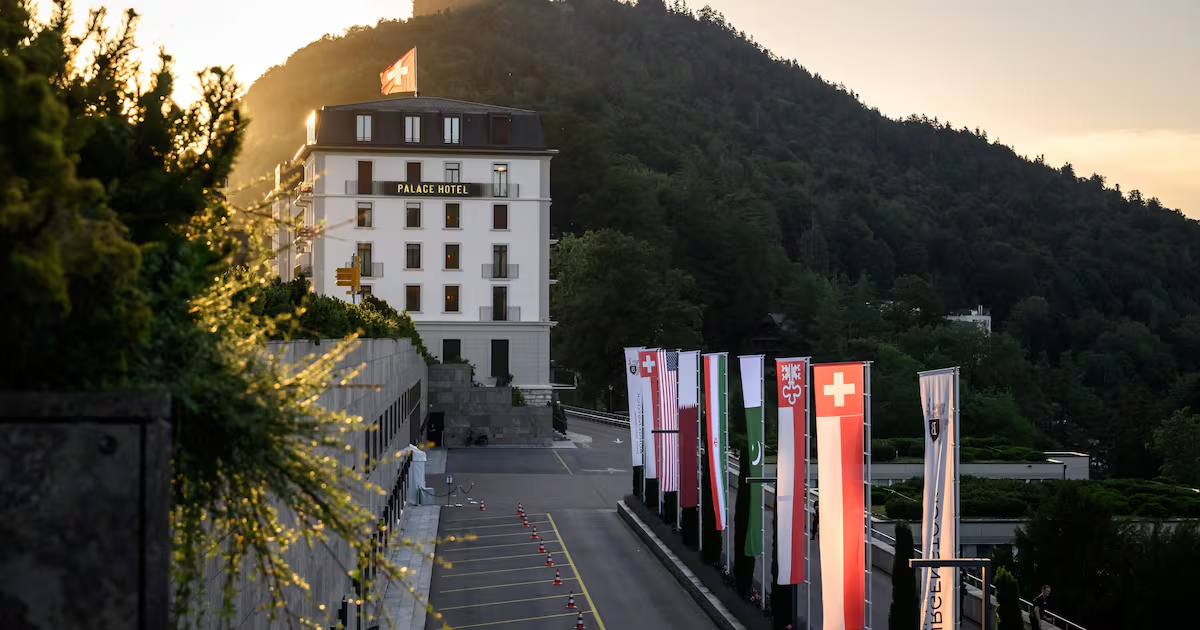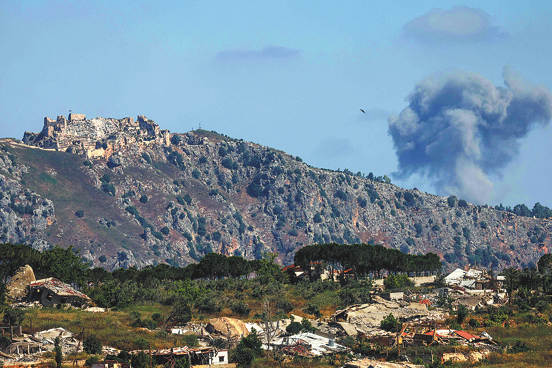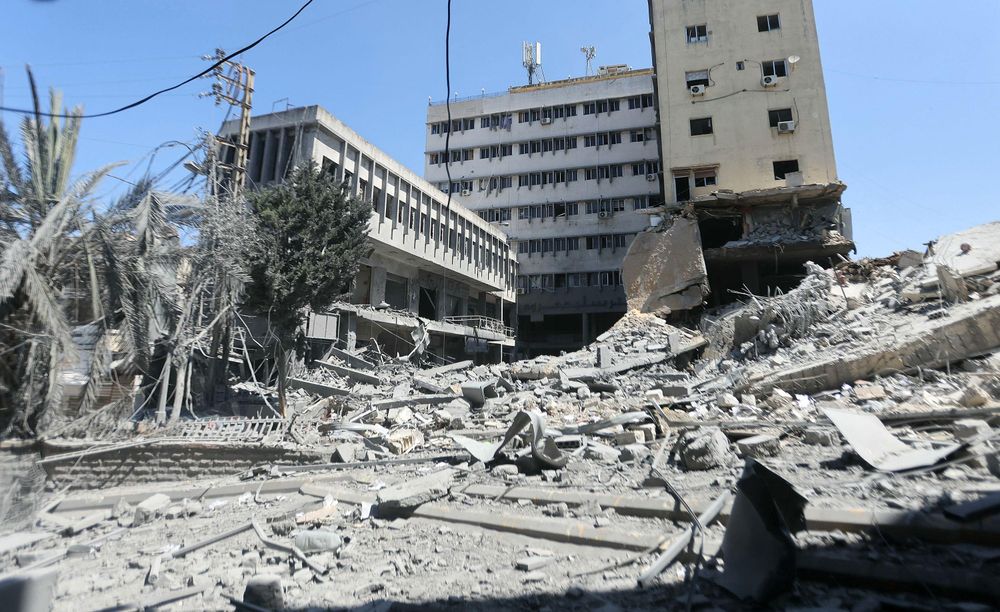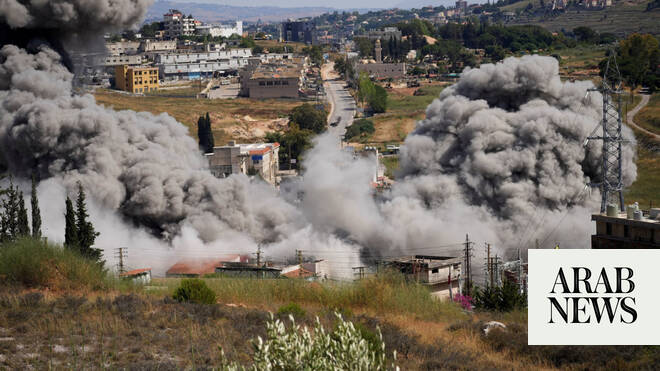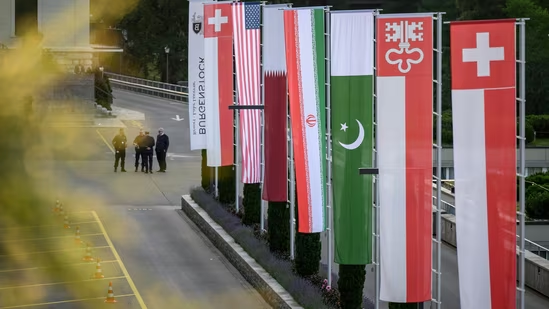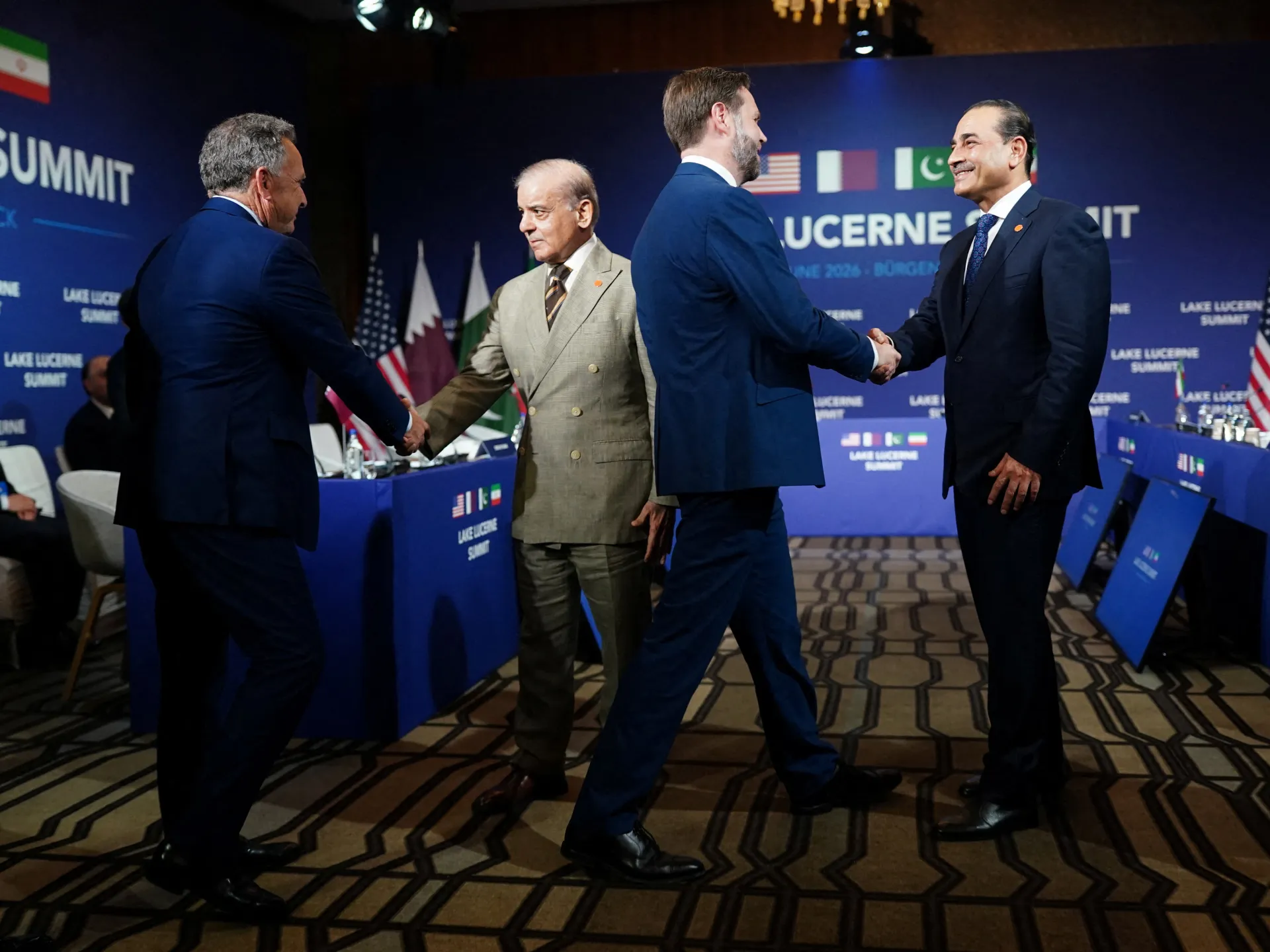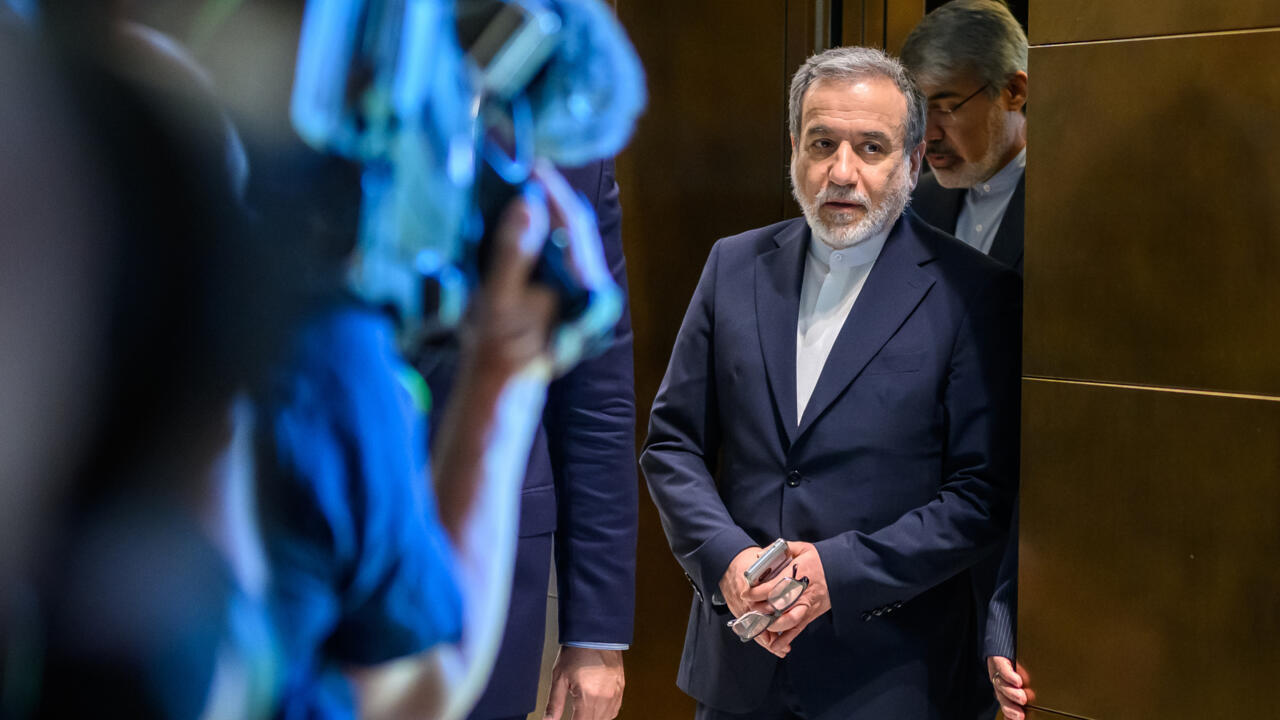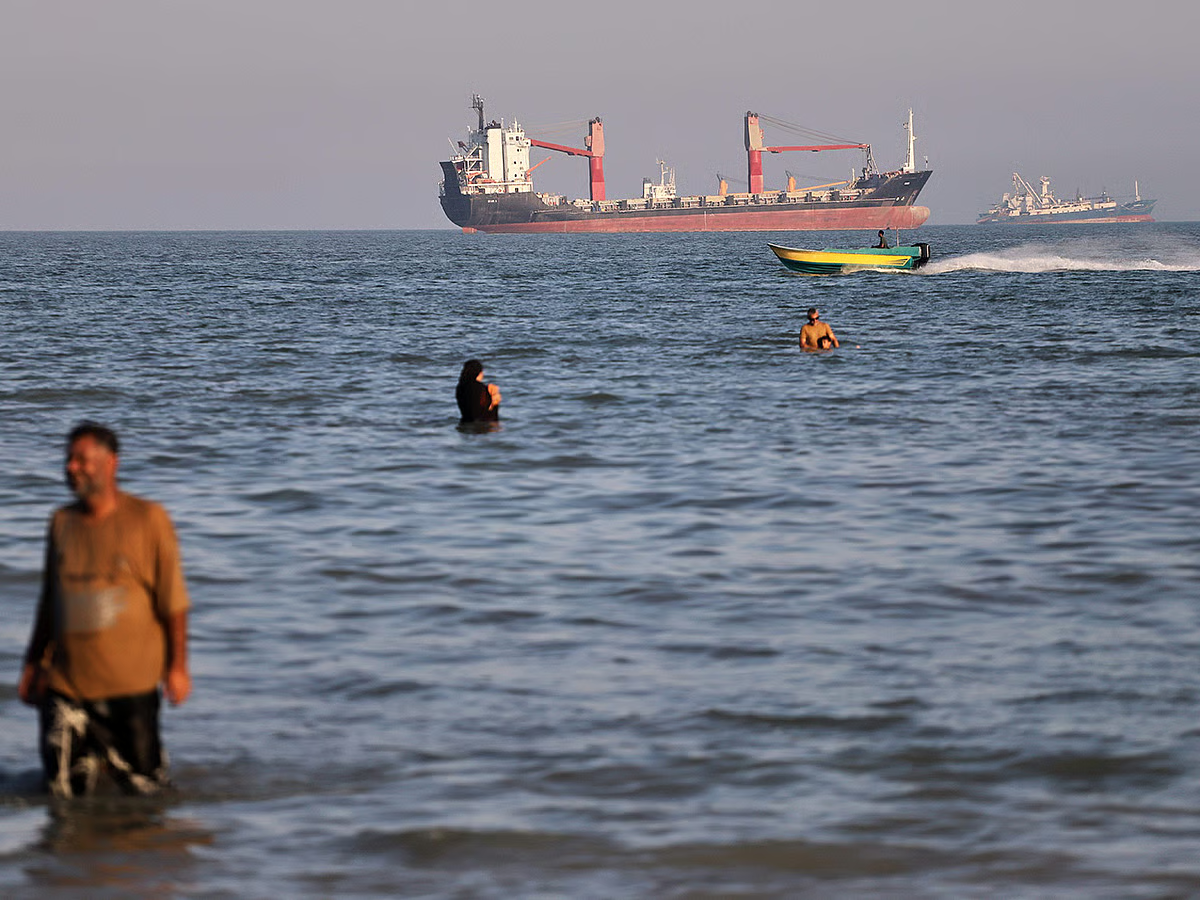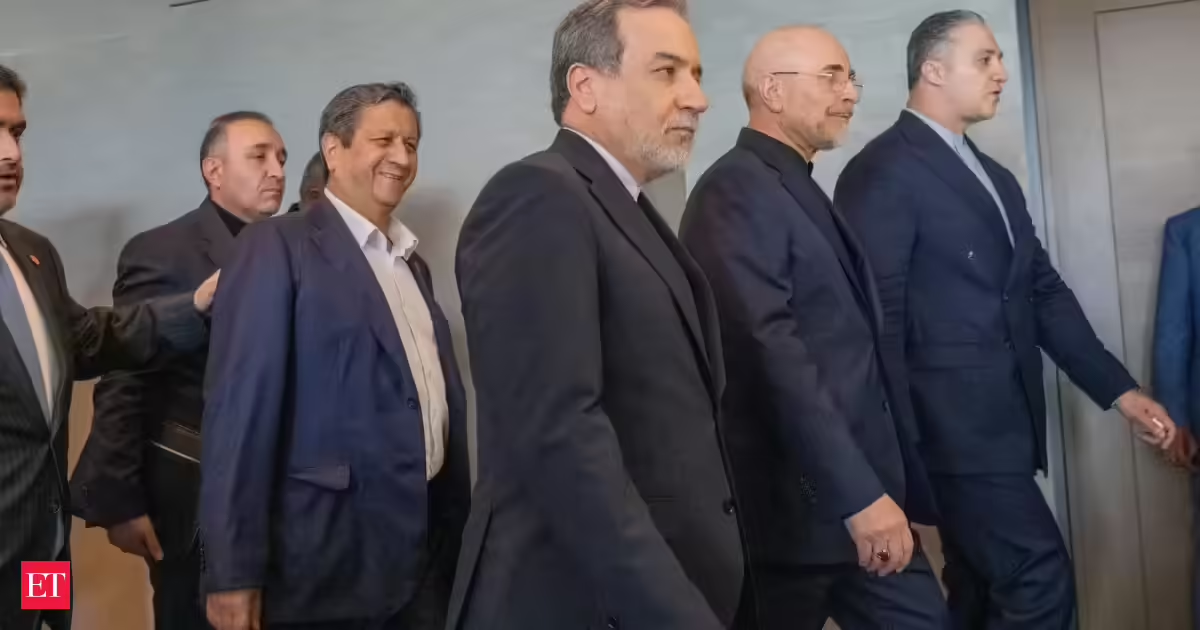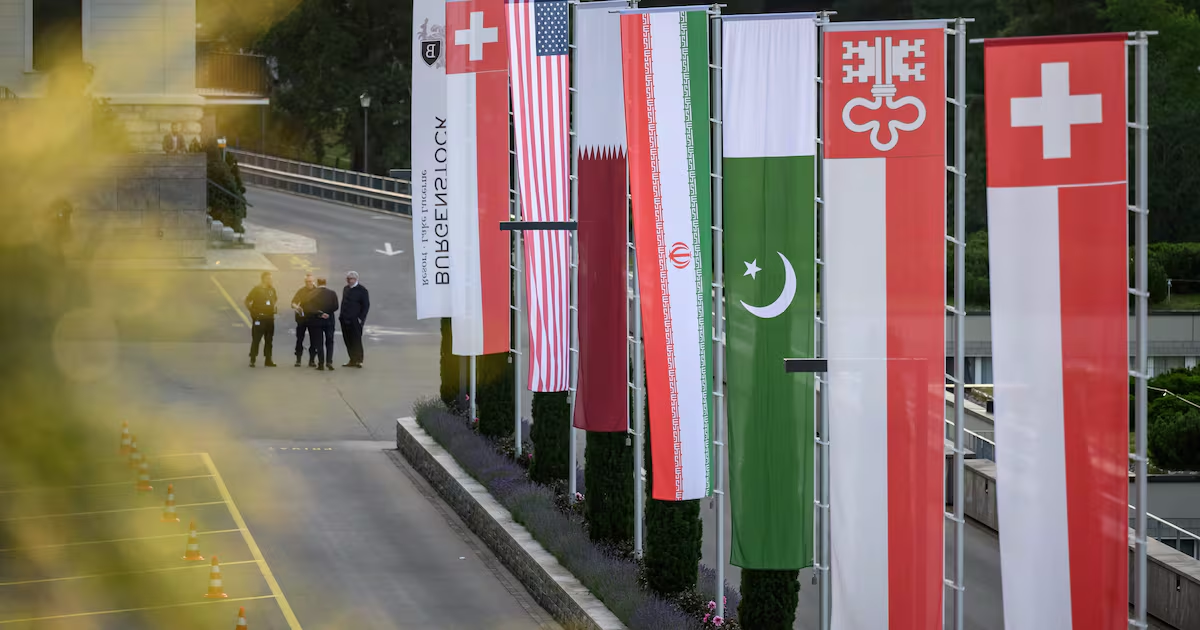
Flags fly at the Burgenstock luxury hotel complex overlooking Lake Lucerne in Switzerland yesterday ahead of high-level talks aimed at advancing a deal to end the Middle East conflict. AFPFlags fly at the Burgenstock luxury hotel complex overlooking Lake Lucerne in Switzerland yesterday ahead of high-level talks aimed at advancing a deal to end the Middle East conflict. AFPInsight and opinion from The National’s editorial leadershipJune 22, 2026A fragile two-track reality is taking shape in the Middle East. After three months of war, diplomacy at last appears to be inching forward. On the other hand, continuing violence in Lebanon and uncertainty over the future of the Strait of Hormuz threaten to undo the progress made so far.Yesterday, US Vice President JD Vance arrived in Switzerland for talks with Iranian, Pakistani and Qatari officials. This meeting follows the significant milestone of the US-Iranian memorandum of understanding reached late last week. Given the civilian deaths and the damage done to vital infrastructure in numerous countries, this latest attempt to establish some sort of stabilisation is welcome.Play01:03JD Vance travels to Switzerland for US-Iran talksHowever, key pressure points remain; failing to resolve them stokes a wider atmosphere of confrontation. When considering Lebanon and Hormuz, it is the violence from occupying Israeli forces and counterattacks by Hezbollah that represent the most immediate and dangerous test.On Saturday, Israeli strikes in southern Lebanon killed 38 people and injured 12 more, according to the Lebanese civil defence agency. These latest fatalities add to an unacceptable catalogue of death and destruction meted out by Israeli forces on the territory of its northern neighbour. The menacing presence of Israeli troops and their destruction of entire swathes of southern Lebanon fuel Hezbollah’s justification for its armed campaign.The war on Lebanon is also isolating Israel diplomatically. Recent sharp remarks aimed at Israeli leaders by Mr Vance were an unprecedented example of Washington’s exasperation with Israeli Prime Minister Benjamin Netanyahu and his government’s dependence on force as the answer to all security problems. A shouting match at the UN on Friday between Israeli representative Danny Danon and the secretary general's special representative for children and armed conflict, alongside yet more inflammatory rhetoric from National Security Minister Itamar Ben Gvir, reinforce perceptions of intransigence.QuoteThese two tests raise a broader question: can regional peace frameworks succeed without real security guarantees?The violence in Lebanon feeds into the second pressure point more than 2,000km away. Iran has again announced the blocking of the Strait of Hormuz, according to the state-linked Fars News Agency. This move, it was reported, is linked not only to “America’s blatant breach of promise and breach of treaty” over the implementation of a “first paragraph of the end-of-war agreement”, but continued ceasefire violations by Israel in Lebanon.These two tests raise a broader question: can regional peace frameworks succeed without real security guarantees? If Lebanon is not resolved nor a modus vivendi reached in the Strait of Hormuz, what the Middle East is witnessing between the US and Iran is a temporary de-escalation mechanism, not the durable settlement the region and the global economy need.Ultimately, real progress will be measured not in Washington or Tehran but in places such as Beirut and the Strait of Hormuz. A failure to comprehensively tackle these issues risks diplomacy becoming merely a way to manage crises rather than resolving them.Updated: June 22, 2026, 3:00 AM
Lebanon and Hormuz are testing Middle East diplomacy to its limits | The National
Failure to resolve these issues renders the US-Iran deal a temporary de-escalation mechanism, not a durable settlement
557 words~3 min read