Get the latest news and updates from Dawn
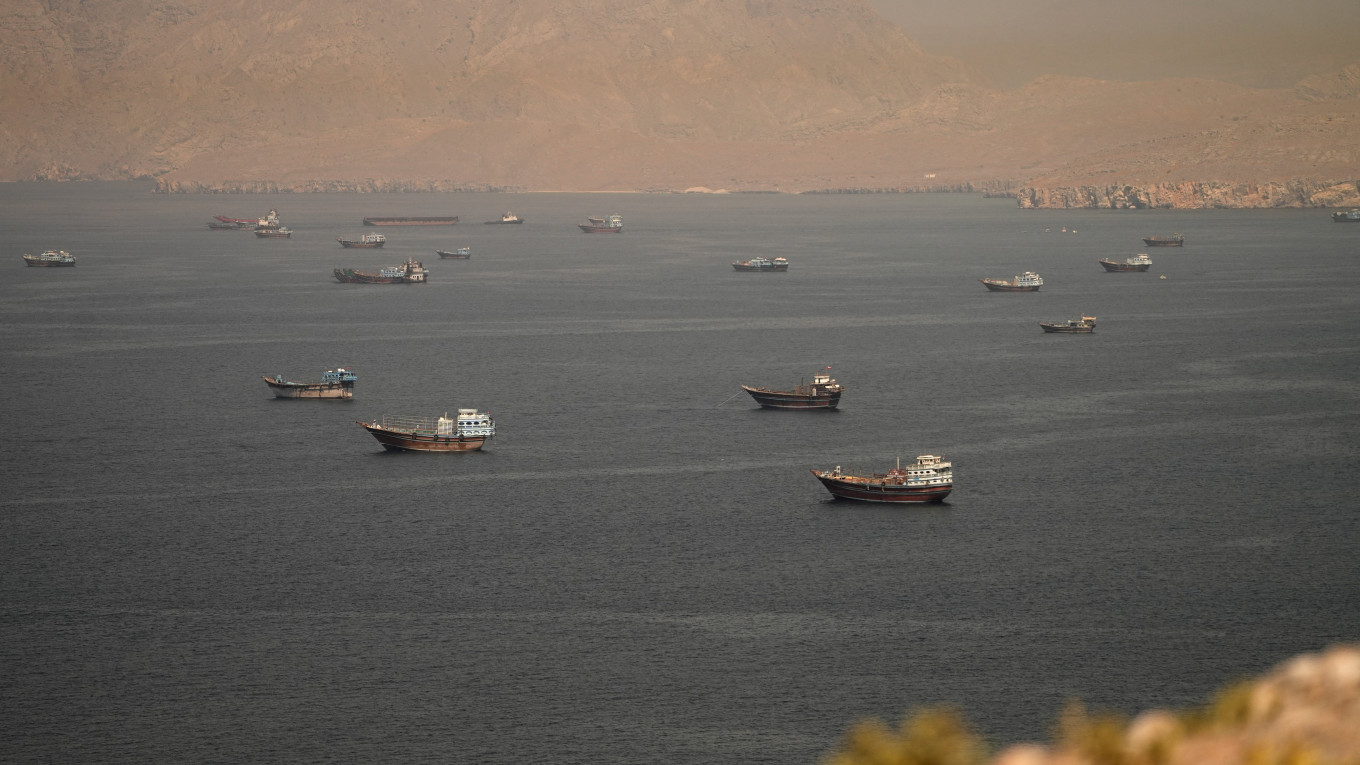
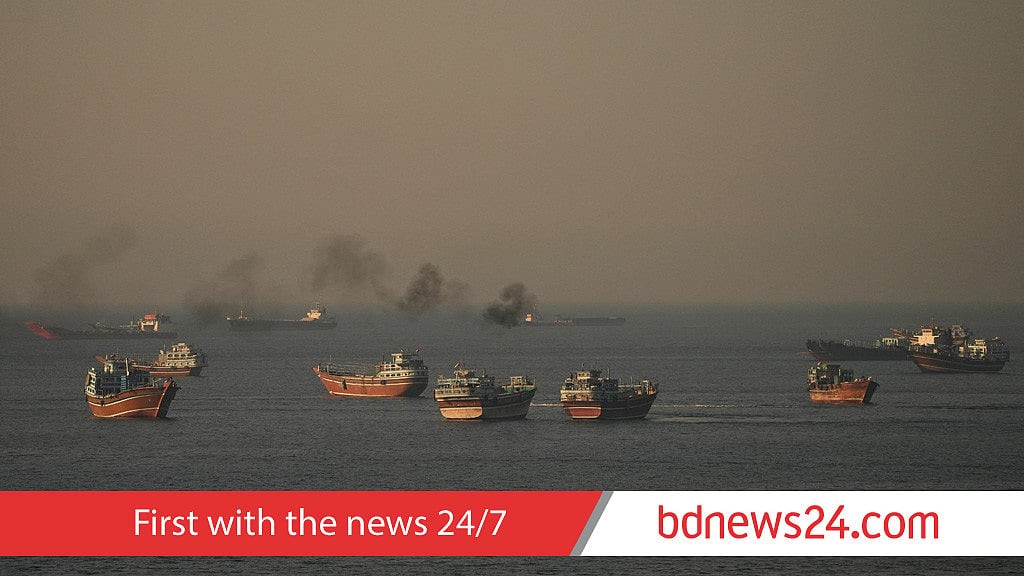
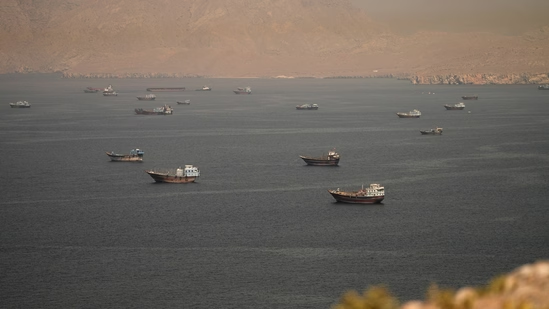
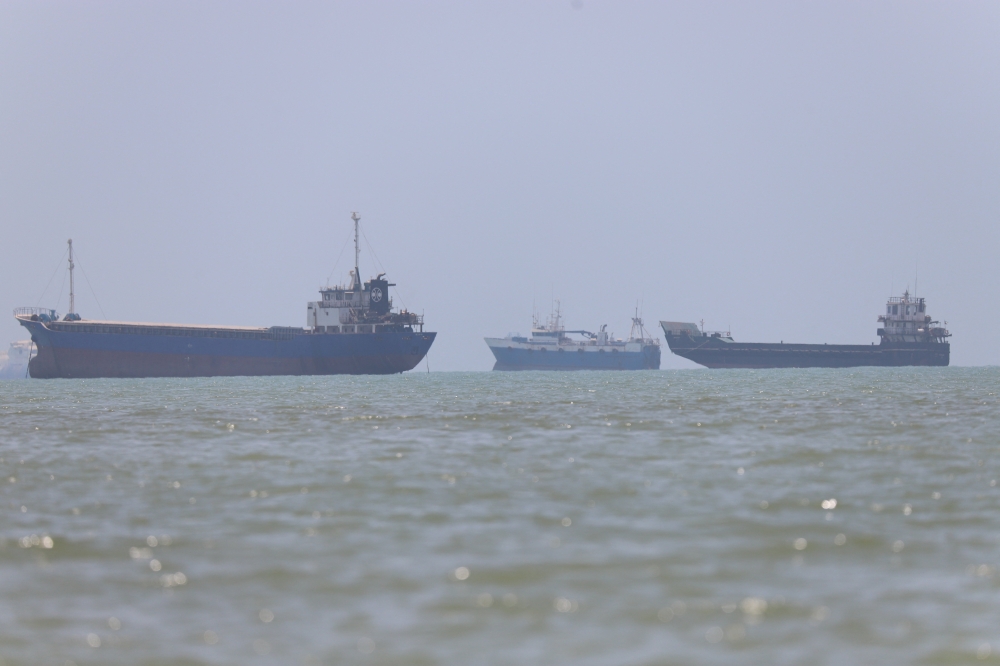
Post US-Iran deal, oil markets began cooling down almost immediately. The trajectory was clear. Oil prices fell by almost eight per cent after the US and Iran signed a Memorandum of Understanding (MoU) to end the blockage of the Strait of Hormuz, the waterway through which about a fifth of the world’s oil usually sails to global markets, especially to Asia and Europe.
Brent for August was at $80.57 a barrel, while WTI for July delivery was hovering around $77.54 a barrel as of 1:52 pm in New York on Friday. The more active WTI August was edging up to $76.54 a barrel. Earlier, the prices had dipped even lower, but recovered somewhat once Israel launched new strikes in Lebanon. Consequently, US Vice President J.D. Vance had to defer his scheduled trip to Switzerland to begin the next phase of negotiations with Iran to resolve remaining issues.
Much now depends on how things play out from here and whether the parties involved in the deliberations will be able to reach a final settlement on all issues over the next sixty days. But given the market scenario, the upcoming mid-term elections in the US, the slowing global economy, rising inflation, the tightness of the oil markets, coupled with low crude inventory levels all around, the dire state of the Iranian economy and the growing economic pressure on Tehran, all are exerting pressure on both countries to bring the war theatre to a close. That means the US and Iran are evidently under pressure to ensure that the deal remains intact and ultimately materialises.