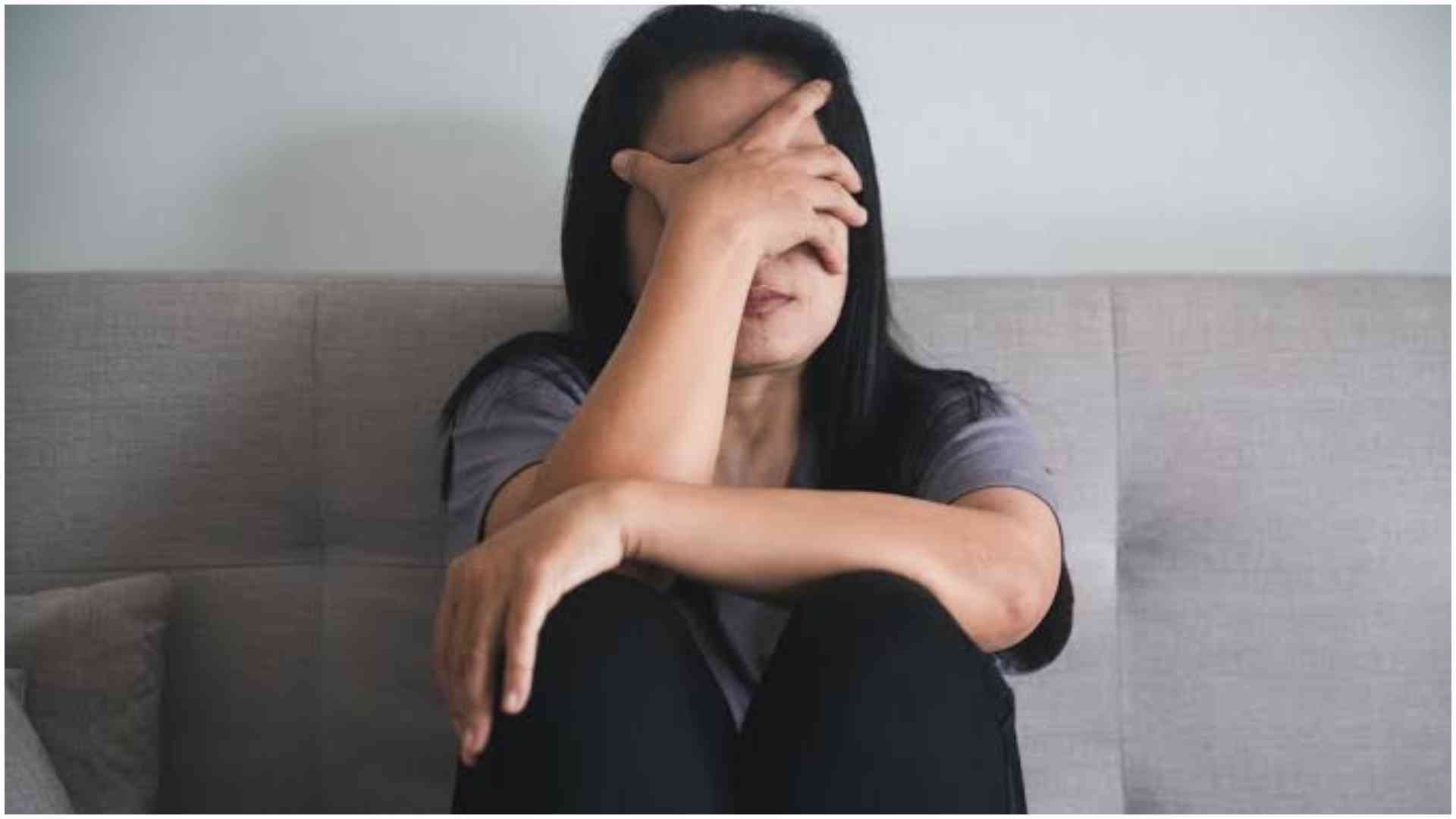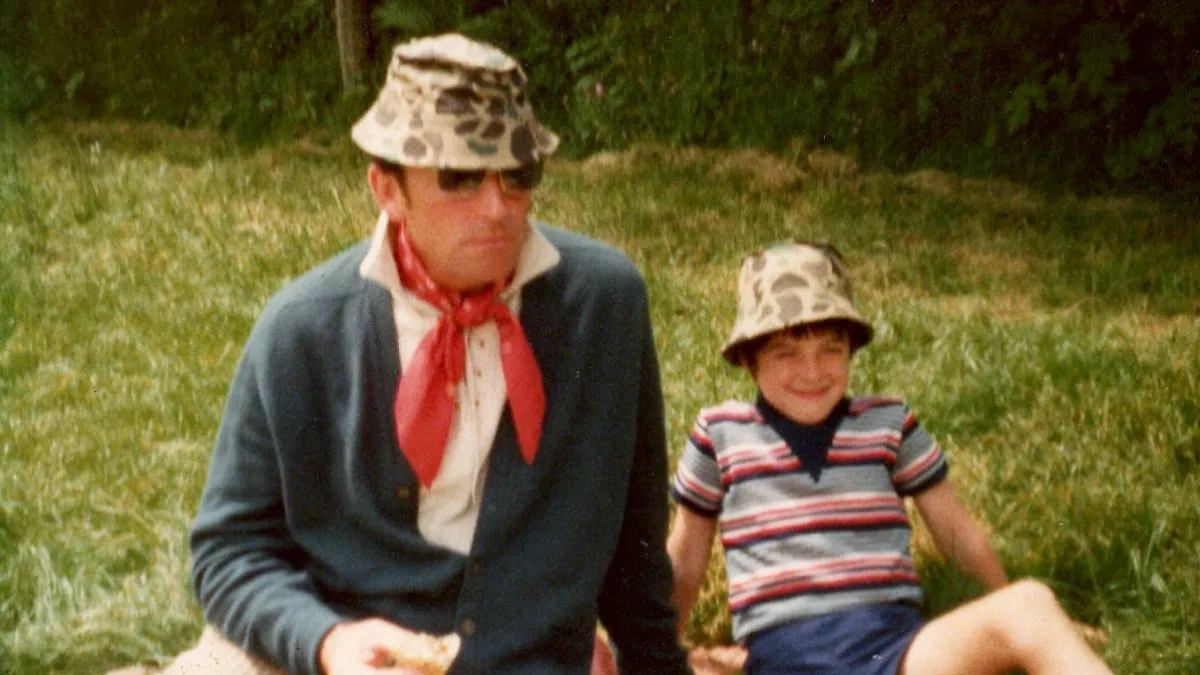
I realised something wasn’t right when I lost it in the disabled toilet at a church playgroup session. My firstborn was potty-training at the time and had made a mess.His three-month-old brother also had severe silent reflux so wasn’t sleeping, which meant I was chronically sleep-deprived too.Every day I slapped on a smile and some make-up and convinced myself I was coping. On this day, I wasn’t. As I screamed uncontrollably at him, my son was reduced to tears because – it breaks my heart to admit it – he was scared of me.From my training as a psychotherapist, I knew the rage I was feeling was destructive but when you are struggling, you lose access to the cognitive part of your brain that says, ‘Hang on, how do I actually want to respond here?’My behaviour shocked me and, afterwards, I felt deeply ashamed. I couldn’t reconcile the person I wanted to be with who I’d been in that toilet cubicle.‘Who am I?’ I thought, appalled. And then another thought quickly followed: ‘If I am capable of that, what else am I capable of?’My husband Tarun and I had been married for seven years when our second son was born. The first year was much harder than with my eldest son because of my baby’s severe reflux.Within weeks, I developed postnatal depression and postnatal anxiety. Yet I found it almost impossible to accept help. I felt I shouldn’t need it. When you are struggling, you lose access to the cognitive part of your brain that says, ‘Hang on, how do I actually want to respond here?’, writes Anna Mathur At the time, Anna was looking after a potty-training toddler and a three-month-old babyThe way it manifested was in rage, an uncontrollable, explosive sense of anger that I felt physically in my body.I’d experienced it before that church hall incident. One morning, back at home in Surrey, I’d tried unsuccessfully to get the kids into a double buggy when, suddenly, I felt something take over my body. I began shaking the buggy wildly, my heart pounding and my face contorted in frustration. After that, any stress felt unbearable.It occurred to me later that I had spent a critical part of my childhood suppressing difficult feelings. When I was eight, my four-year-old sister Emily was diagnosed with a brain tumour. It was the size of an adult fist and we were told straight away she wouldn’t survive.She was cared for at home and we had hospice nurses come towards the end of her life. Two and a half years after diagnosis, Emily died in my parents’ bedroom.I was ten and I tried my best to swallow my grief. In the midst of a home filled with trauma and loss, I didn’t want to add to my parents’ burden by expressing my feelings.After Emily died, I resolved to be good, easy and calm. I internalised worries over friendship issues and school stress. I didn’t know how to talk to my friends about my grief either and found normal friendship dynamics hard.But all of this took its toll on me, as it had to. By the time hormones kicked in at the age of 12, I was thinking things like ‘I can’t cope’ and ‘I don’t want to be alive’.I couldn’t share these intense emotions in words but Mum would sometimes help me get them out. Dad worked night shifts and, on some nights, Mum would put me in the car and drive us to a field near our home in rural Hertfordshire, where I’d explode, screaming and crying while Mum held me. The waves of grief and anger just needed to pass. Anna had spent a critical part of her childhood suppressing difficult feelings (pictured, Anna with one of her children)That good girl mentality is what fed my rage as a second-time mum. I received many offers of help from friends and family, but I refused every single one. I wouldn’t even let my husband spend a night looking after the baby so I could get some sleep.I was prescribed antidepressants but didn’t take them because I felt I didn’t need them. The narrative running through my head was, ‘I can do this, I’ve got it all under control. I’m made to be a mum, I should be finding this easy, I shouldn’t need help’.Thankfully, things improved when my youngest turned one and I started getting more sleep. I felt more in control and I was in a more positive mindset.Then I fell pregnant with our third child. At first, I accepted help and had a nanny two days a week. But, a few years later, the pandemic hit.That’s when my resentment towards my husband began. I was writing my first book and managing a long list of private clients who I saw online. With my husband also working from home and kids at our feet, there was no space or respite.Tarun is amazing and an incredibly hands-on dad with strong family values, but our circumstances were intense. During the working day, while he was dealing with the demands of a high-pressure job in finance, I often felt alone with the noise and constant demands of three young children.I felt envious that he got to finish work at the end of the day when my job as a mum never stopped.That period affected our marriage more than I realised. In the evening, by the time my husband finished work, I didn’t have the energy to explain to him how I was feeling. So I carried it around silently instead. I became short, snappy and withdrawn.Intimacy hadn’t vanished – we slept in the same bed – but I was so tired and depleted that it was low on the priority list. There was no laughter. It was very lonely for both of us.Looking back, I can see that my husband wasn’t actually the problem. The demands of our lifestyle and my independent personality were the issue. A lot of women reach that point in midlife, where they’re irritated by everything their partner does and start wondering if they’ve fallen out of love. But much of my anger wasn’t actually about my marriage at all: it was about being overwhelmed.I remember one occasion when the only way I could cope with the kids all crying at the same time was to go into the utility room at home, shut the door and scream. I did it so loudly, I lost my voice.The turning point came when the kids were one, three and five. My husband was upstairs on a conference call and the children all needed something from me as I tried to cook dinner. I texted him, saying: ‘You need to come down. I’m not OK. I just need to get out.’When he didn’t respond straight away, the next whinge from one of my children sent me over the edge. I screamed at the top of my lungs – not at anybody, just blindly into the room.I’d already fantasised about crashing my car with just me in it and, in that moment, I felt trapped by the stress and overwhelm. It felt intolerable to be in my own body. I felt like I was losing my mind.Sat on our big blue sofa in the living room afterwards, I had one of the most important realisations of my life. Work had become addictive and too much and I felt helpless and hopeless as a mum. Tarun is amazing and an incredibly hands-on dad with strong family values, but our circumstances were intense, writes Anna MathurWith my therapist brain clicking in, I thought, ‘Maybe I’m not a bad person, maybe I’m just carrying a lot of stress. Maybe this is a really normal human response to my circumstances.’Up until then I’d interpreted every outburst as evidence that I was failing. Now, I realised I’d reached burnout. I needed to take the pressure off by accepting more help from my husband. He wanted to do more but, until then, my perfectionist tendencies hadn’t let him.For the next few months, I did the bare minimum. I’d make easy dinners that I knew the kids would love and, when they were in bed, I’d snuggle up on the sofa instead of writing emails.I arranged for somebody to post content for me on social media and scaled back my therapy work.Then came another breakthrough. In 2023, I was diagnosed with ADHD, which was hugely helpful. It confirmed to me the importance of ring-fencing time to relax, de-stress and help regulate my nervous system.Not long before, one of our sons had been diagnosed as autistic. Parenting a neurodivergent child requires extra understanding, patience and thought.I learned that one of the things that soothes neurodivergent people is predictability and calm. Emotional volatility and constant noise can feel incredibly stressful, which helped me understand why I was finding certain seasons of motherhood so overwhelming.Yes, since scaling back my work I’ve earned less. But I also know that I can’t be the mother, wife or woman I want to be when I’m running on empty.I used to only feel deserving of love and good things in life when I was visibly busy. Now I’ve got the sparkle back in my eyes because I’m able to slow down.Sometimes, my husband and I just spend hours chatting after the kids go to bed. Our marriage has improved so much. We are so much gentler and kinder with each other. We check in throughout the day and are much more connected emotionally.What drives me now is the desire to help other women ‘reframe’ what we have historically shamed ourselves for – guilt, burnout and rage. It’s also why I’ve been on Instagram talking about perimenopause.A few months ago, at the age of 40, I realised I was slipping back into irritability and snappiness. When oestrogen drops, the nervous system becomes more sensitised and that can trigger anger again. Starting HRT this year, after consulting my GP, has been a game-changer.Of course, there is no magic wand to remove stress. Most women are constantly operating at maximum capacity and the more tense we are, the more brittle we are, the more we snap.I’m not claiming to have all the answers. In fact, I recently burst into tears after being added to a school WhatsApp group by a lovely mum.The addition of one more group, one more notification, one more thing, when I was already drowning in the stress of my upcoming book launch, opened the floodgates.Of course, the WhatsApp group wasn’t the problem. It was simply where all the pressure I’d been carrying finally spilled over.When you next get hot-headed with the receptionist at the doctor’s surgery or someone who cuts you up in the car, remember it’s unlikely to be because they can’t offer you an appointment for three weeks or the fact that you had to slam on the brakes. Your rage is probably because of something else that’s previously raised the pressure of your internal cooker.My son – the one I screamed at in the loo at the church hall – is now 11 and says he still remembers the day Mummy exploded at him. That breaks my heart. But I also have compassion for the old me raging in that cubicle: she was exhausted and just trying to do her best.Rage still occasionally rears its head. I’m only human. The difference now is I don’t beat myself up about it and I apologise immediately to whoever ends up in the firing line.All those explosions were signals that I needed support and to stop carrying everything on my own. I spent years believing I was an angry woman but the truth is, I wasn’t. I was just overwhelmed.How to Stop Snapping at the People You Love (As Well As the Ones You Don’t): A Compassionate Guide to Rage, Regulation and Repair by Anna Mathur is out July 2 (Penguin Life, £18.99).As told to Gemma Calvert
I was consumed by 'mum rage'. Here's how I finally tackled my anger
I realised something wasn't right when I lost it in the disabled toilet at a church playgroup session. My firstborn was potty-training at the time and had made a mess.
1,990 words~9 min read