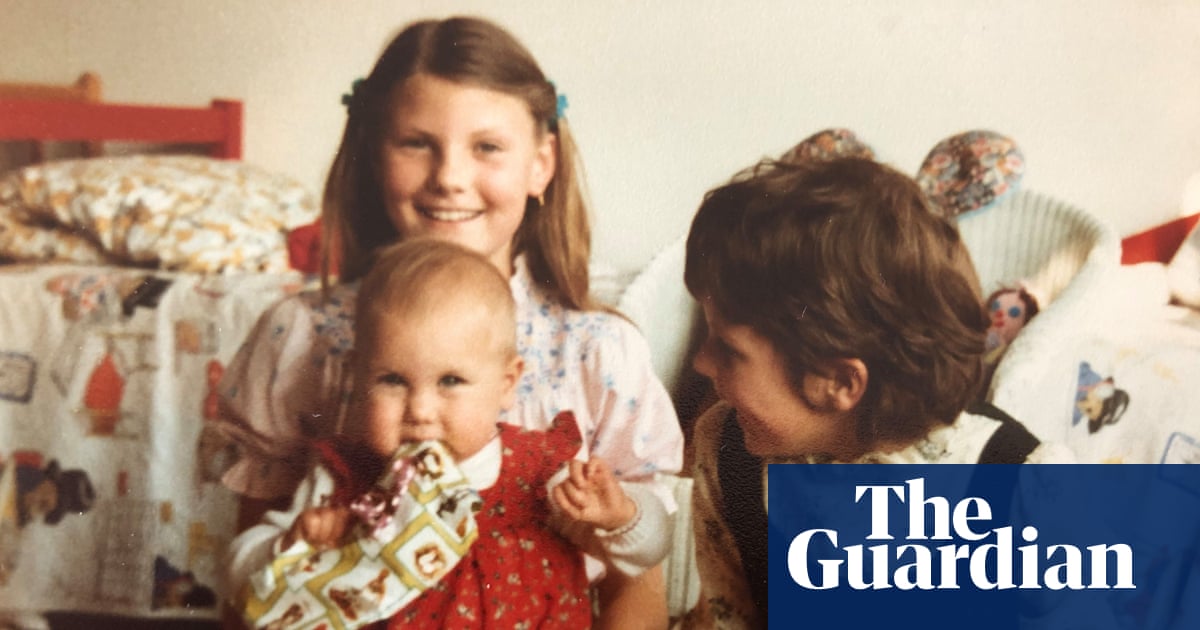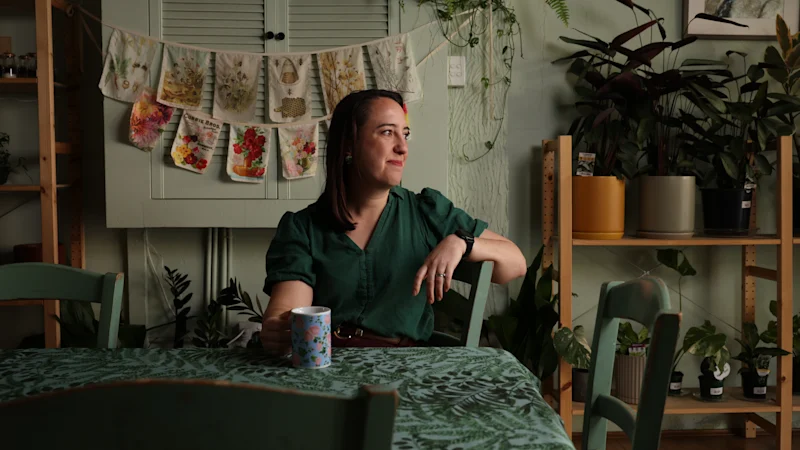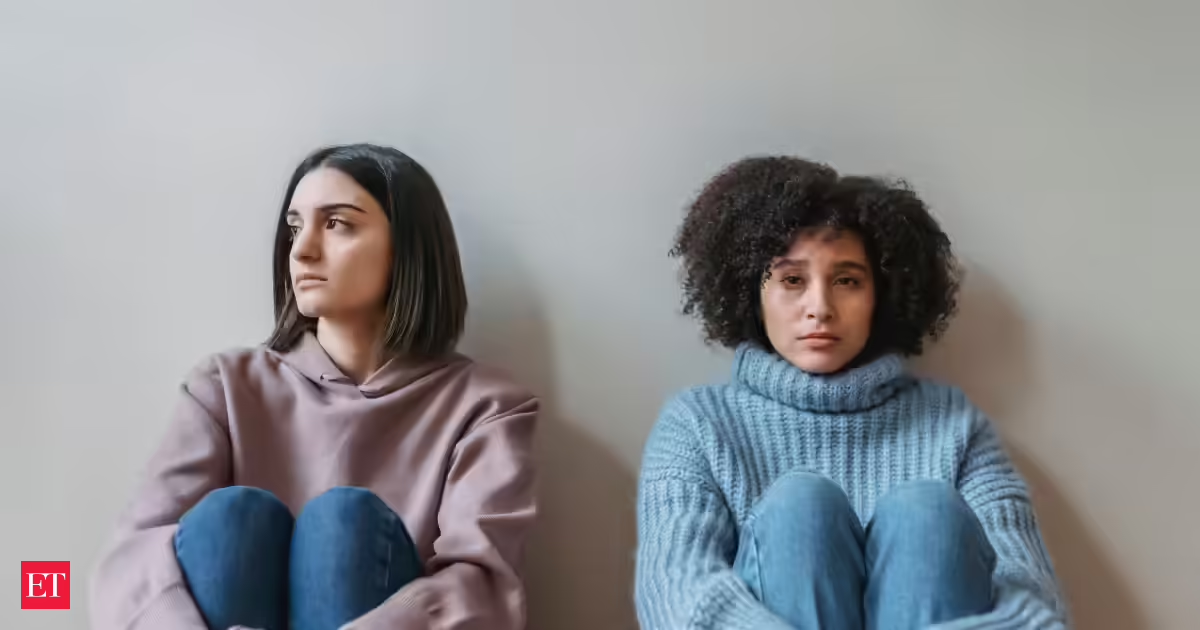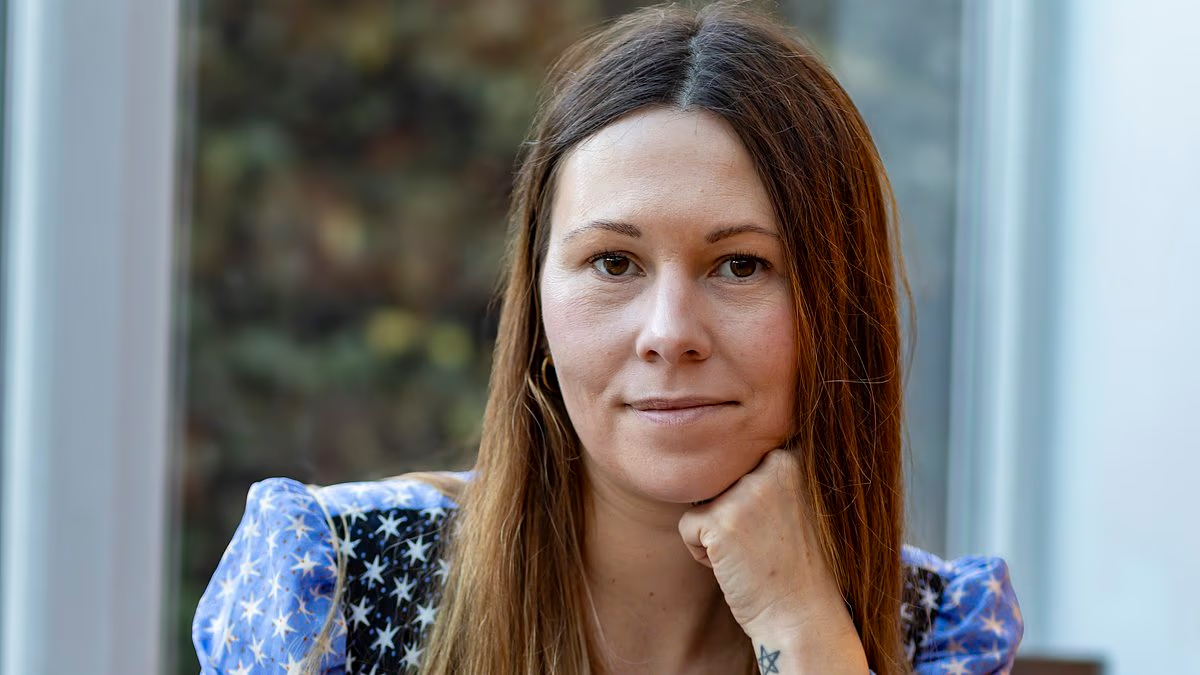
How many siblings do you have? It shouldn’t be a complicated question. Yet for me, it’s one that elicits complicated feelings.For nine years I was an only child – locked away in my room singing along to All Saints by myself. Sometimes I dreamed of having a sister I could share my secrets with, but I suited solo childhood easily, finding ways to entertain myself.My parents had an acrimonious divorce when I was six, and my mother remarried when I was seven. Eighteen months later, my half-sister was born, followed by my half-brother two years after that.Then, when I was 21, my father – who remarried when I was 15 – had another daughter. It would later transpire this sister would end up being far closer in age to my own daughter than to me.So, three siblings, then. But both of my parents are still with their second spouses to this day, which leaves me in a strange, in-between space. On the one hand, I have two families, but on the other, I don’t really have ‘a family’. Straddling two camps, there’s a general feeling that you’re always a bit of an outsider when you’re the leftover child of an extinct marriage.As new worlds are created around you, you can’t help but wonder if everyone is secretly wishing they could have wiped the slate clean and drawn a line under the past, without any lingering complications.When my first new sibling was born, I was excited; helping wherever I could, changing nappies and clothes like she was a new doll to play with.Back then, I hadn’t yet realised the inherent differences between our respective experiences of childhood that were to come. When I was 15, I moved to the US with my mother’s family, becoming fully absorbed with them for nine months each year, then returning to visit my father in winter and summer. Eilidh says while her childhood was punctuated by nomadic treks across London, her siblings didn’t have to keep track of their toys or clothes in two houses Back then, Eilidh hadn’t yet realised the inherent differences between their respective experiences of childhood that were to come [picture posed by models]Although I was glad to have the opportunity to live abroad, the complications of my circumstances felt more pronounced in another continent. While my mother’s children were American, I was a non-American who lived in America; an English person who didn’t live in England. When I later moved to New York for university, my brother and sister still had over a decade of schooling ahead of them. My father’s daughter was born while I was in my third year.It was strange to watch from afar as my two families evolved without me. My parents were there with their spouses to attend every one of my siblings’ football matches, plays and carol concerts – together. They developed new traditions, found new ‘favourite’ restaurants. They went on their own holidays and met new people.While my childhood was punctuated by nomadic treks across London, my siblings didn’t have to keep track of their toys or clothes in two houses.My American siblings and English sister didn’t meet until my wedding, when I was 31. Even then, they barely interacted – being, as they were, complete strangers who just happened to share a sister.There’s a belief that, once you’re an adult, you’re unbothered by the ripple effects of divorce. But at 37, despite being so much older than my siblings – now 28, 26 and 15 – I still feel pronounced pangs of jealousy whenever I look at my parents’ screensavers or profile pictures and they’re invariably with their second-round children.I’m rarely in these photos – usually because we’re bad at taking family pictures, and historically my presence could be rare or fleeting. Regardless, whenever an iPhone flashes awake, the background images of my brother and sisters always feel like a small punch in the gut. Eilidh says she has been able to live two quite distinct lives – ones her siblings only know half of [icture posed by models]Eilidh says she has been able to live two quite distinct lives – ones her siblings only know half of [picture posed by models]It took a while to recognise these feelings of jealousy. For years I convinced myself there was only good that came from my situation (double the presents, extra holidays!).It wasn’t until I had children of my own that I realised I was, at times, envious of my siblings. Not to say my parents should have stayed together on my account (that would have been awful), but now I’m a parent I see things from a different perspective.All of the feelings that would creep up when I was a child, I can now name or contextualise – how much easier it is, at times, to have two parents. How my husband’s and my shared obsession with our children helps to frame their lives, and the simplicity that comes with having two people on the same page, without the complexity of additional partners and part-siblings.Ultimately, however, I wouldn’t change the way I grew up. It provided me with a range of experiences I wouldn’t have had if my parents had stayed together.I’ve been able to live two quite distinct lives – ones my siblings only know half of – and I believe my life is richer and more varied because of it.And now, having two children of my own, it feels like a way to experience what my siblings have: an unbroken family with a shared history.Although my children will also never know what it’s like to be the screensaver on their father’s phone, given he’s such a technophobe he can’t figure out how to change it in the first place.
As a 'leftover' child, this is why I'm so envious of my half-siblings
How many siblings do you have? It shouldn't be a complicated question. Yet for me, it's one that elicits complicated feelings. For nine years I was an only child.
TL;DRAI
Questo articolo non rientra nel scope editoriale di **Warptech Tech News**. È un pezzo personale/lifestyle sul divorzio e le dinamiche familiari, completamente fuori tema rispetto al pubblico della testata (manager IT, CTO, responsabili AI). Se hai un articolo **tech/business/AI** da riassumere per la newsletter, condividi il titolo e corpo e applico il format TL;DR per voi. 👇
958 words~4 min read