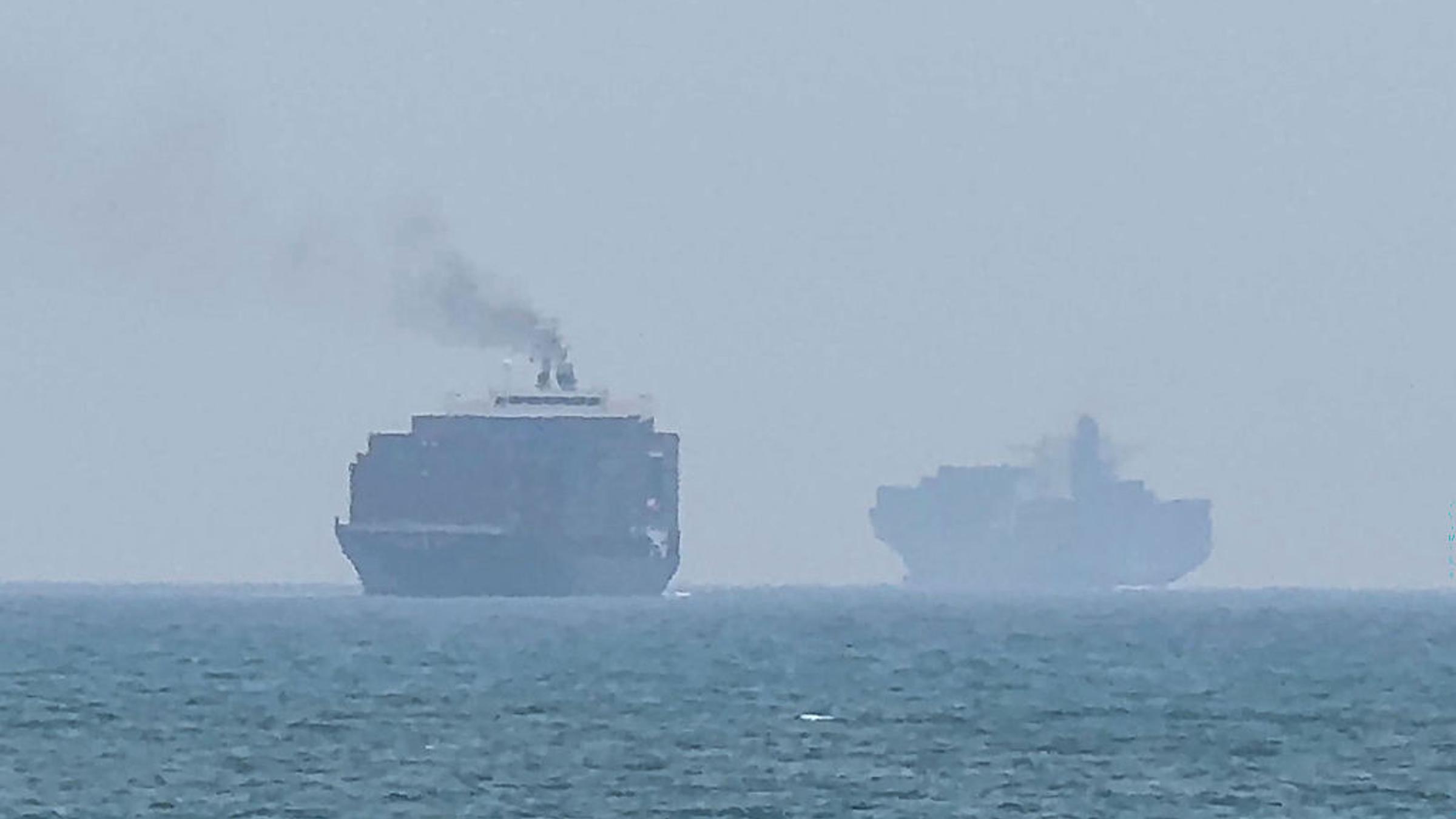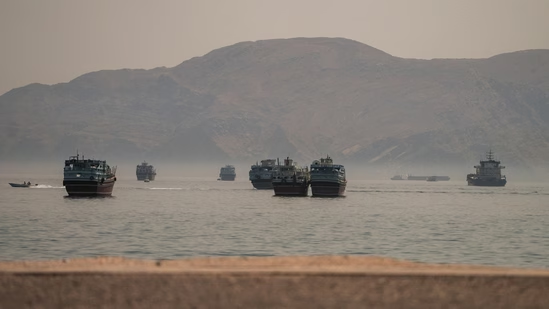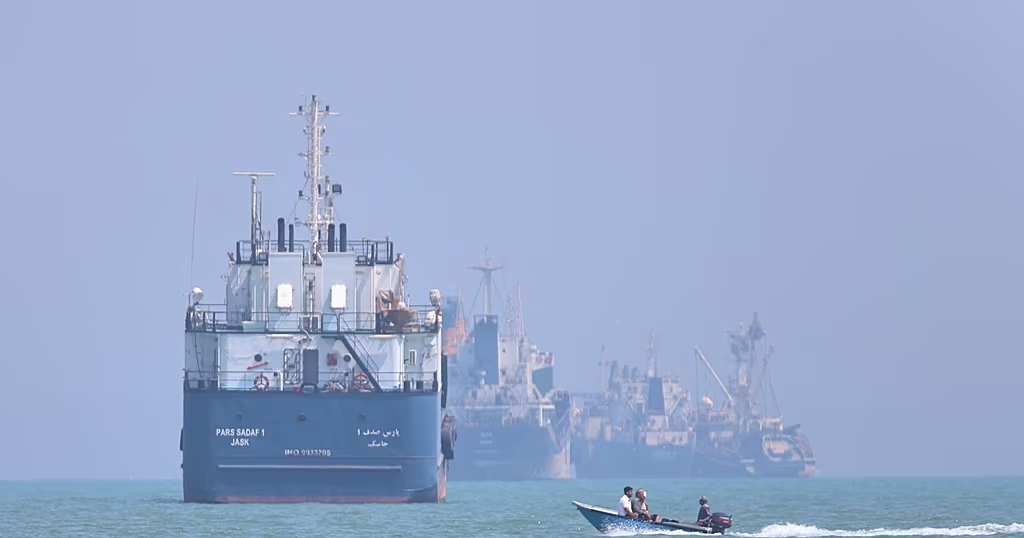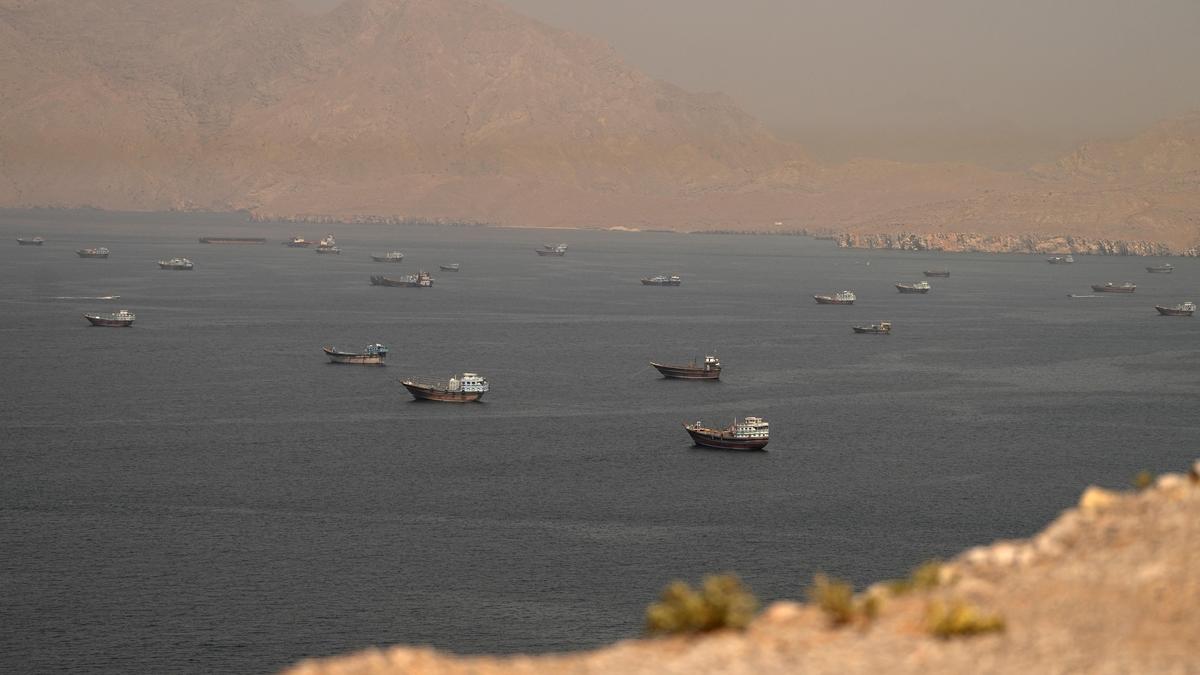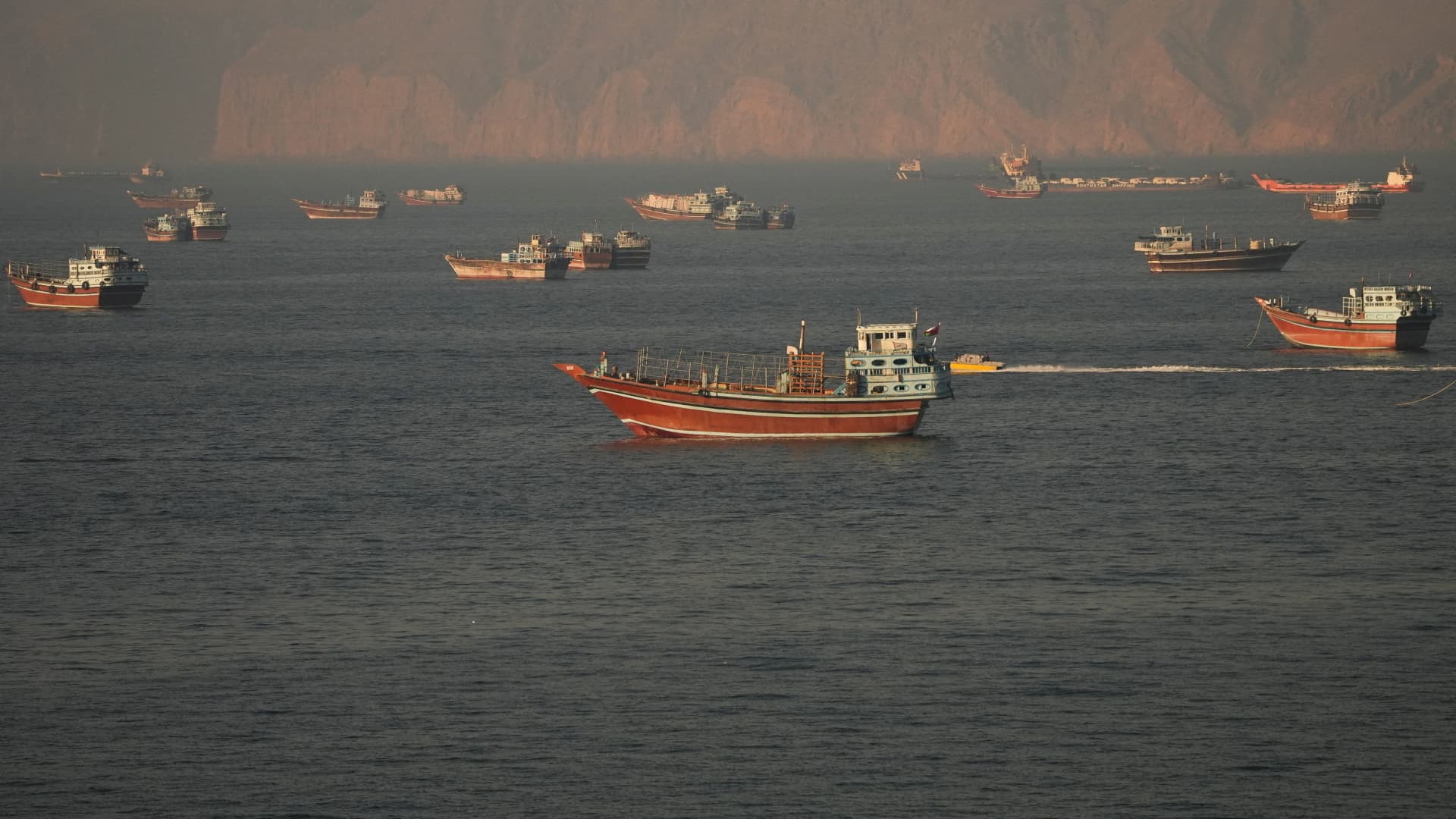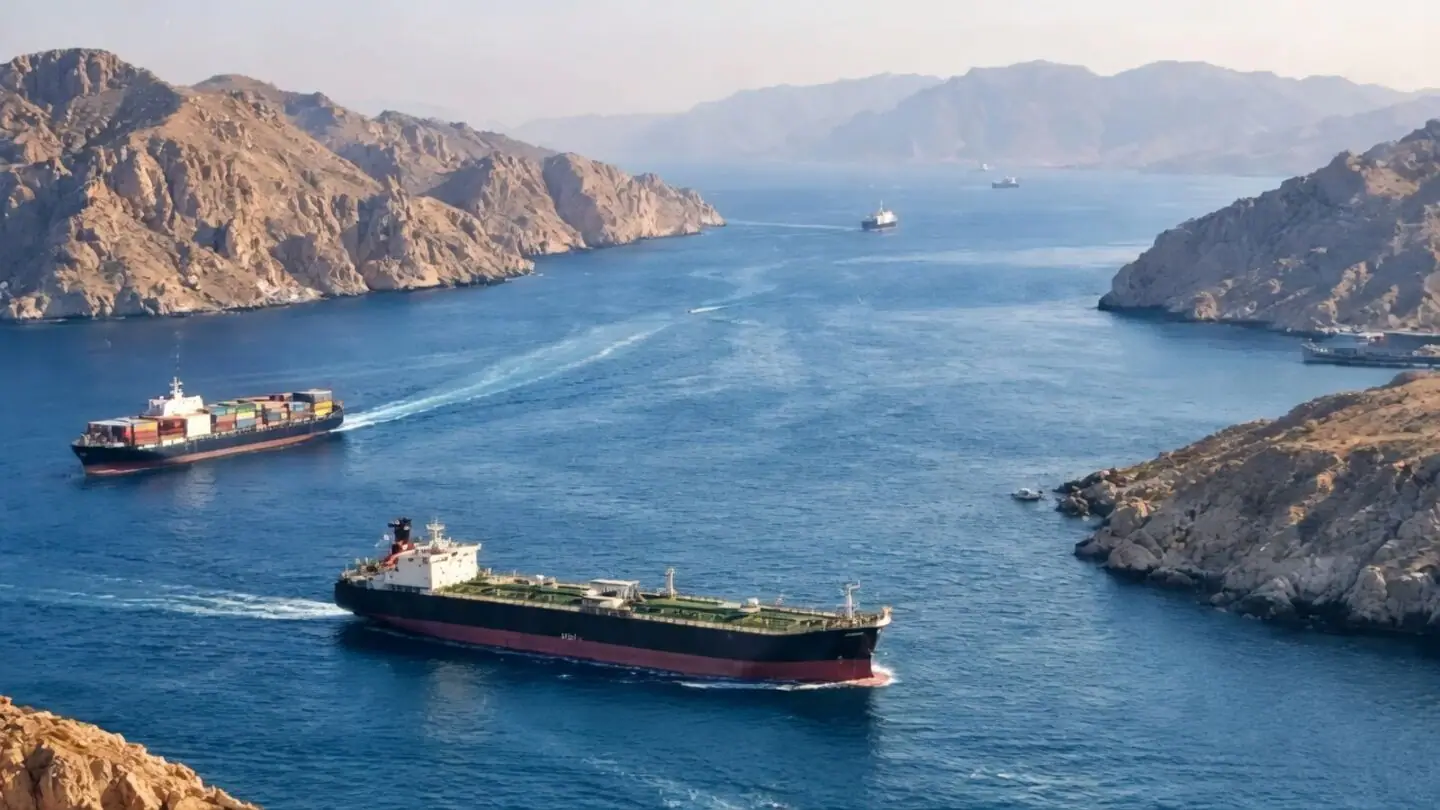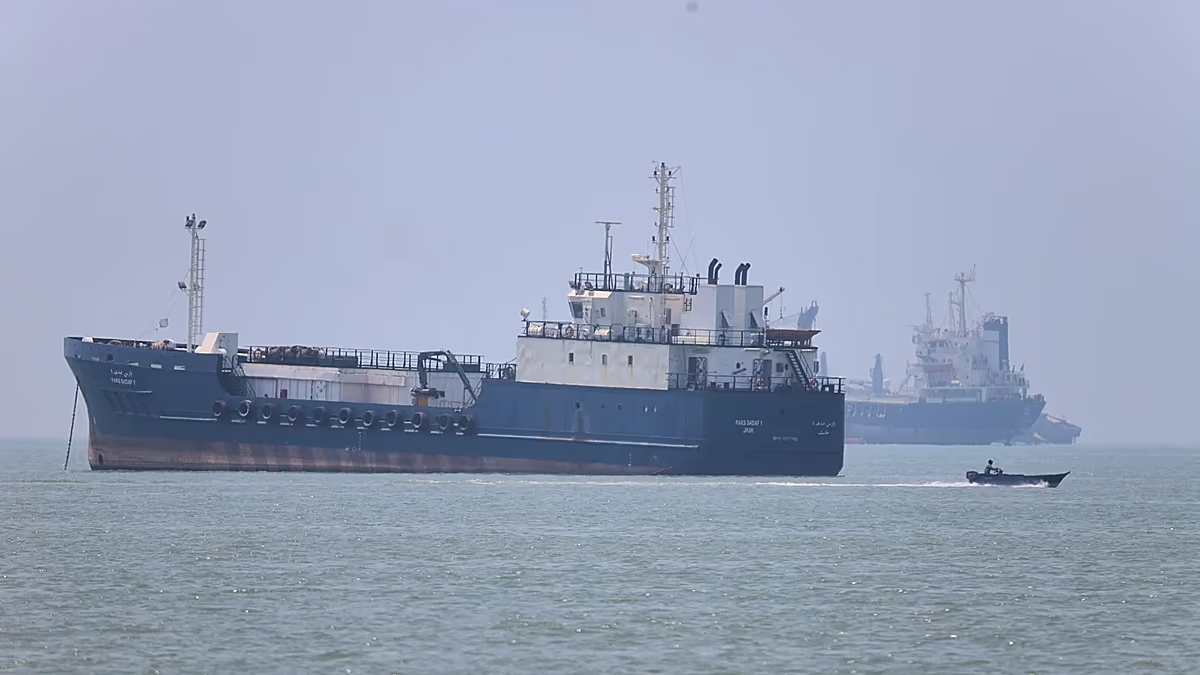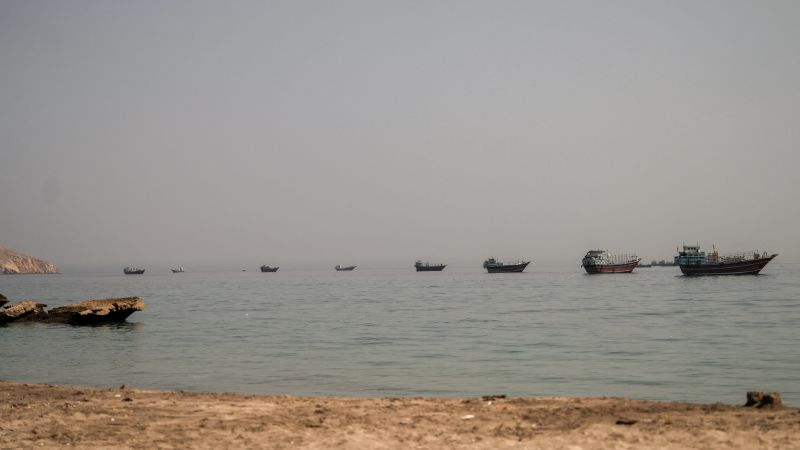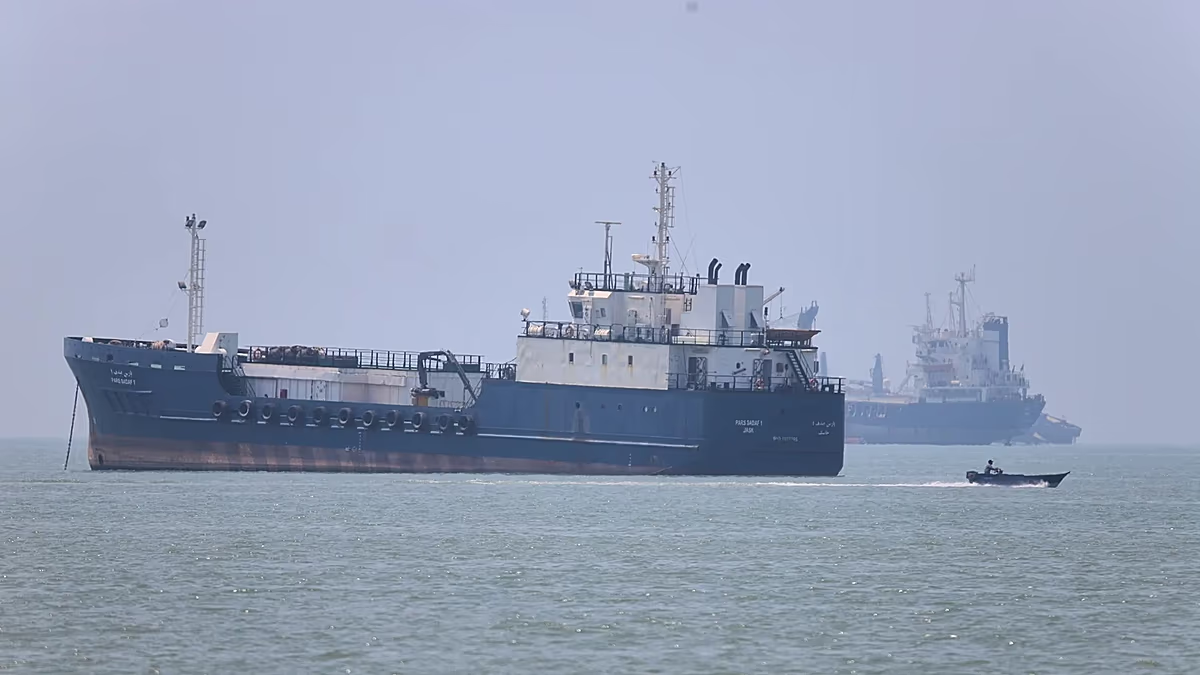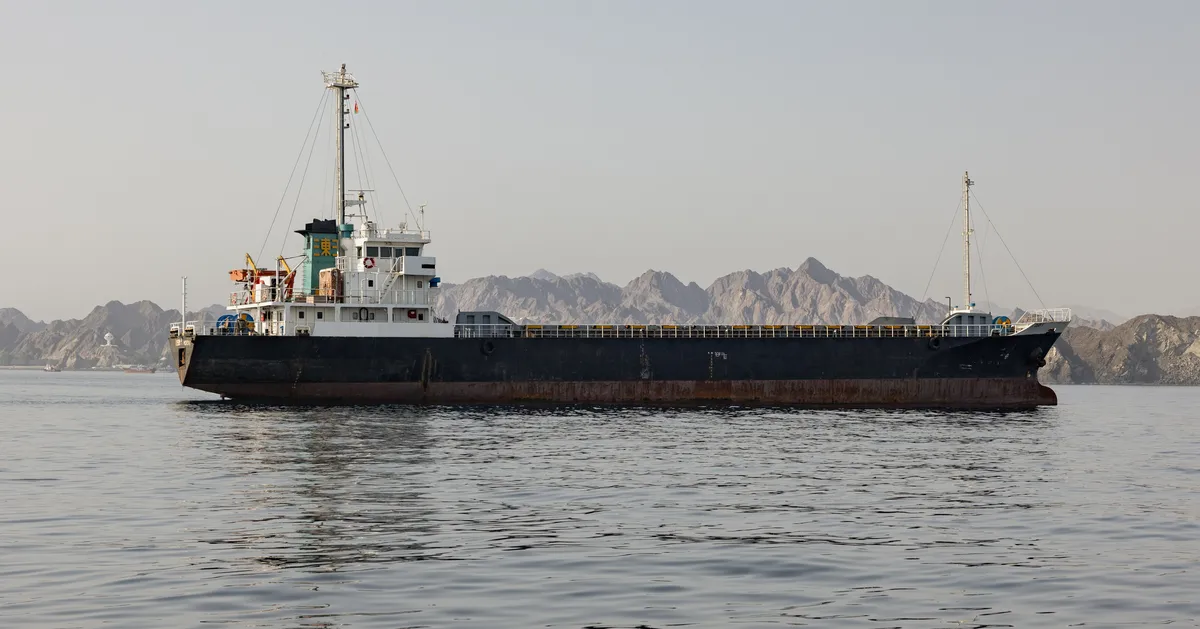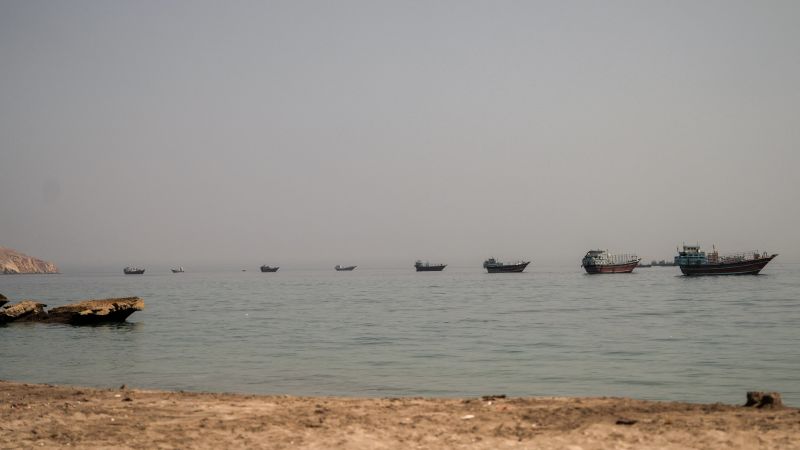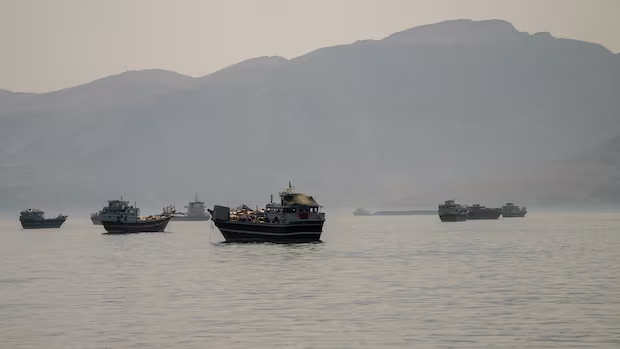
World·NewIs the Strait of Hormuz open or closed? Comments from American and Iranian leaders tell conflicting stories on the critical waterway, with the U.S. saying it remains open to shipping traffic and Iran saying it's been closed again.Expert says the strait is not open in any 'meaningful' wayKevin Maimann · CBC News · Posted: Jun 21, 2026 8:06 PM EDT | Last Updated: 24 minutes agoListen to this articleEstimated 4 minutesThe audio version of this article is generated by AI-based technology. Mispronunciations can occur. We are working with our partners to continually review and improve the results.Vessels are anchored in the Strait of Hormuz, as seen from Musandam, Oman, on Friday. The U.S. and Iran are giving conflicting narratives on the state of the strait. (Reuters)Is the Strait of Hormuz open or closed? Comments from American and Iranian leaders tell conflicting stories on the critical waterway, with the U.S. saying it remains open to shipping traffic and Iran saying it's been closed again. About one fifth of the globe's oil passes through the strait.Ian Ralby, a non-resident senior fellow at the Center for Maritime Security and CEO of consultancy firm I.R. Consilium, says the strait is not open in any "meaningful" way. "'Open' to the U.S. seems to mean something different than it does the shipping industry, which, I think, largely feels that it remains closed," he said. Ship tracking sites show traffic continued to trickle through Sunday, but nowhere near pre-war levels. What was saidThe U.S. and Iran agreed last week to a 60-day ceasefire, which included free passage through the strait for commercial vessels. But Tehran's Islamic Revolutionary Guard Corps (IRGC) on Saturday declared the Strait of Hormuz shut, citing what it called Israeli "crimes" in Lebanon and a U.S. violation of commitments to establish a ceasefire. U.S. President Donald Trump wrote in a Saturday social media post that no toll will be charged for passage through the strait during or after the 60-day ceasefire, unless the U.S. imposes one should peace talks fail. U.S. Central Command said 55 merchant ships had transited the strait on Saturday, moving large amounts of cargo and more than 17 million barrels of oil to global markets. What is happeningBefore the U.S. and Israel launched their war in Iran on Feb. 28, Ralby says an average of 130 to 160 ships would pass through the strait each day in either direction. Since Iran first declared the waterway closed several days into the war, that dropped to about six ships a day, with Iran allowing some to pay tolls and pass with permission. After the two countries signed a memorandum of understanding to end hostilities, that number spiked to 25 on Thursday.Iran, U.S. officials depart for talks as Israeli strikes put truce, Hormuz status in doubtTrump threats shake up U.S.-Iran talks in Switzerland on deal's detailsBut after Iran's Saturday announcement, the IRGC sent out marine radio broadcasts warning there would be no access without permission. In WhatsApp messages, shippers shared reports of warning shots fired in the strait. Ralby says the U.S. has been trying to "shepherd a few ships here and there" on the strait's southern corridor, through Omani water. He says a maritime advisory has indicated there's a sea mine in that area, adding to the already risky nature of the trip. "As long as Iran maintains they will to try to stop ships, it's a very dangerous and precarious situation," Ralby said. "Ship owners are also pretty risk-averse when the risk is potentially bankruptcy." WATCH | Iran moves to close the strait ahead of negotiations:Iran says it closed Strait of Hormuz, citing ceasefire violationsJune 20|Duration 11:26Iran says it has closed the Strait of Hormuz, a vital route for global oil and gas shipments, citing alleged ceasefire violations by the U.S. and Israel. The move comes ahead of talks in Switzerland aimed at advancing an interim agreement between Washington and Tehran.He says the ships that have continued to pass through on the Iranian side were likely granted permission by Iran.The Persian Gulf Strait Authority released a memo describing the process for ships to apply for permission to pass through the strait. "No vessel is permitted to pass through the Strait of Hormuz without a valid passage permit issued by the PGSA," the memo states. Does the rhetoric add up to anything?Ralby says neither side is credible.He says even if CENTCOM's claim of 55 ships passing through is true, that's still far short of a return to normalcy that would reset global markets. "This whole closed-open [debate] is kind of absurd because we're in such uncharted territory," he said. FRONT BURNERCan the U.S. reopen the Strait of Hormuz alone?Reopening the Strait of Hormuz is easier said than done. Here's whyThe U.S. and Iran have been engaged in peace talks in Switzerland Sunday, which has not stopped Trump from ratcheting up the rhetoric, warning Iran to stop their "proxies" from "causing trouble" in Lebanon. "If they don't, we'll hit Iran very hard again, just like we did last week, only harder!!!" he posted on social media.Alan Eyre, a former U.S. diplomat who helped negotiate the 2015 Iran nuclear deal under former U.S. president Barack Obama, told CBC News Network that political posturing is not going to move ships."Every day the strait remains closed, the economic consequences and pain compound. So the most exigent, urgent issue is getting that open," Eyre said. "And that's not going to be when Iran says it's open or the U.S. says it's open. It's when the maritime shipping industry feels comfortable enough to send ships back into the strait."ABOUT THE AUTHORKevin Maimann is a senior writer for CBC News based in Edmonton. He has covered a wide range of topics for publications including VICE, the Toronto Star, Xtra Magazine and the Edmonton Journal. You can reach Kevin by email at kevin.maimann@cbc.ca.With files from Reuters
Is the Strait of Hormuz open or closed? | CBC News
Is the Strait of Hormuz open or closed? Comments from American and Iranian leaders tell conflicting stories on the critical waterway, with the U.S. saying it remains open to shipping traffic and Iran saying it's been closed again.
976 words~4 min read