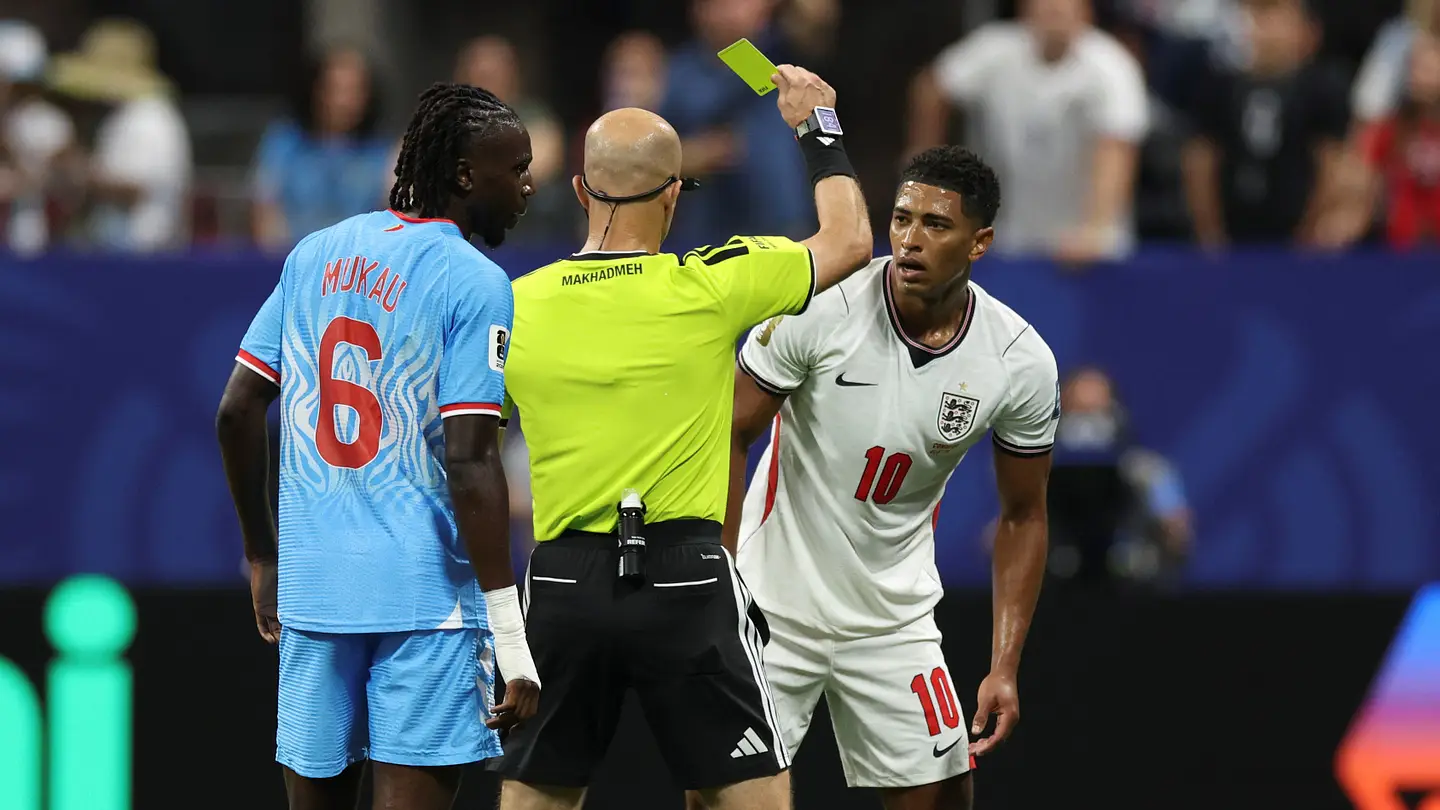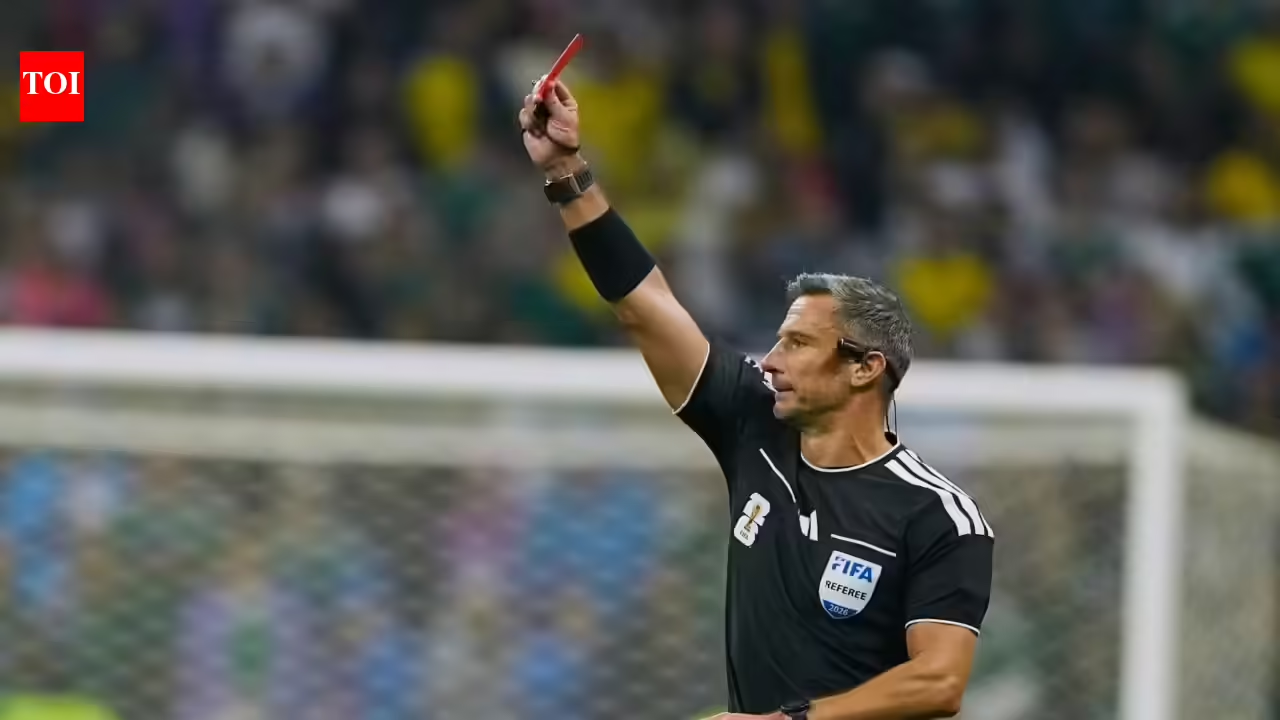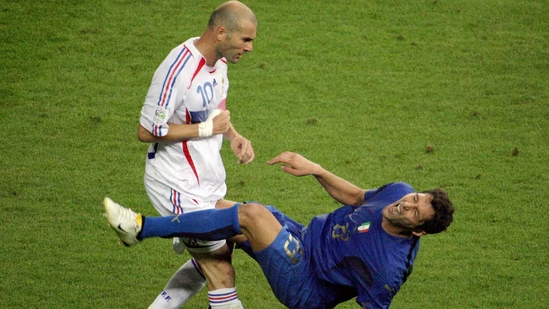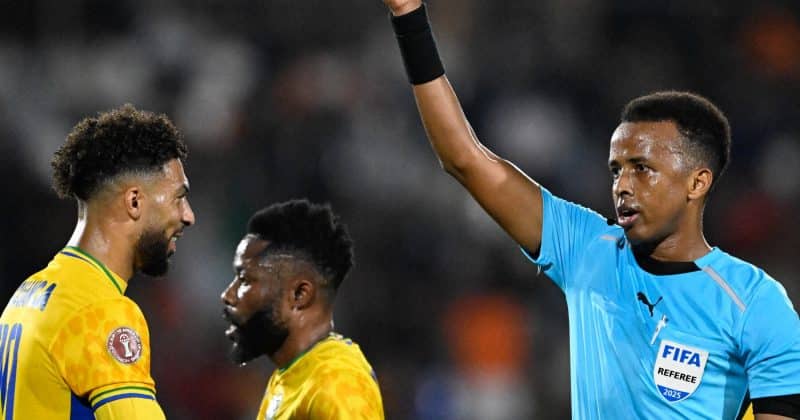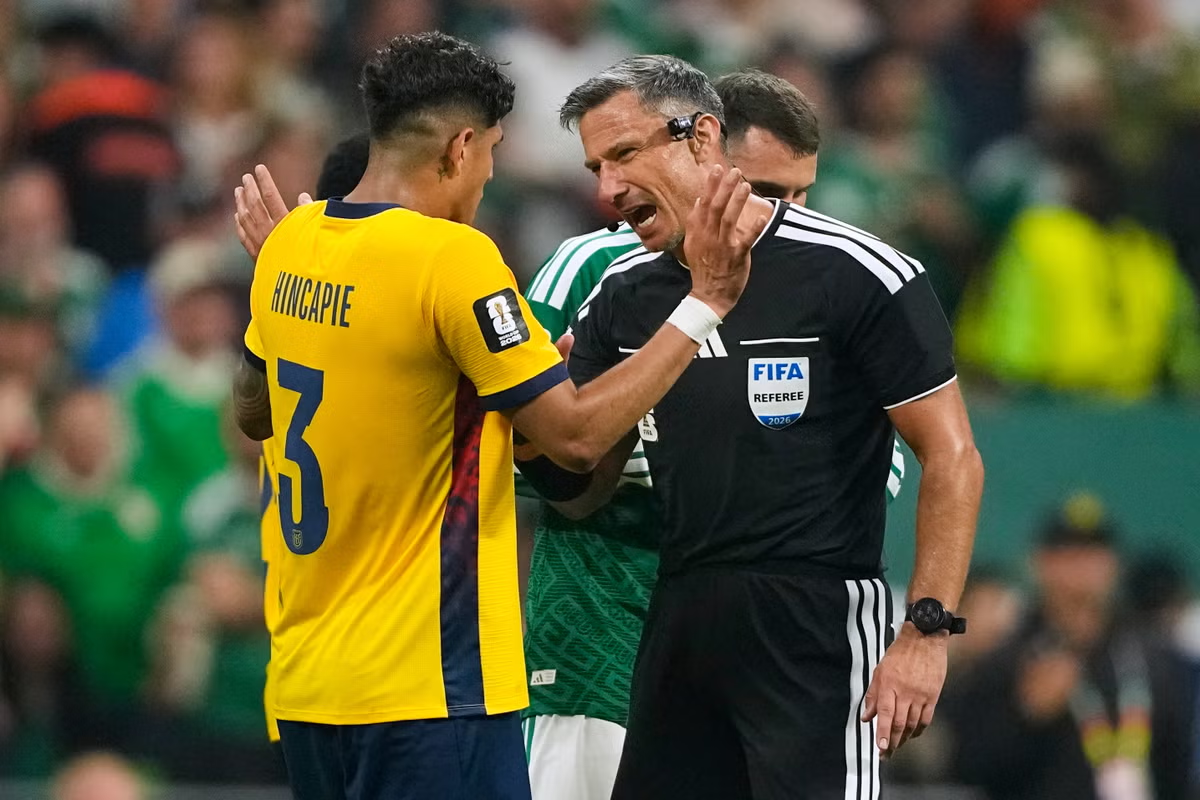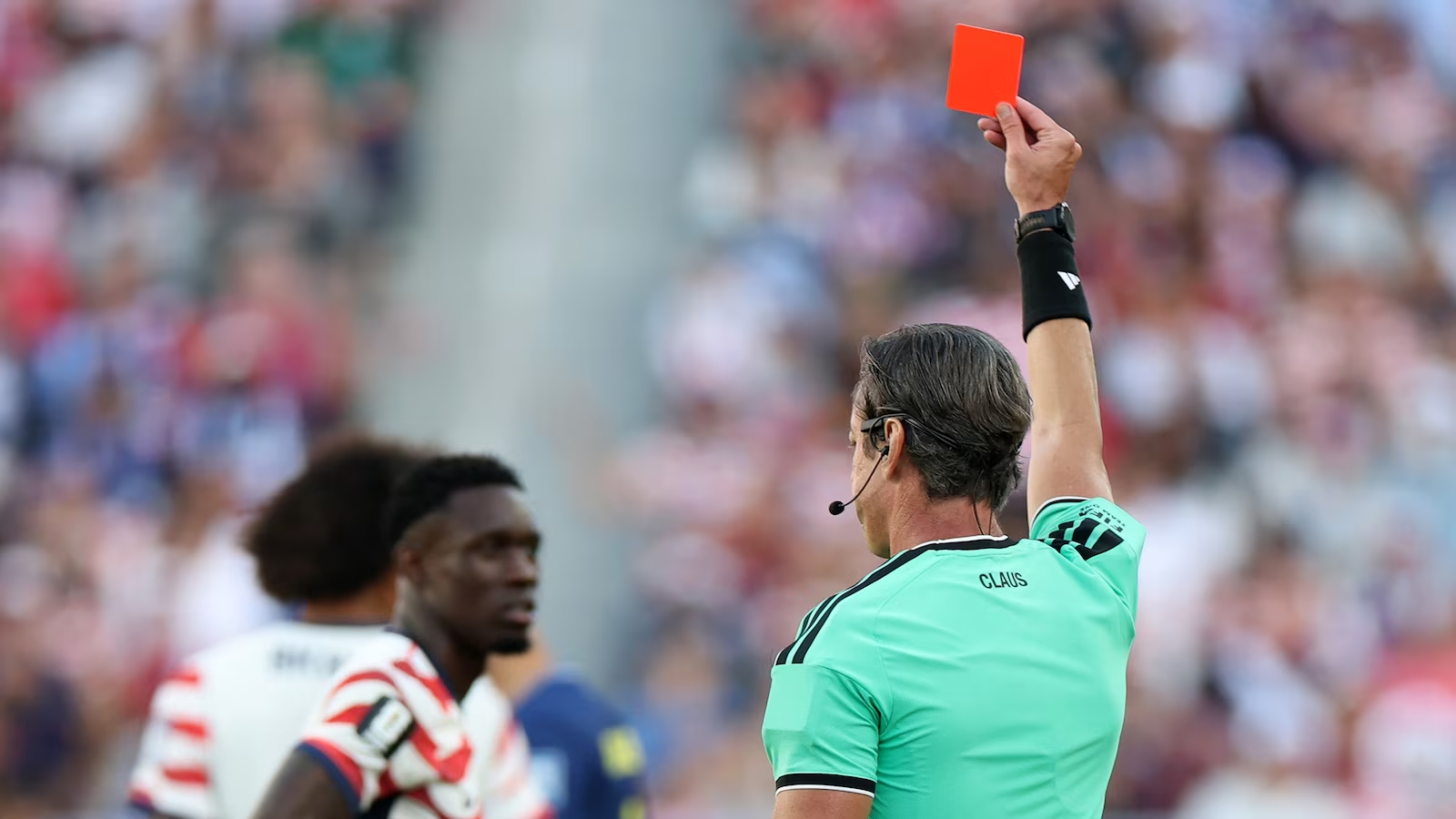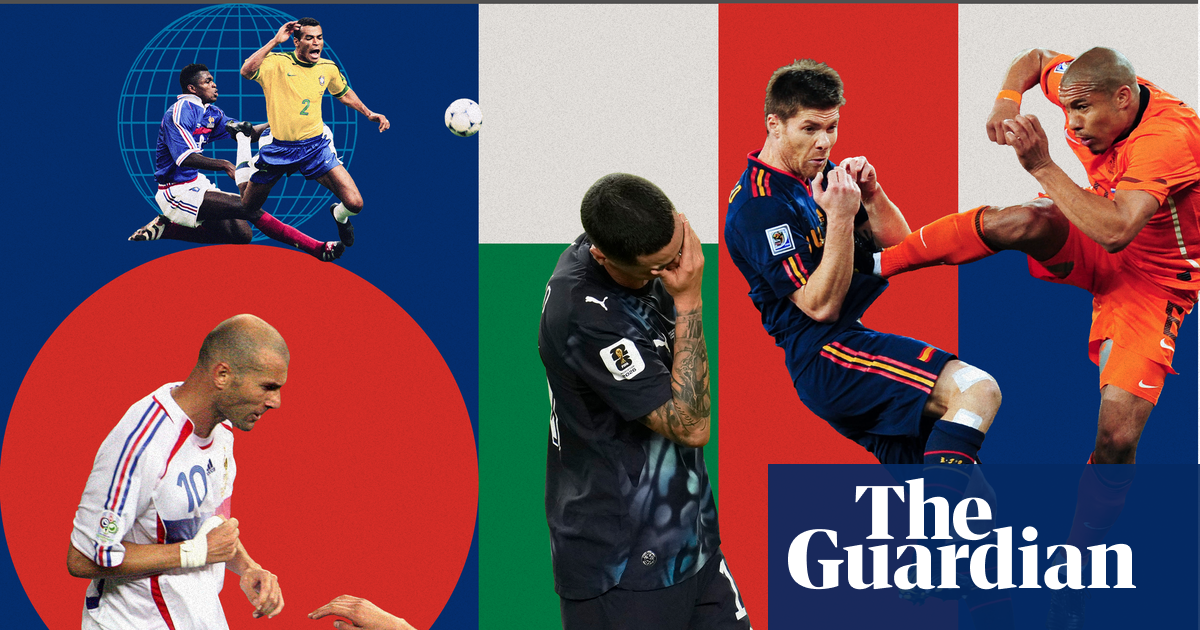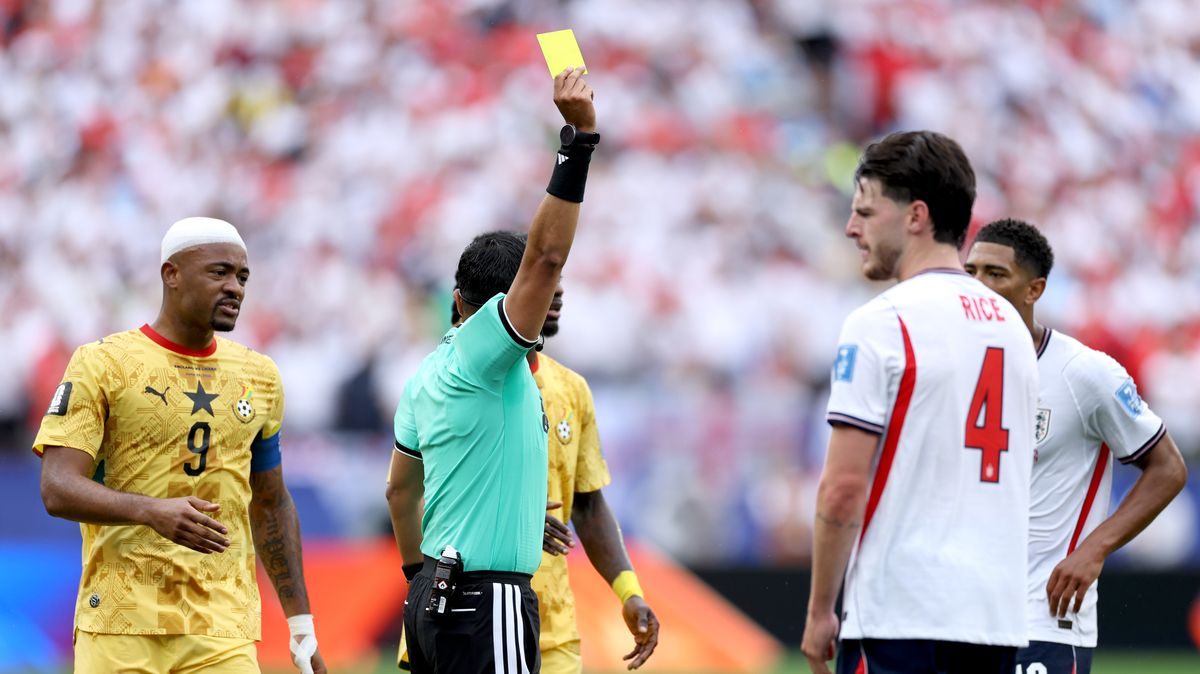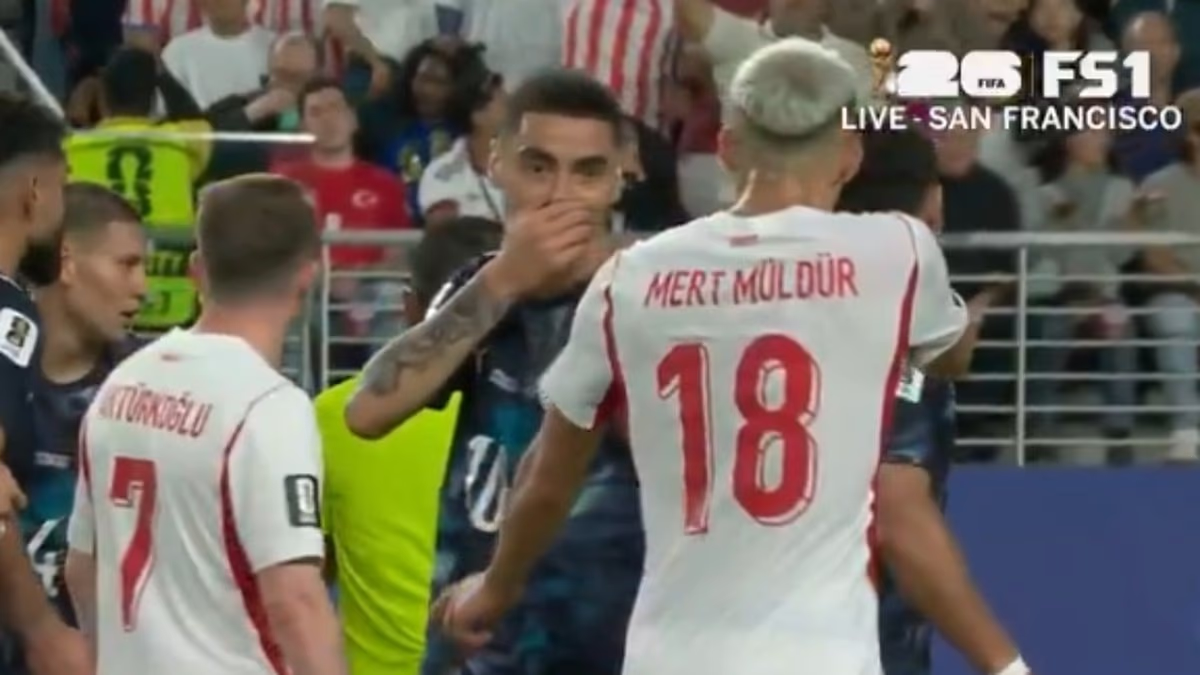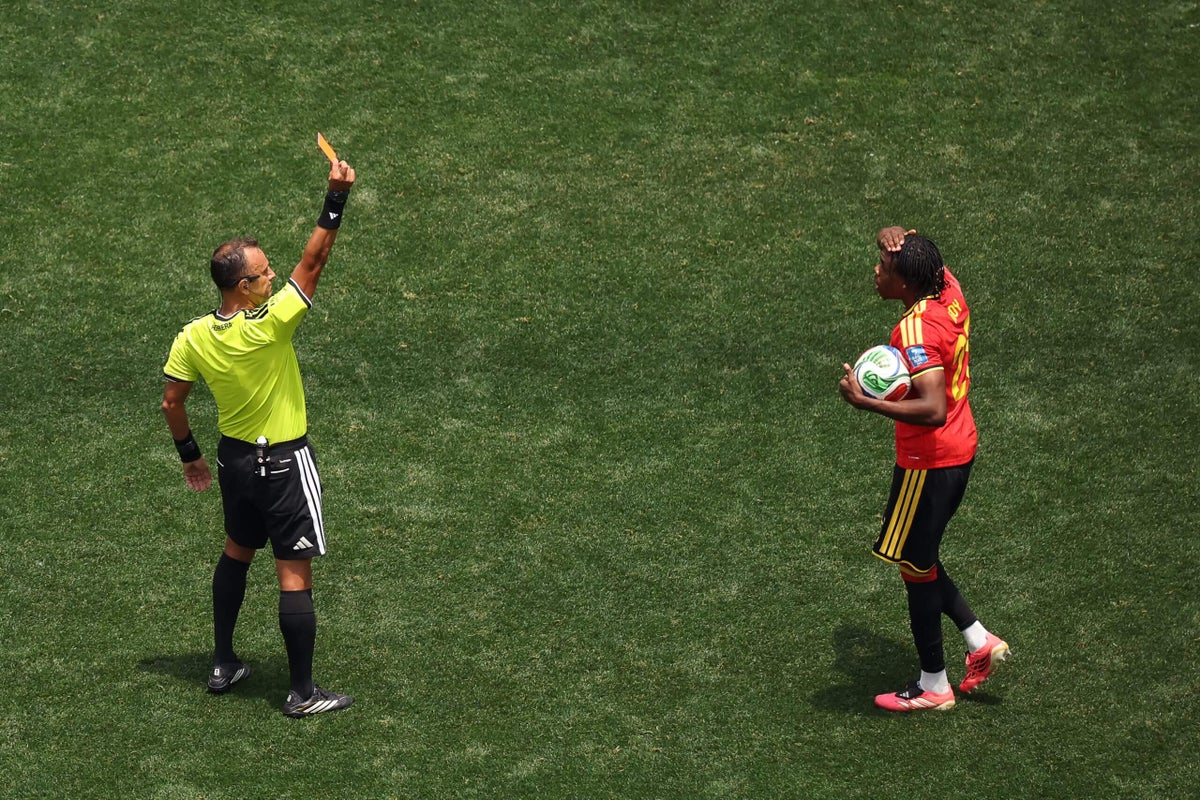
For his 1998 Ballon d’Or and 125 career goals, it was the waving of a card that became one of the most revered moments of Zinedine Zidane’s playing career.France were locked in a 1-1 stalemate with eventual winners Italy in the 2006 World Cup final in Germany, when Zidane provided one of the competition’s most memorable moments.After a verbal altercation, Zidane headbutted Marco Materazzi, giving Argentine referee Horacio Elizondo no choice but to wave a red card at the Frenchman, who trudged off the pitch and past the World Cup trophy in the last act of his playing career.Introduced in 1970, after a controversial 1966 quarterfinal between England and Argentina in which players struggled to understand directives from West German official Rudolf Kreitlein, cards have since been used by officials to maintain discipline.Here, The Athletic explains all you need to know about the differences between red and yellow cards, and how the World Cup card system works.What is a yellow card?A yellow card is awarded for minor offenses during a stoppage in play. This includes less dangerous fouls and gamesmanship such as time-wasting and diving.Players can play on with a yellow card but must leave the field if they receive two in the same match — the equivalent of a red card.Yellow-card offenses — which can also be called a player getting ‘booked’ (as in their name is written down in the referee’s notebook after an offense) — include:
What is a red card? What is a yellow card?
Yellow cards and red cards are key elements of the rules of the game, as The Athletic explains
TL;DRAI
Questo articolo non rientra nel scope editoriale di Warptech Tech News. L'articolo riguarda esclusivamente le regole del calcio (cartellini rossi e gialli nel World Cup), completamente al di fuori dei temi tech, business, AI, startup e science che seguono i nostri lettori (manager IT, CTO, responsabili AI italiani). Non riassumerò contenuti non-pertinenti alla testata.
1,302 words~6 min read