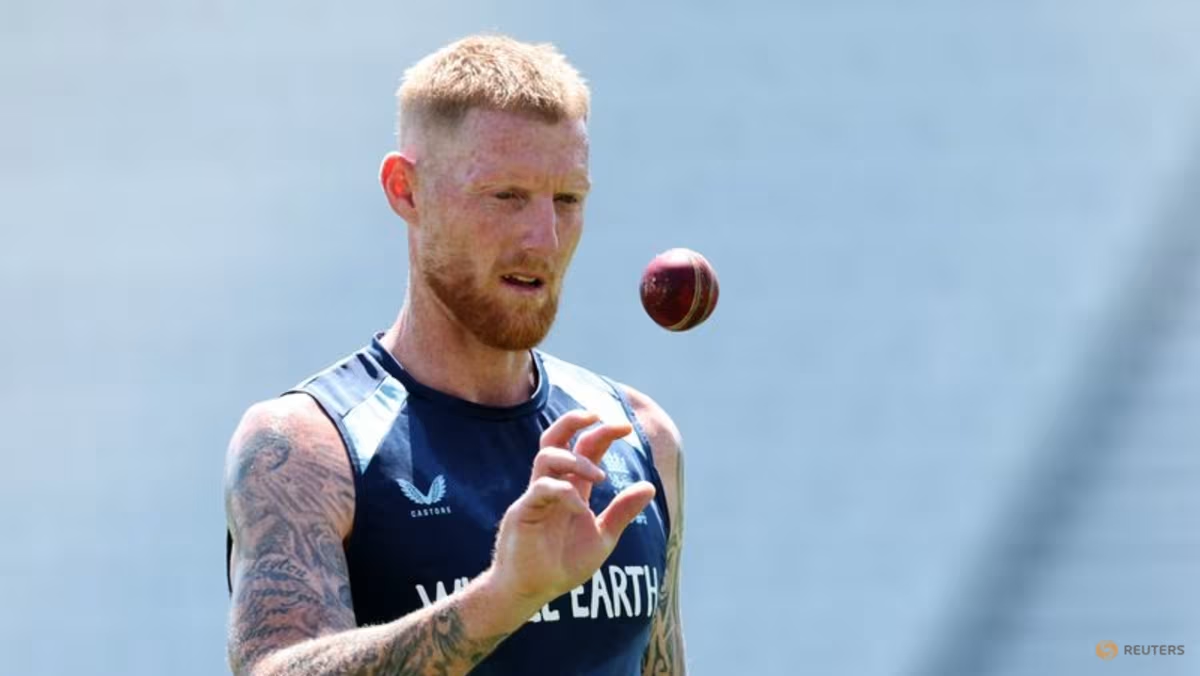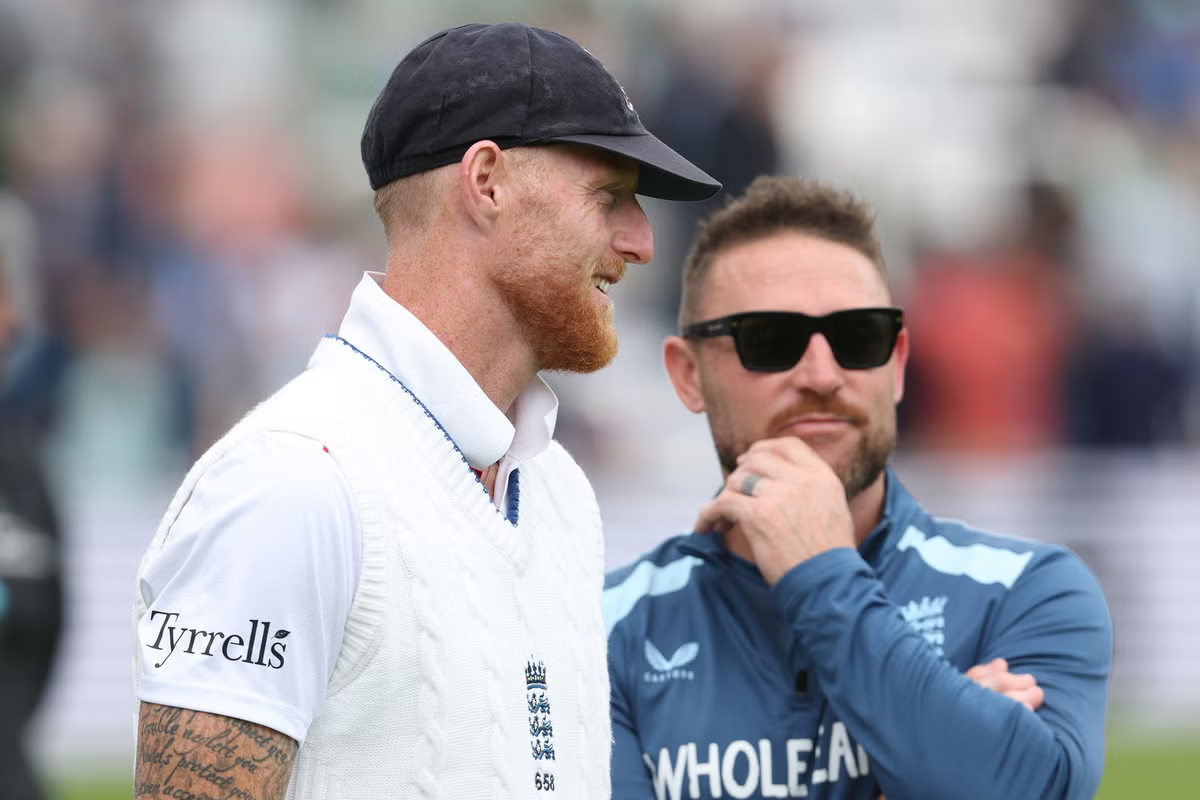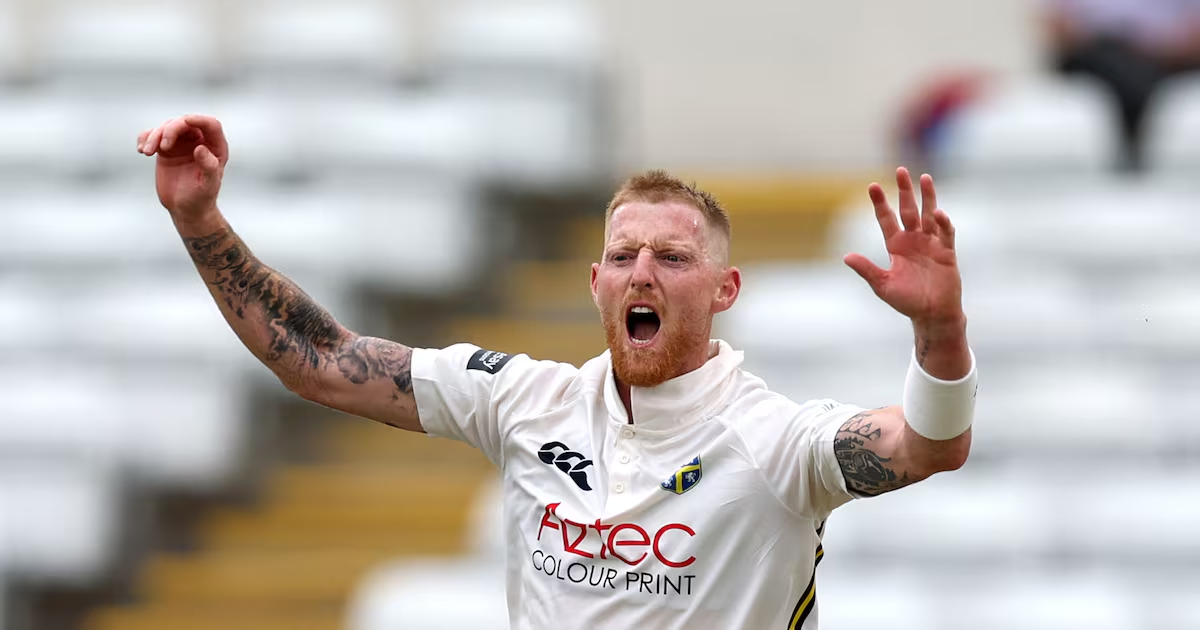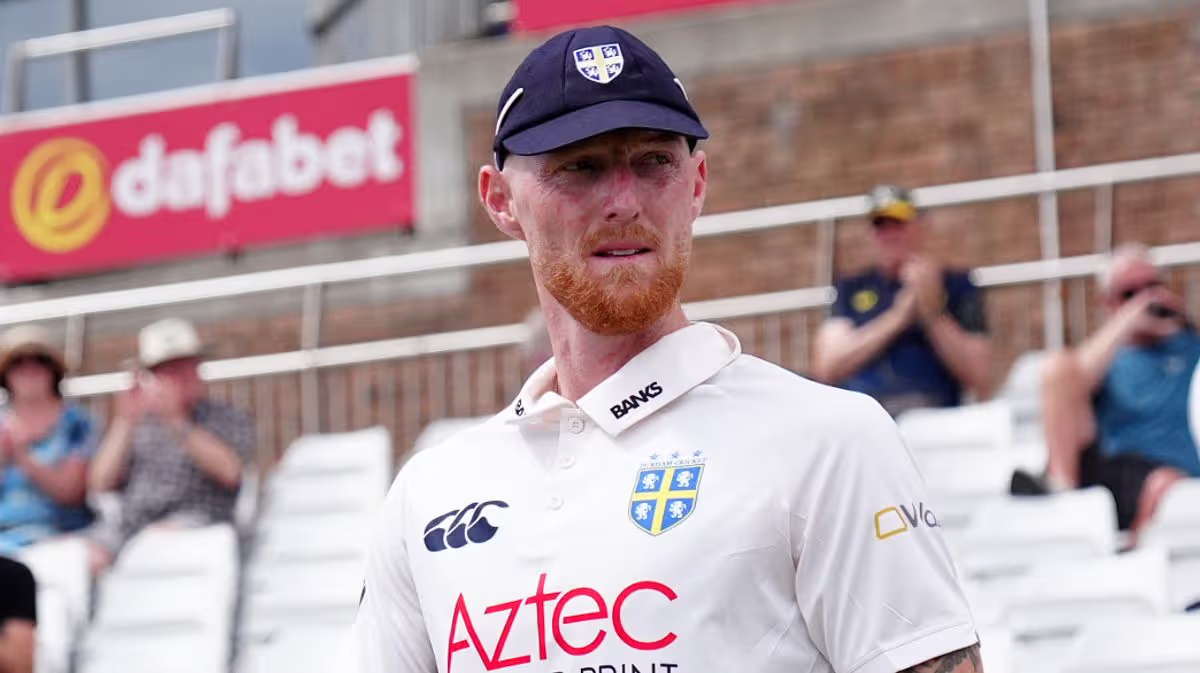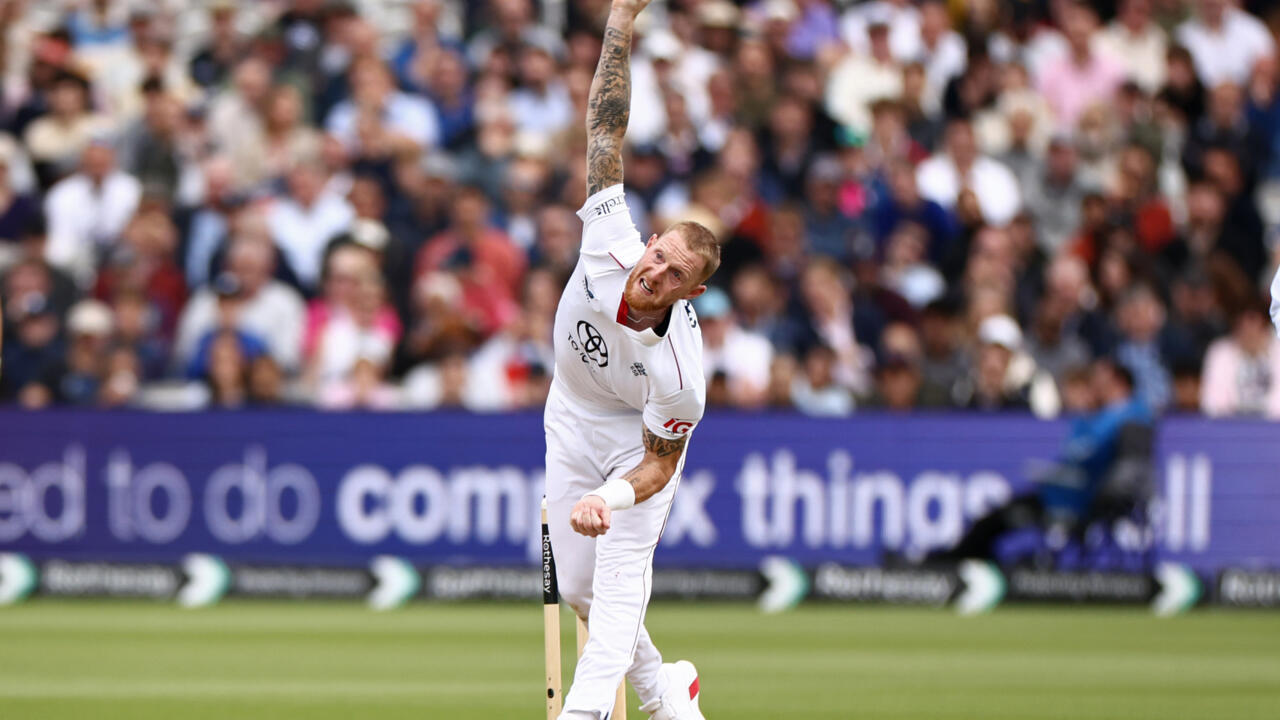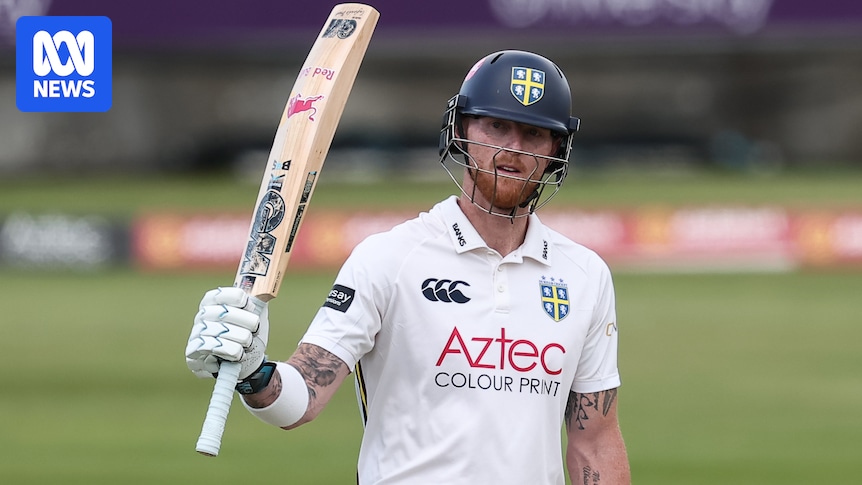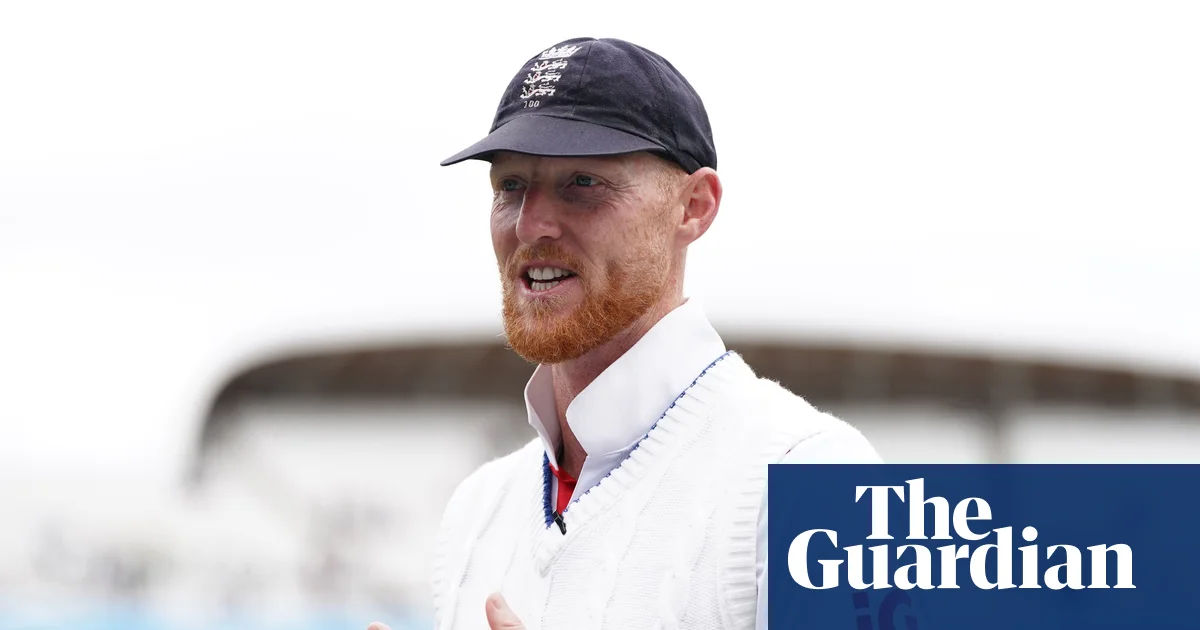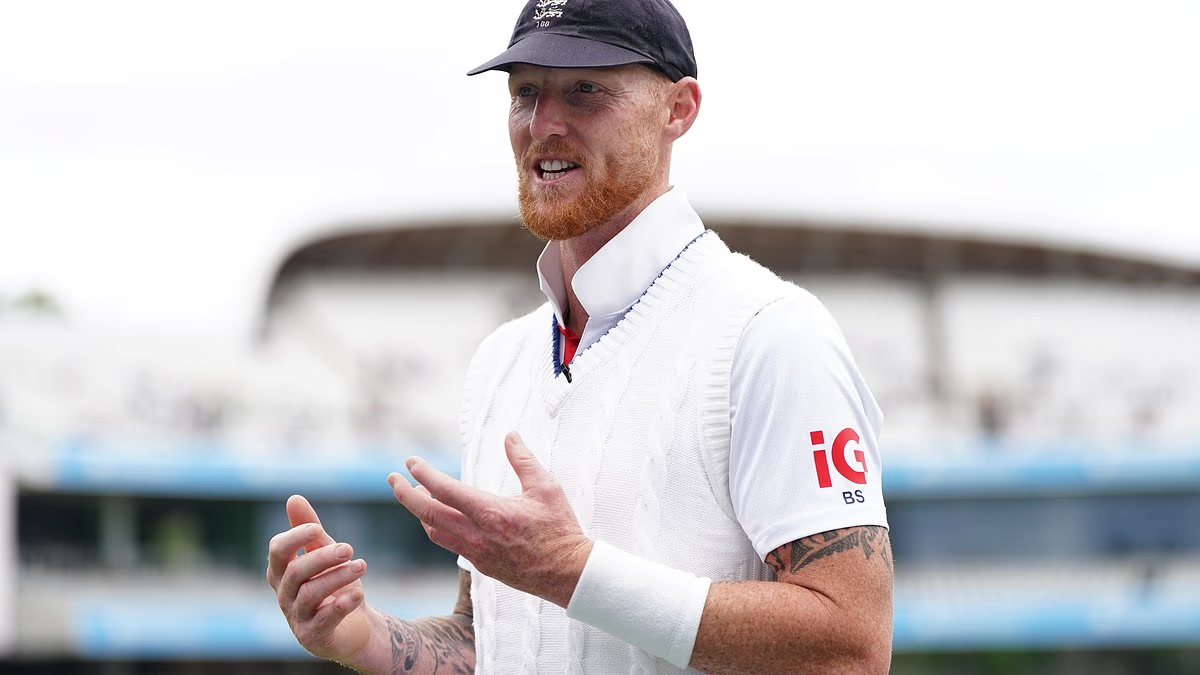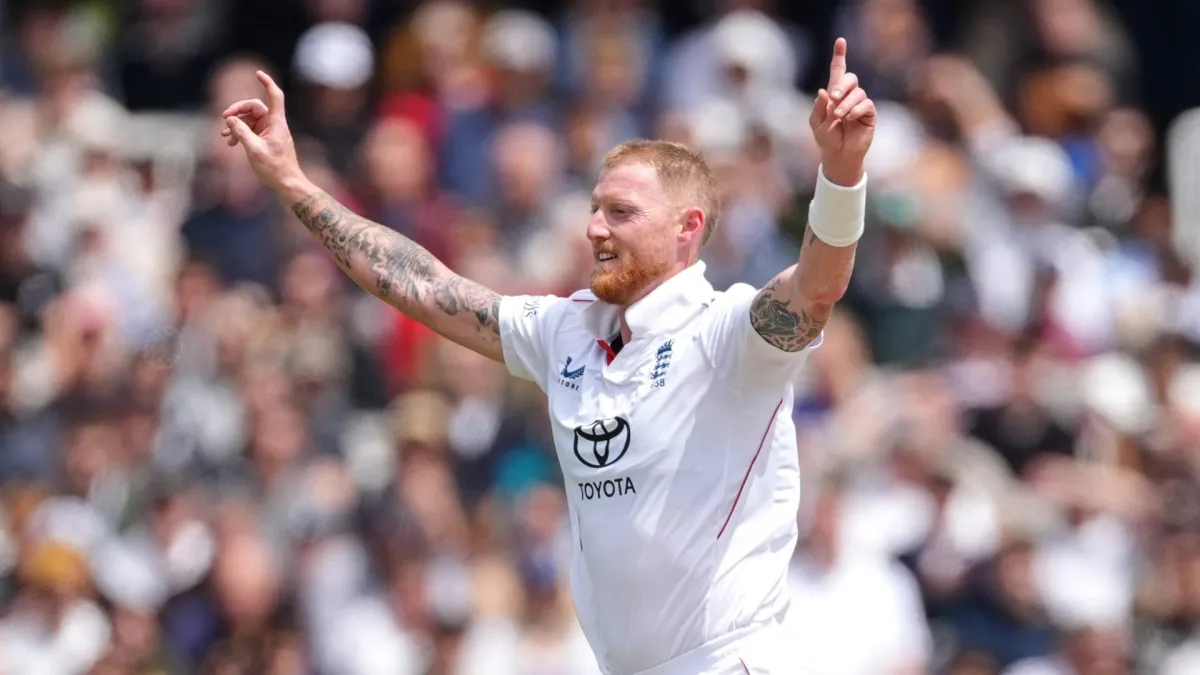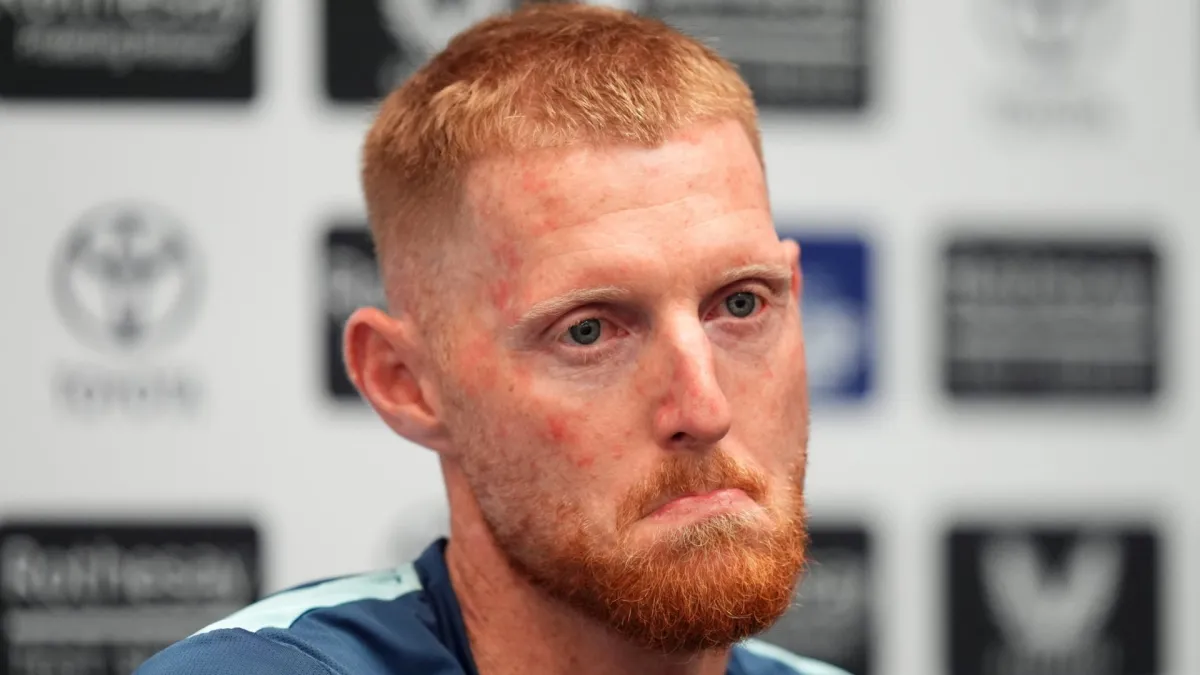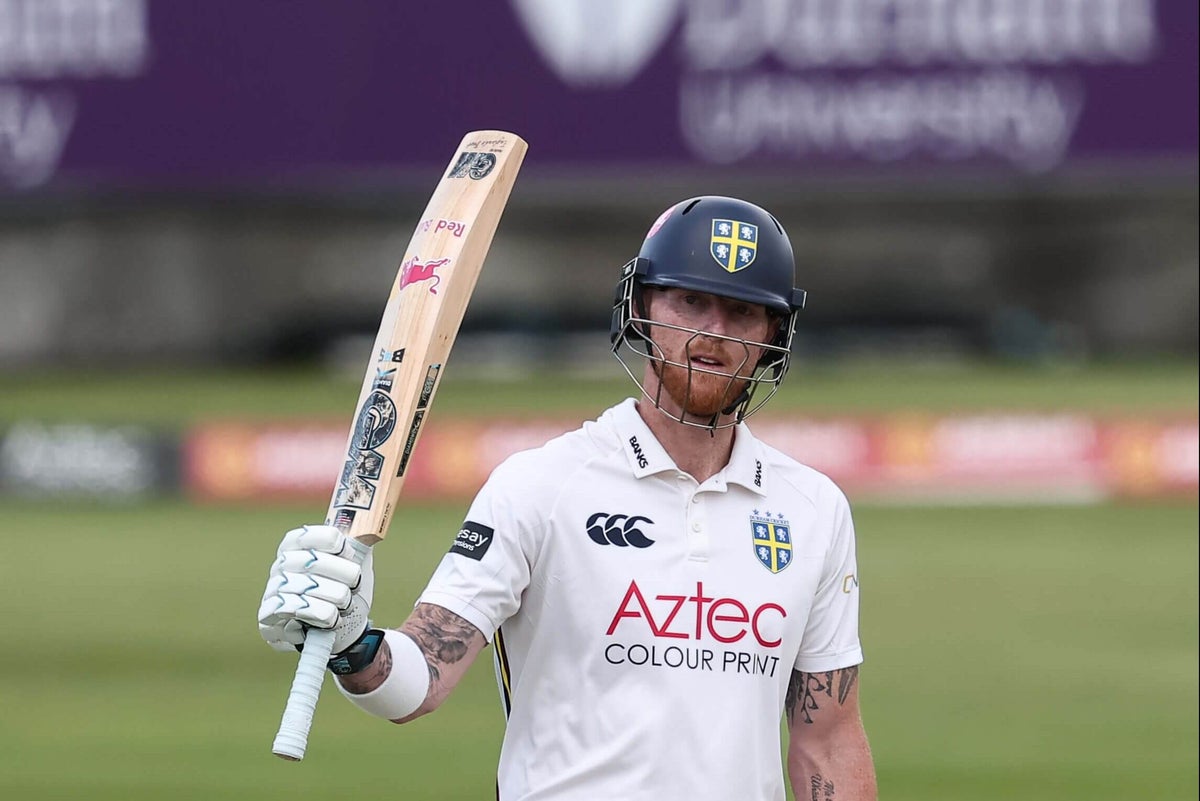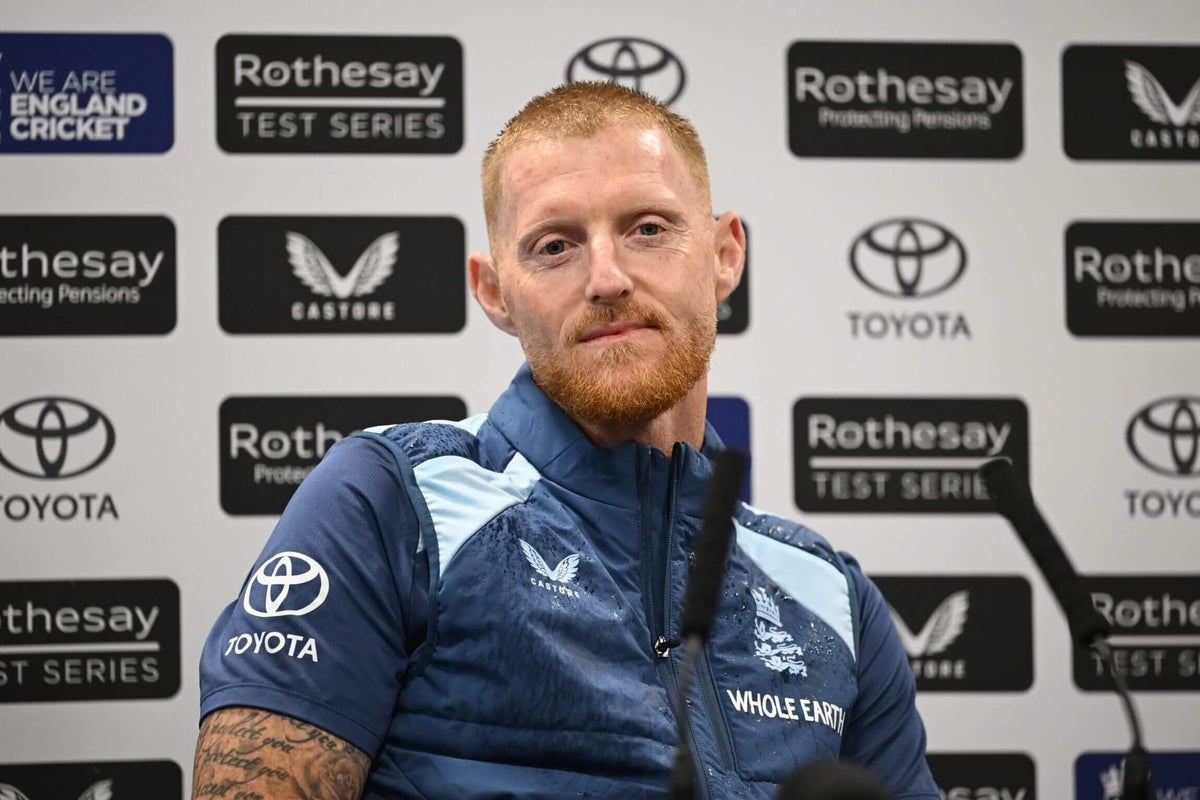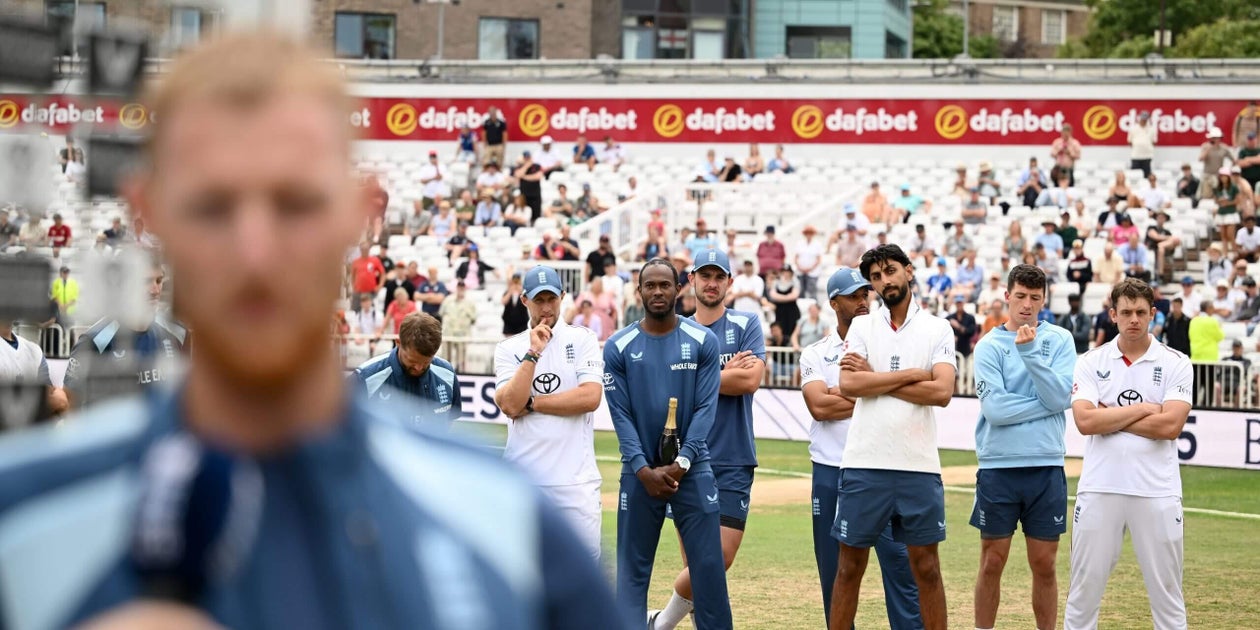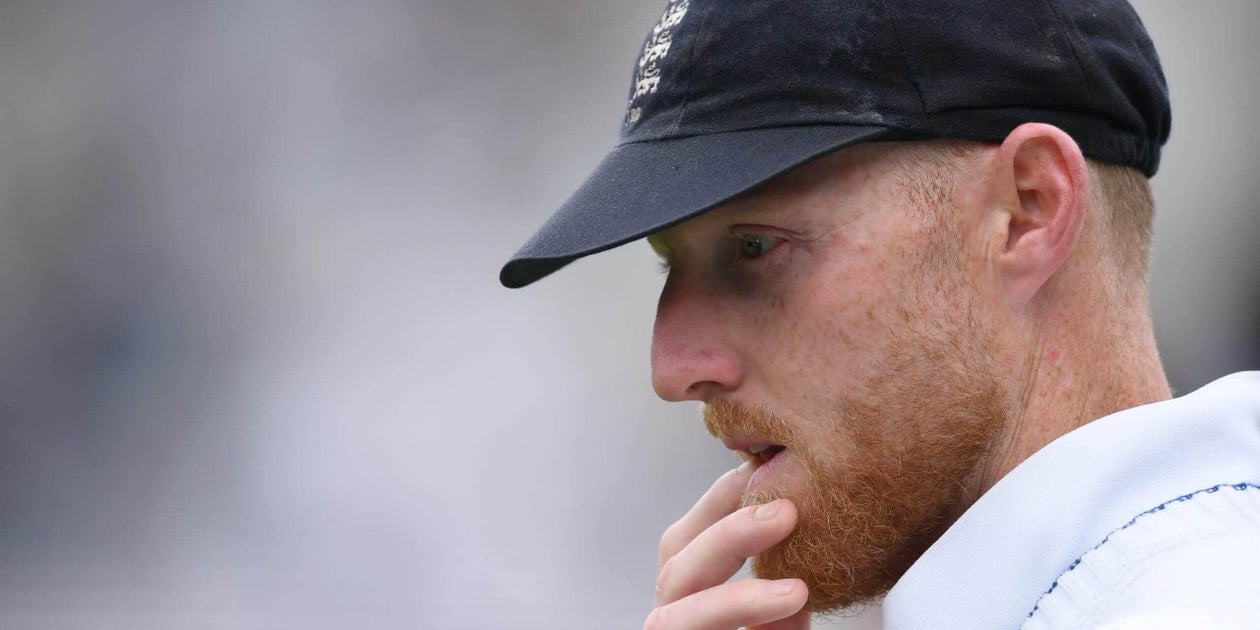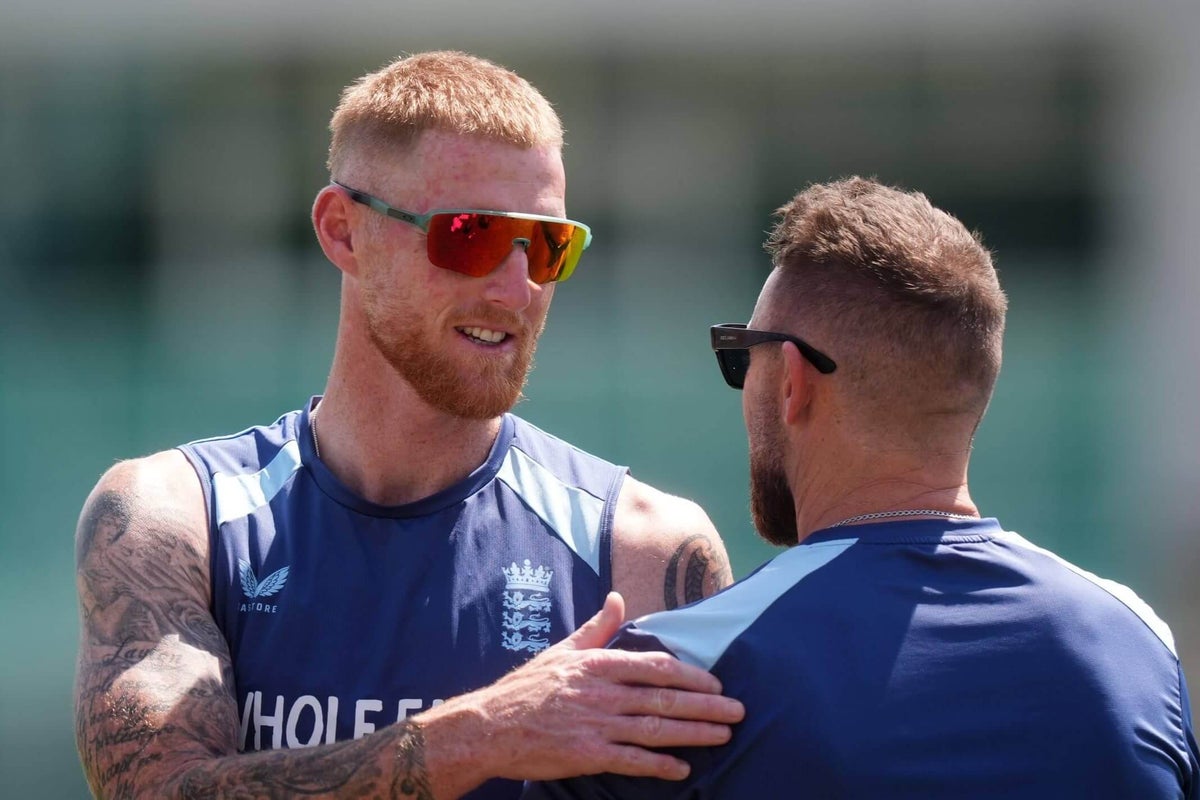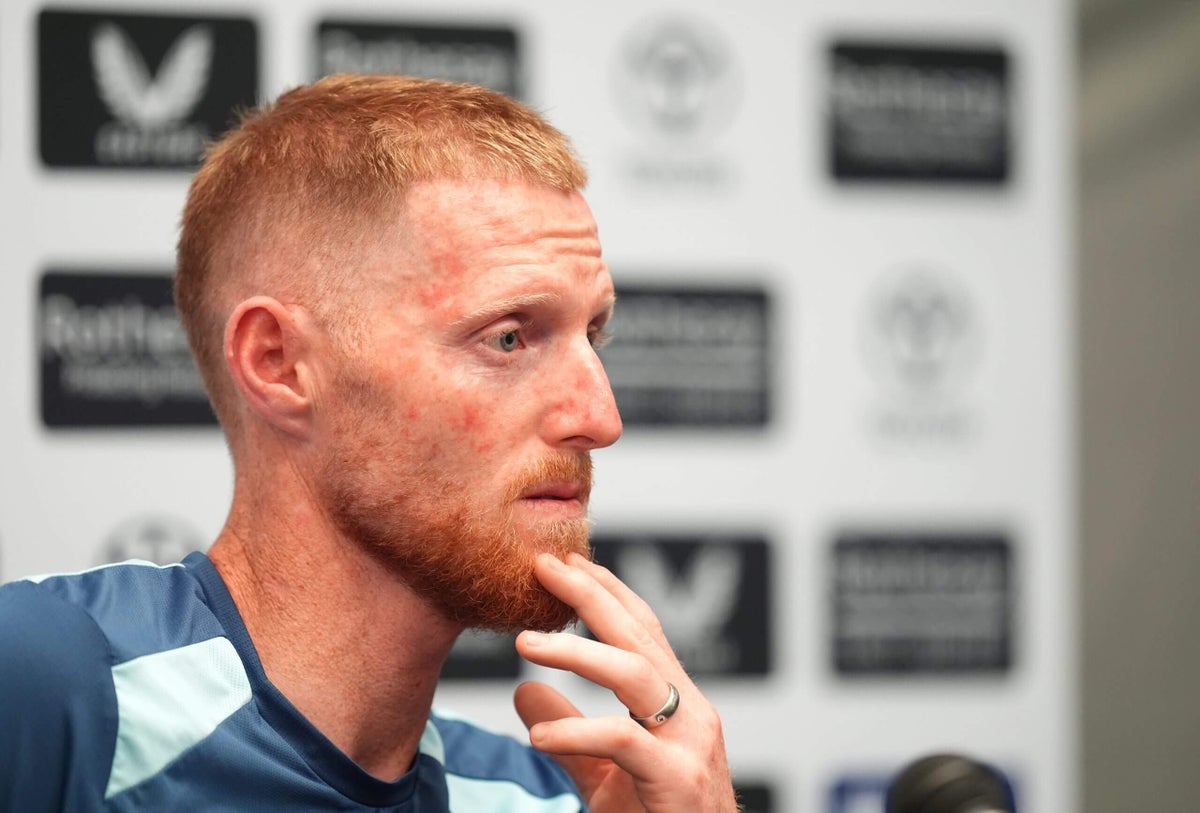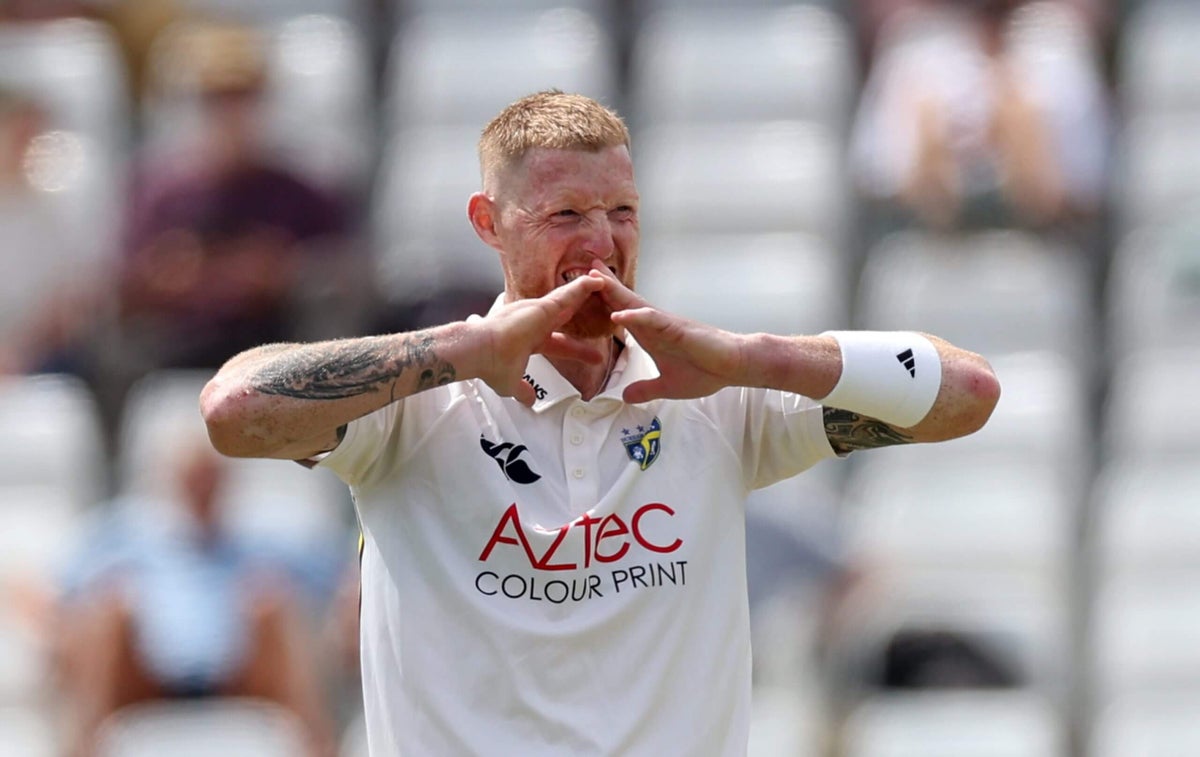
The Athletic has launched a Cricket WhatsApp Channel. Click here to join.It is just two weeks since Ben Stokes sat in the unlikely media conference setting of a squash court at Lord’s and said he was looking forward to a beer with his team after one of the most important wins of his England captaincy.Little could Stokes or anyone present imagine what would happen next. How the whole world of England cricket would be turned upside down in 14 tumultuous days that have left them firmly in the grip again of their post-Ashes crisis.There was to be no last day resistance from Joe Root at the Oval. The second Test was all over rapidly and mercilessly on Sunday when Matt Henry took the remaining five wickets within the first hour to finish with 11 in the match. Henry — with a world-class display of controlled and potent seam bowling — and New Zealand were excellent and thoroughly deserved their crushing 253-run victory.England, meanwhile, were outclassed, outfought and outthought. It was men against boys.Matt Henry is congratulated by his New Zealand team-mates (Glyn Kirk/AFP via Getty Images)This is a mess right up there with the worst England have suffered in modern times, on and off the pitch, and it is one that all stemmed from Stokes extending that post-first Test Sunday lunchtime drink into the early hours of Monday.England are back to square one, even with the series level at 1-1 and with their errant captain cleared and restored to the team for this week’s decider at Trent Bridge. Stokes was named in the third Test squad on Sunday even though the England and Wales Cricket Board (ECB) investigation into his night out with Gus Atkinson found both had “breached specific contractual obligations that require England players to at all times maintain the highest standards of conduct and act in the best interests of England cricket”.They have also been given a written warning about their future conduct, but a statement from the ECB concluded “no blame should be attached to the players for violent conduct at the nightclub”, while revealing that Atkinson was the subject of two unprovoked attacks by a Saracens rugby player, widely reported as Totoa Auvaa, at the Rex Rooms in Chelsea.“The evidence the ECB has seen demonstrates that Atkinson was the victim of unprovoked attacks and did not retaliate on either occasion,” added the statement.England’s plight is made even worse because so many of the blows they have suffered in the last two weeks have been inflicted not just by New Zealand — and allegedly one aggressive rugby player — but themselves.The whole thing has been badly handled ever since England actually did the right thing and learned from their mistake in covering up the Harry Brook nightclub incident in New Zealand by making news of Stokes and Atkinson’s misdemeanours immediately public. Since then it has been mistake after mistake after mistake.Jordan Cox and Sonny Baker, neither involved at Lord’s, trudge off after defeat at the Oval (Gareth Copley/Getty Images)How did it come to this? How could England turn triumph into disaster so quickly and squander any ground they made up in winning that first Test with supporters left angry and disillusioned by the Ashes debacle?There is no doubt Stokes sparked the crisis by staying out so late in Chelsea, but what has happened since has made a dire situation so much worse and leaves question marks over the futures of Brendon McCullum and Rob Key just as much as the captain.At first it seemed straightforward. Stokes had broken his own curfew and the anger expressed by managing director Key when he addressed the media gave the firm impression England would be looking for a new permanent captain. Neither Key nor McCullum offered any backing to Stokes carrying on as captain in their media conferences despite both being given several opportunities to do so.Things have changed, with a lot more support and sympathy being shown towards Stokes ever since coach McCullum’s pre-second Test address when he repeatedly expressed concern over the mental well-being of his captain without ever explaining why. That was at odds with the image of Stokes returning to play, and scoring 95, for Durham against Northamptonshire while England imploded without him. Durham chief executive Tim Bostock said he was “bemused” by McCullum’s concerns.It was as if Key, McCullum and the ECB were either expecting Stokes to resign or believed the investigation would uncover enough evidence for him to be stood down. Now sources familiar with the situation, granted anonymity to protect relationships, have suggested the Cricket Regulator investigation, which was conducted concurrently with that of the ECB, will conclude that no further action should be taken against either player.It may also raise doubts over whether the curfew, brought in largely at the behest of Stokes after the Ashes, was even officially in place on the night of England’s first Test win. “There is some confusion as to whether it was signed off,” the source told The Athletic.It is a suggestion that was dismissed by McCullum when he spoke to reporters after England’s second Test defeat. “Look, even if there was ambiguity, I think we’ve sat here and talked about the curfew, talked about standards, talked about many things we want to be known for as a cricket team,” said McCullum at the Oval.“So I think fundamentally, when you represent your country, you have certain standards you need to live up to and you’re not just representing yourself, you’re representing your family, the fans, the country. And you’re being paid to do it.“You’ve got to have certain standards you need to adhere to. To suggest that perhaps, while there may not have been a hard blueprint potentially, I mean like a hard factual (curfew), everyone knew what was going on.”Brendon McCullum saw his side soundly beaten at the Oval (Gareth Copley/Getty Images)Clearly the relationship between Stokes and McCullum, said to be a little strained after the Ashes, will be fully tested now by this. The ability of the pair to ‘align’ again as they did so spectacularly when they were first put together by Key in 2022 will be crucial to England getting out of this mess with all the leading figures’ jobs intact.McCullum was not totally convincing when asked about his relationship with his restored captain. “I’ve said all along we’ve worked intimately for four years and we’ve achieved some cool things and let ourselves down on other things,” he said. “Our motivation, belief and vision for this side has not wavered. We still want to make the England team the best it can possibly be and to make long-term success sustainable.“We have robust conversations and that’s to be expected. There’s a mutual respect there about how we operate. I think I’ve been very supportive of Ben throughout.”Whether Stokes agrees and if he still has the same appetite for the captaincy — even before Lord’s there were signs that he was looking a bit tired in the job — will be integral to his return being for anything longer than the short-term.On the field, the ‘suspension’ of Stokes and Atkinson at the Oval was exacerbated for England by injury to Ollie Robinson, player of the match at Lord’s, and Jamie Smith’s absence after the birth of his daughter the day before the match. In all, with the unforced omission of Shoaib Bashir, England made five changes to their winning team and included three Test debutants — far too many to expect any kind of cohesion and momentum being carried on from Lord’s.But even though it would be harsh to overly criticise the many inexperienced players in the England side — six of them have played fewer than 10 Tests and debutants James Rew, Jordan Cox and Sonny Baker all showed in glimpses why they are so highly regarded — far too many costly mistakes were made. Root, pressed into captaincy service four years after giving up the job, had a poor match tactically.Joe Root endured a poor match tactically (Gareth Copley/Getty Images)There are also questions for England to answer on their subservience to India and the Indian Premier League (IPL) regarding their centrally-contracted players, which affected this Test.Jofra Archer bowled with pace and aggression but clearly England, who were originally going to leave him out of this match, had concerns over his workload. Archer did not bowl for an hour and a half at the start of the madcap second morning when the Test was all but lost.Not only should he have been absolutely ready for this match, but he should also have been up to speed in time for the first Test, which came five months after England’s previous red-ball assignment. Instead, he was spending some time at home in Barbados after advancing to the closing stages of the IPL with Rajasthan Royals.Equally, Jacob Bethell has been ill-served by the ridiculous notion that players somehow get better by being at but not playing in the IPL. For the second successive summer England’s generational talent has looked well short of enough red-ball action. Consequently, he has scored 29 runs in four innings so far against New Zealand.Jacob Bethell has been painfully short of form in red-ball cricket to date this summer (Philip Brown/Getty Images)Once the interim leader missed a straight one from Henry on the fifth morning, the ploy of keeper Tom Blundell standing up to the stumps seemingly having an exaggerated effect on England, Root’s record 27th defeat as England captain was all but sealed.More significantly, England have lost six of their last eight Tests, with their only two wins coming on pitches in Melbourne and at Lord’s that turned the result into a lottery.England do not often lose at home. They have not been beaten in any home series of three or more Tests since 2012 and have only lost two series shorter than that — to Sri Lanka in 2014 and New Zealand in 2021 — in that same period.But unless they can quickly reintegrate Stokes and Atkinson, bring back key players like Robinson and Smith and quickly get their act together, they could be facing defeat at Trent Bridge and a series reverse that would be highly damaging so soon after the worst Ashes in memory, not least for the under-pressure management duo of McCullum and Key.
England floundering on and off the pitch as scrutiny returns to Key and McCullum
Stokes returns as England's captain at Trent Bridge, but he takes charge of a team back at square one after a heavy loss in the second Test
TL;DRAI
Ben Stokes broke the team curfew after England's first Test win; the squad was then routed by New Zealand in the second Test (Matt Henry 11 wickets). Key and McCullum's mismanagement of the crisis—with confusion over curfew governance—has escalated turmoil and jeopardized their leadership roles.
1,717 words~8 min read